


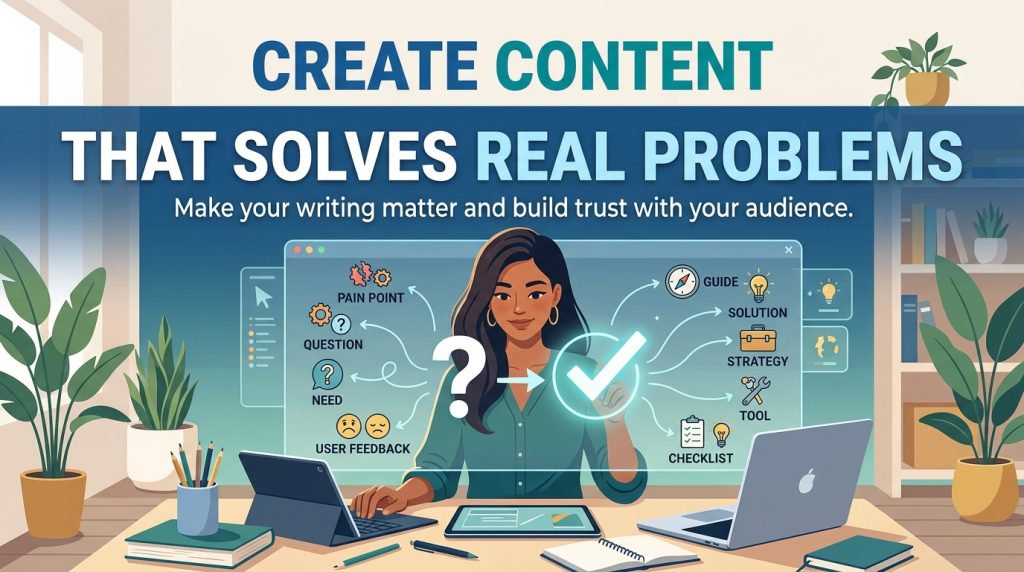
In today’s digital world, customers search online before buying. Effective content creation helps businesses attract the right audience, build trust, and turn visitors into customers. So, how to create content that attracts customers? Start by understanding your audience, solving their problems, and creating simple, useful, and relevant content.
What Is Customer-Attracting Content?
Customer-attracting content is content created to provide value to a specific audience while naturally introducing them to a business, product, or service.
It can include:
- Blog posts
- Social media posts
- Videos
- Tutorials
- Guides
- Case studies
- Email newsletters
- Infographics
- Product comparisons
- FAQs
- Customer stories
The main goal is not always to make an immediate sale.
Sometimes, the first goal is simply to help someone discover your brand. Later, that person may become a follower, subscriber, lead, or customer.
For example, imagine you sell skincare products.
Instead of only posting, “Buy our moisturizer,” you could create content such as:
- How to choose the right moisturizer for your skin
- Common skincare mistakes people make
- How to build a simple skincare routine
- How often should you use moisturizer?
- Ingredients to look for in a moisturizer
This type of content answers real questions. It can attract people who are already interested in skincare and may eventually become customers.
Understand Your Target Customers
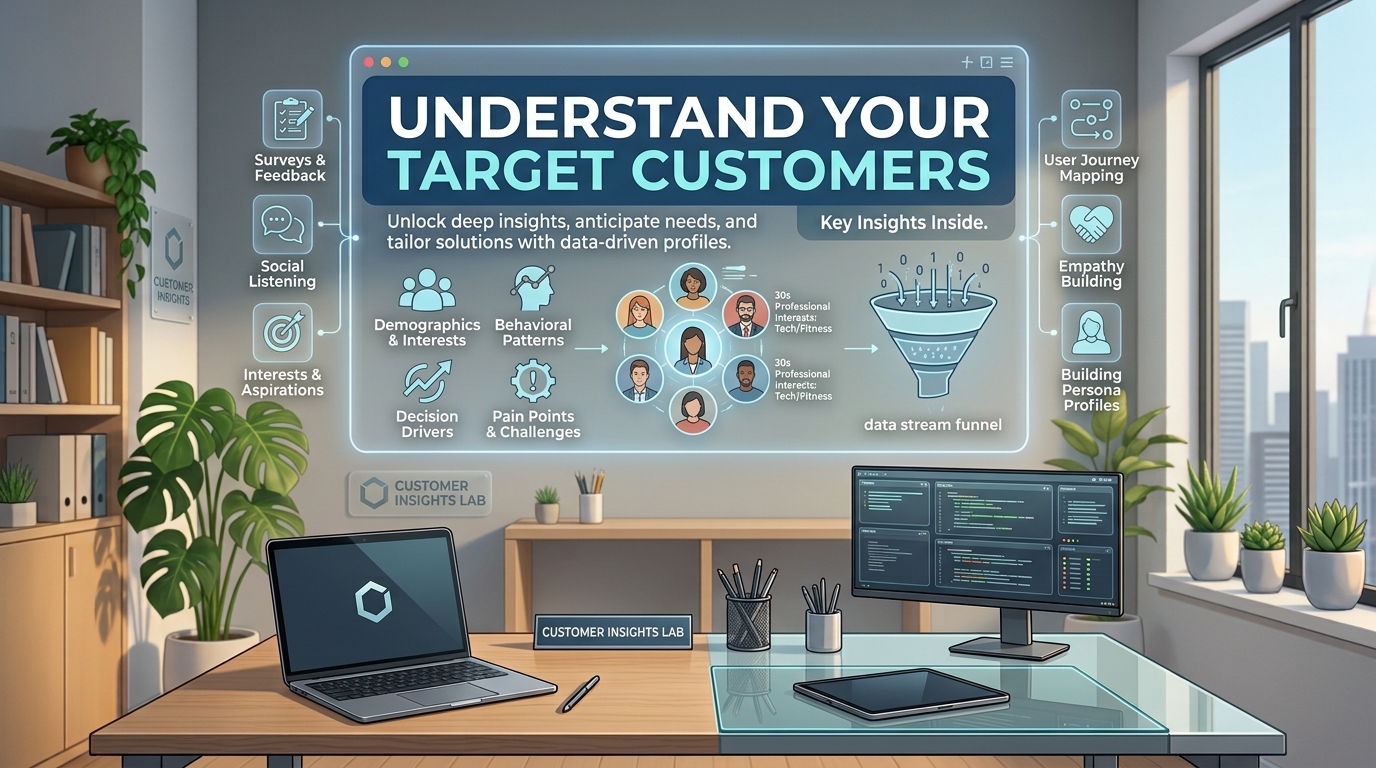

One of the most important steps in content creation is understanding who you are creating content for.
If you try to create content for everyone, your message may become too general. When you clearly understand your target audience, it becomes easier to create content that feels relevant.
Identify Your Ideal Customer
- Start by asking simple questions:
- Who is my target customer?
- What problems do they have?
- What are they trying to achieve?
- What questions do they ask?
- What products or services are they searching for?
- What prevents them from making a purchase?
- What type of content do they enjoy?
For example, a fitness coach may target busy professionals who want to lose weight but do not have much free time.
Instead of creating a general article titled “Fitness Tips,” the coach could create:
10-Minute Home Workouts for Busy Professionals
The second topic is more specific and directly addresses a customer problem.
Create Customer Personas
A customer persona is a simple profile of your ideal customer.
- It may include:
- Age range
- Occupation
- Goals
- Problems
- Interests
- Buying behavior
- Preferred content format
You do not need complicated research to start. Your existing customers, website visitors, social media followers, and customer questions can provide valuable information.
Listen to Customer Questions
- Your customers are one of your best sources of content ideas.
- Look at questions they ask through:
- Emails
- Social media comments
- Customer support messages
- Reviews
- Online communities
- Sales conversations
If one person asks a question, there is a good chance that other people have the same question.
Turn those questions into useful content.
Create Content That Solves Real Problems
People usually search for content because they want something.
They may want to learn something, solve a problem, compare products, save money, save time, or make a decision.
Therefore, one of the most effective ways to attract customers is to create content that helps them solve real problems.
Focus on the Customer, Not Just Your Business
A common mistake is creating content that talks too much about the business.
For example:
“We have been in business for 10 years. We provide high-quality services. Our team is experienced.”
This information may be useful, but it does not immediately answer the customer’s question.
A customer-focused approach would be:
5 Things to Check Before Hiring a Professional Service Provider.
Now the content gives the reader something useful.
At the end of the article, you can explain how your service can help.
This approach feels more natural and informative.
Use the Problem-Solution Approach
A simple content formula is:
Problem → Information → Solution → Action
For example:
Problem: Many small businesses struggle to get visitors from Google.
Information: Explain common SEO mistakes.
Solution: Show practical ways to improve website content.
Action: Invite readers to explore your SEO service or contact your business.
This method provides value before asking for a sale.
Answer Search Intent
Search intent means the reason behind a person’s search.
For example, someone searching for:
How to clean white shoes
probably wants instructions.
Someone searching for:
Best running shoes for beginners
may be comparing products.
Someone searching for:
Buy running shoes online
has stronger purchase intent.
Your content should match the searcher’s intent.
If someone wants a tutorial, give them a clear tutorial. If they want a comparison, provide useful comparisons.
When your content matches what people are looking for, it becomes more useful and more likely to attract the right audience.
Choose the Right Content Formats
Not every customer prefers the same type of content.
Some people enjoy reading articles. Others prefer videos, short social posts, images, or email newsletters.
Using different content formats can help you reach more people.
Blog Posts
Blog posts are useful for answering detailed questions and attracting search traffic.
You can create:
- How-to guides
- Listicles
- Tutorials
- Comparisons
- Beginner guides
- Industry updates
- Case studies
For SEO, focus on useful topics that your target audience is actually searching for.
Short-Form Social Media Content
Short posts can help you capture attention quickly.
For example, instead of publishing a long article about productivity, you can create a social post:
3 simple ways to save 30 minutes every day.
Then direct interested readers to a longer guide.
Video Content
Video is useful when a topic is easier to demonstrate visually.
You can create:
- Tutorials
- Product demonstrations
- Behind-the-scenes videos
- Customer stories
- Educational videos
- Frequently asked question videos
You do not always need expensive equipment. A clear message and useful information are often more important than highly produced visuals.
Email Content
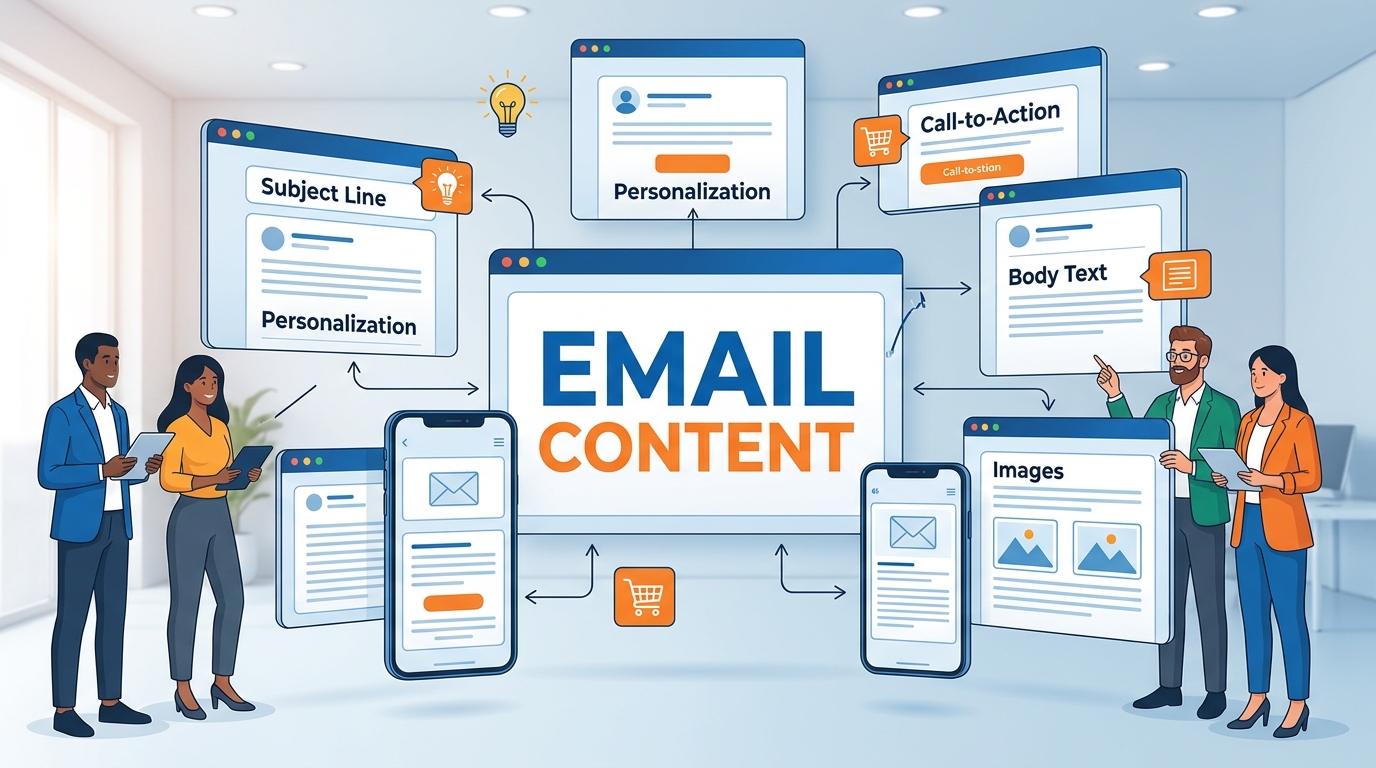
Email can help you build a direct relationship with your audience.
You can send:
- Helpful tips
- New blog posts
- Product information
- Special offers
- Educational guides
- Customer stories
The key is to provide value instead of sending promotional messages all the time.
How to Create Content That Attracts Customers
Now let’s look at a simple process you can follow.
Choose a Specific Topic
Start with one clear problem or question.
Instead of:
Digital Marketing
try:
How Small Businesses Can Get More Customers Through Social Media.
A specific topic is easier to understand and easier to develop.
Research Your Audience

Find out what your customers are interested in.
You can check:
- Google search suggestions
- Customer questions
- Social media comments
- Competitor content
- Online communities
- Reviews
- Frequently asked questions
The goal is not to copy other content. The goal is to understand what information people need.
Create a Strong Headline
Your headline is often the first thing people see.
A good headline should clearly communicate the benefit of reading the content.
Examples:
- How to Create a Simple Content Strategy for Your Business
- 10 Content Ideas for Small Businesses
- How to Get More Customers From Your Blog
- 7 Content Marketing Mistakes to Avoid
Avoid misleading headlines. Your content should deliver what the headline promises.
Start With a Strong Introduction
Your introduction should quickly explain why the topic matters.
You can start with:
- A common problem
- A question
- A surprising fact
- A relatable situation
- A clear benefit
Avoid spending too much time before getting to the main point.
Make the Content Easy to Read
Online readers often scan content before deciding whether to read it fully.
Use:
- Short paragraphs
- Clear headings
- Bullet points
- Numbered lists
- Simple sentences
- Examples
- Relevant images
Large blocks of text can make even good information difficult to read.
Add Practical Examples
Examples make complicated ideas easier to understand.
For instance, instead of simply saying “Know your audience,” show how a business can apply the idea.
A restaurant could create content such as:
5 Healthy Lunch Options for Office Workers.
A web design company could create:
10 Website Mistakes That Can Drive Customers Away.
Specific examples make content more useful.
Add a Clear Call to Action
After providing value, tell the reader what they can do next.
Your CTA could ask readers to:
- Contact your business
- Download a guide
- Subscribe to your newsletter
- Read another article
- Book a consultation
- Try a product
- Follow your social media page
The CTA should match the purpose of the content.
Important Tips for Better Content Creation
1. Be Consistent
You do not need to publish five times a day.
A realistic schedule is better than an aggressive schedule you cannot maintain.
For example, you might publish:
- One blog post per week
- Three social media posts per week
- One email newsletter per week
Consistency helps you build a content habit and maintain audience engagement.
2. Prioritize Quality Over Quantity
Publishing more content does not automatically mean attracting more customers.
One detailed and useful article can be more valuable than several short posts that provide little information.
Before publishing, ask:
“Will this content actually help my target customer?”
If the answer is no, improve the content before publishing it.
3. Use Simple Language
You do not need complicated words to sound professional.
Simple writing is often easier to understand and remember.
Instead of:
Utilize our comprehensive methodology to optimize your business performance.
write:
Use these simple steps to improve your business.
Clear writing makes your content more accessible.
4. Avoid Keyword Stuffing
Keywords are important for SEO, but using the same keyword repeatedly can make your content unnatural.
Use your focus keyword where it makes sense.
For example, you can naturally include content creation in:
- The title
- Introduction
- Relevant headings
- Body content
- Conclusion
Also use related phrases and natural variations.
The goal should be to write for people first and search engines second.
5. Update Old Content
Content creation is not always about producing something completely new.
Old articles may become outdated.
Review your existing content and update:
- Statistics
- Examples
- Links
- Product information
- Screenshots
- Recommendations
Updated content can remain useful for a longer period.
6. Repurpose Your Content
One good article can become many pieces of content.
For example, a blog post about “10 SEO Tips” can become:
- 10 social media posts
- A short video
- An infographic
- An email newsletter
- A carousel post
- A short checklist
This saves time and allows you to reach people on different platforms.
7. Measure Your Results
Creating content without measuring performance makes it difficult to know what works.
Track metrics such as:
- Website traffic
- Page views
- Engagement
- Time spent on a page
- Email signups
- Leads
- Conversions
- Social shares
Do not focus on one number alone.
For example, an article may receive fewer visitors but generate more leads than another article.
The right metric depends on your business goal.
Common Content Creation Mistakes to Avoid
Creating Content Without Knowing the Audience
If you do not understand your audience, your content may not connect with the right people.
Talking Only About Your Products
Customers usually want solutions, not constant advertisements.
Use educational content to help them understand their problems and available solutions.
Copying Competitors
Researching competitors can help you understand the market, but copying their content will not create a unique brand.
Use research to identify opportunities and create something more useful and original.
Writing for Search Engines Only
SEO matters, but content should still feel natural.
If a sentence sounds strange because a keyword was inserted into it, rewrite it.
Ignoring the Content Introduction
A weak introduction can cause readers to leave before reaching your best information.
Start with the reader’s problem and quickly explain how the content can help.
10 Frequently Asked Questions About Content Creation ( FAQ)
1. What is content creation?
Content creation is the process of producing useful and relevant material for a specific audience. It can include blog posts, videos, social media posts, emails, guides, images, and other formats.
2. How does content attract customers?
Useful content attracts people by answering their questions and solving their problems. When people repeatedly find helpful information from your business, they may become more familiar with and interested in your brand.
3. How to create content that attracts customers?
Start by understanding your target audience and identifying their problems, questions, and goals. Then create useful content that addresses those needs, optimize it for search where appropriate, and include a clear next step for interested readers.
4. How often should a business publish content?
There is no single perfect publishing schedule. Choose a frequency you can maintain consistently. For some businesses, one quality blog post per week may work well, while others may focus more heavily on social media content.
5. What type of content attracts the most customers?
The answer depends on the audience and business. Educational articles, tutorials, product comparisons, case studies, videos, and problem-solving content can all attract potential customers when they match audience needs and search intent.
6. Is blogging still useful for attracting customers?
Yes. A useful blog can answer customer questions, provide educational information, support SEO, and introduce people to your products or services. The results depend on content quality, topic selection, audience demand, and distribution.
7. Should content always promote a product?
No. Content does not always need to be directly promotional. Educational and helpful content can build awareness and trust. Promotional content can then be used when it is relevant to the customer’s stage in the buying process.
8. How long should a blog post be?
There is no universal ideal word count. The content should be long enough to answer the reader’s question properly. A simple question may need a short article, while a detailed guide may require much more information.
9. How can small businesses create content with a limited budget?
Small businesses can start with existing knowledge and customer questions. Blog posts, short videos, social media tips, FAQs, customer stories, and simple tutorials can be created without a large production budget.
10. How do I know if my content is working?
Look at metrics that match your goals. These may include website traffic, engagement, email signups, leads, sales, or conversions. Over time, compare different topics and formats to understand what your audience responds to.
Conclusion
Effective content creation is not about producing as much content as possible. It is about creating the right content for the right audience.
If you want to understand how to create content that attracts customers, start with your audience. Learn what they need, what problems they face, and what questions they are asking.
Then create content that provides clear answers and practical solutions.
Use simple language, strong headlines, useful examples, relevant keywords, and clear calls to action. Experiment with different formats such as blog posts, videos, social media content, and emails.
Most importantly, stay consistent and measure your results.
When content genuinely helps people, it can do more than generate views. It can build trust, increase brand awareness, bring qualified visitors to your website, and support long-term customer relationships.
Good content does not simply ask people to buy. It gives people a reason to trust your business first.