


Holiday marketing campaigns succeed when you start planning early, segment your audience, and align promotions across email, social media, and paid ads. The most effective campaigns blend emotional storytelling with clear offers—and they tie major moments like Black Friday and Christmas into one cohesive seasonal strategy.
The holiday season can make or break a business’s annual revenue. For many retailers, the stretch between Black Friday and New Year’s accounts for a huge slice of yearly sales. Yet too many brands wait until November to scramble together a few discount emails and a couple of festive social posts.
That last-minute approach rarely works. Shoppers are bombarded with offers from every direction, and standing out takes more than slapping a snowflake on your logo. You need a plan—one that connects with your audience, spreads across the right channels, and builds momentum well before the first gift is wrapped.
This guide walks you through everything you need to build holiday marketing campaigns that actually convert. From shaping your overall strategy to nailing your email sequences, social media, and seasonal advertising, you’ll find practical ideas you can put to work right away.
What makes a strong holiday marketing strategy?
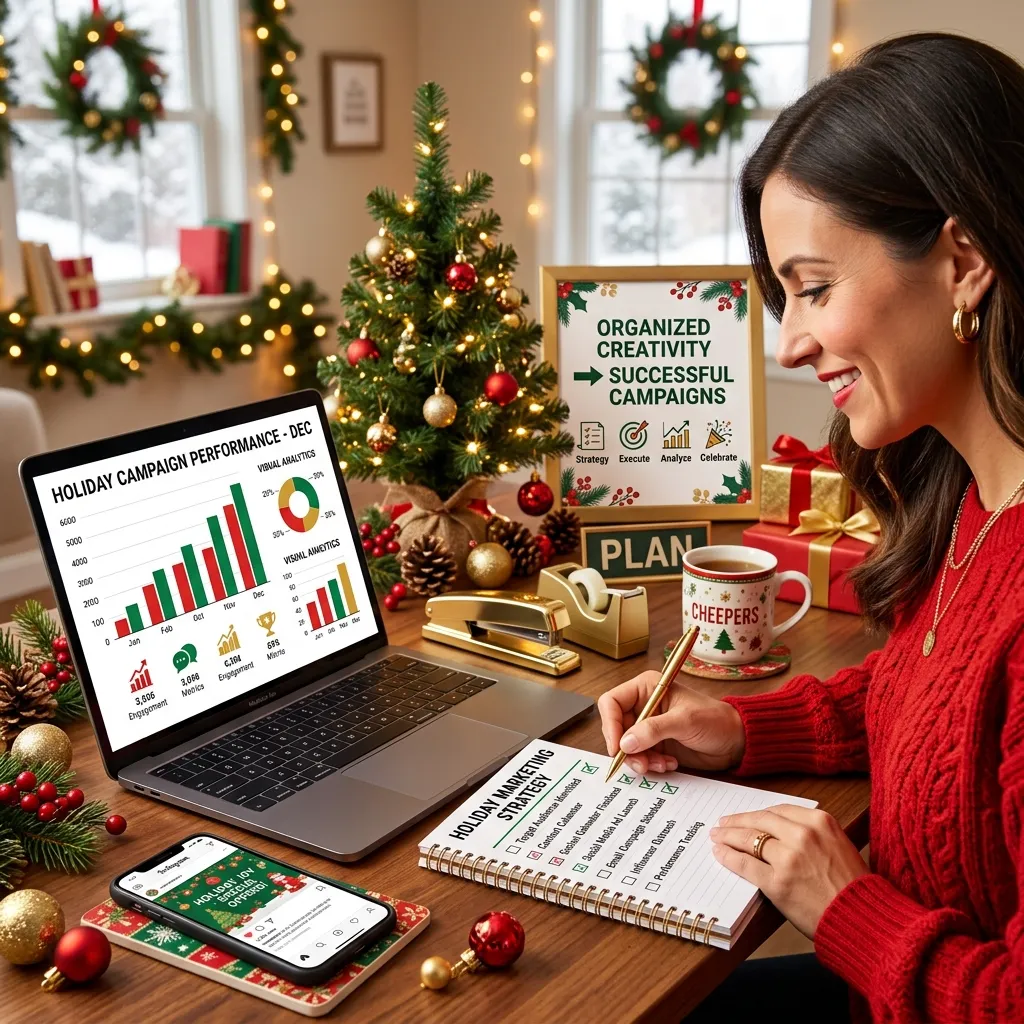

A holiday marketing strategy is your game plan for reaching customers during peak shopping periods. It ties together your goals, your budget, your channels, and your messaging into one clear direction.
Start with a goal. Do you want to clear out old inventory, attract new customers, or boost average order value? Your answer shapes every decision that follows. A brand chasing new customers might lean on referral discounts, while one focused on order value might push bundles and free-shipping thresholds.
Next, set your budget and pick your channels. You should also build a structured content approach using a proper social media marketing plan guide so your messaging stays consistent across platforms.
Finally, build a calendar. Map out your key dates—Black Friday, Cyber Monday, Christmas, Boxing Day—and work backward. The earlier you plan, the more room you have to test, tweak, and recover if something flops.
When should you start planning your holiday campaign?
Start earlier than feels natural. Many successful brands begin holiday planning in late summer or early fall. This gives you time to design creative assets, write copy, build email flows, and warm up your audience before the rush.
Early planning also helps you secure ad inventory before costs spike. Ad prices climb sharply as the season heats up, so locking in your strategy ahead of competitors can stretch your budget further.
Seasonal marketing campaign ideas to inspire your next push
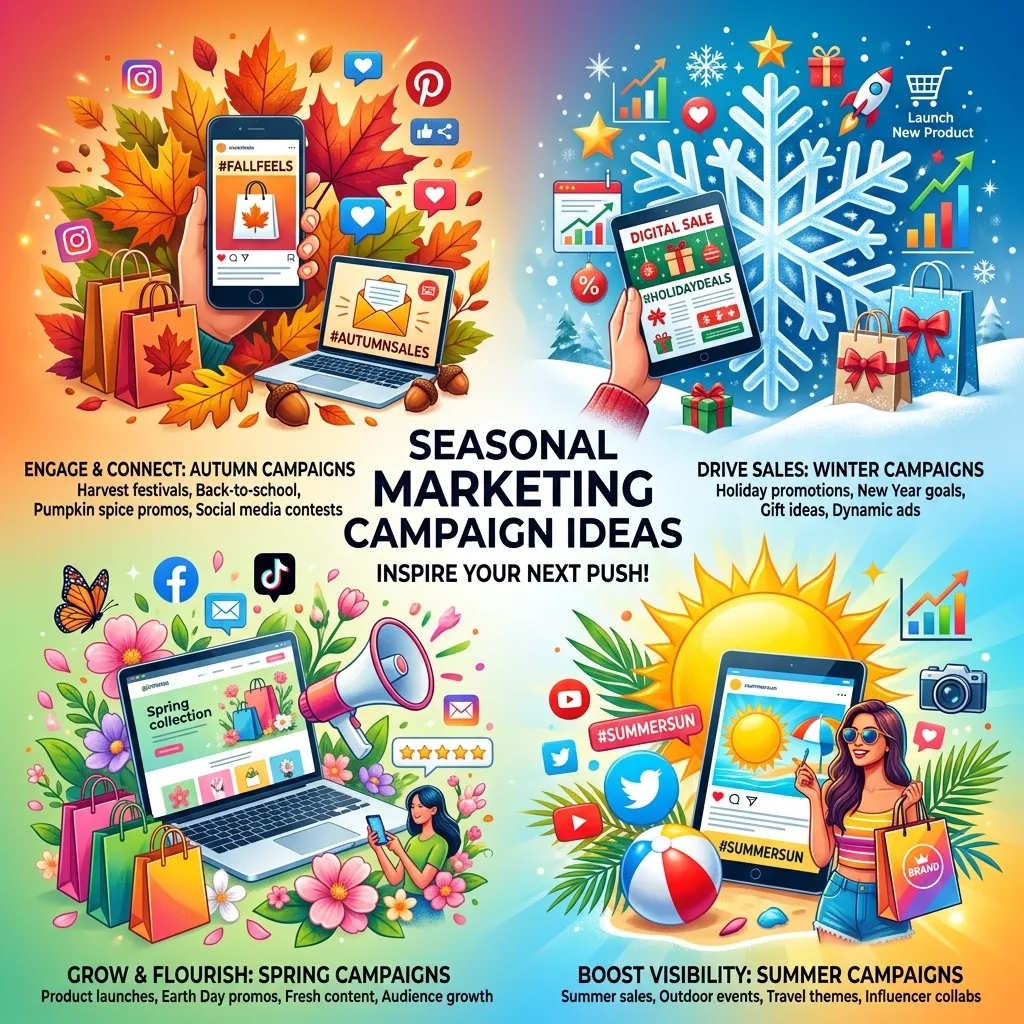
Fresh ideas keep your campaigns from blending into the noise. Here are several approaches that tend to perform well during the festive season:
- Gift guides: Curate product collections by recipient, price, or interest. “Gifts under $50” or “For the home chef” makes shopping easier and positions your brand as helpful.
- Countdown campaigns: Build urgency with daily deals or a 12-days-of-deals series. Each day reveals a new offer, giving customers a reason to keep coming back.
- User-generated content: Encourage customers to share photos of your products in festive settings. Repost the best ones to build social proof and community.
- Charitable tie-ins: Pledge to donate a portion of holiday sales to a cause. Shoppers feel good about purchases that give back, especially during the giving season.
- Early-access perks: Reward loyal customers or subscribers with first dibs on holiday deals. Exclusivity drives both sign-ups and sales.
The strongest seasonal campaigns mix emotion with action. Tell a story that resonates, then give people a clear next step.
How do you run an effective Christmas marketing campaign?
Christmas is the centerpiece of the holiday calendar, and it deserves its own focused effort. The key is to balance festive warmth with practical shopping help.
Lean into storytelling. Christmas evokes nostalgia, generosity, and togetherness—emotions that make people want to buy and share. A heartfelt video or a series of behind-the-scenes posts can build a connection that pure discounts can’t.
At the same time, make buying easy. Highlight shipping deadlines so customers know when to order to receive gifts in time. Offer gift wrapping, digital gift cards, and easy returns to remove friction for stressed shoppers.
Don’t forget the post-Christmas window. Many shoppers have gift cards to spend and are hunting for deals on December 26 and beyond. A “treat yourself” campaign can capture sales that competitors overlook.
How to build holiday email marketing campaigns that get opened
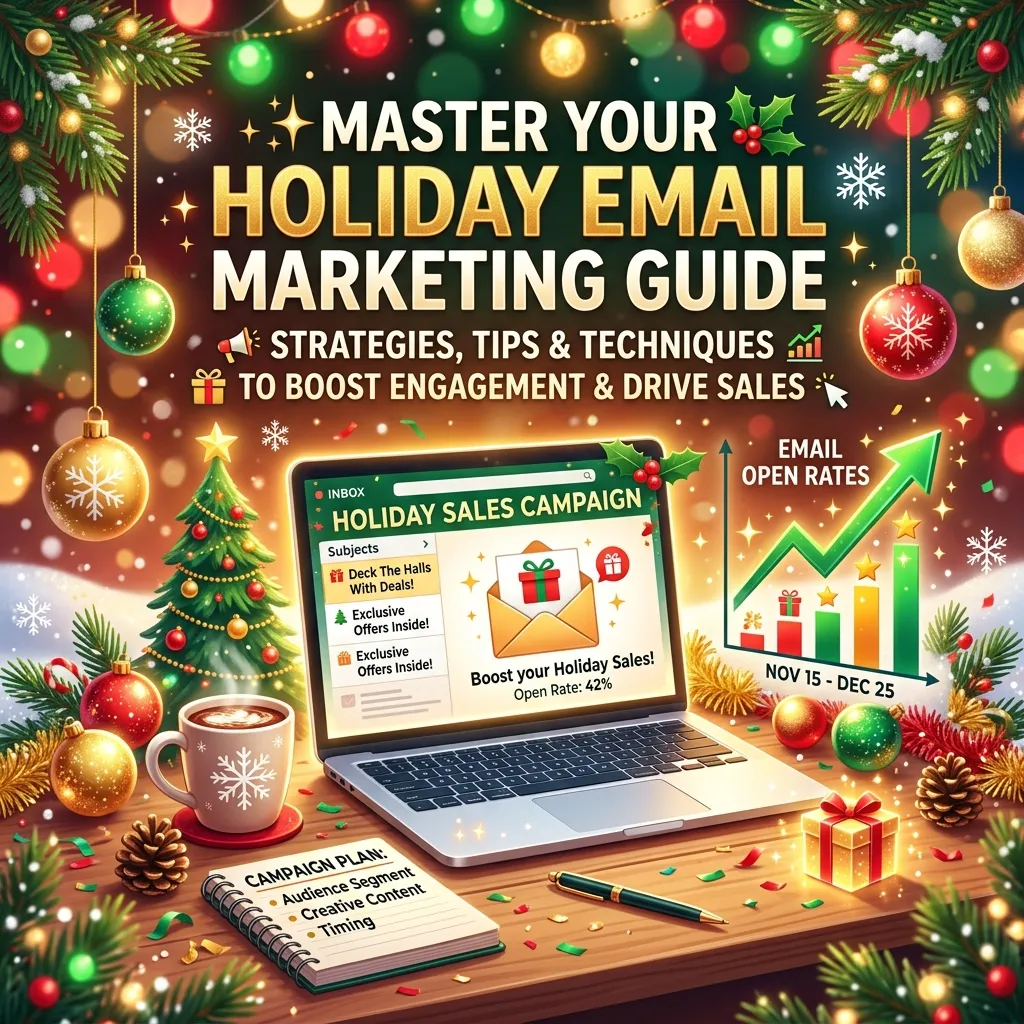
Email remains one of the highest-return channels during the holidays. It’s direct, personal, and lets you reach customers who already know your brand.
Segment your list first. A new subscriber needs a different message than a repeat buyer. Group customers by purchase history, location, or engagement level, then tailor your offers to each group.
Your subject lines do the heavy lifting. Keep them short, spark curiosity, and use the recipient’s name when it fits. Lines like “Your holiday wish list is waiting” or “Last chance: free shipping ends tonight” tend to drive opens.
Plan a sequence rather than a single blast. A typical holiday flow might look like this:
- Early teaser: Announce upcoming deals and build anticipation.
- Launch email: Reveal your main offer with a clear call to action.
- Reminder: Nudge those who haven’t acted yet.
- Last chance: Create urgency as the offer winds down.
- Post-holiday: Thank customers and promote any extended deals.
Test your send times and subject lines along the way. Small tweaks can lead to meaningful gains when you’re emailing thousands of people.
Festive season advertising strategies that pay off
Paid advertising amplifies your reach when organic channels hit their limits. The trick is to spend smart, since ad costs rise steeply during the holidays.
Retargeting deserves a top spot in your plan. Shoppers who visited your site but didn’t buy are warm leads. Showing them a timely holiday offer can pull them back to complete the purchase.
Lookalike audiences help you find new customers who resemble your best buyers. Platforms like Meta and Google let you build these audiences from your existing customer data, stretching your reach without wasting spend.
Refresh your creative often. Holiday shoppers see the same ads repeatedly, and stale visuals lose their punch. Rotate in new images, offers, and messages to keep your campaigns fresh and your costs in check.
Holiday promotion ideas for businesses of any size
Promotions are the engine of holiday sales, but discounts aren’t your only option. Here are ideas that work for businesses large and small:
- Tiered discounts: Spend more, save more. “Save 10% on $50, 20% on $100” nudges customers toward bigger carts.
- Free gift with purchase: A small bonus item can tip a hesitant shopper into buying.
- Bundles: Package complementary products at a slight discount to raise order value and clear inventory.
- Loyalty rewards: Offer double points or exclusive perks to repeat customers during the season.
- Flash sales: Short, surprise discounts create urgency and reward your most engaged followers.
Match your promotion to your goal. If you want bigger orders, lean on tiers and bundles. If you want new customers, free gifts and flash sales tend to draw them in.
Tiered discounts, bundles, and flash sales all work well. However, referral-driven growth is becoming increasingly powerful, especially through holiday promotions that go viral with referral marketing tricks, which encourages customers to share deals organically.
How do seasonal digital marketing campaigns tie everything together?
A seasonal digital marketing campaign works best when every channel sings the same tune. Your email, social media, website, and ads should share consistent messaging, visuals, and offers.
Start with a central theme. Whether it’s “Cozy Comforts” or “The Gift of Giving,” a unifying idea ties your channels together and makes your brand more memorable. Carry that theme through your imagery, copy, and promotions.
Coordinate your timing too. When your email announces a sale, your social posts and ads should reinforce it the same day. This consistency builds trust and keeps your message from getting lost.
Track performance across channels so you can shift budget toward what’s working. If your email is outperforming paid ads, move resources accordingly and double down on your strongest plays.
How to approach holiday sales campaign planning
Solid planning separates smooth campaigns from chaotic ones. Treat your holiday push like a project with clear steps and owners.
Begin with a master calendar that maps every email, post, ad, and promotion against key dates. This view helps you spot gaps and avoid overlapping messages that overwhelm customers.
Prepare your assets in advance. Write copy, design graphics, and build email flows before the season starts. When the rush hits, you’ll be executing rather than scrambling.
Finally, plan for the unexpected. Stock can run low, ads can underperform, and sites can crash under traffic. Build in buffer room and have backup offers ready so a hiccup doesn’t derail your whole season.
Connecting Black Friday and holiday marketing
Black Friday kicks off the holiday shopping season, and it sets the tone for everything that follows. Treating it as part of one continuous campaign—rather than a standalone event—keeps your momentum going.
Use Black Friday and Cyber Monday to capture new customers with your strongest offers. Then nurture those buyers through the rest of the season with follow-up emails, loyalty perks, and Christmas promotions. A first-time Black Friday shopper can become a repeat customer if you keep the relationship warm.
Be mindful of fatigue. By the time Black Friday arrives, inboxes are overflowing. Stand out with a clear, compelling offer and creative that cuts through the clutter rather than adding to it.
Festive social media marketing campaigns that build community
Social media is where holiday spirit comes alive. It’s visual, shareable, and perfect for building the kind of buzz that drives sales.
Plan a content mix that goes beyond promotion. Share festive tips, behind-the-scenes moments, customer stories, and interactive posts like polls or giveaways. This variety keeps your feed engaging and your audience coming back.
Giveaways work especially well during the holidays. A simple “tag a friend to win” contest expands your reach and adds new followers to your community. Pair it with a branded hashtag to track entries and build social proof.
Short-form video tends to outperform other formats. Quick gift ideas, product demos, and festive how-tos grab attention as people scroll. Keep them snappy, fun, and on-brand.
Turning your holiday plan into results
Holiday marketing rewards the brands that prepare. Start early, build a clear strategy, and connect your email, social, advertising, and promotions around one strong theme. Each channel should support the others, pulling customers smoothly from discovery to purchase.
If you want to go deeper into execution, studying what is branding and marketing can help connect your seasonal campaigns with long-term brand growth instead of short-term spikes.
Pick two or three ideas from this guide and map them onto your calendar today. Test your messaging, watch your numbers, and adjust as you go. The brands that win the holidays aren’t always the ones with the biggest budgets—they’re the ones with the smartest, best-organized plans.
Frequently asked questions
When is the best time to launch a holiday marketing campaign?
Most brands should begin planning in late summer or early fall and launch their first teasers by late October or early November. This timing lets you warm up your audience before Black Friday and secure ad inventory before prices climb.
How much should a small business spend on holiday marketing?
There’s no fixed amount, but many small businesses allocate a larger share of their annual marketing budget to the holiday quarter since it drives a big portion of yearly sales. Focus your spend on the one or two channels where your audience is most active rather than spreading thin.
What are the most important channels for holiday marketing?
Email and social media offer strong returns for most businesses because they reach people who already know your brand. Paid advertising, especially retargeting, adds reach when you want to attract new customers. The best mix depends on where your audience spends time.
How do I make my holiday campaign stand out from competitors?
Lead with a clear theme and emotional story rather than discounts alone. Pair that with a strong, easy-to-understand offer and consistent visuals across every channel. Fresh creative and early planning also help you rise above the seasonal noise.
Should Black Friday and Christmas campaigns be separate?
They work best as part of one continuous strategy. Use Black Friday to attract new customers with your strongest deals, then nurture those buyers through Christmas with follow-up emails and loyalty perks to turn one-time shoppers into repeat customers.