


From political movements to daily interactions, social media has profoundly reshaped our world. This article explores the complex question: how social media influences society, examining both its positive and negative effects.
This guide provides a deep dive into the multifaceted influence of social media on modern life. We will analyze its impact on communication, mental health, politics, business, and social change. You will gain a clear understanding of the benefits and drawbacks, supported by data, expert insights, and real-world examples.
The Evolution of Connection and Communication
Before the rise of platforms like Facebook, Twitter, and Instagram, human connection was largely dictated by geography. Friendships and communities were built through face-to-face interaction. Social media shattered these physical barriers, creating a globally interconnected network where information and relationships can form in an instant. This fundamental shift is at the core of understanding how social media influences society. It has democratized communication, allowing anyone with an internet connection to have a voice and connect with like-minded individuals across the globe.
From One-to-Many to Many-to-Many
Traditional media operated on a “one-to-many” model (a TV station broadcasting to millions). Social media introduced a “many-to-many” paradigm.
- Decentralized Information: News no longer comes exclusively from established outlets. Citizen journalists can report on events in real-time.
- Community Formation: Niche communities, from vintage car enthusiasts to rare plant collectors, can form and thrive, creating a sense of belonging that was previously difficult to achieve.
- Strengthened Weak Ties: It allows us to maintain “weak ties”—acquaintances and distant friends—more effectively than ever before, expanding our social capital.
This transformation has created unprecedented opportunities for connection but has also introduced significant challenges, which we will explore.
The Economic Impact: Reshaping Business and Marketing
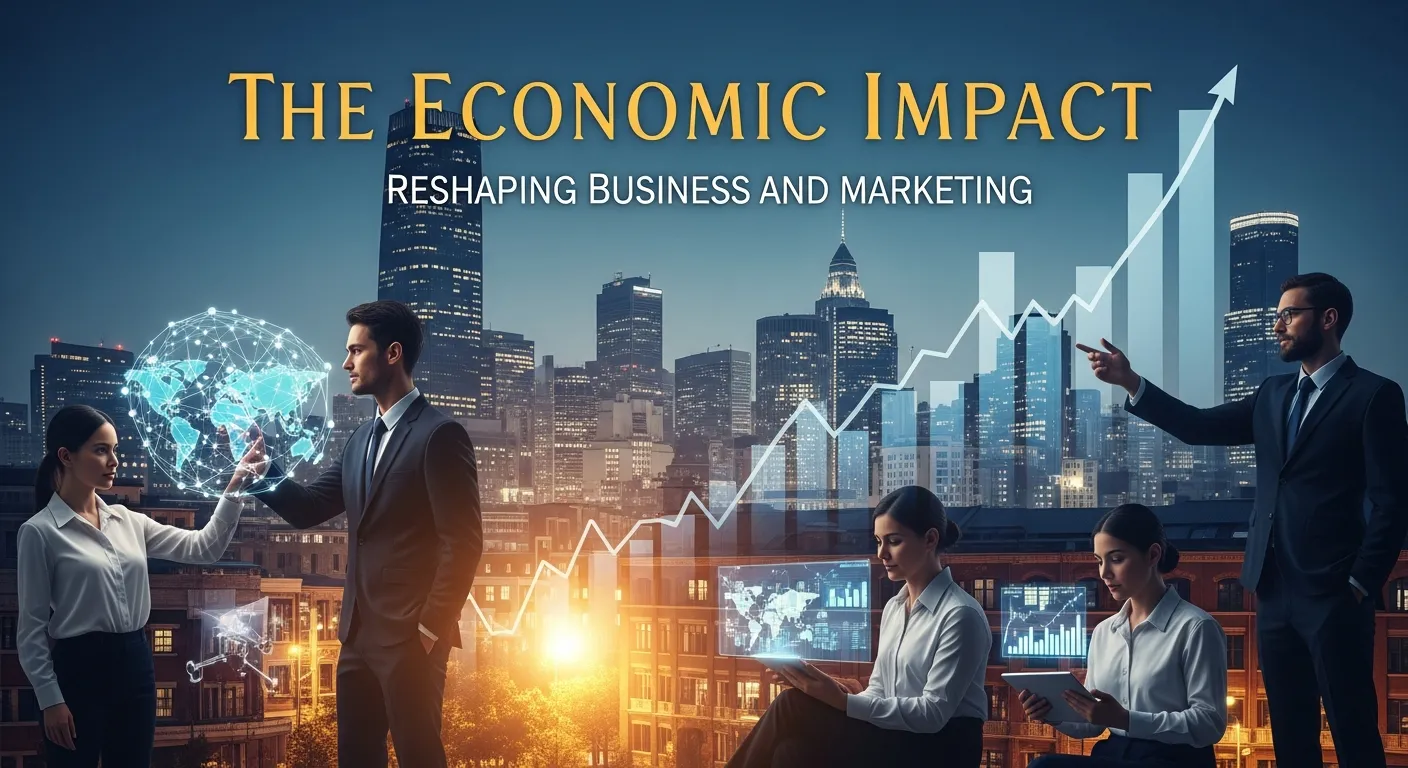

One of the most tangible ways social media influences society is through its economic impact. It has leveled the playing field for businesses and created entirely new industries.
The Rise of the Influencer Economy
The concept of a social media influencer has evolved from a novelty to a cornerstone of modern marketing. These individuals build communities around their personal brand and leverage that trust to promote products.
- Authenticity and Trust: Consumers often trust recommendations from an influencer more than traditional advertising. This has made Influencer Marketing a multi-billion dollar industry.
- Niche Targeting: Brands can partner with micro-influencers who have smaller but highly engaged audiences in specific niches, from vegan cooking to sustainable fashion.
- New Career Paths: It has created viable careers for millions, from content creators to those who want to become a social media manager.
Democratization of Marketing
Small businesses can now compete with large corporations for attention.
- Low-Cost Advertising: A small business with a clever Social Media Management for Small Businesses strategy can reach thousands of potential customers for a fraction of the cost of a TV or print ad.
- Direct Customer Engagement: Brands can communicate directly with their customers, receive instant feedback, and build a brand community on social media.
- Increased Brand Awareness: Consistent and valuable content can significantly increase brand awareness through digital marketing, turning small brands into household names.
This shift has forced all companies to rethink their approach. Understanding What is Branding and Marketing in the digital age now requires a deep understanding of social media dynamics.
The Political Landscape: A Double-Edged Sword
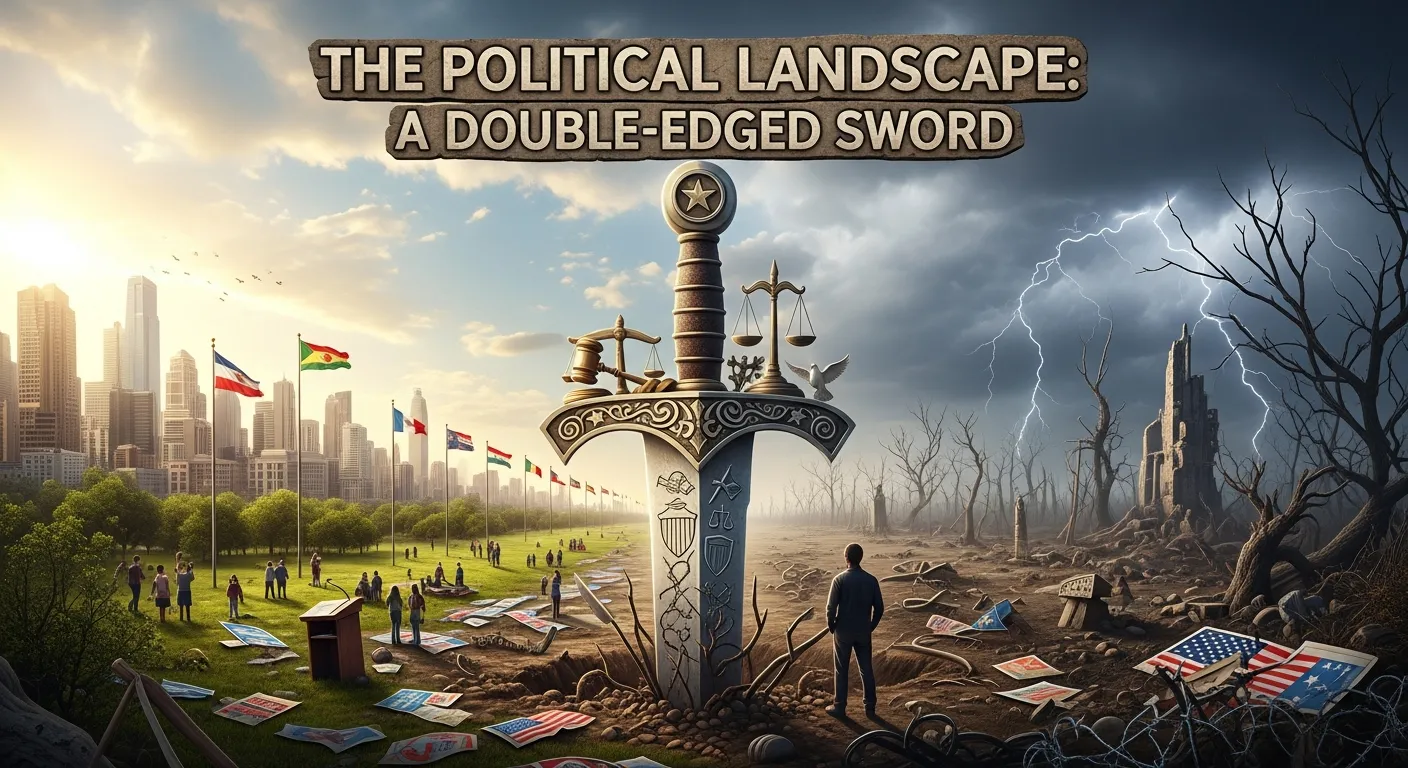
Social media’s role in politics is one of the most debated aspects of its influence. It has been a catalyst for democratic movements and a tool for spreading misinformation in equal measure.
A Tool for Social and Political Mobilization
Social media platforms have been instrumental in organizing protests and social movements.
- The Arab Spring: Platforms like Twitter and Facebook were used to coordinate protests and disseminate information in the face of state censorship.
- #BlackLivesMatter: A hashtag grew into a global movement, raising awareness about racial injustice and police brutality.
- #MeToo: Gave a voice to survivors of sexual harassment and assault, leading to a worldwide reckoning.
The Spread of Misinformation and Polarization
The same features that enable mobilization also facilitate the rapid spread of “fake news” and propaganda.
- Echo Chambers: Algorithms are designed to show users content they are likely to engage with. This can create “echo chambers” where individuals are only exposed to information that confirms their existing beliefs.
- Filter Bubbles: This is the personalized universe of information that is curated for each user by algorithms, isolating them from differing viewpoints.
- Disinformation Campaigns: State-sponsored actors and malicious groups can use social media to sow discord, influence elections, and erode trust in democratic institutions.
This has made Brand Safety in Digital Marketing and media literacy more important than ever. Companies and individuals must be vigilant about the content they share and engage with.
How Social Media Influences Society: The Psychological Impact
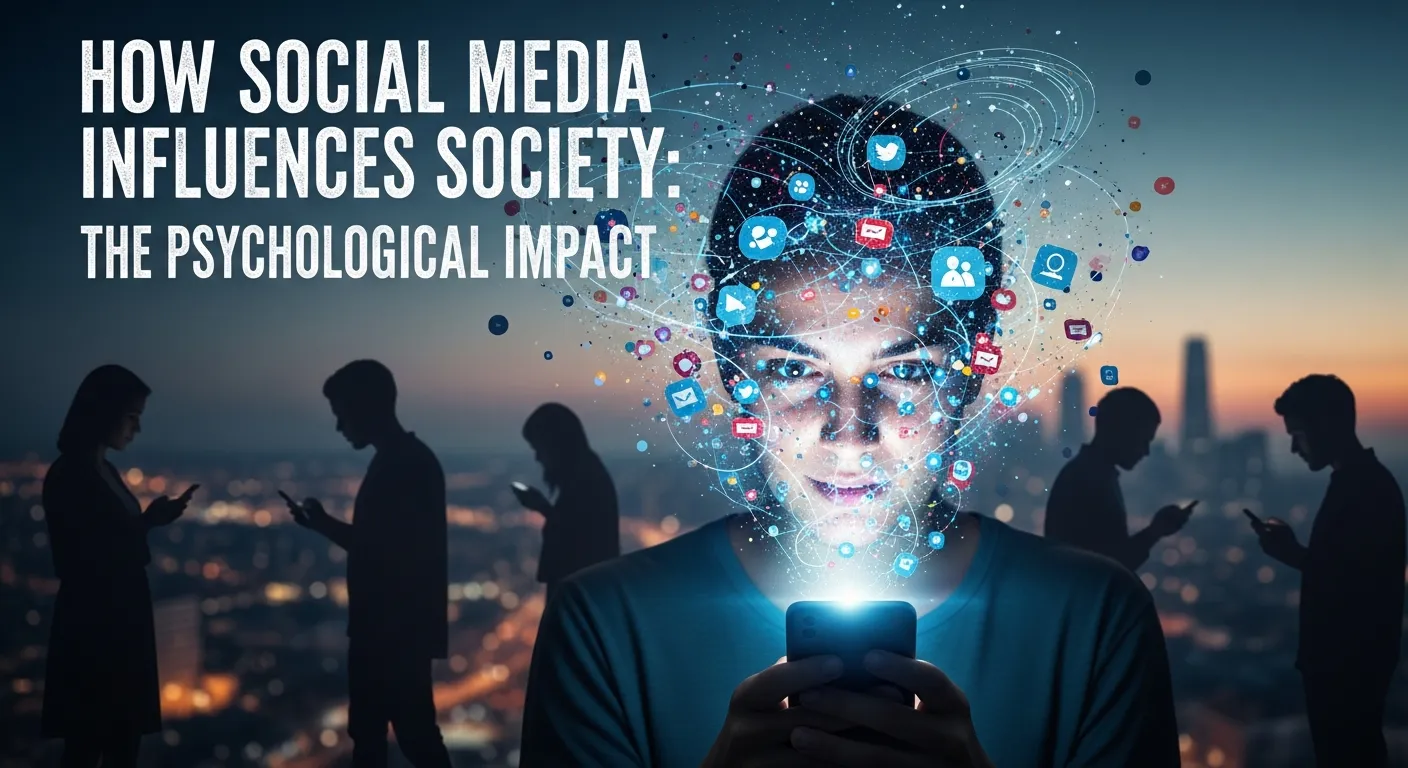
Perhaps the most personal and profound influence of social media is on our mental and emotional well-being. The constant connectivity and curated realities presented on these platforms have significant psychological consequences.
The Comparison Culture
Social media feeds are often highlight reels of people’s lives, showcasing perfect vacations, successful careers, and flawless appearances.
- Social Comparison Theory: This psychological theory states that we determine our own social and personal worth based on how we stack up against others. Social media puts this tendency on overdrive.
- Anxiety and Depression: Studies have linked high usage of social media to increased feelings of anxiety, depression, and low self-esteem, particularly among adolescents.
- Fear of Missing Out (FOMO): The constant stream of what others are doing can lead to a pervasive feeling that you are being left out or that your own life is inadequate. This is a powerful form of Marketing FOMO.
The Dopamine Loop
The “like,” “share,” and “comment” functions are designed to be addictive.
- Intermittent Variable Rewards: This is a concept from behavioral psychology, famously used in slot machines. The unpredictable nature of receiving a notification (a “reward”) keeps users coming back for more.
- Dopamine Hit: Each notification provides a small hit of dopamine, a neurotransmitter associated with pleasure and reward.
- Impact on Attention Spans: The constant switching between apps and the flood of short-form content (like TikToks and Reels) may be reducing our ability to focus on deep, sustained tasks.
The Influence on Social Norms and Culture
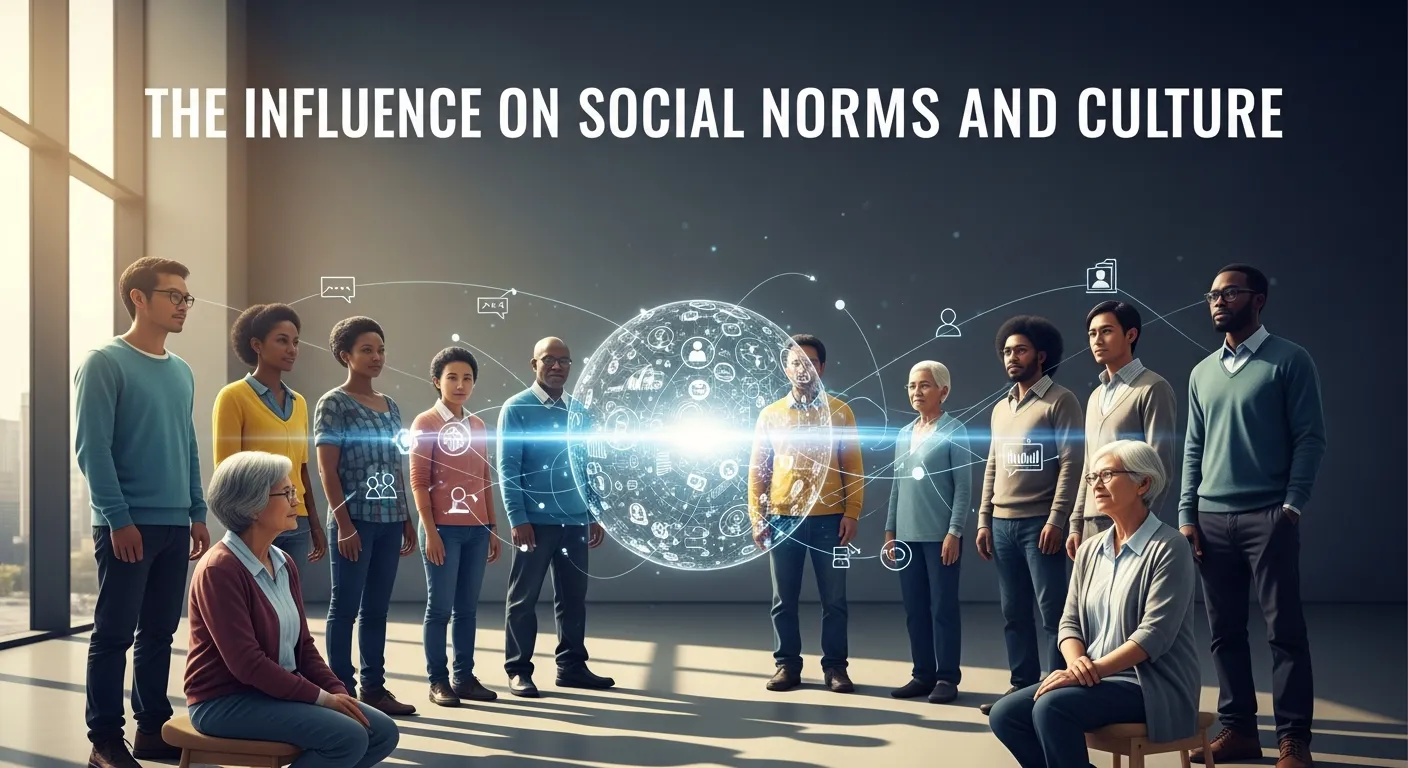
Social media has become a primary driver of cultural trends, from fashion and language to social etiquette.
The Virality Phenomenon
Social Media Viral Trends can emerge overnight, influencing everything from what people wear to the music they listen to.
- Memes as Cultural Shorthand: Memes are a new form of communication, conveying complex ideas and emotions through a shared, evolving cultural context.
- Accelerated Trend Cycles: Fashion and beauty trends that once took years to disseminate now spread globally in weeks, driven by platforms like TikTok and Instagram.
- Language Evolution: Slang and new phrases born on social media quickly enter the mainstream vernacular.
The Rise of “Cancel Culture”
Social media has empowered the public to hold individuals and brands accountable for their actions.
- Accountability: It can be a powerful tool for social justice, calling out racism, sexism, and other harmful behaviors.
- Public Shaming: However, it can also lead to disproportionate public shaming, where a person’s life and career can be destroyed over a single mistake or out-of-context comment.
- Brand Risk: This has led to the need for careful Brand Crisis Management in the Social Media Era, as a single misstep can go viral and cause immense reputational damage.
Pro Tips for Navigating the Social Media Landscape
- Practice Digital Mindfulness: Be conscious of how much time you spend on social media and how it makes you feel. Use app timers and schedule “digital detox” periods.
- Curate Your Feed Intentionally: Unfollow accounts that make you feel bad about yourself. Follow creators who inspire, educate, or entertain you in a positive way.
- Verify Information Before Sharing: Be a responsible digital citizen. Use fact-checking websites to verify the accuracy of news before you share it, helping to stop the spread of misinformation.
- For Brands: Focus on Authenticity: Consumers crave genuine connection. Avoid overly corporate jargon and focus on Mastering Brand Storytelling. Show the human side of your business.
Common Mistakes and Misconceptions
- Thinking It’s “Just for Kids”: Demographics on platforms like Facebook are skewing older. Social media is a cross-generational phenomenon.
- Believing More Followers Equals More Influence: Follower counts can be bought. Engagement rate (likes, comments, shares relative to follower count) is a much better metric of true influence.
- Treating All Platforms the Same: A strategy that works on LinkedIn will likely fail on TikTok. Each platform has its own unique culture, user base, and content format. A good How to Make a Social Media Marketing Plan accounts for these differences.
- Ignoring the Negative Impact: Both individuals and brands must acknowledge the potential for harm. The question of Should Kids Be Social Media Influencers, for example, is a serious ethical debate.
Conclusion
So, how social media influences society? The answer is complex and multifaceted. It is a powerful engine of connection, economic opportunity, and social change. It has democratized information and given a voice to the voiceless. At the same time, it presents significant challenges to our mental health, social cohesion, and democratic processes.
Understanding this dual nature is the key to harnessing its benefits while mitigating its risks. As we move forward, the challenge for society is not to reject these tools, but to learn how to use them more wisely, ethically, and mindfully.
FAQs: The Influence of Social Media
1. What are the main positive influences of social media on society?
The main positive influences include enhanced global connectivity, the ability to form communities around shared interests, a powerful tool for social and political mobilization, and the democratization of information and marketing, which provides opportunities for small businesses and creators.
2. What are the most significant negative influences of social media?
The most significant negative impacts include increased rates of anxiety and depression linked to social comparison, the spread of misinformation and disinformation, political polarization due to echo chambers, the risk of addiction, and concerns over data privacy.
3. How does social media affect the economy?
Social media has created new industries like the influencer economy and has drastically lowered the barrier to entry for marketing. It allows for direct-to-consumer relationships and provides invaluable data for businesses, which can lead to better product development and Building a Product Marketing Strategy for a New Market Entry.
4. Can social media really influence political elections?
Yes. Through targeted advertising, the spread of (mis)information, and the organization of grassroots movements, social media can significantly influence public opinion and voter turnout. Its role in recent elections worldwide has been a subject of intense study and debate.
5. How has social media changed communication?
It has shifted communication from being primarily local and synchronous (face-to-face) to being global and often asynchronous (texting, commenting). It has also introduced new forms of communication, such as memes and emojis, and has blurred the lines between public and private conversation.
6. What is an “echo chamber” and why is it dangerous?
An echo chamber is an environment where a person only encounters information or opinions that reflect and reinforce their own. They are dangerous because they can lead to extreme polarization, reduce understanding of opposing viewpoints, and make individuals more susceptible to misinformation that confirms their biases.
7. How can users protect their mental health while using social media?
Users can protect their mental health by curating their feeds to be positive, limiting their daily usage time, taking regular breaks (“digital detoxes”), remembering that most posts are highlight reels, and focusing on using social media for active connection (messaging a friend) rather than passive scrolling.
8. What is the role of algorithms in how social media influences society?
Algorithms are the gatekeepers of information. They decide what you see based on your past behavior, with the goal of maximizing your engagement. This influences society by shaping trends, determining the visibility of news, and contributing to the formation of filter bubbles and echo chambers.
9. How does social media influence consumer behavior?
It influences consumer behavior through influencer recommendations, targeted advertising, social proof (seeing others use a product), and creating trends. Why Social Media Is Good for brands is its ability to create desire and urgency, shortening the path from discovery to purchase.
10. What does the future of social media’s influence look like?
The future may involve more immersive experiences (like the metaverse), greater integration of AI for content creation and curation, and a stronger push for decentralization (moving away from a few dominant platforms). There will also likely be increased regulatory scrutiny regarding data privacy, competition, and the spread of harmful content.