Want to make your brand unforgettable? Learning how to increase brand awareness through digital marketing is the key to staying top-of-mind. This guide reveals the strategies you need to dominate your market.
This comprehensive guide covers proven methods to boost your brand’s visibility online. We explore social media tactics, content strategies, SEO optimization, and influencer partnerships. You will walk away with actionable steps to build a recognizable identity, engage your target audience, and drive long-term growth using digital channels.
Why Brand Awareness Matters in the Digital Age
Before diving into tactics, we must understand the “why.” Brand awareness isn’t just about vanity metrics or getting likes; it is the foundation of your sales funnel. When consumers are familiar with your brand, they are more likely to trust you, choose you over competitors, and recommend you to others.
In a crowded digital landscape, brand awareness through digital marketing serves as your differentiator. It shifts the conversation from “Who are you?” to “I love your content!” This shift reduces customer acquisition costs and increases lifetime value.
The Psychology of Familiarity
The “Mere Exposure Effect” suggests that people tend to develop a preference for things merely because they are familiar with them. By consistently showing up where your audience hangs out online, you build this familiarity. Whether it’s through a Social Media Management for Small Businesses plan or targeted ads, visibility builds trust.
Core Strategies to Boost Brand Awareness

To effectively drive brand awareness through digital marketing, you need a multi-channel approach. Relying on a single platform is risky. Here are the core pillars of a successful strategy.
1. Content Marketing: The King of Visibility
Content is the vehicle that carries your brand message. But it’s not just about blogging; it’s about solving problems.
- Educational Blog Posts: Write articles that answer specific questions. For example, if you are in the food industry, a post titled “What Is New Seasons Market?” could attract local searchers.
- Video Content: diverse formats like tutorials or behind-the-scenes clips work wonders. You might create a guide on How to Do Digital Marketing on YouTube to help others while showcasing your expertise.
- Infographics: Visual data is highly shareable and builds backlinks, which improves SEO.
Pro Tip: Consistency is crucial. A sporadic posting schedule confuses algorithms and audiences alike.
2. Social Media Mastery
Social media is the most direct line to your audience. However, you must choose the right platforms. LinkedIn is great for B2B, while Instagram and TikTok rule for B2C.
- Engagement is Key: Don’t just post; interact. Reply to comments, run polls, and ask questions.
- Leverage Trends: utilizing Seasonal Hashtag Strategies can put your content in front of people actively searching for specific topics.
- Influencer Collaboration: Partnering with key figures can skyrocket visibility. If you aren’t sure where to start, read up on How to Find Influencers on Social Media.
3. Search Engine Optimization (SEO)
You cannot build awareness if no one can find you. SEO ensures your brand appears when potential customers search for relevant solutions.
- Keyword Research: Use tools like Ahrefs or SEMrush to find high-volume, low-competition keywords.
- On-Page SEO: Optimize your headers, meta descriptions, and images.
- Local SEO: For physical businesses, appearing in local packs is vital. Articles like “Discover the Four Seasons Local Market” help signal local relevance.
Advanced Tactics for Maximum Impact

Once you have the basics down, it’s time to level up. These advanced tactics focus on deepening the connection with your audience.
The Power of Storytelling
People remember stories 22 times more than facts alone. Mastering Brand Storytelling allows you to connect emotionally. Share your origin story, customer success stories, or the “why” behind your product.
Example: Instead of saying “We sell coffee,” tell the story of the farmers you source from. This aligns with Ethical Branding and attracts conscious consumers.
Influencer Marketing 2.0
It’s not just about celebrities anymore. Micro-influencers often have higher engagement rates.
- Niche Authority: A micro-influencer in the vegan cooking niche has a dedicated following that trusts their word implicitly.
- Authenticity: Audiences crave real recommendations. Using Influencer Marketing for Product Launches with authentic creators can drive massive initial awareness.
- Long-term Partnerships: Move beyond one-off posts. Brand ambassadorships build deeper associations over time.
Podcasting and Guest Features
Audio content is booming. Starting a podcast or appearing as a guest on established shows exposes you to new, engaged audiences.
- Guest Blogging: Writing for high-authority sites (like Backlinko or industry journals) positions you as a thought leader.
- Webinars: Hosting educational sessions, perhaps on How to Create a Brand Strategy Road Map, establishes authority and captures leads.
Leveraging Paid Advertising (PPC)
Organic growth is essential, but paid ads accelerate the process. Brand awareness through digital marketing often requires a “pay-to-play” component to break through the noise initially.
Google Display Network
Display ads keep your brand visible across thousands of websites. Even if users don’t click immediately, the visual impression counts.
Social Media Ads
Facebook and Instagram allow for hyper-targeting. You can target users based on interests, behaviors, and demographics.
- Retargeting: Show ads to people who have visited your site but didn’t convert. This reinforces Brand Recall.
- Lookalike Audiences: Target new users who share characteristics with your best customers.
Measuring Your Success
How do you know if your efforts to increase brand awareness through digital marketing are working? You need to track the right metrics.
|
Metric |
Tool |
Why It Matters |
|---|---|---|
|
Direct Traffic |
Google Analytics |
Shows how many people type your URL directly (they know you!). |
|
Social Mentions |
Sprout Social / Hootsuite |
Tracks how often people talk about your brand. |
|
Search Volume |
Google Search Console |
Indicates how many people search for your brand name specifically. |
|
Share of Voice |
SEMrush |
Compares your brand visibility against competitors. |
|
Backlinks |
Ahrefs |
Measures how many other sites reference your content. |
Common Mistakes to Avoid
Even seasoned marketers make errors. Avoid these pitfalls to ensure your strategy remains effective.
- Inconsistent Branding: Using different logos, colors, or tones across platforms confuses the audience. Ensure you have a clear Brand Voice Strategy.
- Ignoring Data: Making decisions based on “gut feeling” rather than analytics leads to wasted budget.
- Buying Followers: This destroys your engagement rate and credibility. Focus on organic growth or legitimate paid acquisition.
- Neglecting Mobile: Most consumption happens on phones. If your site isn’t mobile-friendly, you lose traffic instantly.
- Over-Selling: Social media is for being social, not just selling. Follow the 80/20 rule: 80% value, 20% promotion.
Pro Tips for 2026 and Beyond
- Embrace Video Shorts: Platforms like TikTok, YouTube Shorts, and Instagram Reels are prioritizing short-form video.
- Voice Search Optimization: As smart speakers grow, optimize for conversational queries. Read up on the Rise of Voice Branding to stay ahead.
- Interactive Content: Quizzes, polls, and interactive infographics keep users on your page longer, signaling value to search engines.
- Community Building: Don’t just build an audience; build a community. Facebook Groups or Discord servers can foster intense loyalty. How to Build a Brand Community on Social Media is a critical skill for the future.
The Role of Branding in Marketing
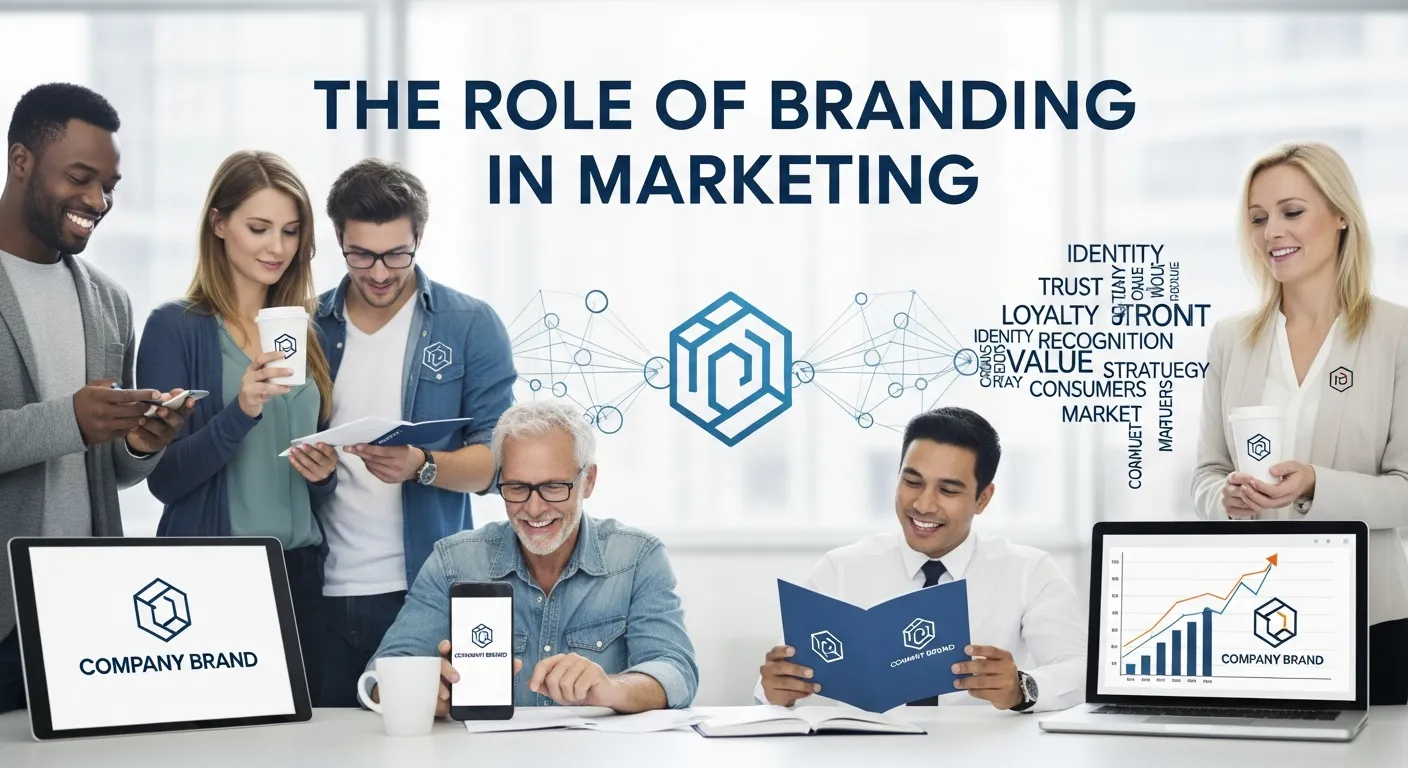
Many people confuse branding with marketing.
- Marketing is the push (actions you take to connect).
- Branding is the pull (who you are and why people care).
Your Brand Personality In Marketing dictates how your marketing messages are received. If your brand is serious and corporate, a meme-based marketing strategy might fail. Conversely, if your brand is fun and youthful, stiff corporate language will alienate your audience.
Understanding What Is Brand Positioning Statement ensures that your marketing efforts align with your core identity. This consistency amplifies awareness because the message is clear and repeated.
Conclusion
Building a recognizable brand takes time, consistency, and a strategic approach. By mastering how to increase brand awareness through digital marketing, you position your business for long-term success.
Remember to focus on providing value first. Whether it’s through Social Media Management for Small Businesses, creating educational blogs, or leveraging Influencer Marketing, every touchpoint matters.
Monitor your data using tools like Google Analytics and SEMrush, adjust your strategy based on what works, and never stop engaging with your community.
Ready to take your brand to the next level? Start implementing these strategies today and watch your visibility soar.
FAQs: Increasing Brand Awareness
1. How long does it take to increase brand awareness through digital marketing?
There is no fixed timeline, but typically, you can expect to see significant results within 6 to 12 months of consistent effort. It depends on your budget, industry competition, and the effectiveness of your content strategy. Consistency is the most critical factor.
2. Is social media the best channel for brand awareness?
Social media is one of the most effective channels because of its viral potential and direct engagement capabilities. However, a holistic approach that includes SEO, content marketing, and email marketing usually yields the best results. Relying solely on social media makes you vulnerable to algorithm changes.
3. How does content marketing improve brand awareness?
Content marketing builds awareness by providing value to your audience. When you answer their questions or solve their problems via blogs or videos, you establish trust. High-quality content is also shared more often, expanding your reach organically.
4. Can small businesses compete with big brands in digital marketing?
Absolutely. Small businesses can leverage agility and authenticity. By focusing on niche markets, local SEO, and community building, small brands can dominate specific segments where big brands are too broad to compete effectively.
5. What is the difference between brand awareness and brand recognition?
Brand recognition is the ability of a consumer to identify your brand by its visual attributes (logo, colors) when they see it. Brand awareness is broader; it encompasses how well consumers know your brand’s existence, values, and products, and whether you are top-of-mind when they need a solution.
6. Why is consistency important in branding?
Consistency builds trust and memory. If your logo, tone, or message changes constantly, consumers cannot form a solid mental image of who you are. Consistent presentation across all platforms can increase revenue by up to 23%.
7. How do I measure brand awareness if it doesn’t always lead to direct sales?
You measure it through “soft metrics” like social shares, website traffic, search volume for your brand name, and engagement rates. Surveys and “share of voice” analysis are also excellent ways to gauge how well-known your brand is becoming.
8. What is the role of influencers in brand awareness?
Influencers act as trusted intermediaries. When an influencer recommends your product, their audience transfers that trust to you. It is a fast way to reach a large, targeted demographic that might be ignoring traditional ads.
9. Should I buy ads to build brand awareness?
Yes, paid ads are excellent for kickstarting awareness. Platforms like Facebook and Google allow you to target very specific demographics. While organic growth is sustainable, paid ads provide the immediate visibility needed to get the ball rolling.
10. How often should I post content to build awareness?
Quality beats quantity, but frequency matters. For social media, 3-5 times a week is a good baseline. For blogs, 2-4 high-quality articles per month can help with SEO. The key is to maintain a schedule you can sustain long-term without burning out.