


Is your business ready for the busiest time of the year? Mastering holiday and festival marketing is crucial for driving revenue, engaging customers, and building long-term brand loyalty in a crowded marketplace.
This comprehensive guide outlines the essential steps to execute a successful seasonal campaign. We cover everything from early planning and audience segmentation to creative execution and post-campaign analysis. You will learn actionable strategies to stand out, avoid common pitfalls, and maximize your ROI during peak shopping periods.
The Power of Seasonal Momentum
The end-of-year rush isn’t just about a spike in sales; it’s a critical period that can define your annual performance. Holiday and festival marketing taps into the emotional and psychological state of consumers who are ready to spend. According to the National Retail Federation, holiday sales can account for up to 30% of a retailer’s annual sales.
Understanding What is Seasonality in Marketing is the first step. It is not just about Christmas or Black Friday; it encompasses everything from Diwali and Eid to Valentine’s Day and localized festivals. Brands that align their messaging with these cultural moments create deeper connections.
Why Preparation is Non-Negotiable
Waiting until November to plan your December campaign is a recipe for failure. Successful brands start months in advance.
- Inventory Management: Ensuring you have enough stock to meet demand.
- Creative Assets: developing high-quality visuals and copy takes time.
- Technical Readiness: Your website must handle increased traffic loads.
Phase 1: Strategic Planning and Goal Setting


Before you design a single ad, you need a roadmap. A scattered approach wastes budget and confuses customers.
Define Clear Objectives
What does success look like for you?
- Revenue: “Increase Q4 sales by 25% year-over-year.”
- Acquisition: “Gain 10,000 new email subscribers.”
- Brand Awareness: “Achieve 1 million impressions on social media.”
Use Google Analytics to benchmark against last year’s performance. If you don’t know where you started, you can’t measure where you’re going.
Audience Segmentation
Treating all customers the same is a mistake. Segment your audience based on behavior and preferences.
- VIP Customers: Offer early access to sales or exclusive bundles.
- Lapsed Customers: Re-engage them with “We miss you” offers.
- New Leads: Nurture them with educational content and welcome discounts.
This level of detail allows for Hyper-Personalized Branding, which significantly increases conversion rates.
Phase 2: Crafting Your Campaign Theme
Your campaign needs a cohesive theme that ties everything together. This theme should align with your Brand Voice Strategy while resonating with the festive spirit.
Emotional Connection
Holidays are emotional. Whether it’s the joy of giving, the nostalgia of family gatherings, or the excitement of a new year, your marketing should tap into these feelings. Emotional Branding is powerful because it bypasses logic and speaks directly to desire.
Example: Coca-Cola doesn’t just sell soda; they sell “happiness” and “family connection” during the holidays.
Visual Identity
Update your digital storefront to reflect the season.
- Website: Add festive banners and holiday-themed landing pages.
- Social Media: Update cover photos and profile pictures.
- Email Templates: Use seasonal colors and design elements.
Ensure your visual changes are consistent. Brand Consistency builds trust. If your email looks like Christmas but your landing page looks like summer, you create friction.
Phase 3: Multi-Channel Execution
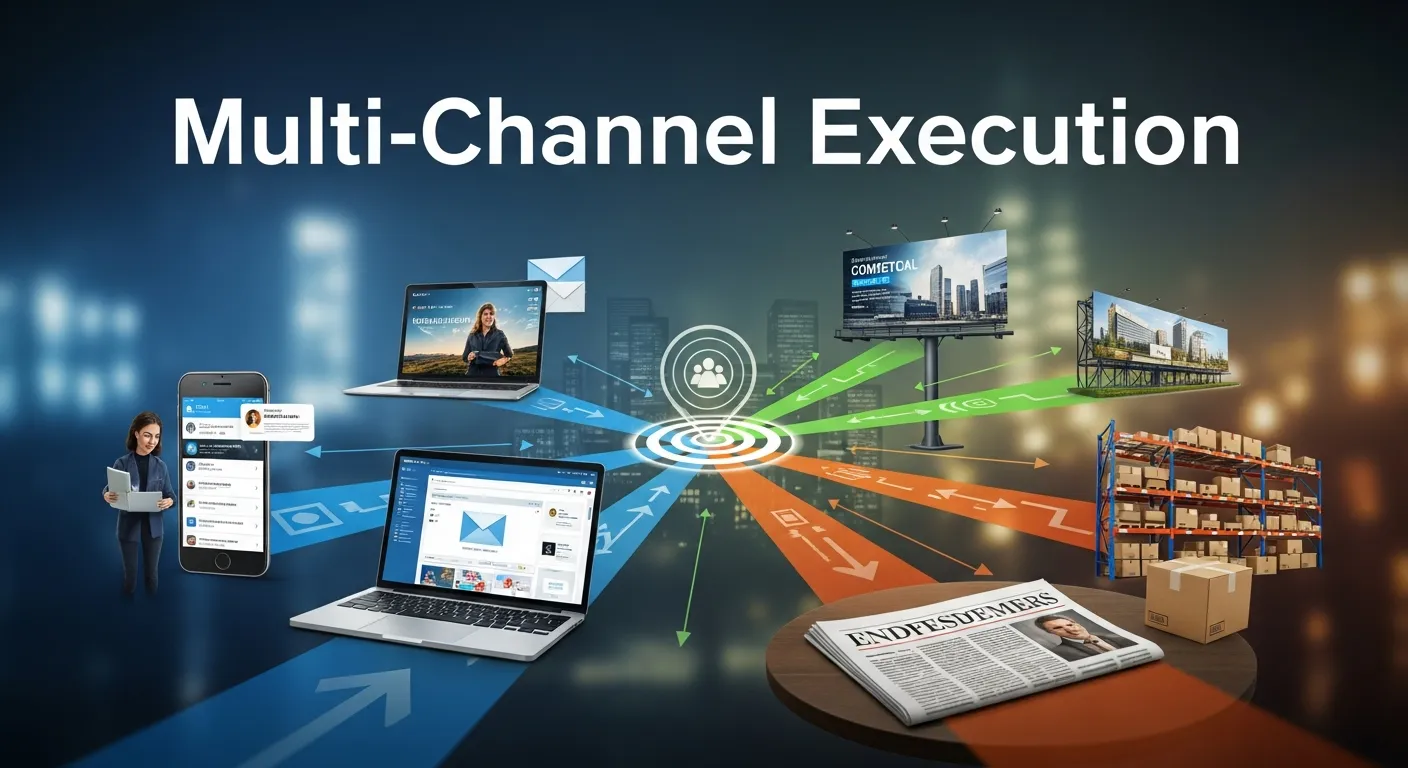
To maximize holiday and festival marketing, you must be everywhere your customers are. An omnichannel approach ensures you capture attention at every touchpoint.
Email Marketing: The Revenue Engine
Email remains one of the highest ROI channels. Plan a sequence that builds anticipation.
- Teaser Email: “Something big is coming…”
- Launch Email: “The sale is live!”
- Reminder Email: “Don’t miss out.”
- Last Chance Email: “Ending in 4 hours.”
Read our Email Marketing Tips for Seasonal Campaign for deep dives on subject lines and segmentation.
Social Media Strategy
Social platforms are where discovery happens.
- Organic Content: Share behind-the-scenes preparation, gift guides, and user-generated content.
- Paid Ads: Use Facebook and Instagram ads to retarget website visitors.
- Influencers: Partner with creators to expand your reach. Influencer Marketing is particularly effective for gift recommendations.
Don’t forget to use Seasonal Hashtag Strategies to increase organic visibility.
Search Engine Optimization (SEO)
Your customers are searching for gifts right now. Ensure they find you.
- Gift Guides: Create blog posts like “Top 10 Gifts for Dad” or “Best Eco-Friendly Holiday Buys.”
- Landing Pages: Optimize pages for terms like “Black Friday Deals” or “Holiday Sale.”
- Local SEO: If you have physical stores, optimize your Google Business Profile. Discover the Four Seasons Local Market keywords relevant to your area.
Use tools like SEMrush or Ahrefs to identify high-volume seasonal keywords.
Comparison: Paid Ads vs. Organic Strategies
|
Feature |
Paid Advertising (PPC) |
Organic Marketing (SEO/Social) |
|---|---|---|
|
Speed |
Immediate results once live. |
Takes time to build momentum. |
|
Cost |
Requires budget; costs rise during holidays. |
“Free” but requires time/labor investment. |
|
Targeting |
Precise demographic and behavioral targeting. |
Relies on algorithms and keywords. |
|
Longevity |
Traffic stops when you stop paying. |
Content can rank and drive traffic for years. |
|
Best For |
Sales activations, retargeting. |
Brand building, trust, long-term growth. |
Pro Tip: The best holiday and festival marketing strategy uses both. Use organic to build trust and paid to close the sale.
Phase 4: The Customer Experience (CX)

Marketing brings them to the door; experience keeps them there. The holiday season is high-stress for shoppers. Make their life easy.
Frictionless Checkout
Test your checkout process on mobile and desktop. Every extra click is a chance for them to abandon the cart. Offer guest checkout options.
Shipping and Returns
Be transparent about shipping deadlines.
- “Order by Dec 18th for Christmas Delivery.”
- Offer a clear, generous return policy. This reduces purchase anxiety.
Customer Support
Expect higher inquiry volumes. Consider using chatbots for basic questions or extending support hours. Conversational Marketing tools can automate responses to common queries like “Where is my order?”
Expert Insights: Standing Out in the Noise

To truly excel at holiday and festival marketing, you need to go beyond the basics.
Leverage User-Generated Content (UGC)
Encourage customers to share photos of your products. It acts as authentic social proof. A contest with a dedicated hashtag is a great way to generate this content.
Bundle Products
Increase your Average Order Value (AOV) by creating gift bundles. A “Skincare Starter Kit” is an easier gift decision than picking three separate products.
Focus on Values
Modern consumers care about ethics. Highlight your Sustainable Branding Strategies. If you use eco-friendly packaging or donate a portion of profits to charity, shout about it.
Common Mistakes to Avoid
Even big brands stumble. Avoid these traps to ensure a smooth campaign.
- Ignoring Mobile Optimization: Over 50% of holiday shopping happens on mobile. If your site isn’t responsive, you’re losing money.
- Over-Discounting: While deals drive sales, slashing prices too low hurts your brand value and margins. Focus on value-add offers (like free shipping) instead of just price cuts.
- Neglecting Post-Holiday Marketing: January is a huge opportunity for gift card redemption and “New Year, New Me” promotions. Don’t go silent on December 26th.
- Generic Messaging: “Happy Holidays” is fine, but it’s boring. Be specific. Tailor your message to the specific festival or cultural nuance of your audience.
- Lack of Contingency Plans: What if your website crashes? What if a supplier is late? Have a “Plan B” ready.
Analyzing Your Results
Once the dust settles, you need to know what worked.
- ROAS (Return on Ad Spend): Did your ads make money?
- Conversion Rate: Did your landing pages perform?
- Email Open Rates: Did your subject lines work?
Document these learnings. They are the foundation for next year’s How to Plan a Winter Campaign.
Conclusion
Preparing your brand for holiday and festival marketing is a marathon, not a sprint. It requires strategic foresight, creative excellence, and operational agility. By starting early, focusing on your customer’s needs, and executing a cohesive multi-channel strategy, you can turn the holiday rush into a period of record-breaking growth.
Don’t let the season sneak up on you. Start planning today, optimize your channels, and get ready to celebrate your success.
FAQs: Holiday and Festival Marketing
1. When should I start planning my holiday marketing campaign?
ideally, you should start planning 3-4 months in advance. For Q4 holidays (Christmas, Hanukkah), start in August or September. This gives you time to secure inventory, plan creative assets, and warm up your audience.
2. How do I determine my holiday marketing budget?
Look at your past performance and your revenue goals. A common rule of thumb is to allocate 20-25% of your annual marketing budget to the holiday season, as this is often the highest revenue-generating period.
3. Which social media platforms are best for holiday marketing?
It depends on your audience. Instagram and Pinterest are excellent for visual inspiration and gift ideas (B2C). LinkedIn is better for B2B corporate gifting. TikTok is powerful for reaching younger demographics with trends.
4. How can I compete with big brands during the holidays?
Don’t try to outspend them; outsmart them. Focus on niche targeting, personalized customer service, and local SEO. Use your unique brand story to build an emotional connection that big box retailers can’t replicate.
5. What are some effective holiday promotion ideas besides discounts?
You can offer free shipping, gift wrapping, exclusive bundles, limited-edition products, or a “gift with purchase.” You can also run a charity campaign where a percentage of sales goes to a cause, appealing to conscious consumers.
6. How important is mobile optimization for holiday sales?
Crucial. Mobile commerce (m-commerce) continues to grow every year. Ensure your website loads fast, buttons are clickable, and the checkout process is seamless on small screens.
7. What is the “Cyber Week” effect?
Cyber Week includes Thanksgiving, Black Friday, and Cyber Monday. It is often the peak of online spending. Brands often run their most aggressive offers during this week to capture high-intent shoppers.
8. How can I use email marketing effectively during festivals?
Segment your list. Send personalized gift guides based on past purchases. Use urgent subject lines for flash sales. Don’t forget to send a non-promotional “Thank You” or holiday greeting to build relationships.
9. What should I do with holiday inventory that didn’t sell?
Run a “New Year Clearance” sale in January. You can also bundle these items with best-sellers as mystery boxes or keep them for a “Christmas in July” promotion if they aren’t perishable.
10. How do I measure the success of my holiday campaign?
Track metrics like Total Revenue, Average Order Value (AOV), Customer Acquisition Cost (CAC), and Conversion Rate. Compare these year-over-year to understand your growth and identify areas for improvement.