


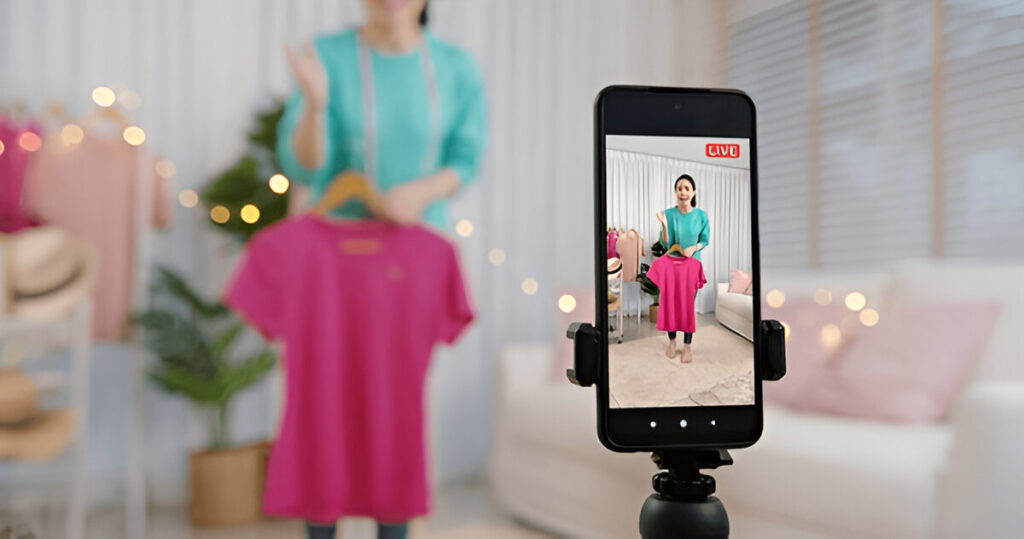
Launching a new product into the market is an exciting milestone for any business. Yet, the challenge lies in effectively getting that product noticed by the right audience. Enter influencer marketing. With millions of followers hanging onto their every post, influencers can provide the visibility, credibility, and engagement your product launch needs to succeed.
This guide will walk you through how and why to use influencer marketing during a product launch, along with actionable steps to make the most of this powerful strategy.
What is Influencer Marketing, and Why Does It Matter?


Influencer marketing involves collaborating with individuals who have a substantial and engaged following on social media platforms. These influencers create content that promotes your product in an authentic, relatable manner, encouraging their followers to take notice and consider purchasing.
With audiences trusting influencers more than traditional advertisements, this form of marketing has proven to be particularly effective. A 2023 survey by the Digital Marketing Institute revealed that 61% of consumers trust an influencer’s recommendations, compared to just 38% for branded content directly from companies. For product launches, where first impressions are vital, this level of trust can make all the difference.
Benefits of Using Influencer Marketing for Product Launches
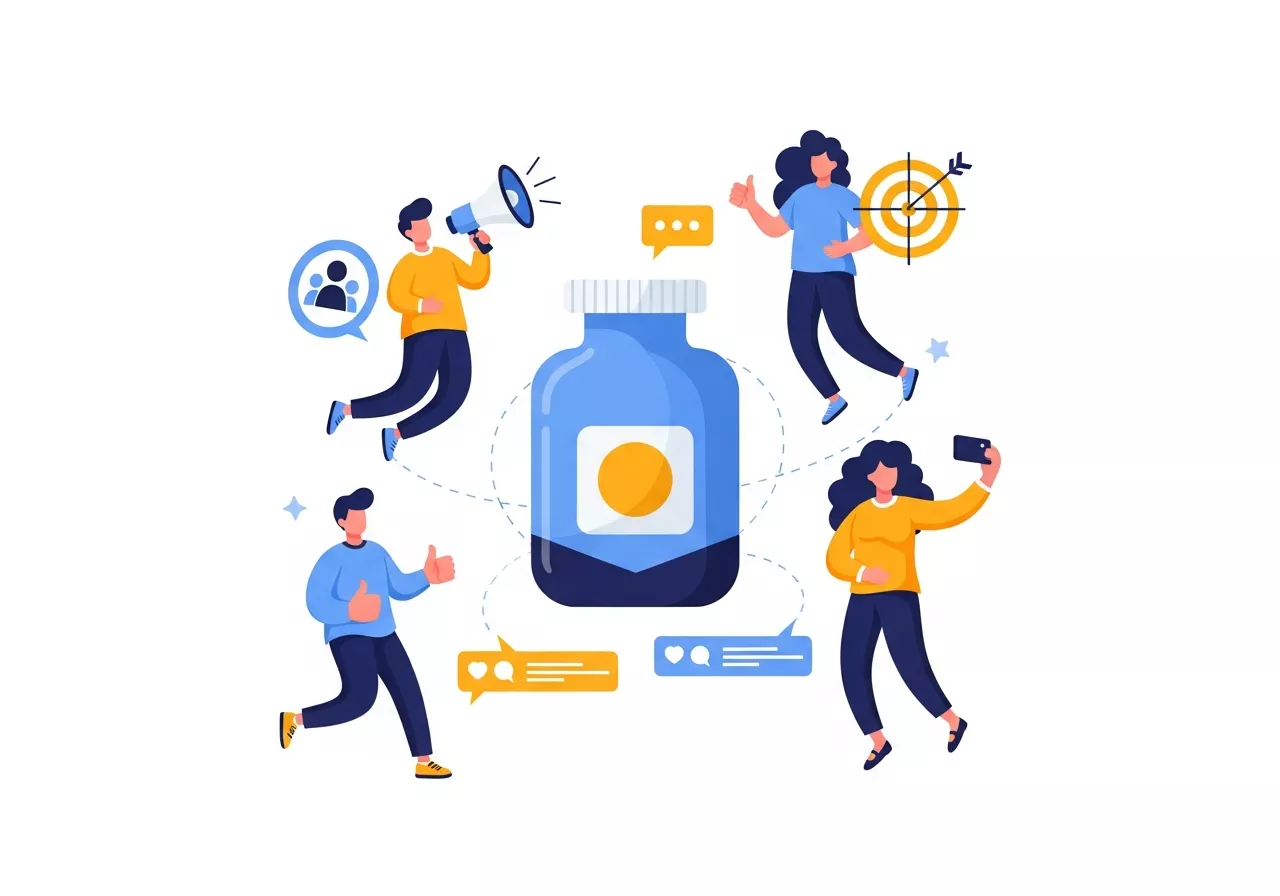

1. Build Buzz and Hype Before Launch
Influencers can create early excitement about your product by teasing glimpses, sharing countdowns, or joining pre-launch events. Some even promote special offers like a Summer Discount alongside their content, giving followers extra incentive to purchase when the product launches.
Example: When Dyson launched its new hair straightener, they partnered with beauty influencers to create “unboxing” videos weeks in advance. These videos racked up millions of views, ensuring the product was a trending topic even before hitting shelves.
2. Introduce Your Product to a Targeted Audience
Working with an influencer means instant access to a niche audience that aligns with your product. For example, a fitness influencer will have a highly relevant audience for sports apparel, while a tech YouTuber might drive interest in the latest gadgets.
Key tip: Opt for micro-influencers (those with followers between 10,000 and 50,000) for more engaging and meaningful connections with your audience.
3. Social Proof and Credibility
Influencers act as trendsetters, giving your product the social proof it needs to appear credible and desirable. Their endorsement signals that your product is worth paying attention to.
Example: Look at the success of fashion brand Revolve’s partnerships with influencers at major events like Coachella. Their collaboration strategically positioned them as a go-to brand for trendy festival-goers.
4. Create Authentic, Relatable Content
Authenticity is key. Influencers are skilled in creating content that resonates with their audiences. Their recommendations feel like friendly advice rather than hard-sell ads, boosting trust and driving conversions.
Steps to Successfully Use Influencer Marketing for Your Product Launch
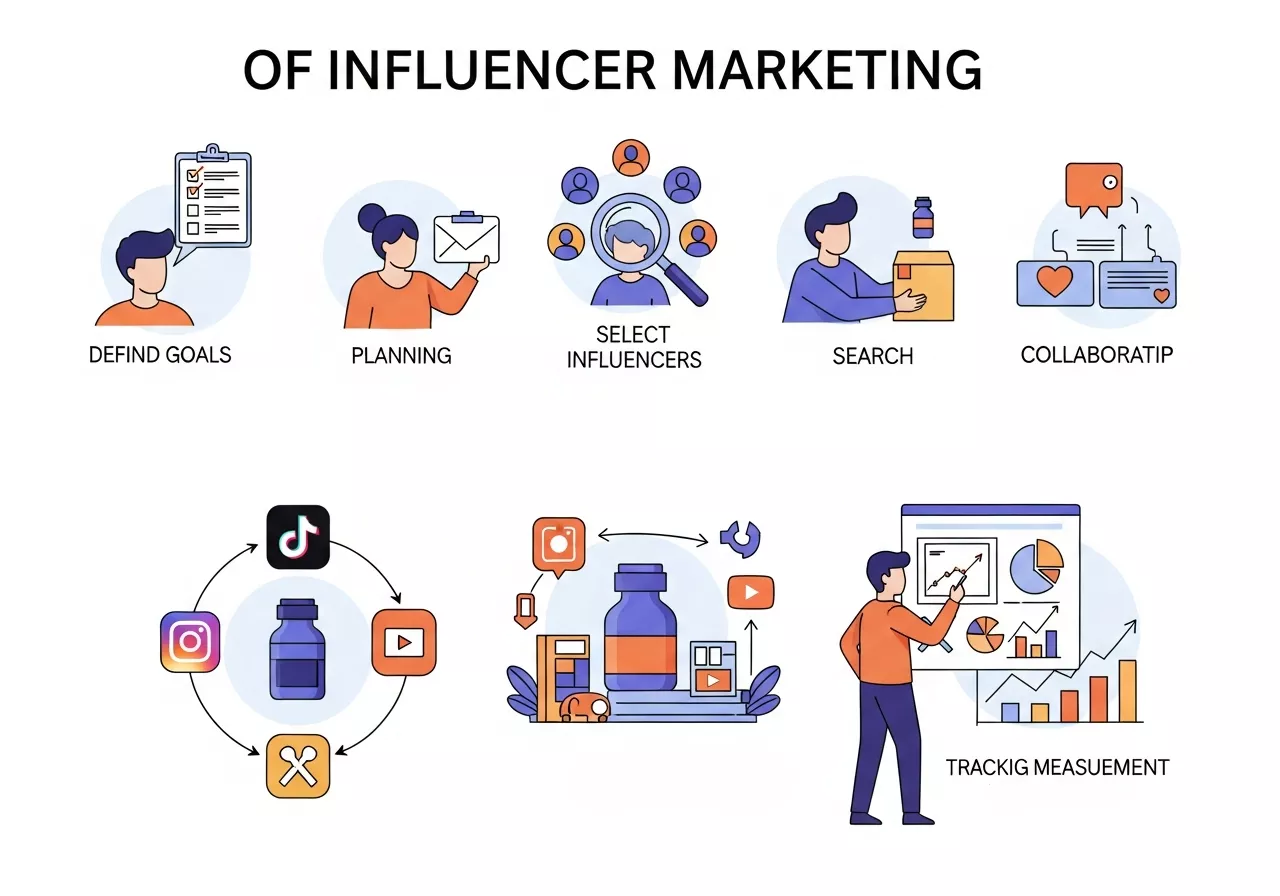
1. Define Your Product Launch Goals
Before jumping in, be clear about what you want to achieve. Are you aiming for awareness, engagement, or sales? Setting specific KPIs (key performance indicators) like “100,000 views on launch-day content” or “5,000 website clicks within the first week” will guide your strategy.
2. Find the Right Influencers
Identifying the right influencer can make or break your campaign. Consider the following factors as you choose your influencers:
- Audience Demographics: Are their followers likely to become your customers?
- Engagement Rates: High engagement shows their audience genuinely values their content.
- Alignment with Your Values: Your brand approach and voice should complement theirs.
- Content Quality: Is their existing content polished, professional, and trustworthy?
Using tools like Upfluence or AspireIQ can streamline the search for influencers relevant to your niche.
3. Create a Collaboration Strategy
Collaborating with influencers isn’t just about asking them to post a product photo. Explore dynamic strategies to make the campaign memorable:
- Unboxing Videos: Send PR packages with personalized elements to influencers for authentic reactions.
- Behind-the-Scenes Content: Give influencers exclusive previews of how your product is made or unique uses for it.
- Giveaways: Partner to run contests and reward followers with your product.
- Live Q&As: Arrange Instagram or YouTube lives where influencers answer questions while showcasing your new product in action.
Pro tip: Provide influencers with creative freedom to produce content in their distinct style, ensuring authenticity shines through.
4. Build a Multi-Platform Campaign
Leverage multiple social media platforms for your influencer campaign. While Instagram is a popular choice, platforms like TikTok, YouTube, and even LinkedIn (for B2B products) can play an important role in diversifying your reach.
For instance:
- Instagram Stories & Posts can showcase your product’s visuals in engaging ways.
- TikTok Challenges can encourage fan content and create viral momentum.
- YouTube Reviews allow in-depth demonstrations and reviews of your product in action.
5. Track Performance and Optimize
After launch, it’s crucial to analyze how your influencer marketing strategy performed. Tools such as Hootsuite or Google Analytics can help track key metrics like impressions, click-through rates, and sales conversions.
If some influencers are driving higher engagement than others, consider extending partnerships with them for future campaigns. Similarly, learn from less successful collaborations or underperforming tactics to sharpen your strategy next time around.
Influencer Selection & Categorization
Choosing the right influencer is critical to the success of your product launch. Not all influencers are equal — categorizing them helps match your goals with the right audience.
Influencer Categories:
- Nano-Influencers (1K–10K followers): Highly engaged, niche audiences; ideal for micro-targeting and authenticity.
- Micro-Influencers (10K–50K followers): Strong engagement, cost-effective, trusted by their followers.
- Macro-Influencers (50K–500K followers): Broader reach, can create significant buzz, higher cost.
- Mega-Influencers/Celebrities (500K+ followers): Vast exposure, best for high-visibility launches; expensive and less personal.
Comparison Table:
| Influencer Type | Audience Size | Engagement | Cost | Best For |
|---|---|---|---|---|
| Nano | 1K–10K | Very High | Low | Authentic niche campaigns |
| Micro | 10K–50K | High | Moderate | Product demos, early buzz |
| Macro | 50K–500K | Moderate | High | Mass awareness campaigns |
| Mega/Celebrity | 500K+ | Variable | Very High | Launch visibility, trending |
Budgeting for Influencer Campaigns
Successful influencer campaigns require careful budget planning. Allocating your resources wisely ensures maximum ROI without overspending. Consider factors like influencer rates, content production, and platform-specific costs.
Key Budget Considerations:
- Influencer Fees: Micro-influencers typically cost less but may offer higher engagement rates; macro-influencers command larger audiences and higher fees.
- Content Creation Costs: Some campaigns require professional photography, video editing, or creative assets.
- Platform Advertising Costs: Paid amplification on social media can boost organic influencer content.
- Contingency: Always reserve 10–15% of your budget for unexpected opportunities or adjustments.
Why Budgeting Matters:
- Prevents overspending and underperforming campaigns
- Helps you evaluate ROI more accurately
- Allows flexibility for experimentation and growth
Common Pitfalls to Avoid
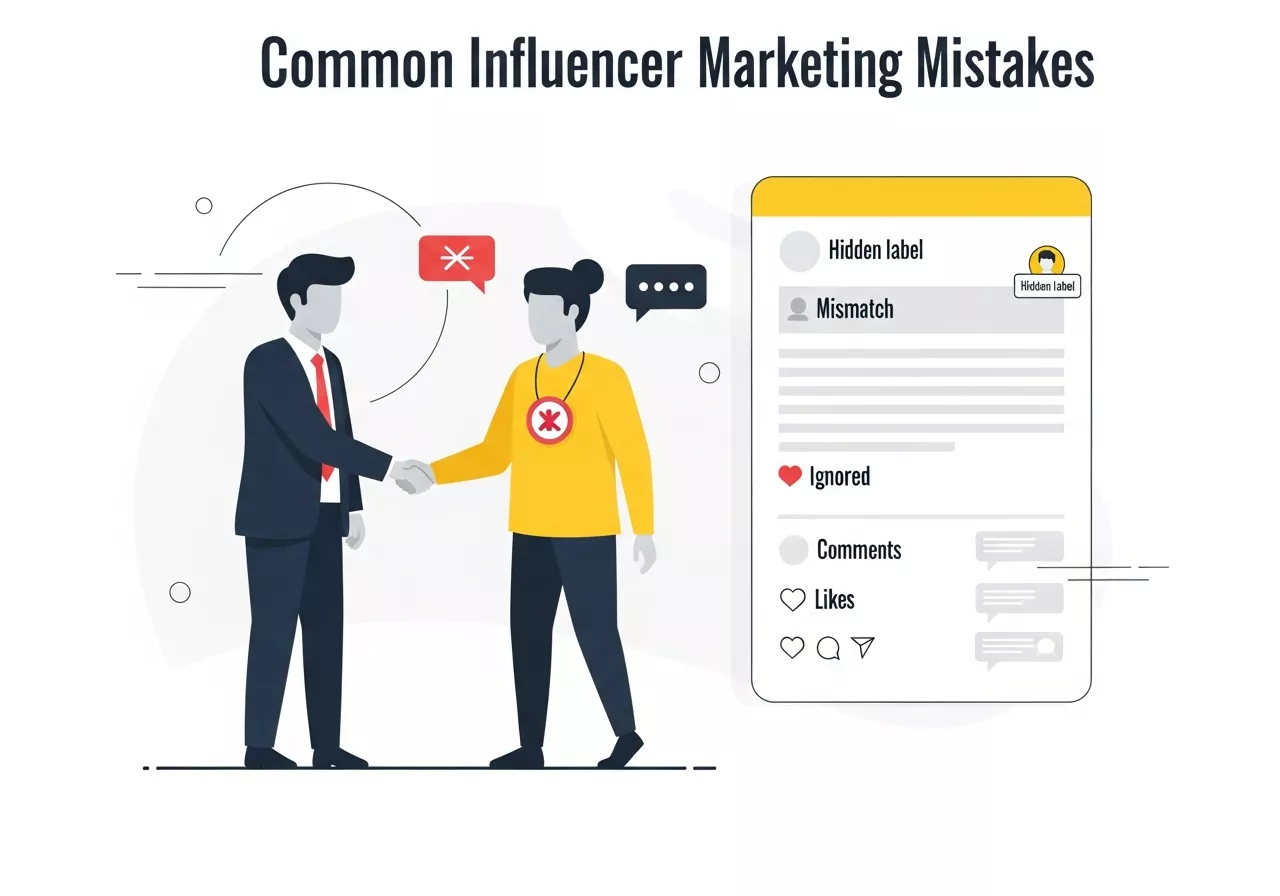
1. Choosing the Wrong Influencers
Working with an influencer whose values or audience mismatch your brand can lead to missed opportunities or, worse, misrepresentation.
2. Overlooking Transparency
Ensure influencers disclose their posts as paid partnerships to maintain transparency and comply with advertising guidelines.
3. Ignoring Post-Launch Engagement
Once your product launches, continue engaging with your audience by leveraging user-generated content or sharing influencer reactions. Consistency maintains audience interest beyond the launch window.
Leveraging User-Generated Content (UGC) Post-Launch
After your product launch, influencer content can be repurposed as user-generated content (UGC) to sustain engagement and reach. Encouraging followers to create content builds trust and strengthens your brand.
Ways to Leverage UGC:
- Feature Customer Posts: Share fan photos and reviews on your social media channels.
- Create Contests or Challenges: Encourage users to post content with your product and tag your brand.
- Highlight Testimonials: Showcase real-life experiences to reinforce credibility and encourage conversions.
- Repurpose Influencer Content: With permission, use influencer posts for email campaigns, social ads, or website galleries.
Benefits of UGC:
- Builds community and strengthens brand loyalty
- Extends the lifespan of influencer campaigns
- Reduces content creation costs
- Increases trust and social proof
Real-Life Success Stories
1. Glossier
The beauty brand Glossier built its cult following largely through influencer marketing. Glossier partnered with micro-influencers and everyday customers, turning them into brand ambassadors. Their authentic recommendation-driven model led to repeated sell-outs of their product launches.
2. Samsung Galaxy Flip
Samsung worked with TikTok influencers to demonstrate the fun, relatable aspects of their Galaxy Flip. From creative filming angles to dance challenges, the campaign resonated with Gen Z and inspired high engagement.
Choosing the Right Social Media Platforms
Selecting the right social media platforms is more than just posting everywhere—it’s about strategically placing your product in front of the audience most likely to engage and convert. Each platform has its unique strengths, audience demographics, and content styles, making it crucial to understand where your potential customers spend their time and what kind of content resonates with them.
Why Platform Selection Matters:
- Targeted Reach: Not every social media platform caters to the same audience. Choosing the right platform ensures your content reaches users who are likely to engage and convert.
- Content Compatibility: Different platforms excel with specific content formats. A TikTok dance challenge might go viral, while Instagram Stories offer intimate, behind-the-scenes glimpses.
- Resource Efficiency: Concentrating efforts on the right platforms prevents wasted budget and energy, ensuring maximum ROI for your influencer marketing campaigns.
Platform Insights:
- Instagram: Known for visual storytelling, Instagram is ideal for lifestyle, fashion, beauty, and food products. Features like Reels, IGTV, and Stories allow for diverse content formats.
- TikTok: Perfect for short-form, creative, and highly shareable videos. TikTok’s algorithm favors engaging content and can drive massive reach even with micro-influencers.
- YouTube: Excellent for long-form content such as product reviews, tutorials, or unboxings. YouTube allows influencers to create in-depth demonstrations that build credibility.
- LinkedIn: Best suited for B2B products or professional services. LinkedIn posts and articles establish thought leadership and credibility.
- Facebook: With its broad demographic, Facebook works well for events, ads, and community building.
Comparison Table – Platform Strengths for Product Launches:
| Platform | Audience Demographics | Best Content Type | Engagement Strength | Ideal For |
|---|---|---|---|---|
| 18–34 | Photos, Reels, Stories | High | Lifestyle, Beauty, Food | |
| TikTok | 16–30 | Short-form videos, Challenges | Very High | Viral trends, Youth-focused products |
| YouTube | 18–45 | Long-form tutorials, Reviews | High | Tech, Beauty, How-To Demonstrations |
| 25–50 (B2B) | Articles, Product Updates | Moderate | Professional services, B2B launches | |
| 25–55 | Posts, Ads, Events | Moderate | Community engagement, Broad reach |
Tips for Platform Selection:
- Analyze your target audience demographics and online habits.
- Test content formats on multiple platforms before committing to large campaigns.
- Align influencer expertise with platform strengths—for example, a TikTok influencer for viral challenges, a YouTube creator for product tutorials.
Influencer Contracting & Legal Considerations
Working with influencers requires more than creative planning—it demands careful legal preparation. Contracts protect both your business and the influencer, ensuring clear expectations and compliance with regulations. Failing to address legal issues can result in disputes, fines, or brand damage.
Key Elements of Influencer Contracts:
- Scope of Work: Clearly define deliverables, timelines, number of posts, and content formats. For example, “Two Instagram posts, three Stories, and one YouTube unboxing video within one month.”
- Compensation: Include details on payment, product giveaways, or performance-based incentives like affiliate sales or commissions.
- Disclosure Compliance: Influencers must adhere to FTC guidelines by clearly marking posts as sponsored or paid partnerships. Non-compliance can harm your brand’s reputation and lead to legal penalties.
- Usage Rights: Specify whether your brand can reuse influencer content in marketing campaigns, websites, email newsletters, or ads.
- Exclusivity & Non-Compete: Decide if influencers can promote competitor products during the campaign period, especially for highly competitive niches.
- Termination Clauses: Define scenarios for early termination, such as non-delivery of content or violation of brand guidelines.
Why Legal Considerations Are Critical:
- Protects brand reputation and avoids potential lawsuits.
- Clarifies responsibilities and expectations, reducing misunderstandings.
- Ensures influencers adhere to advertising and disclosure rules.
Pro Tips for Smooth Contracting:
- Use professional legal counsel to draft or review influencer agreements.
- Include a detailed creative brief within the contract to align expectations.
- Maintain a consistent template for all influencer collaborations to streamline processes.
Take Your Product Launch to the Next Level
Influencer marketing is no longer just a trendy tactic; it’s a game-changer for product launches. From building buzz to targeting niche audiences and creating authentic content, it delivers unmatched benefits for businesses aiming to make an impact.
If you’re ready to harness the power of influencers for your next product launch, it’s time to put a strategy into motion. Start with well-defined goals, choose the right influencers, and track your results to ensure success. Want guidance every step of the way? Collaborate with experts who have the experience and tools to elevate your product’s debut to extraordinary heights.
Frequently Asked Questions (FAQ)
1. What is influencer marketing, and why is it effective for product launches?
Influencer marketing is the practice of partnering with individuals who have a strong and engaged following on social media to promote a product or service. It is particularly effective for product launches because influencers offer credibility and trust, and their authentic recommendations often resonate more deeply than traditional advertisements. By leveraging an influencer’s reach and influence, brands can generate awareness, excitement, and engagement with their target audience more efficiently.
2. How do I choose the right influencer for my product launch?
Selecting the right influencer involves evaluating several factors, including the demographics of their audience, engagement levels, alignment with your brand values, and the quality of their content. A well-chosen influencer ensures your product reaches the right people, resonates authentically, and enhances brand credibility. Using influencer marketing platforms can help identify individuals whose audience and style match your campaign goals.
3. Should I work with micro-influencers or celebrities?
The choice between micro-influencers and celebrities depends on your campaign objectives. Micro-influencers usually have smaller but highly engaged audiences, making them ideal for authentic connections and niche targeting. Celebrities or mega-influencers, on the other hand, offer mass visibility and can create significant hype for large-scale product launches, though at a higher cost and with potentially less personalized engagement.
4. How much should I budget for an influencer marketing campaign?
Budgeting for an influencer campaign depends on several elements, including influencer fees, content production, and promotional amplification on social platforms. Smaller influencers often provide cost-effective opportunities with high engagement, while larger influencers and celebrities may demand higher fees for wider reach. Planning and allocating resources carefully ensures a better return on investment and flexibility to adapt your strategy if needed.
5. Which social media platforms are best for a product launch?
The ideal platform depends on your audience and product type. Instagram is excellent for visually appealing products, TikTok works well for viral, short-form content aimed at younger audiences, and YouTube allows for in-depth demonstrations and reviews. LinkedIn can be effective for B2B launches, while Facebook remains suitable for broader demographic engagement. A multi-platform approach often yields the best results by combining reach and engagement.
6. How do I measure the success of an influencer marketing campaign?
Success can be measured by evaluating reach, engagement, website traffic, and sales generated through the campaign. Monitoring metrics such as likes, comments, shares, and conversions helps you understand how effectively the influencer is connecting with their audience and driving your product launch goals. Using analytics tools allows you to refine your approach and identify high-performing influencers.
7. How can I handle negative feedback or a social media crisis during a launch?
Managing negative feedback requires prompt and professional communication. Monitoring social media channels closely, responding with transparency and empathy, and providing accurate information are key. Preparing pre-approved statements for common issues and leveraging trusted influencers to clarify any misunderstandings can help mitigate potential damage and maintain brand trust.
8. Can influencer marketing work for small businesses with a limited budget?
Yes, influencer marketing is accessible to small businesses, especially when working with micro-influencers and nano-influencers. These smaller creators are often highly engaged with their followers, providing authentic promotion at a reasonable cost. Small businesses can also encourage organic content creation from satisfied customers, which extends reach and credibility without large investments.
9. How long should an influencer campaign last for a product launch?
The duration of a campaign typically includes a pre-launch phase, a peak launch phase, and a post-launch phase. Pre-launch activities build anticipation, launch-week promotions maximize exposure, and post-launch engagement keeps the momentum going while encouraging user-generated content and ongoing interactions. A structured timeline helps sustain interest beyond the initial launch.
10. Can I reuse influencer content for other marketing purposes?
Yes, repurposing influencer-generated content is highly effective, provided you have permission. Content can be reused for social media posts, advertising campaigns, email marketing, or website galleries. This approach maximizes the value of influencer collaborations, extends the lifespan of your campaign, and maintains authentic engagement with your audience.
Learn more about: All Season Restaurant & Market: A Culinary Haven for Food Lovers and Locals