


If you want to differentiate a business, get closer to customers, and earn lifelong relationships with them, there’s only one word that comes to your mind – it’s branding strategy. But what does it really mean? And most importantly, what branding strategies can you use effectively to succeed with your business?
In this article, you’ll learn the basics of a branding strategy in marketing and why it is important to marketing, along with how to create a strategic branding approach that will connect your audience and last for years to come.
What is Branding in Marketing Strategy?
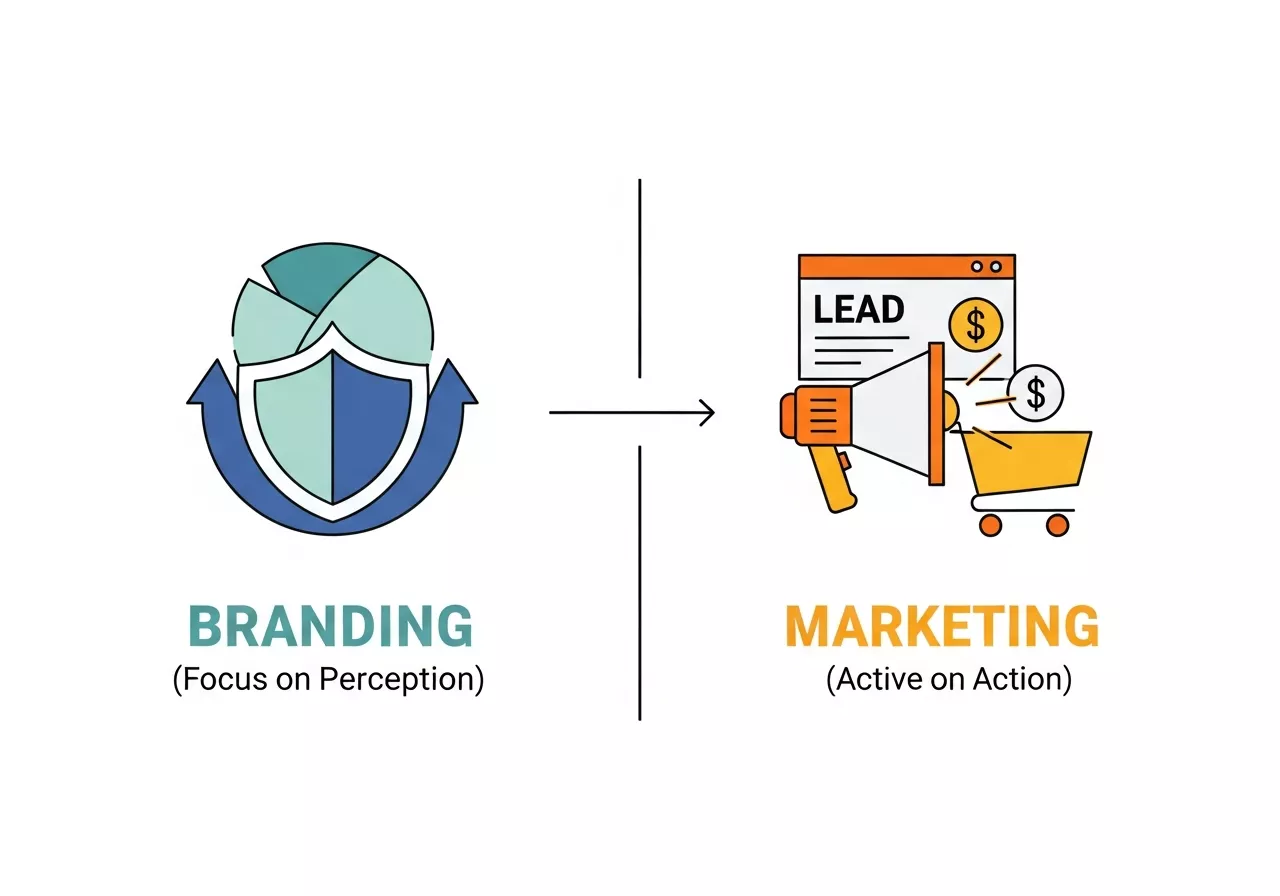

Marketing is more tactical and action-oriented, revolving around promoting your product or service to increase sales. While branding focuses on perception, marketing focuses on lead generation, sales, and conversions. Promotion in a Business Plan is crucial because it outlines the specific actions, campaigns, and activities you’ll take to get your product in front of the right audience. This could include advertising, discounts, special offers, or events. Marketing campaigns can evolve based on trends and consumer demand, but the core of your branding remains consistent.
How It Works for Them
A befitting brand strategy is what helps companies to:
- Their message and values are clear to them.
- Unified communication experience and customer communication across all channels.
- A relationship that develops trust and loyalty with the audience.
At its heart, branding strategy ensures that every aspect of your brand tells a consistent and compelling story that your customers don’t just remember—they connect with.
Why Branding Strategy Matters
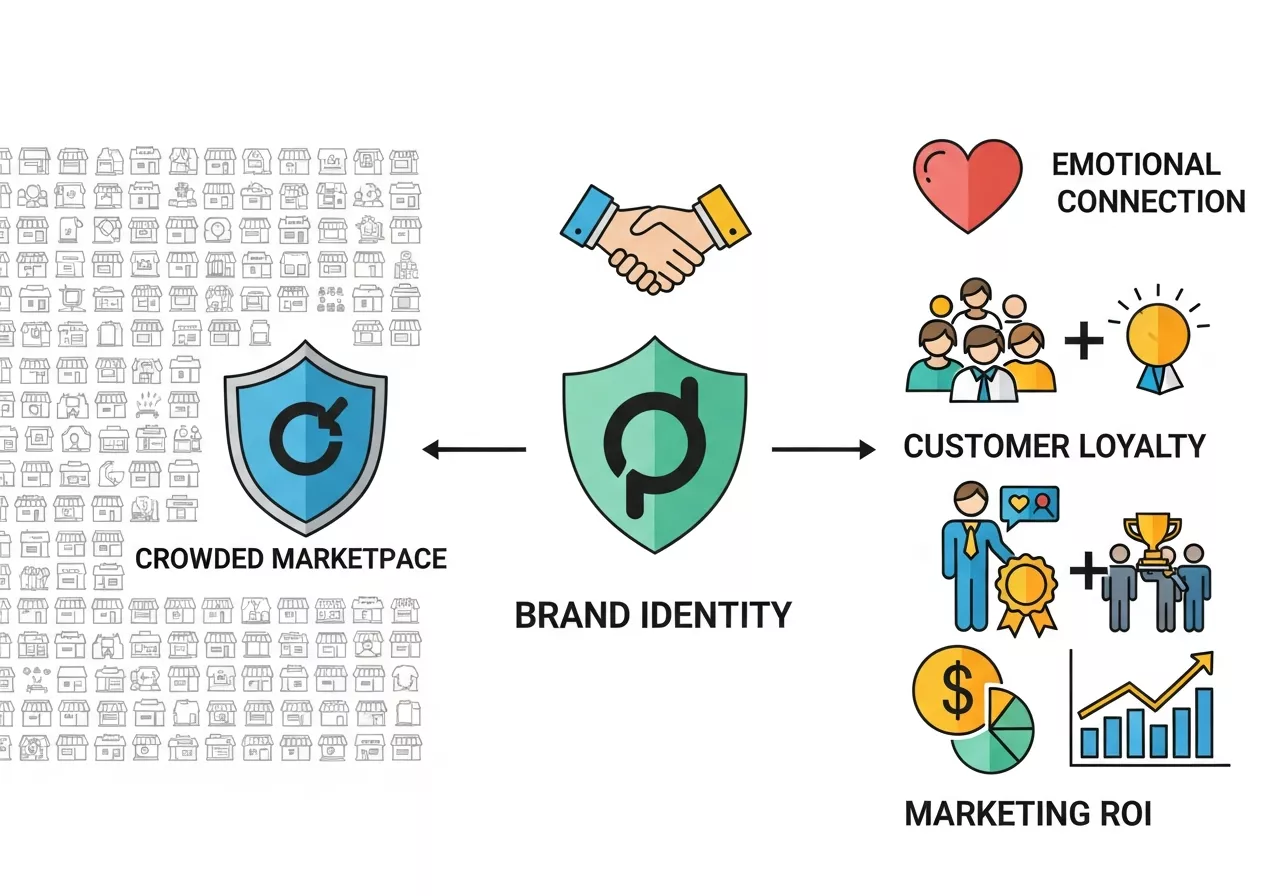
The role of branding strategy cannot be overstated. Consider some of the most well-recognized companies in the world, such as Apple, Nike, or Coca-Cola. What is true of all those? Their brand continues to articulate their distinctive identity, value, and promise to customers.
And the reasons for hype over branding strategy aren’t dissimilar.
Standing Out in a Crowded Marketplace
With millions of competitors out there, you need to stay ahead. Your brand strategy explains your business to the world: why you’re different, what you stand for, and why your customers should choose you over the other guys.
Take TOMS, for example — that’s not just a shoe company. It’s a brand with a mission. Its “One for One” model, which sees a proportion of each sale go to a specific cause, is a good example of differentiation through brand.
Creating Emotional Bonds
Good branding isn’t only about products; it’s the experience your customers have with your products and the feelings they associate with your business. Trust, loyalty, and emotional connection bring customers back.
For example, branding at Patagonia is driven by sustainability and environmental activism. Consumers who appreciate these principles naturally connect with the brand.
Driving Customer Loyalty
When consumers can recognize and connect with a brand, they’re not simply purchasing items; they’re becoming a part of that brand’s story. This level of involvement turns indifferent purchasers into advocates of your business.
Enhancing Marketing ROI
Effective branding is a great way to make all your marketing efforts more successful. When your customers already know and love your brand, you get extra engagement out of your campaigns and more bang for your buck from your marketing budget.
Branding Strategy vs. Marketing Strategy: Understanding the Difference
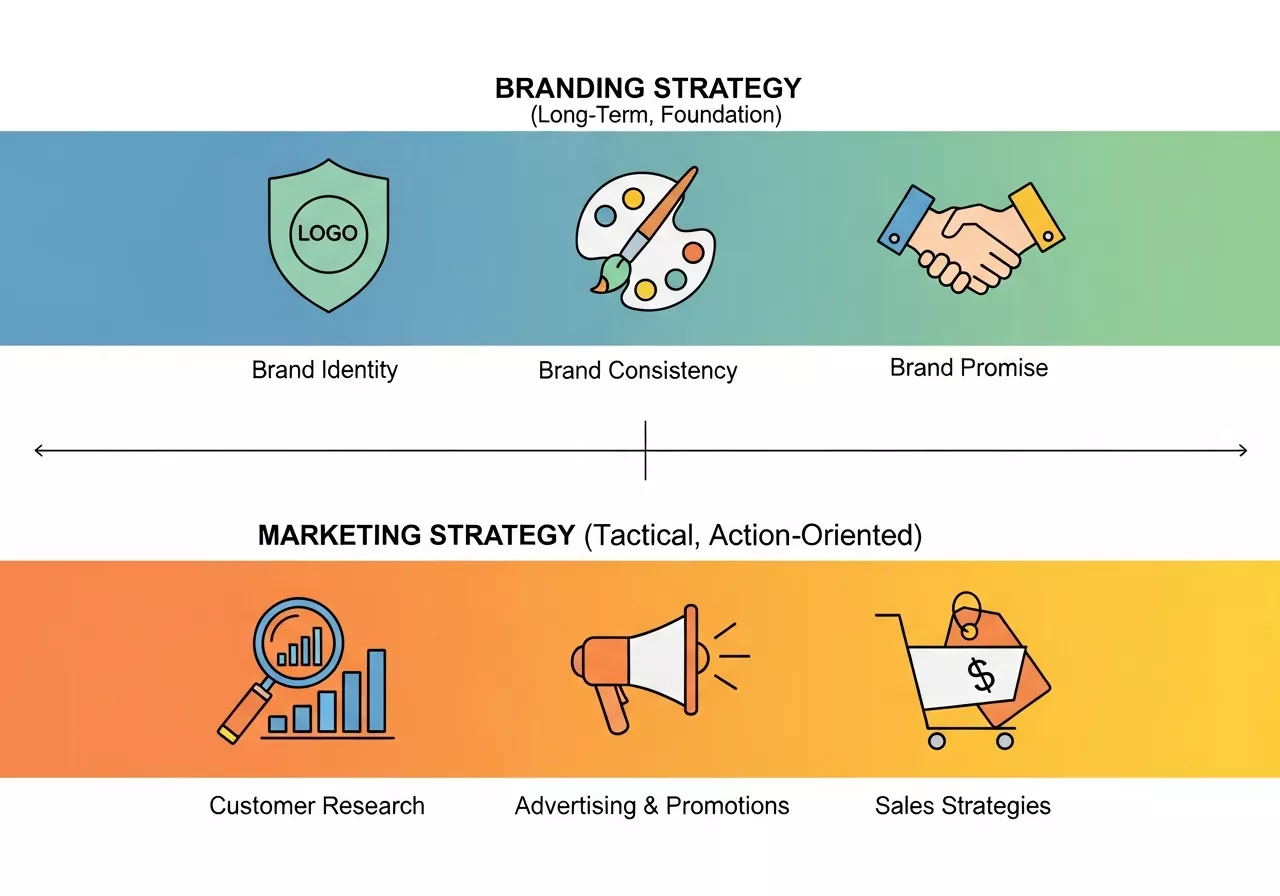
Branding and marketing are often used interchangeably, but they are two distinct concepts that play different roles in the business world. Understanding their differences is critical for developing a balanced and effective business strategy.
Branding Strategy
Branding is the long-term effort to build an identity, reputation, and emotional connection with your audience. It’s about how your company is perceived, the values it stands for, and the unique experience it offers. Branding establishes your business’s foundation by creating a memorable identity and ensuring consistency across every touchpoint.
Key Components of Branding:
- Brand Identity: Logos, colors, typography, and imagery.
- Brand Personality: Voice, tone, and humanized interactions.
- Brand Promise: What customers can always expect from your brand.
Marketing Strategy
Marketing is more tactical and action-oriented, revolving around promoting your product or service to increase sales. While branding focuses on perception, marketing focuses on lead generation, sales, and conversions. Marketing campaigns can evolve based on trends and consumer demand, but the core of your branding remains consistent.
Key Components of Marketing:
- Customer Research: Understanding customer needs and behaviors.
- Advertising & Promotions: Campaigns to attract new customers.
- Sales Strategies: Pricing models, discounting, and loyalty programs.
Key Differences Between Branding and Marketing
| Aspect | Branding | Marketing |
|---|---|---|
| Definition | Establishing identity, values, and emotional ties. | Driving sales and customer acquisition. |
| Focus | Long-term perception and emotional connection. | Short-term goals such as sales and promotions. |
| Timeframe | Continuous and long-term process. | Can be campaign-based with quick-turnaround goals. |
| Goal | Building a loyal community and brand recognition. | Generating leads and sales conversions. |
| Tools Used | Logos, slogans, brand story, customer experiences. | Ads, SEO, social media, email campaigns. |
Why the Difference Matters
A brand strategy is the foundation that enables your marketing strategy to work effectively. Without strong branding, your marketing efforts may fail to create a lasting emotional connection. By having both in place, you can craft marketing campaigns that resonate deeply with your target audience while ensuring a consistent brand experience.
Elements of a Successful Brand Strategy
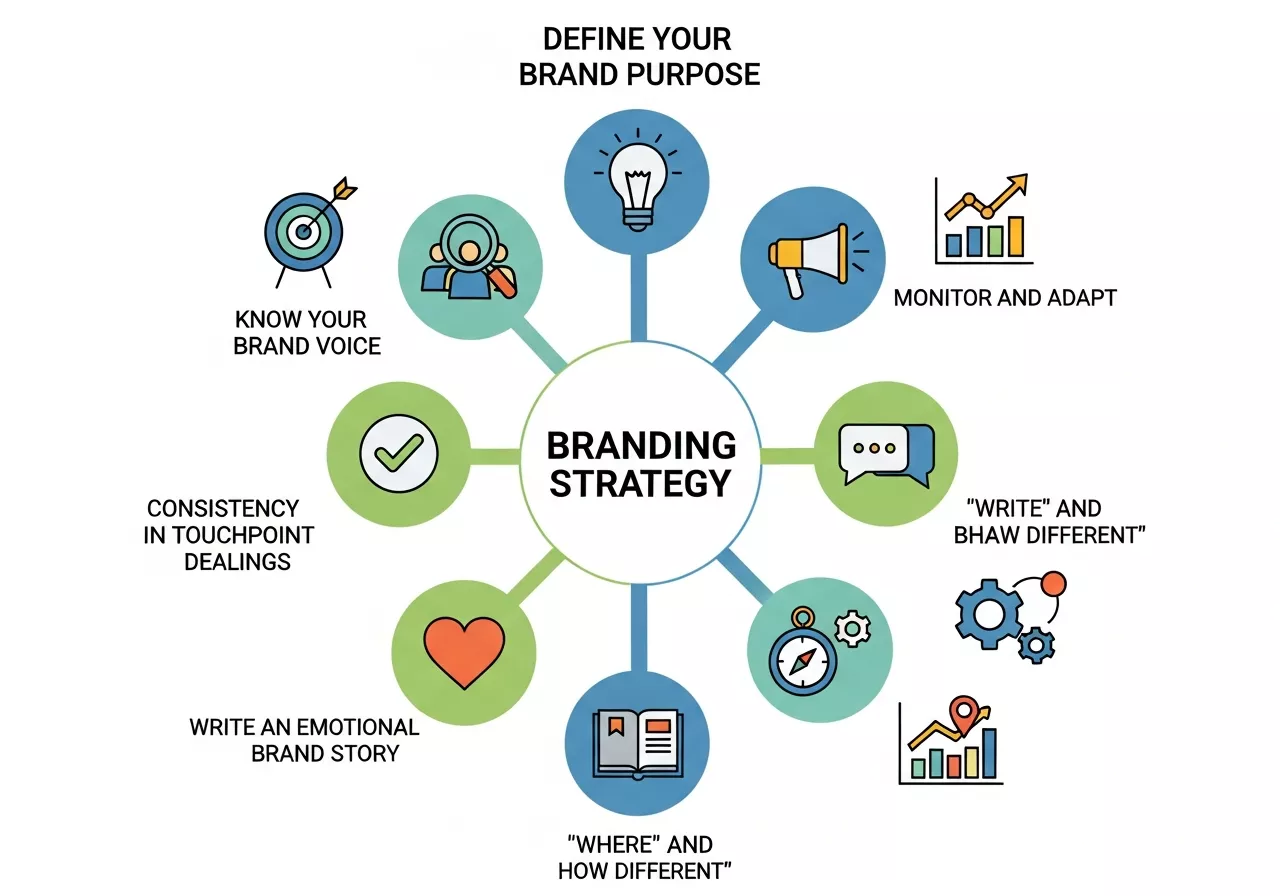
Identifying the elements of branding tactics can help it feel more manageable. Here is what a successful branding strategy includes:
Define Your Brand Purpose
Why does your brand exist? What does your company exist to do, beyond making money? You can use a clear purpose to inform everything from your messaging to how you make products and services.
For example, Tesla’s mission is to accelerate the world’s transition to sustainable energy, and this mission permeates every facet of the company.
Know Your Audience
Your brand should reflect the wants, needs, and values of your customers to whom you are serving. Develop in-depth buyer personas to get a feel for what matters to them, what they’re struggling with, and how they prefer to get information.
If your audience appreciates eco-friendly products, for instance, ensure that your branding highlights a commitment to sustainability — in design, in messaging, in partnerships, etc.
Develop Your Own Brand Voice
Does your brand represent fun and offbeat, high-end or exclusive, or friendly and approachable? Creating a persona helps to humanize your brand and makes it relatable to people. Leverage this personality for the tone of your messaging, the tone of your brand online, and customer interactions.
Consistency in Touchpoint Dealings
Like your logo, your colors, website design, and even your employees when they answer the phone—every aspect should be unified under a consistent, seamless branding strategy. This consistency helps consumers to recognize and trust your brand, regardless of where they encounter it. One crucial area for maintaining this consistency is Social Media Management for Small Businesses. Small businesses often rely on social media to engage directly with their audience. Ensuring your brand’s voice, tone, and messaging are consistent across platforms like Instagram, Facebook, and Twitter is key to building a loyal following and a memorable presence.
Write an Emotional Brand Story
The power of storytelling in brand building is immense. Tell your story of where you come from, what obstacles you face, and what it is you are out to accomplish viscerally. No one wants to do business with people; we all want to do business with people.
“Where” and “How Different”
What is your brand’s place in the market? Is it because you are a premium luxury brand, but your products are inferior by cost? Where you position your brand is crucial in terms of how customers compare your brand with others.
Monitor and Adapt
Just as with markets or customer expectations, branding can’t stand still. Through consistently gathering feedback and tracking performance metrics, you can adjust your brand strategy so that it remains effective and relevant.
Remarks on Great Branding
There are two parts of a great branding campaign: the first is a solid brand strategy, and the second is great creative work.
Nike
Nike’s branding reaches far beyond its “Just Do It” slogan. It suggested an attitude of tenacity, self-fulfillment and athleticism to its viewers. The brand’s storytelling in campaigns like “Dream Crazy” with Colin Kaepernick hits on an emotional level and continues to underscore its mission to empower athletes.
Apple
Minimalism, innovation, and user-centered design are the hallmarks of Apple’s branding. Nowhere is the brand’s pursuit of simplicity and perfection more evident than at every product launch, ad campaign and retail store.
Airbnb
Airbnb is all about belonging. Its “Belong Anywhere” campaign reflects the inclusive, global community it seeks to create, speaking directly to a desire, among its audience, for real travel experiences.
The Future of Branding: Key Trends to Watch
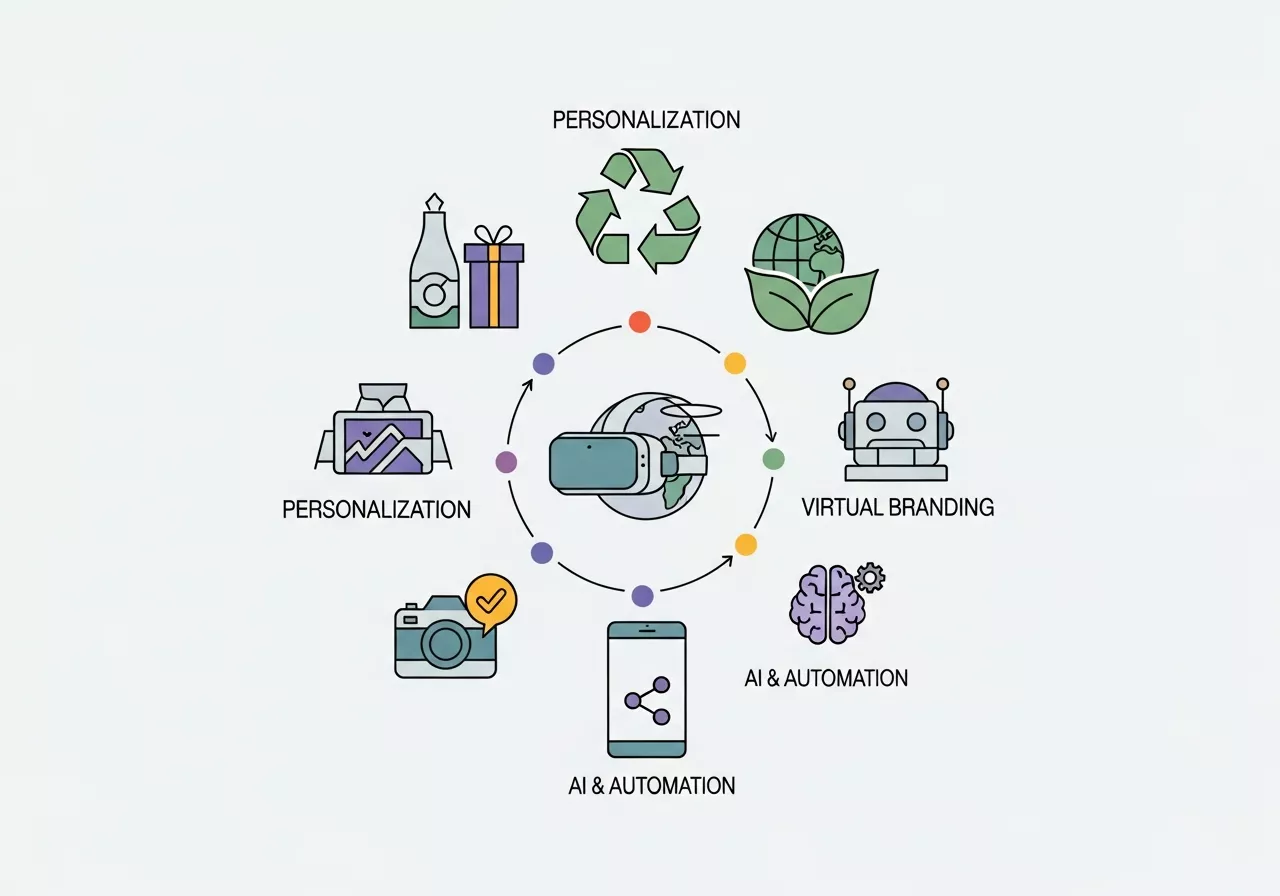
Branding is not static. It evolves alongside technology, consumer preferences, and global trends. As businesses navigate new challenges and opportunities, there are several emerging branding trends that will likely shape the future of marketing.
1. The Rise of Personalization in Branding
In an era where consumers expect tailored experiences, personalization is no longer optional. Brands are leveraging data analytics and AI to create highly personalized experiences for their customers, from product recommendations to individualized marketing messages.
Key trends in personalization:
- Personalized content: Creating content that speaks directly to individual needs and preferences.
- AI-driven recommendations: Using AI to suggest products, services, or content based on user behavior.
- Customizable products: Offering products that can be personalized by the customer, such as custom colors, engravings, or packaging.
2. Sustainability and Social Responsibility
Sustainability is becoming increasingly important to consumers, especially among younger generations who are more likely to support brands that align with their values. As a result, brands are integrating sustainability into their brand identity, and eco-friendly branding is becoming a powerful differentiator.
Key sustainability trends in branding:
- Eco-friendly packaging: Using recyclable or biodegradable materials in product packaging.
- Transparent supply chains: Demonstrating where products come from and how they’re made.
- Social impact initiatives: Brands investing in social causes, such as climate change, fair trade, and community development.
3. The Emergence of Virtual Branding and Digital Identity
With the increasing prevalence of digital spaces, virtual branding is a trend that will continue to grow. This includes brands creating virtual products, avatars, or experiences in digital environments such as the Metaverse or VR/AR (Virtual Reality/Augmented Reality).
Key virtual branding trends:
- Metaverse marketing: Building brand experiences in virtual worlds where customers can interact with your brand in 3D.
- NFTs and digital goods: Offering branded virtual goods, such as clothing or accessories, as part of your brand’s identity.
- AR/VR experiences: Creating immersive brand experiences using augmented or virtual reality to interact with products.
4. Storytelling Through User-Generated Content (UGC)
User-generated content (UGC) is a powerful way to create authentic, relatable content that resonates with your audience. Consumers trust content created by other users far more than traditional advertisements. Brands will continue to leverage UGC to create more authentic stories.
Key trends in UGC branding:
- Customer reviews and testimonials: Amplifying the voices of satisfied customers in campaigns.
- Brand ambassadors: Encouraging customers to become brand advocates by sharing their experiences.
- Social media content: Sharing user-generated photos, videos, or stories on your social platforms.
5. Integration of AI and Automation in Branding
Artificial Intelligence (AI) will play an even bigger role in shaping how brands interact with customers. From chatbots to automated content generation, AI is revolutionizing the way brands connect with audiences in real-time.
Key AI trends in branding:
- AI chatbots: Real-time, personalized customer service and engagement through chatbots.
- Automated content creation: Using AI to create personalized content at scale.
- Predictive analytics: Leveraging data to predict customer behavior and customize brand messaging accordingly.
What You Need to Know About Branding Strategy
If you’re launching a new brand or revitalizing an old one, here are a few steps to help you get started with your branding strategy:
- Evaluate where your brand is failing and make the necessary changes.
- Study your audience and competition to figure out what openings exist.
- Determine the purpose, mission, and values of your brand.
- Create your visual identity (logo, color scheme, typography).
- Develop a guide for your style of communication so you can use the same message.
- Roll out your brand strategy and track how well your plans are being met through things like customer engagement, rates of loyalty, and growth in market share.
Make Your Brand Unforgettable
The first ensures a successful and enduring growth, customer loyalty, and market distinction. It’s not so much what you sell, but what you represent and how you make your customers feel.
Creating an outstanding branding strategy can be a daunting task, but it’s a gamble worth taking. Begin telling your story now and establish your brand as a remarkable figure in your market.
Frequently Asked Questions (FAQ)
1. What is the difference between branding and marketing?
Branding is about creating a lasting impression by establishing your business’s identity, values, and emotional connection with customers. It’s about how your business is perceived over time. Marketing, on the other hand, refers to the tactics you use to promote your products or services, such as advertisements, campaigns, and promotions, which are usually more short-term and action-driven.
2. Why is branding strategy important for my business?
Branding strategy helps differentiate your business from competitors, creates an emotional connection with your audience, builds trust and loyalty, and ultimately enhances customer lifetime value. A solid branding strategy ensures your message remains consistent across all channels, making your brand more memorable and fostering long-term relationships with your customers.
3. How can I create a successful branding strategy?
To create a successful branding strategy, start by:
- Defining your brand’s purpose and mission.
- Understanding your target audience and their values.
- Developing a clear and unique brand voice.
- Ensuring consistency across all customer touchpoints.
- Writing an emotional brand story that resonates with your audience.
- Continuously monitoring and adapting your strategy based on feedback and results.
4. How do I measure the success of my branding efforts?
You can measure the success of your branding strategy through several key performance indicators (KPIs):
- Brand awareness: How well your target audience recognizes and recalls your brand.
- Customer loyalty and perception: Feedback from customers, repeat purchases, and Net Promoter Scores (NPS).
- Brand engagement: Social media interactions, content engagement, and customer participation in brand events.
- Market share and revenue growth: Increased sales and customer acquisition, especially in comparison to competitors.
5. What are some examples of strong branding strategies?
Some of the best examples of strong branding strategies include:
- Nike: Known for its emotional storytelling, including the iconic “Just Do It” slogan and campaigns like “Dream Crazy” with Colin Kaepernick.
- Apple: A brand focused on minimalism, innovation, and customer experience, with every product launch being a testament to its clean and user-centered design.
- Patagonia: A brand driven by sustainability and environmental activism, which resonates deeply with environmentally-conscious consumers.
6. How can I differentiate my brand in a crowded market?
To stand out in a crowded market:
- Find your unique value proposition: Understand what makes your business different from competitors and communicate it clearly.
- Tell your brand’s story: Focus on emotional storytelling that connects with your audience’s values and aspirations.
- Leverage sustainability or social responsibility: Consumers are increasingly looking for brands that align with their ethical values, so highlighting your commitment to sustainability or social causes can be a differentiator.
- Create a memorable customer experience: From user-friendly websites to excellent customer service, make sure every interaction with your brand leaves a positive impression.
7. What role does emotional connection play in branding?
Emotional connection is at the heart of branding. Strong branding strategies create lasting emotional ties with consumers by appealing to their desires, values, and aspirations. When consumers feel an emotional connection to a brand, they’re more likely to become loyal customers and brand advocates. This is why brands like Patagonia and Nike emphasize purpose-driven narratives that go beyond just selling a product.
8. What is the future of branding?
The future of branding will continue to evolve as consumer behaviors and technology change. Brands will increasingly focus on:
- Personalization: Tailoring experiences to individual needs through data and AI.
- Sustainability: Highlighting eco-friendly practices and ethical values will remain central to branding as consumers prioritize businesses with a purpose.
- Digital and Virtual Branding: The rise of virtual spaces, augmented reality (AR), and interactive online experiences will provide new opportunities for brands to engage with customers.
- User-generated content (UGC): Consumers trust their peers more than advertisements, so leveraging UGC will become even more important in creating authentic, relatable brand stories.
9. How can I create an emotional brand story?
To create an emotional brand story:
- Start with your brand’s origin: Share how your brand started, the challenges it overcame, and the mission it strives to fulfill.
- Highlight your brand’s values: What does your brand stand for? Make sure these values resonate emotionally with your target audience.
- Include real-life experiences: Incorporate customer testimonials or stories of how your product or service has impacted their lives.
- Make it relatable: Keep your story human and relatable, focusing on common struggles or desires your customers can connect with.
10. How often should I revisit and update my branding strategy?
Branding should be an evolving process, not a one-time effort. You should regularly revisit and update your branding strategy based on customer feedback, industry trends, and shifts in your business’s goals. Key moments to review your strategy include:
- After a major campaign or product launch.
- When entering a new market or demographic.
- When your business undergoes significant growth or change.
- Annually to assess the impact and relevance of your brand in the current market.
Learn more about: How to Increase Brand Awareness Through Digital Marketing