



Understanding the Psychology Behind Seasonal Consumer Behavior
Auditing Your Brand Identity for Flexible Seasonal Adaptations
Building a Data-Driven Seasonal Marketing Calendar


| Campaign Phase | Timing Window | Primary Objectives | Key Performance Indicators |
| Research & Ideation | 4-6 Months Prior | Trend analysis, audience segmentation, budget allocation | Data accuracy, resource availability |
| Creative Production | 2-3 Months Prior | Asset creation, copywriting, cross-channel asset sizing | Design approval speed, asset variety |
| Pre-Launch Teasers | 2-4 Weeks Prior | Building anticipation, early-bird promotions, email capture | Click-through rate, lead sign-ups |
| Active Campaign | During Event | Real-time optimization, ad spend scaling, community management | Conversion rate, ROAS, revenue growth |
Executing Omnichannel Campaigns Across Digital and Physical Touchpoints
- Digital Ecosystem Synchronization: Update your website hero banners, landing pages, email templates, and social media channels simultaneously on launch day to create an immersive digital environment that immediately signals relevance.
- Physical and Experiential Alignment: Translate your digital motifs into tangible realities through custom product packaging, in-store signage, window displays, and unboxing experiences that delight customers upon delivery.
- Customer Support and Messaging Continuity: Ensure that customer service scripts, automated chat responses, and FAQs reflect ongoing seasonal promotions and address holiday-specific shipping deadlines or return policies.
Navigating Common Pitfalls and Strategic Mistakes to Avoid
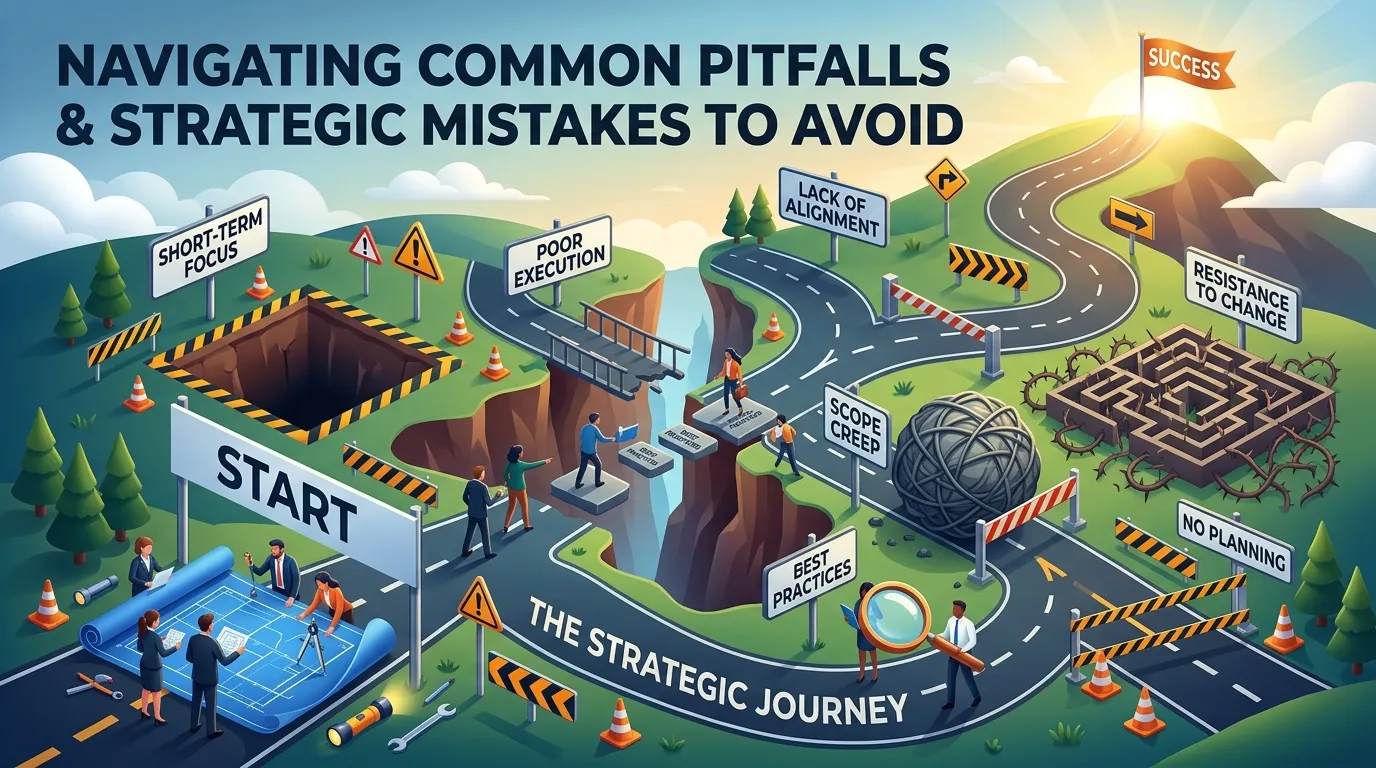
- Ignoring Cultural Nuances and Tone: Failing to research cultural sensitivities or regional differences can lead to tone-deaf messaging that damages brand reputation overnight.
- Over-Discounting and Margin Erosion: Relying solely on aggressive price cuts during seasonal pushes devalues your products and attracts transient bargain hunters rather than loyal brand advocates.
- Neglecting Post-Season Transitions: Leaving holiday graphics live on your website weeks after the event has passed signals brand neglect and diminishes professional credibility.
Pro Tips and Expert Insights for Year-Round Brand Momentum
Conclusion
Mastering Seasonal Branding enables companies to transform fleeting calendar holidays into enduring customer loyalty engines. By strategically balancing agile campaign pivots with a steadfast core identity, your business will thrive across every quarter. Implement these proven Seasonal Branding frameworks today to elevate your market presence, captivate your target audience, and achieve sustainable, year-round revenue growth. Ready to transform your campaigns? Start auditing your seasonal brand touchpoints today to unlock peak performance every single month.
FAQ
1. What is seasonal branding and why does it matter?
Seasonal Branding involves strategically adapting your brand’s visual identity, messaging, and marketing campaigns to align with specific holidays, seasons, or cultural events. It matters because it taps into timely consumer mindsets, boosts engagement, and drives revenue by making your business feel relevant and culturally attuned. Effective Seasonal Branding also helps businesses strengthen brand awareness and build lasting customer relationships.
2. How can I adapt my visual identity for holidays without diluting my core brand?
You can adapt your identity by using a modular design approach where your core logo and typography remain untouched, while secondary elements like color accents, seasonal icons, temporary packaging sleeves, and digital banners are modified to reflect the time of year. This approach allows Seasonal Branding to remain creative while protecting your brand’s identity and recognition.
3. What tools can I use to track seasonal consumer trends effectively?
To track seasonal trends effectively, utilize tools like Google Trends, social listening software, historical CRM sales data, SEO keyword planners, and industry-specific consumer research reports to anticipate demand shifts months in advance. These insights help businesses develop data-driven Seasonal Branding campaigns that reflect customer interests, purchasing behavior, and emerging market opportunities.
4. How early should I start planning my seasonal marketing campaigns?
For major retail holidays like the winter gift-giving season, planning should begin four to six months in advance. This allows ample time for trend research, creative production, cross-channel synchronization, and media buying before ad costs spike. Early preparation also ensures that Seasonal Branding campaigns remain consistent across social media, email marketing, websites, and paid advertising.
5. Can small businesses with limited budgets execute effective seasonal branding?
Yes, small businesses can achieve remarkable results by focusing on high-impact, low-cost digital touchpoints such as social media graphics, email marketing templates, localized community events, and creative user-generated content campaigns. Affordable Seasonal Branding strategies can help small businesses improve visibility, attract new customers, and compete effectively without requiring a large marketing budget.
6. How do I measure the return on investment of a seasonal campaign?
You can measure campaign ROI by tracking specific metrics including attributed conversion rates, return on ad spend (ROAS), customer acquisition cost (CAC), email click-through rates, and overall revenue growth compared to non-promotional baseline periods. Measuring these indicators helps businesses evaluate Seasonal Branding performance, identify successful marketing tactics, and optimize future campaigns for better results.
7. What are the biggest risks associated with seasonal marketing?
Key risks include starting execution too late, over-customizing brand visuals to the point of customer confusion, ignoring cultural nuances in messaging, eroding profit margins through excessive discounting, and failing to remove outdated campaign graphics post-event. A well-planned Seasonal Branding strategy helps businesses minimize these risks while maintaining customer trust and brand consistency.
8. How can I maintain brand consistency between different seasonal transitions?
Brand consistency is maintained by establishing clear style guidelines that govern how far seasonal modifications can go, ensuring that foundational brand pillars, tone of voice, and core visual markers remain stable across every transition. Successful Seasonal Branding combines creative seasonal elements with recognizable brand assets, helping customers identify and trust your business throughout the year.
9. How do cultural nuances impact global seasonal branding efforts?
Global seasonal branding requires localized market research because holidays, weather patterns, and cultural traditions vary widely across regions. A campaign that resonates in North America might be entirely irrelevant or culturally insensitive in European or Asian markets. Culturally informed Seasonal Branding ensures that marketing messages, promotional offers, and visuals align with local customs and customer expectations.
10. How do I transition back to a non-seasonal brand voice seamlessly?
To transition smoothly, plan your post-campaign rollout just as meticulously as your launch. Immediately update website banners, remove holiday-specific email templates, and pivot messaging toward evergreen value propositions, customer success stories, and ongoing product benefits. A smooth transition ensures Seasonal Branding supports long-term brand recognition rather than making your business appear relevant only during specific holidays.