



Capturing consumer attention requires timely, culturally relevant marketing that resonates with seasonal buying habits. Effective seasonal campaign ideas empower brands to drive engagement, foster brand loyalty, and maximize revenue throughout the year. Discover actionable strategies and frameworks designed to elevate your promotions across every quarter seamlessly. This comprehensive guide explores high-impact seasonal campaign ideas tailored for every quarter. You will learn how to align marketing messaging with seasonal intent, build multi-channel promotional calendars, and execute data-driven offers that convert. From Q1 resolution drives to Q4 holiday blitzes, discover proven strategies, expert insights, comparative channel breakdowns, and actionable tips to boost long-term engagement and sales.
The Science Behind Seasonal Campaign Ideas and Consumer Psychology
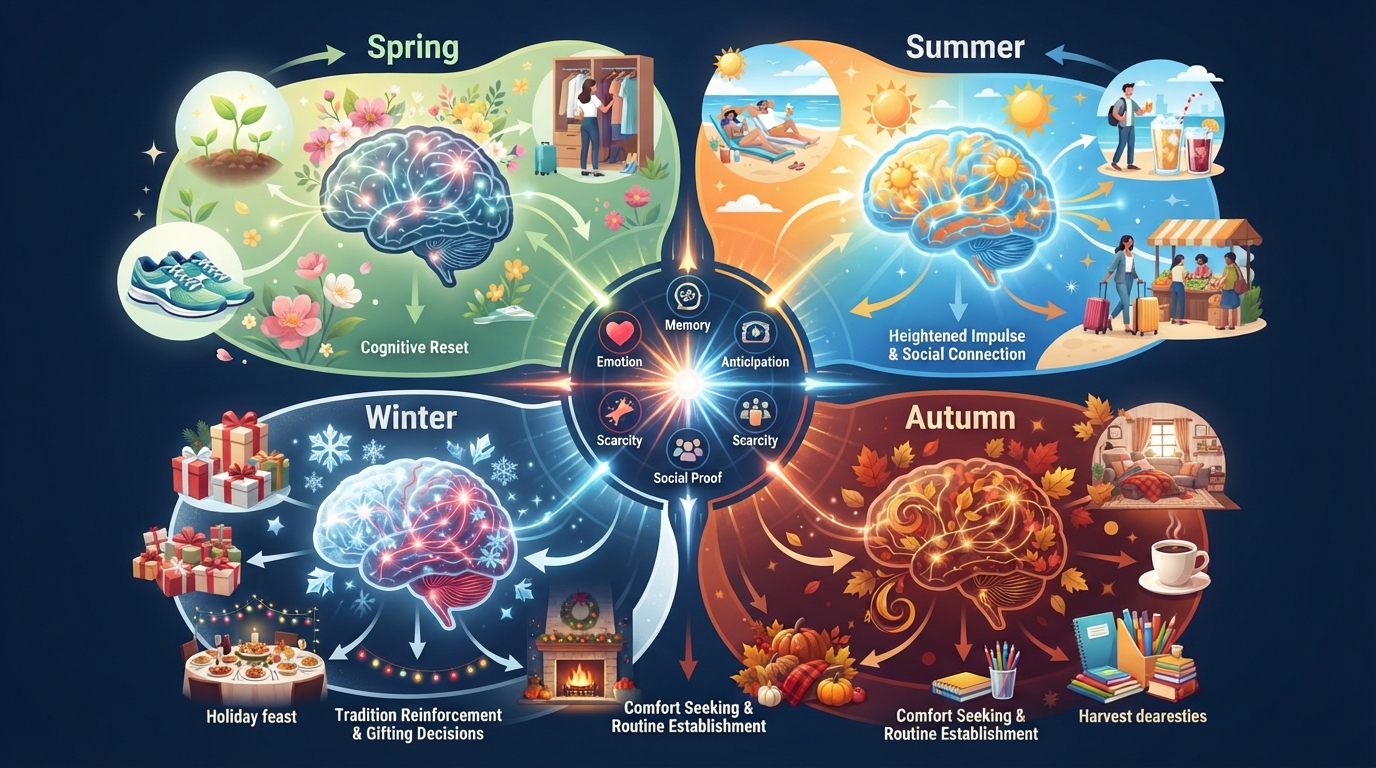

Seasonal marketing is far more than a simple calendar exercise; it is an exploration into consumer psychology, emotional triggers, and shifting purchasing habits. Throughout the calendar year, consumer mindsets undergo distinct shifts driven by weather changes, cultural holidays, fiscal quarters, and personal milestones. Understanding these shifts enables brands to construct campaign messaging that feels timely, natural, and indispensable rather than intrusive.
When consumers transition from one season to another, their urgency and decision-making drivers transform dramatically. According to research published by McKinsey & Company, contextually targeted marketing campaigns aligned with seasonal consumer mindsets yield up to a twenty percent increase in customer engagement and a fifteen percent reduction in customer acquisition cost. When brands tap into established seasonal behaviors—such as the January focus on personal wellness or the November surge in holiday gift-giving—they eliminate the friction typically associated with discovery and purchase decisions.
A major psychological driver behind seasonal initiatives is temporal landmarks. Social psychologists define temporal landmarks as specific calendar moments that demarcate time, such as the start of a new year, the beginning of spring, or a major national holiday. These moments create a mental reset button for consumers, making them exceptionally receptive to new lifestyle habits, product additions, and brand commitments. Incorporating creative seasonal campaign ideas during these pivotal transition windows allows marketing leaders to leverage heightened motivation and emotional openness.
Furthermore, seasonal campaigns inherently create built-in urgency. Because seasonal product offers, limited-edition bundles, or thematic discounts are tied to a specific window of time, they trigger the fear of missing out without appearing manipulative. A limited-time seasonal flavor, an exclusive autumn collection, or a weekend-only summer bundle generates authentic scarcity. When executed with strong brand storytelling techniques, these time-bound incentives drive swift consumer action, improving immediate cash flow while elevating long-term brand affinity.
To capitalize on these psychological momentum builders, modern organizations must combine intuitive storytelling with rigorous market data. Utilizing analytical tools such as Google Trends allows digital marketers to identify precise demand spikes for relevant product categories months before peak search volume occurs. By analyzing search queries, social media chatter, and historical sales patterns, brands can formulate a proactive holiday marketing calendar that aligns product inventory, creative assets, and paid media investments with actual market demand.
Finally, effective seasonal initiatives must look beyond single-transaction surges. While driving immediate volume during peak shopping windows is crucial, the ultimate objective of a comprehensive marketing program is long-term retention. Converting seasonal shoppers into repeat buyers requires seamless post-purchase communications, personalized retargeting, and continuous value delivery. When brands treat seasonal marketing as a strategic engine for multi-touch customer acquisition, every calendar milestone becomes an opportunity to expand audience size, refine customer data profiles, and build lasting equity.
Seasonal Campaign Ideas: Rebuilding and Refreshing Brand Momentum

First-quarter marketing presents a unique duality for consumer brands. On one hand, consumers are experiencing post-holiday shopping fatigue and tightening their discretionary spending. On the other hand, Q1 brings a wave of personal reinvention, goal setting, and fresh starts. Harnessing successful seasonal campaign ideas in Q1 requires brands to pivot from heavy discount messaging to value-oriented, aspirational, and transformative narratives.
New Year and Self-Improvement Transformations
The start of January represents the ultimate temporal landmark. Consumers actively seek solutions that facilitate health, productivity, financial wellness, organization, and personal development. Brands across every industry—including software, fitness, apparel, food, and home goods—can capitalize on this mindset by positioning their offerings as essential tools for achieving personal goals.
Instead of launching generic New Year sales, create educational content series, interactive challenge programs, or curated starter kits. For example, a home organization brand can launch a 30-Day Declutter Challenge supported by video guides, daily checklists, and bundled product discounts. A software platform can offer goal-tracking templates and host live webinars focused on professional productivity. By offering genuine value first, brands establish credibility and build deep customer trust during a month when consumers are wary of aggressive sales pitches.
Valentine’s Day and Modern Relationship Dynamics
Valentine’s Day marketing has evolved far beyond traditional romantic couples. Modern consumers use mid-February to celebrate self-love, friendships (Galantine’s Day), pet companionship, and family connections. Expanding your target audience for Valentine’s Day allows your brand to capture diverse purchasing streams and maximize campaign reach.
Develop campaigns centered around appreciation, self-care, and thoughtful gifting. Interactive gift finders, personality-based product recommendation quizzes, and customizable bundle offers work exceptionally well during this period. E-commerce brands should highlight express shipping deadlines and clear return policies to alleviate last-minute purchase anxiety. Integrating email marketing automation sequences that send timely reminders to past buyers based on their previous purchase history ensures your brand remains top-of-mind when decision time arrives.
St. Patrick’s Day and Early Spring Transitions
As March approaches, consumer focus shifts toward breaking out of winter hibernation. St. Patrick’s Day offers an playful, vibrant opportunity for quick-turn flash promotions, themed product drops, and engaging social media contests. Utilizing green-themed visuals, mystery discounts, or lucky scratch-off digital cards drives immediate click-through rates and reinvigorates purchase momentum.
Simultaneously, late Q1 marks the beginning of early spring cleaning and lifestyle refreshes. Consumers begin preparing for warmer weather, spring travel, and outdoor activities. Highlighting spring preparation through curated product updates, home refresh guides, and early-bird promotional offers sets the stage for a smooth revenue transition into the second quarter.
Seasonal Campaign Ideas: Capitalizing on Growth, Renewal, and Warmth

Second-quarter marketing centers on energy, outdoor activity, family celebrations, and mid-year refreshes. As weather warms across major markets, consumer spending expands into travel, apparel, gardening, home improvement, and outdoor entertaining. Aligning your seasonal campaign ideas with this influx of optimism and social activity yields remarkable returns across both direct-to-consumer and business-to-business sectors.
Easter and Spring Renewal Campaigns
Easter and the broader arrival of spring symbolize renewal, rebirth, and family gatherings. Marketing campaigns during late March or early April should incorporate bright visual palettes, uplifting messaging, and interactive digital experiences. Digital egg hunts hosted on your website, where visitors search for hidden discount codes or bonus loyalty points across product pages, significantly boost session duration and product exploration.
Spring renewal campaigns also serve as an ideal context for eco-friendly messaging and sustainability initiatives. Modern consumers increasingly support brands that demonstrate environmental responsibility. Launching campaigns that highlight sustainable manufacturing, green packaging, or tree-planting partnerships during Earth Day and spring renewal windows strengthens brand positioning and resonates deeply with conscious consumers.
Mother’s Day and Father’s Day Emotional Storytelling
Mother’s Day and Father’s Day represent two of the largest retail spending events in Q2. Because these holidays are rooted in familial gratitude, emotional storytelling and personalized marketing strategies outperform pure price-driven discounts. Highlighting genuine human stories, user-generated content, and meaningful gift narratives creates a powerful bond with prospective buyers.
Offer personalized gift curation tools that guide shoppers based on recipient hobbies, preferences, and lifestyle needs. Furthermore, compassionate marketing has become an industry best practice: provide opt-out options via email for customers who find Mother’s Day or Father’s Day sensitive or difficult. Demonstrating empathy in your marketing communications builds long-term brand integrity and deep customer loyalty.
Memorial Day and Mid-Year Kickoff Blitzes
Memorial Day weekend serves as the unofficial kickoff to summer and stands as a pivotal sales event for major retail categories. High-ticket items such as furniture, appliances, outdoor gear, and mattresses traditionally experience massive demand spikes during this long weekend.
To cut through intense promotional noise during Memorial Day, execute an integrated omnichannel marketing strategy. Synchronize paid digital advertising, SMS broadcasts, influencer partnerships, and on-site banners to deliver a cohesive message. Implementing tiered discount structures—such as Save More when You Spend More—encourages higher average order values while giving consumers clear financial incentives to complete their purchases immediately.
Seasonal Campaign Ideas: Leveraging Summer Energy and Back-to-School Readiness
Third-quarter marketing navigates the peak of summer relaxation alongside the high-stakes preparation for the upcoming academic year. Q3 requires agility, as consumer attention shifts from outdoor leisure in July to focused, high-volume spending in August and September. Structuring dynamic seasonal campaign ideas for Q3 ensures steady revenue generation throughout these transitioning summer months.
Summer Solstice and Travel-Centric Promotions
July is characterized by travel, outdoor living, and warm-weather leisure. Brands operating in travel, fashion, beauty, food, and beverage experience natural alignment with summer lifestyle themes. However, even non-retail or technical B2B brands can engage audiences by adopting lighthearted, summer-focused creative themes and vacation-ready messaging.
Promotions centered around summer travel essentials, heatwave survival guides, or outdoor entertainment bundles resonate strongly. Interactive social media campaigns that encourage customers to share photos of your product in use at vacation destinations foster organic engagement and user-generated content. Rewarding top user submissions with store credit or exclusive travel merchandise generates authentic brand enthusiasm that paid ads cannot replicate.
Back-to-School and Back-to-College Revenue Blitz
Back-to-School shopping represents the second-largest consumer spending season of the year, spanning K-12 requirements, college dorm preparation, and workplace productivity resets. From late July through early September, parents, students, and educators actively purchase apparel, electronics, stationery, room décor, and everyday essentials.
To dominate the back-to-school window, streamline the shopping experience through category-specific landing pages and curated supply checklists. Offering student and teacher discounts verified through identity platforms builds trust and secures lifetime customer relationships early. Implementing retargeting campaigns aimed at cart abandoners with clear, value-driven messages ensures your brand captures high-intent shoppers during this fast-paced purchasing cycle.
Labor Day Clearances and Autumn Previews
Labor Day marks the transition from summer leisure to fall routine. It presents a vital opportunity to clear remaining summer inventory through end-of-season warehouse sales while teasing upcoming autumn product lines.
Utilize countdown timers, limited-stock alerts, and progressive discount models to accelerate inventory clearance. Simultaneously, offer early-bird access to autumn collections exclusively for loyalty club members or email subscribers. This dual-purpose strategy clears warehouse space for holiday stock while expanding your high-value subscriber list ahead of the crucial fourth quarter.
Seasonal Campaign Ideas: Mastering the Peak Holiday Shopping Rush
The fourth quarter is the undisputed heavy-weight revenue generator for consumer industries worldwide. Spanning Halloween, Thanksgiving, Black Friday, Cyber Monday, Hanukkah, Christmas, and New Year’s Eve, Q4 contains the highest concentration of commercial intent of the entire year. Deploying sophisticated seasonal campaign ideas in Q4 requires precision, technical stability, advanced audience segmentation, and flawless logistics execution.
Halloween and Early Autumn Gamification
Halloween kickstarts the festive Q4 holiday run. It offers brands an ideal playground for fun, eerie, and highly visual campaign concepts that boost social media interaction and brand awareness.
Gamification is exceptionally effective during Halloween. Deploy interactive website experiences, such as Trick or Treat spin-to-win wheels, spooky trivia quizzes, or mystery coupon unboxings. A study by HubSpot emphasizes that interactive content elements generate up to two times more conversions than static landing pages. Coupling interactive mechanics with playful visual assets drives impulse purchases and builds early shopping momentum leading into November.
Black Friday and Cyber Monday (BFCM) Dominance Framework
Black Friday and Cyber Monday have expanded from a single weekend into a month-long promotional festival. Standing out amidst unprecedented inbox clutter and ad unit competition demands meticulous advance planning, aggressive creative testing, and rock-solid site optimization.
Begin warming up target audiences in late October by offering VIP early access sign-ups. Building an exclusive BFCM waitlist grants high-intent shoppers early entry to top doorbuster deals while gathering valuable first-party data. During the peak shopping window, utilize real-time inventory counters, dynamic shipping threshold bars, and instant one-click checkout options to maximize conversion rate optimization. Ensure your digital infrastructure can handle extreme traffic spikes without performance degradation.
Christmas, Year-End Gifting, and Shipping Deadline Urgency
Following BFCM, the holiday focus transitions directly to gift selection, shipping deadlines, and last-minute holiday preparations. During December, marketing messaging must pivot from steep discounting to convenience, reliable delivery, and gift presentation.
Feature detailed Holiday Gift Guides categorized by price point, recipient personality, or interest area. Display prominent, live dynamic countdown banners informing shoppers of remaining days and hours to place orders for guaranteed Christmas delivery. As physical shipping deadlines pass, immediately transition promotional efforts toward digital gift cards, instant e-vouchers, and buy-online-pickup-in-store options. This ensures your brand captures high-margin revenue right up to Christmas morning.
Channel Performance Comparison for Seasonal Campaigns
Choosing the appropriate marketing channels for deploying your seasonal offers directly impacts overall return on investment and campaign scalability. Different channels fulfill distinct roles within the customer acquisition journey, ranging from top-of-funnel discovery to bottom-of-funnel immediate conversion. Utilizing data from leading industry benchmarks compiled by Statista, the comparative matrix below outlines performance characteristics across major digital channels.
| Marketing Channel | Primary Strategic Objective | Average ROI Potential | Conversion Speed | Recommended Campaign Lead Time | Target Audience Precision |
| Email Marketing | Direct Sales & Retention | Very High ($36-$42 per $1 spent) | Immediate (0-24 Hours) | 1-2 Weeks Pre-Launch | Exceptionally High (First-Party Data) |
| Paid Search (PPC) | High-Intent Acquisition | High | Fast (1-3 Days) | 2-3 Weeks Pre-Launch | High (Keyword Intent Driven) |
| Paid Social Ads | Discovery & Retargeting | Moderate to High | Medium (2-7 Days) | 3-4 Weeks Pre-Launch | High (Demographic & Behavioral) |
| SMS Marketing | Urgent Flash Sales | High | Instant (Minutes to Hours) | 3-5 Days Pre-Launch | Very High (Opt-In Subscribers) |
| Influencer Partnerships | Brand Awareness & Trust | Moderate | Medium (3-10 Days) | 6-8 Weeks Pre-Launch | Moderate (Audience Alignment) |
| Content & SEO | Organic Traffic Growth | Extremely High (Long-Term) | Gradual (Months) | 8-12 Weeks Pre-Launch | Broad (Organic Search Intent) |
As illustrated by this comparison, combining high-intent conversion channels like email and SMS with top-of-funnel discovery channels like paid social creates a balanced marketing ecosystem. While SEO and content strategies require longer lead times to index and rank, they deliver compound organic returns that lower long-term customer acquisition cost. Aligning channel selection with campaign timing and budget ensures maximum operational efficiency.
Critical Mistakes to Avoid When Deploying Seasonal Campaign Ideas
- Even well-funded marketing campaigns can underperform if operational, creative, or strategic missteps occur during execution. Recognizing common execution pitfalls allows brand leaders to build safeguards into their planning process and protect campaign profit margins.
- Failing to Plan Inventory and Logistics Early: Over-promoting items that quickly go out of stock frustrates consumers and damages brand reputation. Always synchronize marketing launch schedules directly with warehouse inventory levels and supplier shipping lead times.
- Relying Exclusively on Heavy Price Discounting: Perpetual deep discounting erodes profit margins and trains consumers to wait for sales rather than purchasing at full price. Balance price promotions with non-discount value adds, such as exclusive bundles, gift packaging, or loyalty reward points.
- Ignoring Mobile User Experience Optimization: Over sixty percent of seasonal e-commerce traffic originates on mobile devices. Cluttered mobile layouts, slow image loading speeds, or overly complex checkout forms will severely degrade conversion rates.
- Neglecting Email and SMS List Segmentation: Sending generic blast messages to your entire subscriber list increases unsubscribe rates and hurts deliverability. Segment lists by past purchasing habits, engagement levels, and product preferences to ensure relevant messaging.
- Disregarding Post-Campaign Customer Retention: Acquiring new buyers during peak seasonal pushes is expensive. Failing to follow up with post-purchase onboarding sequences, thank-you messages, and re-engagement offers wastes the long-term value of those newly acquired customers.
Expert Insights for Maximizing Campaign ROI and Dwell Time
- To outperform competitors during crowded seasonal windows, brands must go beyond standard marketing tactics and incorporate advanced optimization strategies. Industry experts emphasize the importance of creative differentiation, hyper-personalization, and continuous technical refinement.
- Deploy Dynamic Personalization at Scale: Leverage dynamic content modules within email templates and website banners to show product recommendations tailored to each individual user’s past browsing history. Personalized experiences drastically increase click-through rates and average order values.
- Optimize Content for On-Page Dwell Time: Incorporate rich visual assets, interactive product configurators, embedded video guides, and dynamic FAQ modules on primary seasonal landing pages. Elevating on-page engagement signals to search engines enhances organic rankings while keeping prospective buyers immersed in your brand story.
- Utilize Smart Scarcity and Social Proof: Integrate live social proof notifications—such as displaying recent purchases or dynamic inventory badges indicating remaining stock—to create authentic urgency. Combine social proof elements with clear, visible shipping guarantees to drive swift checkout completions.
Implement Advanced Audience Exclusions in Paid Media: Save ad spend by actively excluding recent purchasers from conversion-focused ad sets. Redirect those saved ad dollars toward prospect retargeting or dedicated post-purchase cross-sell campaigns.
Continuous A/B Testing of Creative Elements: Never rely on a single creative angle or ad headline during peak campaign runs. Continuously test ad headlines, hero imagery, button copy, and primary value propositions to identify and scale winning variations rapidly.
Final Strategic Assessment
Successful seasonal campaign execution is a continuous process of strategic planning, creative storytelling, technical execution, and iterative learning. By building a diversified promotional calendar that spans all four quarters, your organization can smooth out annual revenue fluctuations and build sustainable, long-term brand equity. Focus on delivering genuine value, personalizing user experiences, optimizing conversion touchpoints, and prioritizing long-term customer retention over short-term sales spikes.
Frequently Asked Questions
1. What are seasonal campaign ideas and why are they vital for businesses?
Seasonal campaign ideas are targeted marketing initiatives designed around specific calendar seasons, national holidays, cultural events, or seasonal consumer behavior shifts. They are vital because they capitalize on existing consumer intent, heightened buying interest, and natural temporal landmarks. By aligning promotional messaging with what consumers are actively thinking about, brands can increase engagement, lower acquisition costs, elevate conversion rates, and drive predictable revenue growth throughout the operating year.
2. How far in advance should a brand begin planning a major seasonal campaign?
For major shopping events like Black Friday, Cyber Monday, or Q4 holiday gifting, brands should begin strategic planning three to four months in advance. This lead time allows for inventory forecasting, creative asset development, landing page buildouts, and ad copy testing. For smaller single-day holidays or mid-season flash promotions, a planning window of three to six weeks is generally sufficient. Advanced planning prevents operational bottlenecks and ensures marketing channels are synchronized seamlessly prior to launch.
3. How can B2B companies effectively execute seasonal campaign ideas?
While seasonal marketing is often associated with B2C retail, B2B companies can achieve significant results by tailoring campaigns around fiscal year-ends, tax quarters, budget planning windows, and industry conference seasons. For example, B2B brands can offer end-of-year software spend incentives, fiscal Q1 productivity tool kits, or mid-year operational review resources. Aligning B2B outreach with corporate budget cycles and professional milestones creates compelling urgency that drives software sign-ups and service contract renewals.
4. What are the best strategies to avoid margin erosion from constant seasonal discounting?
To protect profit margins during seasonal pushes, brands should incorporate non-discount value additions into their campaign strategy. Instead of reducing base product prices, offer exclusive value-add bundles, free premium shipping, complimentary gift wrapping, bonus loyalty points, or gift-with-purchase items. These tactics create strong consumer incentives and elevate perceived value without eroding product margin standards or training your audience to hold out for price cuts.
5. How can e-commerce brands maximize email marketing performance during peak season?
Maximizing email performance requires strict list segmentation, personalized messaging, and pre-campaign deliverability hygiene. Clean your email list prior to peak season to remove inactive addresses and protect sender reputation. Segment subscribers based on past purchase history, average spending tier, and engagement frequency. Utilize dynamic product recommendation blocks, engaging subject lines, urgent pre-header copy, and automated abandoned cart recovery flows to capture maximum high-intent revenue.
6. What role does social proof play in driving seasonal campaign conversions?
Social proof plays a pivotal role in validating purchase decisions during high-stakes shopping periods. Presenting user-generated content, customer star ratings, real-time purchase counters, and authentic customer testimonials on landing pages reduces buyer hesitation. According to consumer insights published by Gartner, shoppers are significantly more likely to complete a purchase on a new website during high-volume sales events if verified social proof elements are prominently visible throughout the checkout journey.
7. How do you measure the true success of a seasonal marketing campaign?
Measuring seasonal campaign success requires tracking both short-term transactional metrics and long-term customer value indicators. Key metrics include total gross revenue, return on ad spend (ROAS), conversion rate, average order value (AOV), net new customer acquisition count, and email/SMS list growth rate. Additionally, measure post-campaign retention rates and repeat purchase rates over the subsequent 90 days to evaluate whether the campaign acquired high-value, sustainable customers or merely one-time bargain hunters.
8. What is the most effective way to re-engage customers after a seasonal sale ends?
Post-campaign re-engagement requires structured onboarding and lifecycle communication. Send automated post-purchase emails offering product usage tips, care guides, or related tutorials to enhance customer satisfaction. Follow up two to three weeks later with a personalized cross-sell offer or an invitation to join your brand loyalty program. Demonstrating continuous value after the initial transaction fosters trust and transforms temporary seasonal buyers into long-term brand advocates.
9. How can small businesses compete against big enterprise brands during crowded holiday seasons?
Small businesses can compete effectively by focusing on agility, authenticity, niche personalization, and exceptional customer service. Rather than competing directly on massive ad spend or extreme price cuts, highlight your brand story, handcrafted quality, local connections, or eco-friendly practices. Create unique curated gift sets, offer personalized customer service touches like handwritten thank-you notes, and execute highly targeted long-tail search and localized social media ad campaigns.
10. How can brands effectively integrate omnichannel strategies into seasonal campaigns?
Executing a successful omnichannel marketing strategy requires delivering a consistent brand message and unified offer across every customer touchpoint. Ensure visual branding, promotional codes, and value propositions are perfectly aligned across your website, email communications, SMS broadcasts, paid digital ads, social channels, and physical store locations (if applicable). Utilizing centralized inventory management and cross-channel tracking platforms guarantees a seamless user experience regardless of where the customer chooses to discover and purchase.
Executing successful seasonal campaign ideas requires strategic foresight, audience segmentation, and seamless cross-channel execution. By aligning your brand narrative with seasonal consumer intent, you build momentum that lasts far beyond individual holidays. Start planning your upcoming promotional calendar today, leverage customer data, and launch compelling seasonal experiences that convert casual browsers into lifetime customers.
Conclusion
Executing impactful seasonal campaign ideas requires strategic foresight, creative storytelling, and data-driven cross-channel execution. By aligning your brand promotions with shifting consumer intent throughout the year, you build sustainable growth and long-term customer loyalty. Ready to maximize your revenue? Contact our team today to build your customized promotional marketing roadmap.
FAQ
1. What are seasonal campaign ideas and why are they vital for businesses?
Seasonal campaign ideas are targeted marketing initiatives designed around specific calendar seasons, national holidays, cultural events, or seasonal consumer behavior shifts. They are vital because they capitalize on existing consumer intent, heightened buying interest, and natural temporal landmarks. By aligning promotional messaging with what consumers are actively thinking about, brands can increase engagement, lower acquisition costs, elevate conversion rates, and drive predictable revenue growth throughout the operating year.
2. How far in advance should a brand begin planning a major seasonal campaign?
For major shopping events like Black Friday, Cyber Monday, or Q4 holiday gifting, brands should begin strategic planning three to four months in advance. This lead time allows for inventory forecasting, creative asset development, landing page buildouts, and ad copy testing. For smaller single-day holidays or mid-season flash promotions, a planning window of three to six weeks is generally sufficient. Advanced planning prevents operational bottlenecks and ensures marketing channels are synchronized seamlessly prior to launch.
3. How can B2B companies effectively execute seasonal campaign ideas?
While seasonal marketing is often associated with B2C retail, B2B companies can achieve significant results by tailoring campaigns around fiscal year-ends, tax quarters, budget planning windows, and industry conference seasons. For example, B2B brands can offer end-of-year software spend incentives, fiscal Q1 productivity tool kits, or mid-year operational review resources. Aligning B2B outreach with corporate budget cycles and professional milestones creates compelling urgency that drives software sign-ups and service contract renewals.
4. What are the best strategies to avoid margin erosion from constant seasonal discounting?
To protect profit margins during seasonal pushes, brands should incorporate non-discount value additions into their campaign strategy. Instead of reducing base product prices, offer exclusive value-add bundles, free premium shipping, complimentary gift wrapping, bonus loyalty points, or gift-with-purchase items. These tactics create strong consumer incentives and elevate perceived value without eroding product margin standards or training your audience to hold out for price cuts.
5. How can e-commerce brands maximize email marketing performance during peak season?
Maximizing email performance requires strict list segmentation, personalized messaging, and pre-campaign deliverability hygiene. Clean your email list prior to peak season to remove inactive addresses and protect sender reputation. Segment subscribers based on past purchase history, average spending tier, and engagement frequency. Utilize dynamic product recommendation blocks, engaging subject lines, urgent pre-header copy, and automated abandoned cart recovery flows to capture maximum high-intent revenue.