


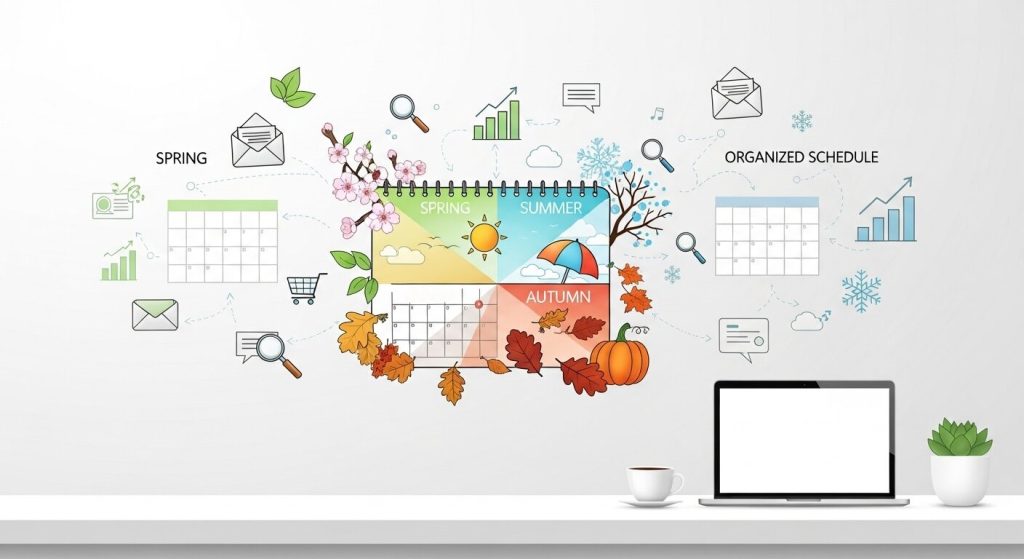
Scrambling to send a holiday promotion the day before Thanksgiving is a stressful experience for any marketing team. Without a clear plan, you risk sending rushed messages that fail to resonate with your audience. A well-organized seasonal email marketing campaign calendar eliminates this panic. It gives you the structure needed to create thoughtful, highly effective promotions well in advance.
Seasonal marketing capitalizes on the natural shifts in consumer behavior throughout the year. People shop differently in December than they do in July. By aligning your messages with these predictable shifts, you increase the relevance of your brand. Customers pay attention when an email directly addresses their current mindset, seasonal needs, or upcoming celebrations.
Developing a comprehensive calendar requires a bit of upfront work, but the payoff is substantial. You gain the ability to map out your revenue targets, coordinate with your design and copywriting teams, and test different strategies without the pressure of a looming deadline.
This guide outlines exactly how to build a seasonal email marketing campaign calendar from scratch. You will learn how to identify the most profitable holidays for your specific industry, structure a step-by-step planning process, and execute campaigns that consistently drive engagement and sales.
The Core Benefits of Seasonal Planning

A proactive approach to your email marketing campaign changes how your entire team operates. Planning your seasonal outreach months in advance brings several distinct advantages to your business.
Increased Message Relevance
Consumers receive dozens of promotional emails every day. To stand out in a crowded inbox, your message must feel immediately relevant to the recipient. Seasonal planning allows you to tailor your content to the exact moment your customer opens the email. A spring cleaning promotion for a homewares brand or a back-to-school discount for a stationery company makes logical sense to the buyer. This high level of relevance naturally leads to higher open rates and better click-through metrics. Pairing email with seasonal hashtag strategies that drive Instagram engagement can further amplify your reach.
Better Team Alignment and Resource Management
An effective email marketing campaign rarely happens in a vacuum. It requires seamless coordination between copywriters, graphic designers, marketing managers, and inventory specialists. A shared calendar provides a single source of truth for everyone involved. Your design team knows exactly when assets are due. Your inventory team can ensure adequate stock levels for promoted items. This alignment prevents bottlenecks and ensures the final email goes out exactly as planned.
Improved Budget Allocation
Marketing budgets are finite. When you map out your entire year, you can allocate your financial resources more strategically. You might decide to spend heavily on custom photography for your winter holiday emails, while opting for a more minimalist design approach during the slower summer months. A calendar gives you a bird’s-eye view of your upcoming expenses, helping you maximize your return on investment.
Key Seasons to Anchor Your Calendar
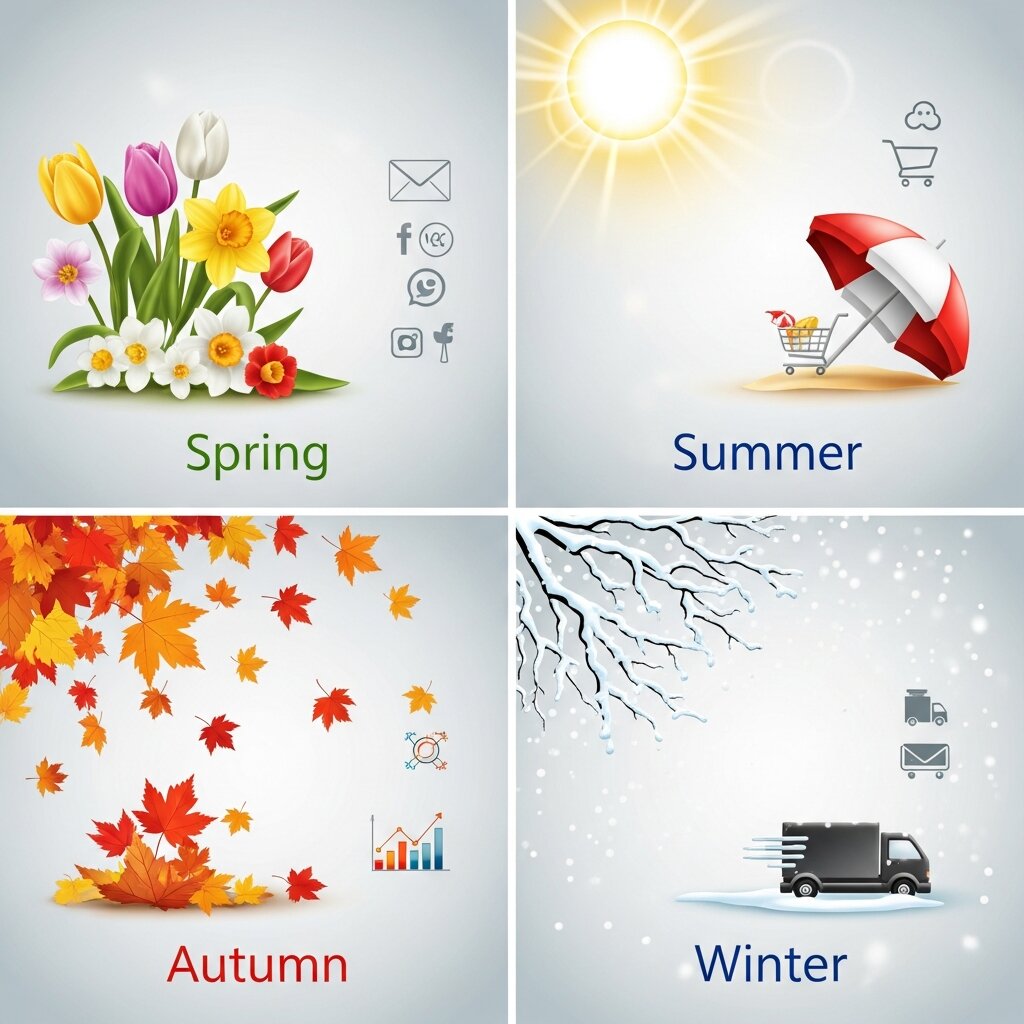
Every business experiences different peaks and valleys in customer demand. However, a few major seasonal shifts influence almost every industry. You can use these broad categories as the foundation of your email marketing campaign calendar.
Spring: Refresh, Renew, and Reorganize
Spring represents a time of renewal. Consumers are eager to shake off the winter chill, clean their homes, and update their wardrobes. This season is perfect for campaigns centered around organization, fresh starts, and outdoor preparation. Mother’s Day and Easter also fall within this window, providing excellent opportunities for targeted gift guides and exclusive promotions.
Summer: Travel, Leisure, and Relaxation
The summer months often bring a shift toward leisure, travel, and outdoor gatherings. While B2B companies sometimes see a dip in engagement as decision-makers take vacations, B2C brands can capitalize on the desire for summer fun. Consider running an email marketing campaign focused on travel accessories, summer reading lists, or products that enhance outdoor entertaining. Fourth of July and Father’s Day are major anchors for summer promotions.
Autumn: Routine, Education, and Early Shopping
As the weather cools, consumers settle back into structured routines. Back-to-school season dominates late summer and early autumn. Even if you do not sell educational supplies, you can theme your emails around getting back to business or establishing healthy habits. Late autumn introduces the most critical period for many retailers: Black Friday and Cyber Monday. Planning for this massive shopping event should begin months in advance.
Winter: The Holiday Rush and New Year Resolutions
Winter is defined by major gift-giving holidays and the subsequent focus on self-improvement in January. Your December email marketing campaign should emphasize convenience, fast shipping, and last-minute gift solutions. If you want a deeper execution strategy, explore how to plan a winter campaign that doubles your revenue.
Step-by-Step Guide to Building Your Calendar
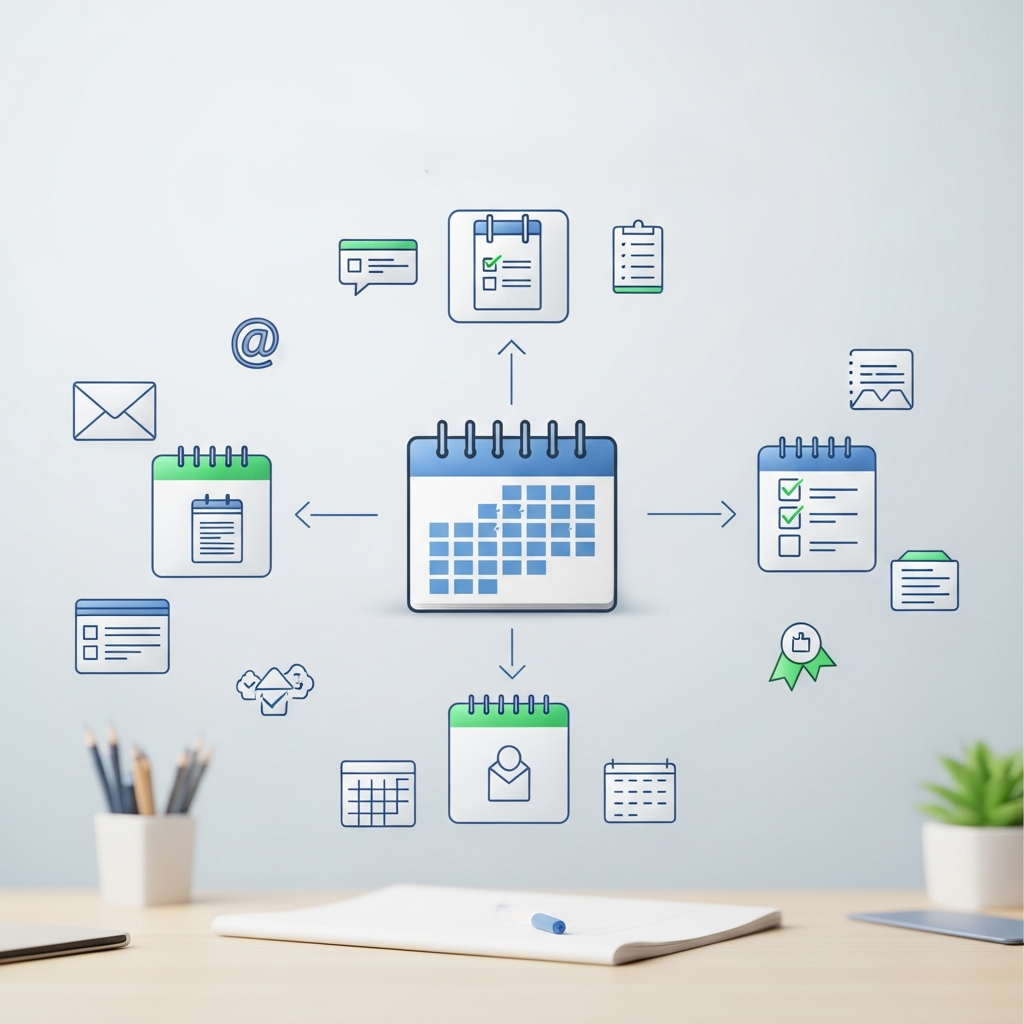
Creating your seasonal calendar is a systematic process. By breaking the task down into manageable steps, you can build a robust strategy for the entire year.
Step 1: Audit Your Previous Year
Before you look forward, you must look back. Analyze the performance of your previous email marketing campaigns. Identify which emails generated the highest revenue, the best open rates, and the most clicks. Look for unexpected successes and analyze campaigns that fell flat.
Pay close attention to the timing of your most successful sends. Did your audience respond better to early Black Friday teasers, or did they prefer day-of discounts? Use this historical data to inform your decisions for the upcoming year. If a specific spring promotion drove massive sales last year, make a note to replicate and improve upon that strategy this year.
Step 2: Select Your Target Holidays
You do not need to send an email for every single obscure holiday. Flooding your subscribers’ inboxes with irrelevant promotions can lead to high unsubscribe rates. Instead, select the dates that naturally align with your brand identity and product offerings.
A pet supply company should definitely highlight National Dog Day, while a software company might safely ignore it. Write down a list of major holidays, seasonal shifts, and niche events that make sense for your specific audience. These selected dates will serve as the anchor points for your calendar.
Step 3: Define Campaign Goals and Offers
Every email marketing campaign needs a clear, measurable objective. Are you trying to clear out old inventory? Are you launching a new product line? Do you want to drive traffic to a specific blog post?
Once you establish the goal, determine the offer. Will you provide a percentage discount, free shipping, a complimentary gift, or exclusive early access? Map out the specific offer for each holiday on your calendar. This prevents you from running the exact same promotion every month, keeping your messaging fresh and engaging.
Step 4: Map Out the Email Sequence
A single email rarely constitutes a full campaign. For major seasonal events, you need a sequence of messages to build anticipation and drive urgency. A typical promotional sequence includes:
- The Teaser: A hint that something exciting is coming soon.
- The Announcement: The official launch of the sale or seasonal collection.
- The Reminder: A follow-up highlighting popular items or answering common questions.
- The Last Chance: A final push creating urgency before the offer expires.
Block out the specific send dates for each email in the sequence. Ensure you leave enough space between emails to avoid overwhelming your subscribers.
Step 5: Assign Deadlines and Responsibilities
A calendar only works if people adhere to it. For every scheduled email marketing campaign, work backward to set strict deadlines for asset creation.
Assign a due date for the initial copywriting brief. Set a deadline for the first draft of the email copy. Establish a date for the graphic design team to deliver the images. Finally, set a date to load, test, and schedule the email in your sending platform. Assign a specific team member to own each step of the process, ensuring total accountability.
Step 6: Plan Your Audience Segmentation
Sending the same email to your entire list is rarely the best approach. Different segments of your audience have different needs and purchasing behaviors.
As you build your calendar, note how you will segment your list for specific campaigns. For a Mother’s Day campaign, you might want to create a segment of customers who purchased women’s jewelry last year. You can also offer an “opt-out” segment for sensitive holidays, allowing subscribers to mute emails about certain topics without unsubscribing from your entire list.
Essential Tools for Managing Your Strategy
You need the right tools to keep your seasonal email marketing campaign organized. Your email service provider also plays a crucial role. To improve performance further, you can follow proven email marketing tips for seasonal campaign success and integrate them into your workflow.
For larger teams, project management software provides better visibility and collaboration. Platforms like Asana, Trello, or Monday.com allow you to create distinct tasks for every email. You can attach copy documents, upload design files, and tag team members directly within the platform.
Your email service provider also plays a crucial role. Platforms like Mailchimp, Klaviyo, or ActiveCampaign offer built-in scheduling tools. Once your assets are ready, you can load your emails into the system and schedule them to send automatically on your chosen dates.
Testing and Optimizing Throughout the Year
Your calendar should be a living document. Even the best-laid plans require adjustments based on real-time data.
Incorporate A/B testing into your seasonal strategy. Test two different subject lines for your Valentine’s Day teaser email to see which generates a higher open rate. Test two different call-to-action buttons for your summer clearance sale to see which drives more clicks.
Review your metrics after every major seasonal push. If a particular sequence underperformed, adjust your strategy for the next holiday on the calendar. Continuous optimization ensures your email marketing campaign becomes more effective as the year progresses.
Frequently Asked Questions
What is a Seasonal Email Marketing strategy?
Seasonal Email Marketing is a strategy where businesses plan email campaigns around holidays, seasons, and key shopping events to improve engagement and sales.
Why is Seasonal Email Marketing important for businesses?
Seasonal Email Marketing helps brands connect with customers at the right time when buying interest is naturally higher, increasing conversions.
How do I start Seasonal Email Marketing for my business?
Start Seasonal Email Marketing by identifying key holidays, setting campaign goals, and creating a yearly email calendar in advance.
What are the benefits of Seasonal Email Marketing?
Seasonal Email Marketing improves relevance, boosts open rates, increases sales, and helps teams plan campaigns more efficiently.
How often should I send emails in Seasonal Email Marketing campaigns?
In Seasonal Email Marketing, frequency depends on the event, but major campaigns usually include a teaser, announcement, reminder, and last-chance email.
Which holidays work best for Seasonal Email Marketing?
Common Seasonal Email Marketing opportunities include New Year, Valentine’s Day, Easter, Black Friday, Cyber Monday, and Christmas.
Do I need discounts for every Seasonal Email Marketing campaign?
No, Seasonal Email Marketing can also include guides, tips, product highlights, and storytelling without always offering discounts.
How does segmentation improve Seasonal Email Marketing results?
Segmentation in Seasonal Email Marketing helps send more personalized messages to different customer groups, improving engagement and conversions.
What tools are best for Seasonal Email Marketing?
Tools like Mailchimp, Klaviyo, and ActiveCampaign help automate and manage Seasonal Email Marketing campaigns effectively.
How early should I plan Seasonal Email Marketing campaigns?
It’s best to plan Seasonal Email Marketing at least a few months in advance to ensure better design, copy, and strategy execution.
Can Seasonal Email Marketing work for small businesses?
Yes, Seasonal Email Marketing is highly effective for small businesses because it helps them compete with larger brands through timely offers.
How do I measure success in Seasonal Email Marketing?
You can measure Seasonal Email Marketing success by tracking open rates, click-through rates, conversions, and overall revenue generated.
How far in advance should I plan my email marketing campaign calendar?
Ideally, you should outline your major seasonal anchors for the entire year in January. However, the specific details—like subject lines, exact discounts, and design briefs—should be finalized at least four to six weeks before the scheduled send date. This gives your team ample time to create high-quality assets.
Do I have to offer a discount for every seasonal holiday?
Absolutely not. Constant discounting can devalue your brand and train your customers to only buy when items are on sale. You can celebrate a season by offering curated gift guides, highlighting new seasonal content, or providing helpful advice related to the holiday.
How many emails should I send during a major event like Black Friday?
The ideal frequency depends on your specific audience and industry. Many brands find success sending three to five emails over the Black Friday weekend. This usually includes an early access email, a launch announcement, a Saturday reminder, and a final Cyber Monday push. Monitor your unsubscribe rates closely to ensure you are not causing inbox fatigue.
What should I do during the slow seasons?
Every business has slow periods. Use this downtime to focus on relationship-building rather than hard sales. Send educational content, share behind-the-scenes stories about your brand, or ask for customer feedback through surveys. Keeping your audience engaged during the slow months ensures they are ready to buy when the busy season returns.
Turn Your Seasonal Strategy Into Consistent Revenue
A disorganized approach to your email marketing campaign leaves money on the table. It causes unnecessary stress for your marketing team and results in disjointed messaging for your customers. Taking the time to map out a seasonal calendar transforms your email strategy from a frantic scramble into a predictable revenue engine.
Start by auditing your past performance and identifying the holidays that matter most to your audience. Outline your goals, map out your email sequences, and assign clear deadlines to your team. With a solid calendar in place, you can finally stop reacting to the changing seasons and start capitalizing on them. Open a blank spreadsheet or project management board today, and begin plotting your most successful year of email marketing yet.