The rise of kid influencers has sparked a global debate, raising complex questions for parents, brands, and society. The discussion around should kids be social media influencers involves weighing financial opportunity against potential psychological and developmental risks.
This article provides a comprehensive look into the world of child influencing. We will explore the potential benefits, such as financial security and skill development, alongside significant risks like exploitation, mental health challenges, and privacy concerns. You’ll gain a clear understanding of the legal landscape, ethical considerations, and practical advice for navigating this modern phenomenon.
The Allure of the Kid Influencer: A Double-Edged Sword
The concept of a child earning a substantial income by simply playing with toys or sharing their daily life online seems like a modern-day fairy tale. For many families, the path to becoming a social media influencer appears paved with opportunity, fame, and financial freedom. Platforms like YouTube and TikTok have turned ordinary children into global celebrities, commanding audiences of millions and attracting lucrative brand deals. This phenomenon, however, invites a critical question that parents and society must grapple with: should kids be social media influencers?
The answer is far from simple. On one hand, becoming an influencer can provide children with valuable skills, from video production and public speaking to understanding the basics of branding and marketing. It can open doors to unique experiences and secure a financial future before they even finish high school. Some argue that it’s a modern form of child acting, simply adapted for the digital age.
On the other hand, this digital stage comes with significant perils. The line between a family sharing their life and a commercial enterprise built on a child’s image can become dangerously blurred. Issues of labor exploitation, the psychological pressure of constant performance, and the permanent loss of privacy are serious concerns. The digital footprint created in childhood is indelible, potentially affecting a person’s life long after they’ve moved on from their influencer days. This article will dissect both sides of this complex issue, providing a balanced view to help you form an informed opinion.
The Perceived Positives: Why Families Pursue Influencer Status
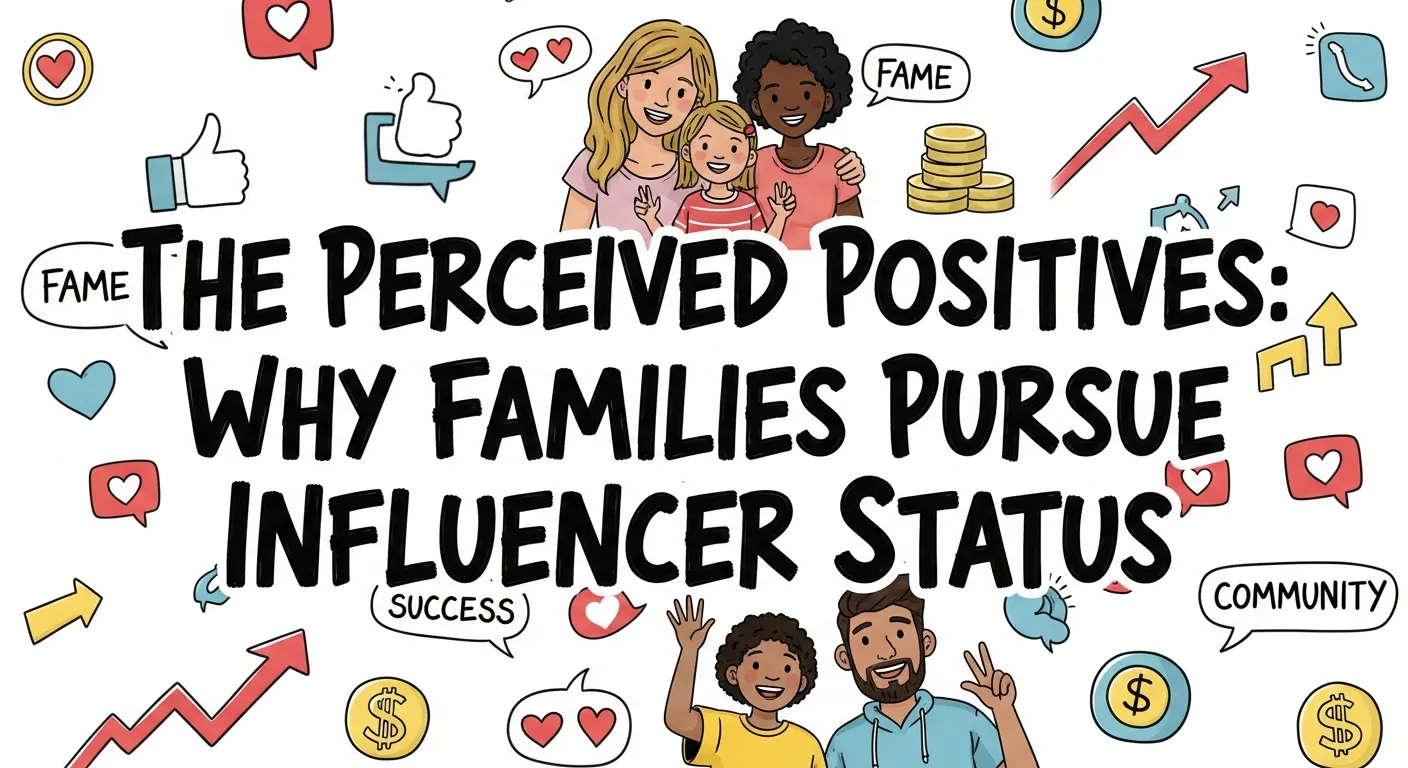
While the risks are substantial, it’s important to understand the motivations driving families toward this career path. The benefits, both tangible and intangible, can be incredibly appealing.
Financial Opportunities and Early Savings
The most obvious draw is the potential for significant income. Top kid influencers can earn millions of dollars annually through advertising revenue, sponsored content, and merchandise sales. This income can set a child up for life, covering future education costs, housing, and providing a level of financial security most adults never achieve. When managed responsibly, these earnings can grow into a substantial nest egg, offering a powerful head start. Successful influencer channels often require a solid how to make a social media marketing plan to maximize these financial gains.
Development of Modern Skills
Participating in content creation can equip children with a unique and valuable skill set that is highly relevant in today’s digital economy. These skills include:
- Content Production: Learning the technical aspects of filming, lighting, sound recording, and video editing.
- Communication and Performance: Gaining confidence in front of a camera, honing public speaking skills, and learning how to engage an audience.
- Digital Literacy: Developing a deep understanding of how social media platforms work, including analytics and audience engagement metrics. Tools like SEMrush offer insights into digital trends that can inform content strategy.
- Entrepreneurship: Gaining firsthand experience in building a brand, negotiating with companies, and understanding the fundamentals of business. This is essentially a crash course in what is branding in marketing.
Unique Experiences and Opportunities
Being a social media influencer can open doors to experiences that are otherwise inaccessible. This can include:
- Traveling to exclusive events and destinations.
- Receiving pre-release products from major brands.
- Collaborating with other famous creators and celebrities.
- Participating in media interviews and public appearances.
These experiences, while exciting, are part of a broader brand promotion strategy that companies use to reach younger demographics through a trusted voice.
The Darker Side: Risks and Ethical Quandaries
The glamour of being a kid influencer often conceals a host of serious risks. These challenges can have lasting negative effects on a child’s development, mental well-being, and future. The central question of should kids be social media influencers becomes much more critical when these downsides are considered.
Labor, Exploitation, and Legal Gray Areas
Unlike traditional child actors, who are protected by labor laws that regulate working hours and mandate trust accounts for their earnings, the world of social media influencing is largely unregulated. This “wild west” environment creates a significant risk of exploitation.
- Unregulated Work Hours: Children may be required to be “on” 24/7, with pressure to constantly create content, even during vacations or when they are unwell.
- Financial Exploitation: Parents have complete control over the earnings, and there is often no legal requirement to set aside a portion of the income for the child. This can lead to situations where a child works for years with no financial benefit to show for it in adulthood.
- Lack of Consent: Very young children cannot meaningfully consent to having their lives broadcast to the world. They are participants in a career they did not choose and may not understand. This raises deep ethical questions about parental responsibility.
The Psychological Toll of Constant Scrutiny
Growing up in the public eye is immensely challenging. For a child whose brain is still developing, the psychological pressures can be overwhelming.
- Performance Pressure: Kid influencers may feel a constant need to be happy, energetic, and entertaining for the camera. This can stifle their ability to express genuine emotions and lead to burnout.
- Negative Feedback and Bullying: The internet is rife with negativity. Children are exposed to harsh criticism, hateful comments, and online bullying on a massive scale, which can severely damage their self-esteem and marketing impact childrens emotional health.
- Identity Formation: When a child’s identity is fused with their online persona, it can be difficult for them to develop a stable sense of self outside of their influencer role. Their self-worth may become dangerously tied to likes, views, and subscriber counts.
The Vanishing Act of Privacy
Perhaps the most significant long-term consequence is the complete erosion of privacy. Every moment—from birthday parties and family holidays to tantrums and trips to the doctor—can become content.
- Permanent Digital Footprint: The content posted online is permanent. Embarrassing or deeply personal moments from childhood can be accessed forever, potentially affecting future relationships, education, and career opportunities like finding New Seasons Market jobs.
- Safety Risks: Sharing a child’s location, school, and daily routines can pose a real-world safety threat, making them vulnerable to stalking or other dangers.
- Loss of a Normal Childhood: A childhood spent creating content is fundamentally different from a typical one. The spontaneity of play is replaced by scripted scenarios, and private family moments become public performances.
Benefits vs. Risks
|
Aspect |
Potential Benefits |
Potential Risks |
|---|---|---|
|
Financial |
High earning potential, financial security, trust fund for the future. |
Financial exploitation by parents, no guaranteed access to earnings, mismanagement of funds. |
|
Skills |
Development of digital marketing, video production, and communication skills. |
Focus on “soft” skills over formal education, burnout from constant content creation. |
|
Psychological |
Increased confidence, sense of accomplishment. |
Anxiety, depression, identity issues, damage from online bullying, pressure to perform. |
|
Social |
Access to unique opportunities and events, building a community. |
Isolation from peers, inability to form genuine relationships, distorted social development. |
|
Privacy & Safety |
Learning about online safety from a young age. |
Permanent loss of privacy, risk of stalking, digital kidnapping, future reputational harm. |
|
Labor |
Gaining early work experience and an understanding of business. |
Violation of child labor principles, no regulated work hours, exploitation for profit. |
Expert Tips and Common Mistakes
For families who choose to venture down this path, navigating it responsibly is paramount. Understanding best practices and common pitfalls can help mitigate some of the inherent risks.
Pro Tips for Responsible “Sharenting”
- Prioritize the Child’s Well-Being: The child’s desire to participate must be the primary driver. If they lose interest or show signs of stress, it’s time to stop. Their mental and emotional health should always come before views or brand deals.
- Establish Clear Boundaries: Designate “no-camera” times and places. Family vacations, private conversations, and emotional moments should remain private. This helps the child understand the difference between their life and their “job.”
- Secure Their Financial Future: Work with a financial advisor and a lawyer to set up a trust account (like a Coogan Account, where applicable) that legally protects a percentage of the child’s earnings for their future. This is a non-negotiable step for ethical child influencing.
- Educate and Empower: Teach the child about internet safety, digital citizenship, and the commercial nature of their work. As they get older, involve them in the business decisions. This knowledge is crucial for anyone looking into how to become a social media influencer.
- Monitor Mental Health: Maintain open communication about their feelings. Be vigilant for signs of anxiety, depression, or burnout. Professional therapy can provide a safe space for them to process the pressures of their unique situation.
Common Mistakes to Avoid
- Ignoring the Child’s Wishes: Forcing a child to perform or create content when they don’t want to is a form of exploitation.
- Sharing Too Much Information (TMI): Posting content about sensitive topics like potty training, medical issues, or moments of distress violates a child’s dignity and right to privacy.
- Neglecting Education: Prioritizing content creation over schoolwork can have serious long-term consequences for the child’s academic and intellectual development.
- Failing to Plan for the Exit: The life of an influencer is often short-lived. Not having a plan for what comes next can leave a child feeling lost and without purpose once their fame wanes. This is where building a strong foundation in other areas becomes crucial.
- Mismanaging Finances: Spending the earnings on the family’s lifestyle instead of saving and investing for the child’s future is a common and devastating mistake. A strong ‘what is brand marketing strategy’ for the child’s channel must include ethical financial management.
Legal and Ethical Frameworks: The Slow Pace of Regulation
The legal system has been slow to catch up to the rapid growth of the kid influencer industry. While laws like the Children’s Online Privacy Protection Act (COPPA) in the U.S. regulate data collection from children under 13, they do not address the labor or financial exploitation issues.
Some jurisdictions are beginning to take action. For instance, France passed a law in 2020 that provides protections for child influencers similar to those for child models and actors. It requires parents to get permission from local authorities to operate a child’s channel, limits working hours, and mandates that a portion of the earnings be placed in a secure bank account for the child. Illinois recently passed a similar law in the United States, which may set a precedent for other states.
Ethically, the conversation is centered on a child’s right to privacy and the right to an open future. Philosopher Joel Feinberg’s concept of a “right to an open future” argues that a child’s autonomy should be protected so they can make their own life choices as adults. A childhood spent as an influencer, with a permanent digital record and a publicly crafted identity, may infringe upon this right. This is a key part of the debate on why social media is good or bad in this context. It’s not just about content; it’s about the lifelong implications for a developing person.
Understanding how to find influencers on social media is one thing, but understanding the ethical responsibilities when that influencer is a child is a much more complex challenge for brands and marketers.
Conclusion
The question of should kids be social media influencers does not have a one-size-fits-all answer. The potential for financial reward and skill development is undeniably tempting, but it comes at a potentially steep price: a child’s privacy, mental health, and right to a normal upbringing. Without robust legal protections and a strong ethical compass from parents, the risk of exploitation and long-term harm is profound. As a society, we must continue this conversation and advocate for stronger regulations to protect the youngest participants in the digital economy.
If you are considering this path for your family, proceed with extreme caution and prioritize your child’s well-being above all else.
Frequently Asked Questions (FAQs)
1. What is a kid influencer?
A kid influencer is a child who has built a significant following on social media platforms like YouTube, Instagram, or TikTok. They create content that appeals to a specific audience, often other children or parents, and monetize their platform through advertising, brand sponsorships, and merchandise.
2. How much money can a kid influencer make?
Earnings vary dramatically. While most make very little, top-tier kid influencers can earn millions of dollars per year. For example, creators of popular YouTube channels can earn substantial income from ad revenue alone, supplemented by six-figure deals for sponsored content.
3. What are the biggest psychological risks for child influencers?
The main psychological risks include anxiety from performance pressure, depression stemming from online bullying and negative comments, a distorted sense of self-worth tied to online metrics (likes and followers), and identity confusion from blurring the lines between their real self and their online persona.
4. Are there any laws that protect kid influencers?
The legal landscape is still developing. While some places like France and the state of Illinois have passed specific laws to protect child influencers’ earnings and regulate their working hours, most jurisdictions lack comprehensive legislation. This leaves many child influencers without the same protections afforded to traditional child actors.
5. How can parents protect their child if they are an influencer?
Parents can protect their child by establishing a trust account to secure their earnings, setting strict boundaries on filming to ensure a private life, prioritizing school and social activities with peers, monitoring their mental health closely, and being prepared to stop immediately if the child expresses a desire to quit.
6. What is “sharenting” and how is it related to kid influencers?
“Sharenting” is a term for when parents frequently use social media to share content about their children. Kid influencing is often seen as a commercialized and extreme form of sharenting, where the child’s life becomes the primary content for a monetized channel, moving beyond simple family sharing into a business enterprise.
7. How does being a kid influencer affect their social development?
It can negatively impact social development. The child might have less time for unstructured play with peers, which is crucial for learning social skills. Their relationships can also become complicated if peers or others treat them differently because of their fame, potentially leading to feelings of isolation.
8. What happens when a kid influencer grows up?
This is a major concern. As they enter their teenage and adult years, they may no longer wish to be in the public eye. They have to deal with a permanent digital footprint of their entire childhood, which can be embarrassing or damaging. There is also the challenge of transitioning to a new career or identity after their fame fades. A good personal branding for CEOs guide might even take lessons from the pitfalls seen here.
9. What is the role of brands in the ethics of kid influencing?
Brands have an ethical responsibility to ensure they are not contributing to the exploitation of children. This includes working only with families who demonstrate ethical practices, refusing to promote products in a way that puts undue pressure on the child, and advocating for industry-wide standards that protect child creators. Using influencer marketing for product launches involving children requires extra diligence.
10. How is being a kid influencer different from being a child actor?
While both involve performance, child actors are typically protected by strong union rules and labor laws that limit work hours, require on-set tutoring, and mandate that a portion of their earnings (usually 15% via a Coogan account) is saved in a trust. Kid influencers rarely have these protections, making them more vulnerable to labor and financial exploitation.