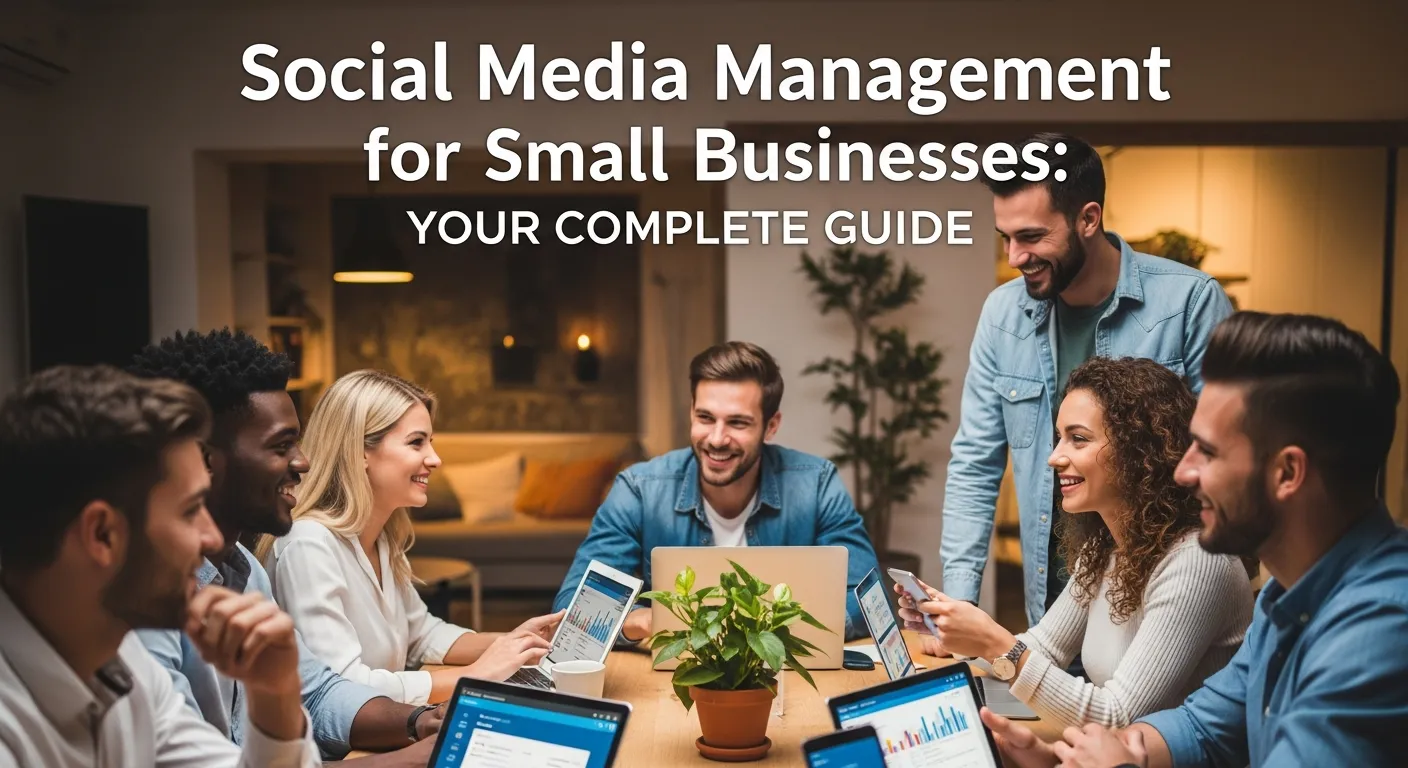
Running a small business means wearing multiple hats, and effective Social Media Management for Small Businesses often feels like one too many to handle alone.
This guide breaks down everything you need for successful Social Media Management for Small Businesses. From developing winning strategies and choosing platforms to creating a sustainable content plan, you will learn practical approaches that fit your budget and schedule. We explore proven tactics to boost engagement and turn followers into loyal customers.
Why Social Media Matters for Small Businesses
Social media levels the playing field between small businesses and large corporations. While you might not have the marketing budget of a Fortune 500 company, you have something they often lack: authenticity and personal connection. Effective Social Media Management for Small Businesses is not just about posting pretty pictures; it’s a core component of modern Digital Marketing and customer relationship management.
Small businesses that master social media enjoy several key advantages.
- Direct Audience Access: Social platforms provide direct access to your target audience at a fraction of traditional advertising costs. This makes Social Media Management for Small Businesses one of the most cost-effective ways to increase Brand Awareness.
- Immediate Feedback: They offer immediate feedback on products, services, and customer satisfaction. This real-time data is invaluable for improving your offerings and overall business strategy.
- Viral Growth Potential: They create opportunities for Viral Marketing that can transform a local business into a regional or national brand overnight.
- Relationship Building: Social media enables relationship-building in ways that traditional marketing cannot. When customers comment on your posts, share their experiences, or tag friends, they’re actively promoting your business to their networks. This word-of-mouth marketing carries more weight than any paid advertisement.
Mastering Social Media Management for Small Businesses means leveraging these advantages to build a community, drive sales, and establish a strong brand presence.
Choosing the Right Platforms for Your Business

A common mistake in Social Media Management for Small Businesses is trying to be everywhere at once. Not all social media platforms serve every business equally well. The key lies in understanding where your customers spend their time and which platforms align with your content strengths and business goals.
Facebook: The Community Builder
Facebook remains the most versatile platform for small businesses. Its mature advertising system, event promotion tools, and community-building features make it ideal for businesses that want to build local connections.
- Best For: Restaurants, retail stores, service providers, community-focused businesses.
- Strategy: Focus on fostering two-way conversations. Use Facebook Groups to build a dedicated community. Run targeted ads to reach specific local demographics. Its powerful tools make it a cornerstone of Social Media Management for Small Businesses.
Instagram: The Visual Showcase
Instagram works best for businesses with a strong visual appeal. Fashion boutiques, food establishments, travel agencies, and creative services thrive on this platform.
- Best For: Visually-driven brands (fashion, food, beauty, design, fitness).
- Strategy: Invest in high-quality photos and videos. Use a mix of Reels for reach, Stories for behind-the-scenes content, and feed posts for polished brand messaging. Collaborating with a Social Media Influencer on Instagram can significantly boost your reach. This is a key tactic in modern Influencer Marketing.
LinkedIn: The Professional Network
B2B companies, consultants, and professional services should prioritize LinkedIn. This platform rewards thought leadership, industry insights, and professional networking.
- Best For: B2B companies, consultants, coaches, professional service providers.
- Strategy: Share valuable articles, case studies, and company updates. Engage with industry leaders and participate in relevant groups. It’s the perfect platform to execute a Personal Brand Strategy for founders and executives.
TikTok: The Trend Creator
While TikTok skews younger, it’s increasingly attracting older demographics. Businesses that can embrace creativity, humor, and trending content often see explosive growth.
- Best For: Brands targeting Gen Z and Millennials, product-based businesses, local services.
- Strategy: Don’t be afraid to be informal and authentic. Participate in trending challenges and use popular sounds. The algorithm rewards creativity, not big budgets, making it a powerful tool in Social Media Management for Small Businesses. This platform is a hub for Trend Marketing.
Other Platforms to Consider
- Pinterest: Ideal for businesses in the DIY, home decor, wedding, food, and fashion niches. It’s a visual discovery engine where users plan purchases.
- X (formerly Twitter): Excellent for real-time updates, customer service, and joining trending conversations. Best for brands with a strong, witty Brand Voice.
- YouTube: The second-largest search engine. Perfect for tutorials, how-to guides, product demonstrations, and brand storytelling through video Content Marketing.
A solid Social Media Management for Small Businesses plan involves picking one or two primary platforms and mastering them before expanding.
Developing Effective Social Media Strategies

Successful Social Media Management for Small Businesses starts with clear objectives. Without specific goals, you’ll struggle to measure success or justify the time investment. Your objectives might include increasing Brand Awareness, driving website traffic, generating leads, boosting sales, or improving customer service.
Define Your Target Audience
Understanding your audience goes beyond basic demographics. Create detailed customer personas that include:
- Pain points and challenges
- Interests and hobbies
- Online behavior and preferred social platforms
- Communication style
This information is the foundation of your entire strategy, guiding content creation, posting schedules, and engagement tactics.
Establish Your Brand Voice
Consistency in tone and messaging builds trust and recognition. Your Brand Voice should reflect your company’s personality while resonating with your target audience. Are you professional and authoritative, friendly and casual, or quirky and creative?
This is where Branding In Marketing becomes powerful. The way you communicate reinforces your Brand Positioning. Document your Brand Voice guidelines to ensure consistency, even if multiple team members manage your accounts.
Set SMART Goals
Your social media goals should be Specific, Measurable, Achievable, Relevant, and Time-bound.
- Poor Goal: “I want more followers.”
- SMART Goal: “I want to increase our Instagram following by 15% in the next quarter by posting three high-quality Reels per week and engaging with 10 accounts in our niche daily.”
Setting clear goals is a non-negotiable part of effective Social Media Management for Small Businesses.
Creating a Sustainable Content Marketing Plan

A well-structured Content Marketing plan prevents last-minute scrambling and ensures consistent messaging. This is a critical pillar of Social Media Management for Small Businesses.
The Content Pillars Strategy
Organize your content around three to five main themes or “pillars.” For example, a local coffee shop might focus on:
- Product Showcase: High-quality images of drinks and pastries.
- Education: Posts about coffee origins and brewing methods.
- Community: Featuring local artists or highlighting regular customers.
- Behind-the-Scenes: Showing the process of roasting beans or baristas at work.
- Promotions: Announcing happy hours or special offers.
The 80/20 Rule
A great rule for Social Media Management for Small Businesses is the 80/20 balance:
- 80% of your content should provide value (entertain, educate, inspire).
- 20% of your content can be promotional (talk about your products, sales).
This ratio keeps followers engaged without feeling constantly sold to, which is crucial for long-term Reputation Management.
Content Types That Drive Engagement
A successful strategy for Social Media Management for Small Businesses includes a mix of content formats.
- Behind-the-Scenes: Humanizes your brand.
- Educational Posts (How-Tos, Tips): Positions you as an expert.
- User-Generated Content (UGC): Builds social proof and community.
- Live Videos: Creates urgency and authenticity.
- Interactive Content (Polls, Quizzes, Questions): Boosts engagement metrics.
- Seasonal Content: Leverage Seasonal Marketing Ideas like Holiday Promotions to stay relevant. For example, a “how to create a summer discount” campaign can drive sales.
Batch Creation and Scheduling
Efficiency is key for sustainable Social Media Management for Small Businesses. Batching similar tasks saves time and mental energy.
- Ideation Session: Brainstorm a month’s worth of content ideas at once.
- Creation Day: Dedicate a day to filming videos and taking photos.
- Scheduling Day: Use a social media scheduling tool (like Buffer, Later, or Hootsuite) to plan and schedule all your posts for the month.
This front-loaded approach frees up your daily schedule to focus on what matters most: engaging with your community.
Boosting Social Media Engagement Strategies
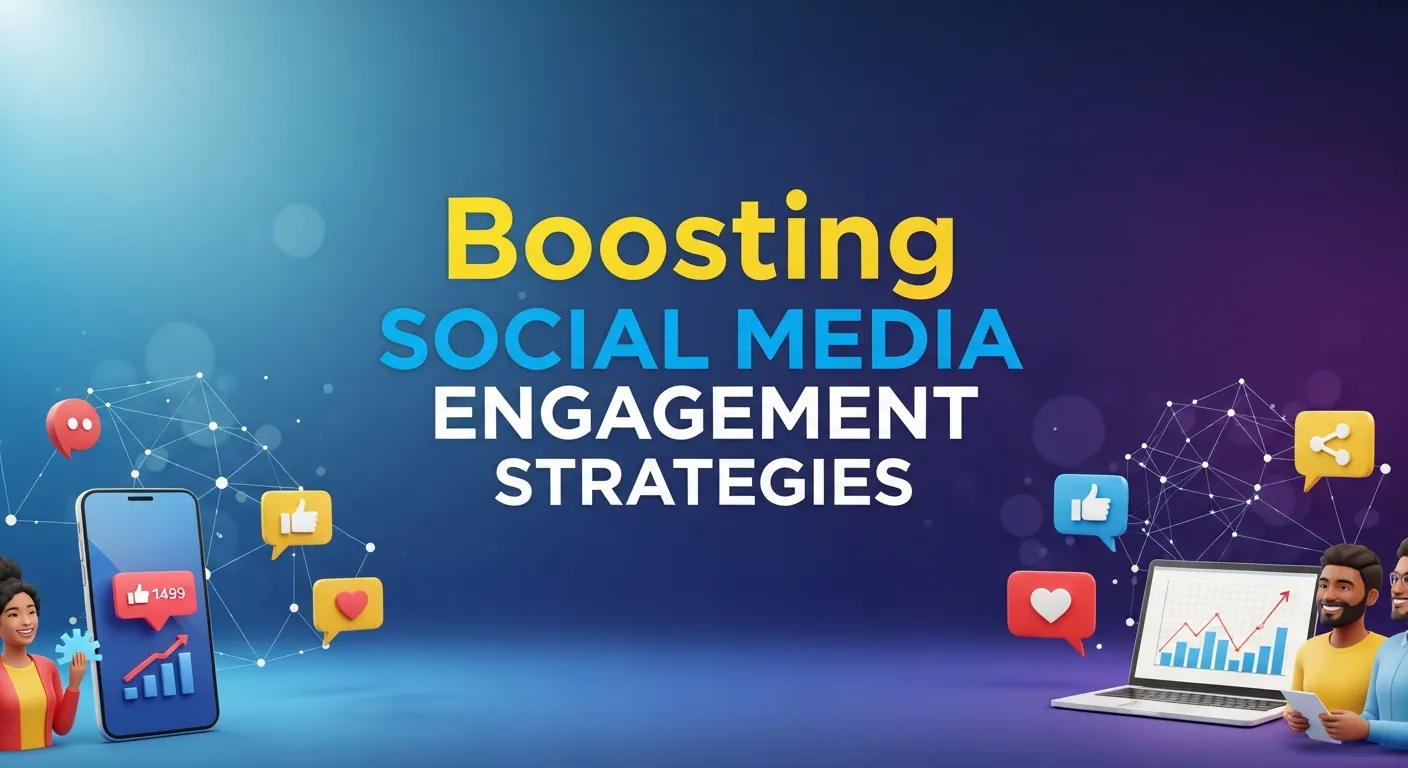
High engagement rates signal to platform algorithms that your content is valuable and deserves wider distribution. For Social Media Management for Small Businesses, the focus should be on creating genuine connections.
The Art of Community Building
Engagement is a two-way street.
- Respond to every comment and direct message promptly.
- Engage with content from your followers and other accounts in your niche.
- Ask open-ended questions in your captions to spark conversation.
- Use Instagram Stories stickers (polls, quizzes, question boxes) to encourage interaction.
This reciprocal approach builds loyalty and turns passive followers into active community members.
A Hashtag Strategy That Works
Hashtags expand your content’s reach. Your strategy should include a mix of:
- Broad Hashtags: High-volume tags related to your industry (e.g., #DigitalMarketing).
- Niche Hashtags: More specific tags that attract a targeted audience (e.g., #SmallBusinessMarketingTips).
- Branded Hashtags: A unique tag for your business (e.g., #[YourBusinessName]).
- Location Hashtags: For local businesses to attract nearby customers (e.g., #ChicagoCoffee).
Research suggests using 5-10 highly relevant hashtags is more effective than spamming 30 generic ones.
Collaboration and Cross-Promotion
Partnering with other businesses or creators is a powerful tactic in Social Media Management for Small Businesses.
- Influencer Marketing: Collaborate with a micro-Social Media Influencer whose audience matches yours. Their endorsement can feel more authentic than a celebrity’s.
- Co-Branding Partnerships: Partner with a complementary local business for a joint giveaway or event.
- Guest Features: Feature an expert on your live stream or invite them to write a guest post.
These collaborations introduce your brand to new, relevant audiences. This is a core part of an Integrated Marketing approach.
Measuring Success and ROI

You can’t improve what you don’t measure. Tracking the right metrics is fundamental to effective Social Media Management for Small Businesses.
Key Metrics to Track
Move beyond vanity metrics (like follower count) and focus on data that impacts your business.
- Engagement Rate: (Likes + Comments + Shares) / Followers. This shows how much your audience resonates with your content.
- Reach and Impressions: How many unique people see your content.
- Website Clicks: How many people are clicking the link in your bio or posts.
- Conversion Rate: Of those who click, how many take a desired action (e.g., sign up for a newsletter, make a purchase)? This is a critical metric for evaluating the success of a Webinar Sales Funnel or e-commerce campaign.
- Audience Growth Rate: The speed at which you gain new, relevant followers.
Using Analytics Tools
- Platform-Native Analytics: Facebook, Instagram, and LinkedIn all provide free, detailed analytics dashboards.
- Google Analytics: Track how much traffic social media sends to your website and what those users do once they arrive.
- Third-Party Tools: Tools like Sprout Social or Agorapulse offer advanced analytics and reporting features.
Review your metrics monthly to identify what’s working and what’s not. Use these insights to refine your strategy for Social Media Management for Small Businesses.
Making Social Media Management Sustainable
The biggest challenge for small business owners is consistency. Burnout is a real threat. Here’s how to make your Social Media Management for Small Businesses sustainable.
- Start Small: Master one platform before adding another.
- Use Templates: Create templates for your graphics and captions to speed up content creation.
- Automate Where Possible: Use scheduling tools to automate posting.
- Outsource When Necessary: When you grow, consider hiring a freelancer or an agency that specializes in Social Media Management for Small Businesses. The investment often pays for itself through better results and freed-up time for you to run your business. Some agencies even offer specialized SEO Services or Email Marketing Tips as part of their packages.
Conclusion
Effective Social Media Management for Small Businesses doesn’t have to be an overwhelming, time-consuming burden. By choosing the right platforms, developing a clear strategy, and creating a sustainable content plan, you can build a powerful online presence. Focus on providing value, building genuine relationships, and consistently showing up. Your authentic Brand Voice will ultimately attract your ideal customers. Start implementing these techniques, measure your results, and adapt your approach over time.
FAQs
1. How much time should a small business spend on social media each day?
There’s no magic number, but a good starting point for effective Social Media Management for Small Businesses is 30-60 minutes per day. This can be broken down into 15 minutes in the morning for posting and responding to comments, and another 15-45 minutes throughout the day for proactive engagement. Batching content creation separately helps make this daily time manageable.
2. Is it better to post every day or a few times a week?
Quality trumps quantity. Posting three high-quality, engaging posts per week is far better than posting seven mediocre ones. The key to good Social Media Management for Small Businesses is consistency. Choose a schedule you can realistically stick to and deliver value with every post.
3. What are the most important metrics to track for a small business?
Beyond follower count, focus on engagement rate, website clicks, and conversions. These metrics show if your content is resonating and, more importantly, if it’s contributing to your business goals. For local businesses, DMs about hours or services are also a key conversion metric.
4. How much should a small business budget for social media marketing?
Your budget can start at $0 if you’re handling the management yourself. If you venture into paid ads, you can start with as little as $5-$10 per day on platforms like Facebook to test what works. If you decide to hire help, freelance Social Media Management for Small Businesses can range from a few hundred to several thousand dollars per month depending on the scope.
5. What are the best tools for social media scheduling?
For small businesses on a budget, great free or low-cost options include Buffer, Later, and Meta Business Suite (for Facebook and Instagram). These tools allow you to plan and schedule content in advance, which is a cornerstone of efficient Social Media Management for Small Businesses.
6. How do I find the right hashtags?
Use a mix of broad and niche hashtags. Look at what competitors and influencers in your space are using. You can also use free online tools to find related hashtags. A good practice in Social Media Management for Small Businesses is to create a saved list of relevant hashtags you can rotate through.
7. What is user-generated content (UGC) and how do I get it?
UGC is any content—photos, videos, reviews—created by your customers rather than your brand. It’s incredibly powerful social proof. Encourage it by creating a branded hashtag, running contests, or simply asking customers to share their photos and tagging your business.
8. Should I be on every social media platform?
No. This is a common mistake in Social Media Management for Small Businesses. It leads to burnout and mediocre content everywhere. Start with the one or two platforms where your target audience is most active. Master those before even considering expanding.
9. How do I handle negative comments or reviews?
Address them quickly, publicly, and professionally. Thank the person for their feedback, apologize for their negative experience, and offer to resolve the issue offline via DM or email. Handled well, a negative comment can become a public display of excellent customer service, which is vital for Reputation Management.
10. When should I consider hiring someone for social media management?
Consider hiring help when you find that you no longer have the time to manage social media consistently, or when you feel your skills are limiting your growth. Outsourcing your Social Media Management for Small Businesses can free you up to focus on other core aspects of running your business.