


Seasonality in marketing leverages predictable changes in consumer behavior due to events, holidays, or weather. Understanding and incorporating seasonal trends into your strategy can boost engagement, improve ROI, and enhance customer loyalty, driving better results for your business.
Marketing is an art, but it’s also a science. It relies heavily on timing, trends, and patterns to catch audiences at the perfect moment. A key concept often overlooked in this process is seasonality. Whether you’re launching a holiday sale, promoting a summer product, or ramping up for back-to-school campaigns, understanding what seasonality is in marketing can give your strategy the competitive edge it needs.
What is Seasonality in Marketing?
What is seasonality in marketing? It refers to the fluctuation in demand, trends, or consumer behavior influenced by recurring events, holidays, or weather changes throughout the year. These are periods when the need for certain products or services spikes or dips due to predictable patterns.
For example:
- Holiday Season: Retail sales boom during Black Friday, Cyber Monday, and Christmas.
- Back-to-School Season: A surge in demand for school supplies occurs every August.
- Summer Vacation Period: Sunscreen, swimsuits, and outdoor equipment experience peak sales from June through August.
Understanding what is seasonality in marketing helps businesses align their campaigns more effectively with consumer behavior, ensuring they maximize impact.
Why is Seasonality Important in Marketing?
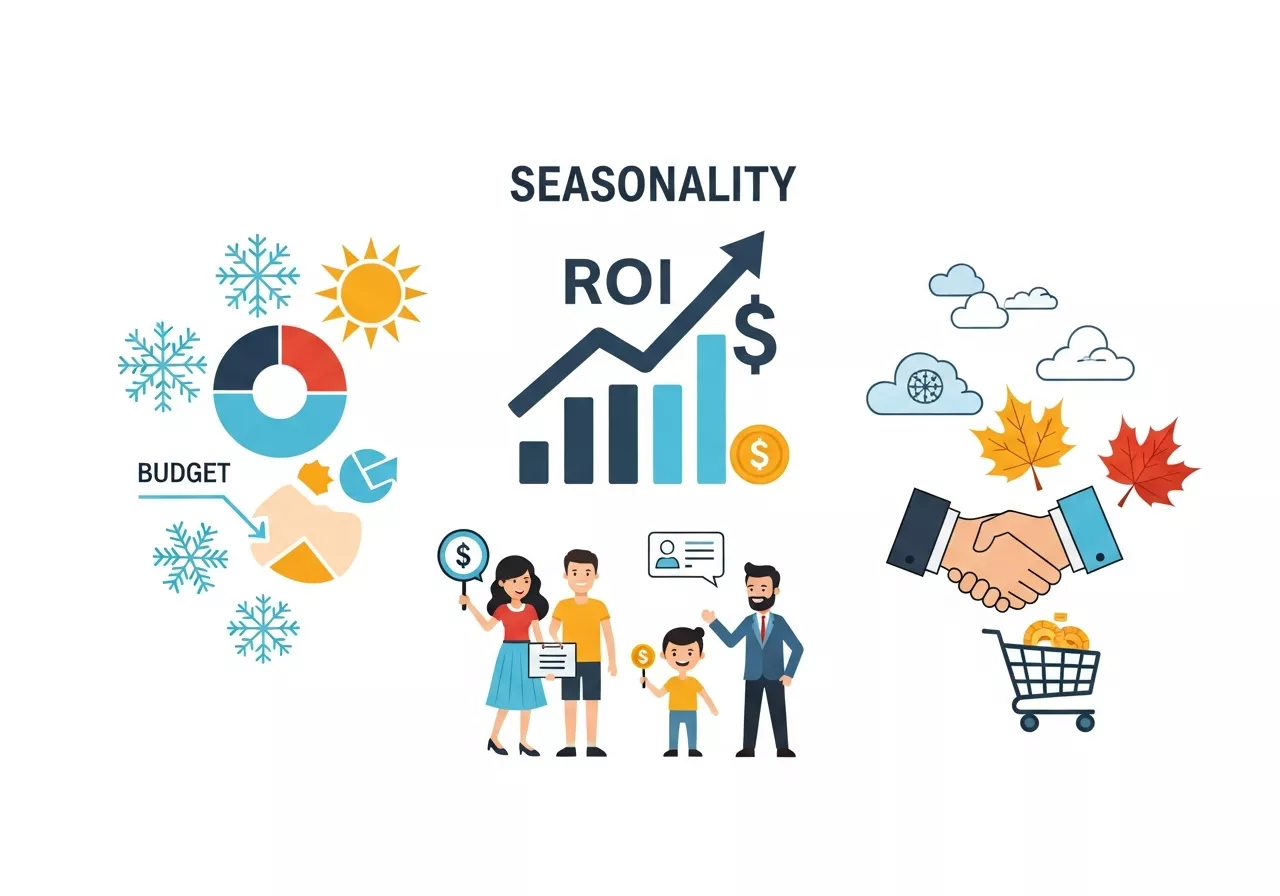

What is seasonality in marketing, and why should you care? It plays a pivotal role in shaping buying decisions. Here’s why marketers should take it seriously:
1. Better Allocation of Resources
When you understand your brand’s seasonal trends, you can allocate budgets more effectively. Imagine running an aggressive pay-per-click (PPC) campaign for sunscreen in December—it’s likely to underperform. Channeling your resources into the summer months instead would yield better results.
2. Higher ROI on Campaigns
Targeting consumers when they’re actively seeking your products can significantly improve conversion rates. What is seasonality in marketing if not a strategic opportunity to hit audiences at the exact moment they’re ready to buy?
3. Improved Competitiveness
During key seasons, your competitors will double down on their efforts. Understanding what is seasonality in marketing ensures you don’t fall behind and enables you to craft campaigns that stand out during high-traffic periods.
4. Enhanced Customer Experience
Seasonal campaigns that resonate with people’s current needs or feelings create more meaningful connections. This personalized touch leaves a lasting impression, building stronger brand loyalty.
Types of Seasonality in Marketing
Now that we understand the importance, let’s explore the types of seasonality that businesses encounter and tie it back to what is seasonality in marketing:
1. Calendar-Based Seasonality
This revolves around set dates or periods in the calendar, including:
- Holidays: Christmas, Easter, Valentine’s Day, and Halloween.
- Cultural Events: Events like the Super Bowl or the Oscars that create high-interest periods.
2. Industry-Specific Seasonality
Some industries naturally align with seasonal trends:
- Fashion: Summer vs. Winter collections.
- Travel and Tourism: Busy holiday periods like Spring Break or festivals such as Oktoberfest.
3. Weather-Based Seasonality
Products tied to weather patterns, like ice cream in summer or space heaters in winter, follow weather-driven seasonal demand. Summer Discount campaigns, for instance, can be particularly effective for products that are linked to warmer months, such as outdoor furniture, swimwear, or travel gear.
4. Regional Seasonality
- Seasonal trends can also vary based on geography. For instance:
- While ski resorts in Colorado thrive during winter, beach destinations in Florida peak during summer.
- Understanding these variations is a core part of grasping what is seasonality in marketing.
How to Identify Seasonal Trends for Your Business

Leveraging seasonality starts with identifying your business’s unique seasonal cycles. This is crucial to understanding what is seasonality in marketing in a practical sense.
1. Analyze Sales Data
Dive into historical sales data to identify patterns. Do you see a spike in certain weeks or months every year? Tools like Google Analytics and Shopify reports can provide valuable insights here.
2. Use Google Trends
Google Trends is an effective (and free!) tool to understand when interest in specific search terms peaks. For example, searching for “pumpkin spice” will reveal massive search traffic in autumn.
3. Survey Customers
Want direct answers? Ask your audience! Use surveys or social media polls to gain insight into when and why they purchase your products.
4. Monitor Competitors
Keep an eye on your competitors’ campaigns. What are they doing during specific seasons, and how can you differentiate your message to stand out?
Seasonal Marketing for Different Business Types
Understanding seasonality in marketing is not a one-size-fits-all approach. Different industries and business models will see different impacts from seasonal trends. For example, a retail store may see a peak in sales during the holiday season, while a fitness brand might focus its efforts on New Year’s resolutions. Knowing how seasonality affects your specific type of business will help you create the right strategies to tap into these peak periods.
How Seasonality Affects Various Businesses
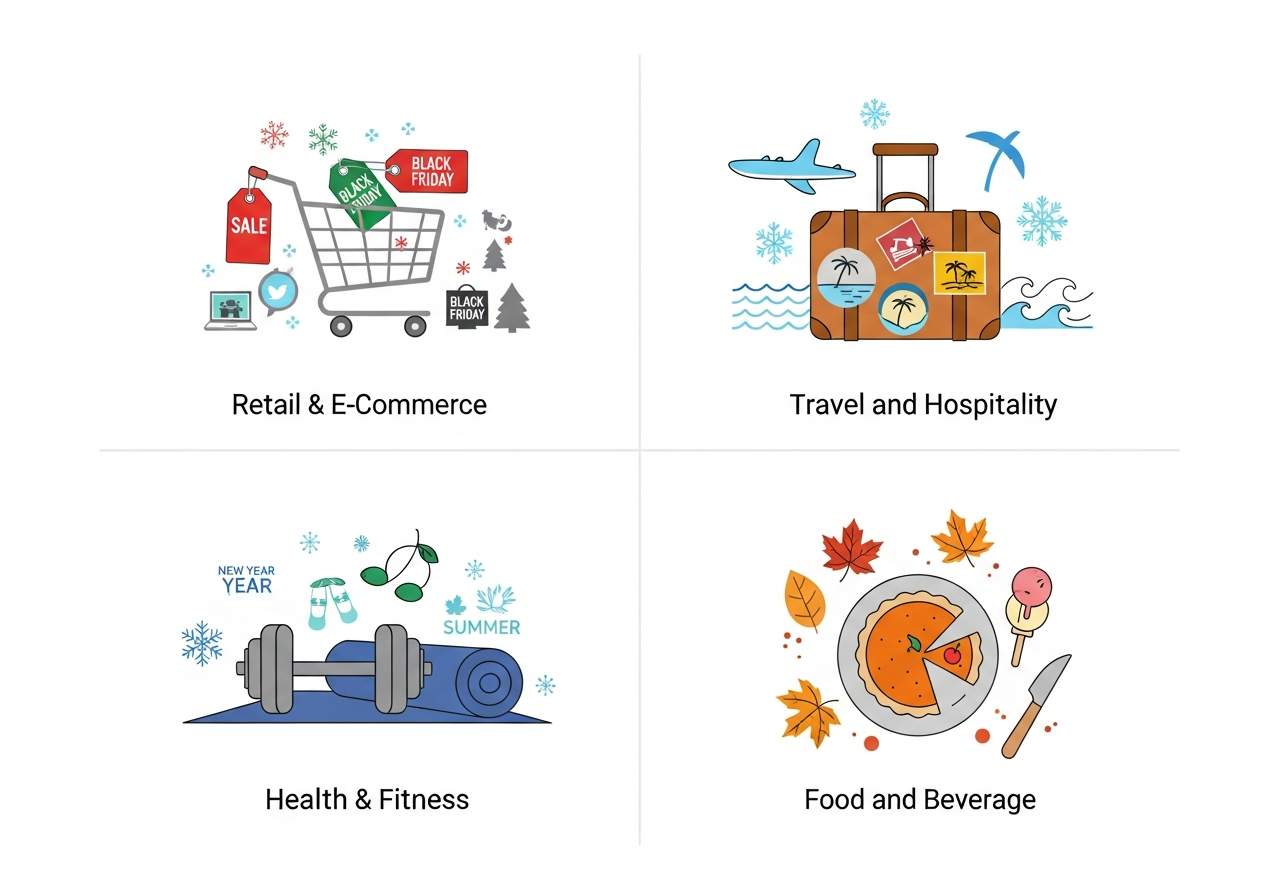
1. Retail and E-Commerce
- Peak Seasons: Holidays like Christmas, Black Friday, Cyber Monday, and seasonal sales (e.g., Summer Sale, Spring Collection).
- Strategies: Focus on aggressive promotions, limited-time offers, and attractive discounts. Personalized offers based on previous customer behavior (email retargeting) can also drive higher conversion rates.
- Tools: Leverage platforms like Shopify or WooCommerce for seasonal themes and targeted discounts.
2. Travel and Hospitality
- Peak Seasons: Summer vacations, school holidays, and cultural events (e.g., Oktoberfest, Spring Break).
- Strategies: Promote early-bird booking offers, exclusive travel packages, and seasonal deals. Highlight destinations that align with the season, such as ski resorts for winter and beaches for summer.
3. Health and Fitness
- Peak Seasons: New Year’s resolutions, summer fitness, and “back to school” wellness campaigns.
- Strategies: Develop content focused on health goals, fitness challenges, or meal prep plans. Offer promotions like free trials or discounted memberships during peak interest periods.
4. Food and Beverage
- Peak Seasons: Holidays (Christmas, Thanksgiving), cultural food events, and seasonal products like ice cream in the summer or pumpkin-flavored goods in the fall.
- Strategies: Seasonal menus, limited-time products, and Instagram-worthy seasonal promotions are a great way to generate interest and drive sales.
The Psychology of Seasonal Shopping
Seasonality in marketing is not just about the calendar—it’s also deeply rooted in human psychology. Consumers behave differently depending on the time of year, influenced by holidays, weather changes, and societal norms. Understanding the psychology behind seasonal shopping can give you a significant edge when planning campaigns.

Psychological Factors Affecting Seasonal Buying
1. Emotional Triggers
- Holidays like Christmas and Valentine’s Day trigger emotions such as joy, generosity, and affection, which can influence purchasing behavior. Consumers are often more willing to spend on gifts, experiences, and indulgences during these times.
2. Social Proof and FOMO (Fear of Missing Out)
- Consumers are more likely to act during peak seasons due to social proof (e.g., seeing others buy gifts or promotions on social media) and the fear of missing out on limited-time deals. Creating urgency (e.g., “Only X items left!”) taps into this psychological bias.
3. Nostalgia
- Marketing campaigns that tap into nostalgia (such as promoting winter holiday traditions or summer family fun) resonate strongly with consumers, enhancing emotional connections and loyalty.
4. Convenience and Time Sensitivity
- During peak seasons, consumers often seek convenience. For instance, during back-to-school shopping, parents are more likely to make quick, on-the-go purchases. Offering fast shipping, easy checkout processes, and value-added services can significantly increase conversions.
5. Self-Image and New Beginnings
- The New Year brings with it an innate desire for self-improvement. Fitness apps, weight loss products, and self-help services are capitalizing on this desire, offering targeted promotions and messages that appeal to consumers’ goals for self-betterment.
Key Tips to Leverage Seasonal Psychology
- Create Urgency: Use limited-time offers, countdowns, and stock alerts to create urgency and FOMO.
- Personalize Offers: Tailor messaging based on the season’s emotional triggers, such as highlighting gifts during Christmas or family vacations during the summer.
- Use Seasonal Language: Incorporate seasonal language (e.g., “Winter Sale,” “New Year, New You”) in your copy to align with consumers’ mindset.
By aligning your marketing campaigns with these psychological drivers, you can increase the likelihood of conversions and customer loyalty during key seasons.
How to Track and Measure the Success of Your Seasonal Campaigns
To truly understand the effectiveness of seasonality in marketing, you need to track and measure the results of your seasonal campaigns. Proper analytics can help you refine future efforts, optimize resource allocation, and maximize ROI.
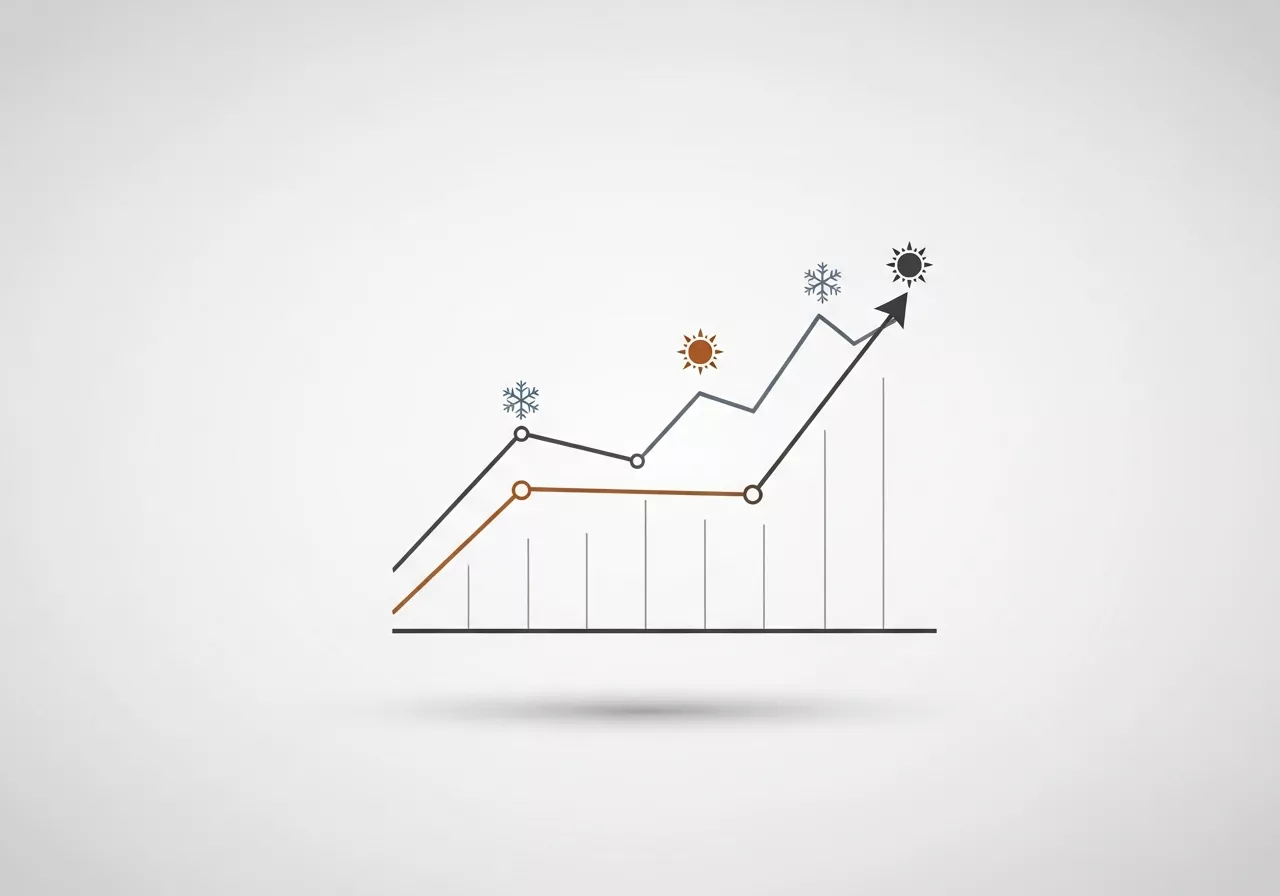
Key Metrics to Track in Seasonal Marketing Campaigns
1. Sales and Revenue Metrics
- What to Track: Monitor changes in sales volume, average order value (AOV), and total revenue during seasonal peaks.
- Why It Matters: Tracking these metrics will help you determine if your seasonal campaigns are driving the expected increase in sales.
2. Customer Acquisition and Retention
- What to Track: Analyze how many new customers you acquire during seasonal promotions, as well as repeat purchases from previous customers.
- Why It Matters: A successful seasonal campaign should not only generate short-term sales but also help build long-term customer relationships.
3. Website Traffic and Engagement
- What to Track: Look at web traffic, bounce rates, and page views during key promotional periods. Pay attention to conversion rates for landing pages.
- Why It Matters: Higher traffic and engagement indicate that your seasonal content is resonating with users, and higher conversion rates show that your campaigns are effective.
4. Email Marketing Metrics
- What to Track: Track open rates, click-through rates (CTR), and conversions from seasonal email campaigns.
- Why It Matters: These metrics help assess the effectiveness of your messaging and targeting during key seasons.
Tracking Tools for Seasonal Campaigns
| Tool | Purpose | What It Measures |
|---|---|---|
| Google Analytics | Website Analytics | Traffic, conversions, bounce rate |
| Mailchimp | Email Campaigns | Open rates, CTR, revenue from emails |
| Shopify Analytics | E-commerce Sales | Sales, AOV, customer acquisition |
| Hootsuite/Buffer | Social Media Performance | Engagement, follower growth, CTR |
These tools give you the data you need to assess whether your seasonal marketing efforts are driving the desired business outcomes.
How to Incorporate Seasonality into Your Marketing Strategy
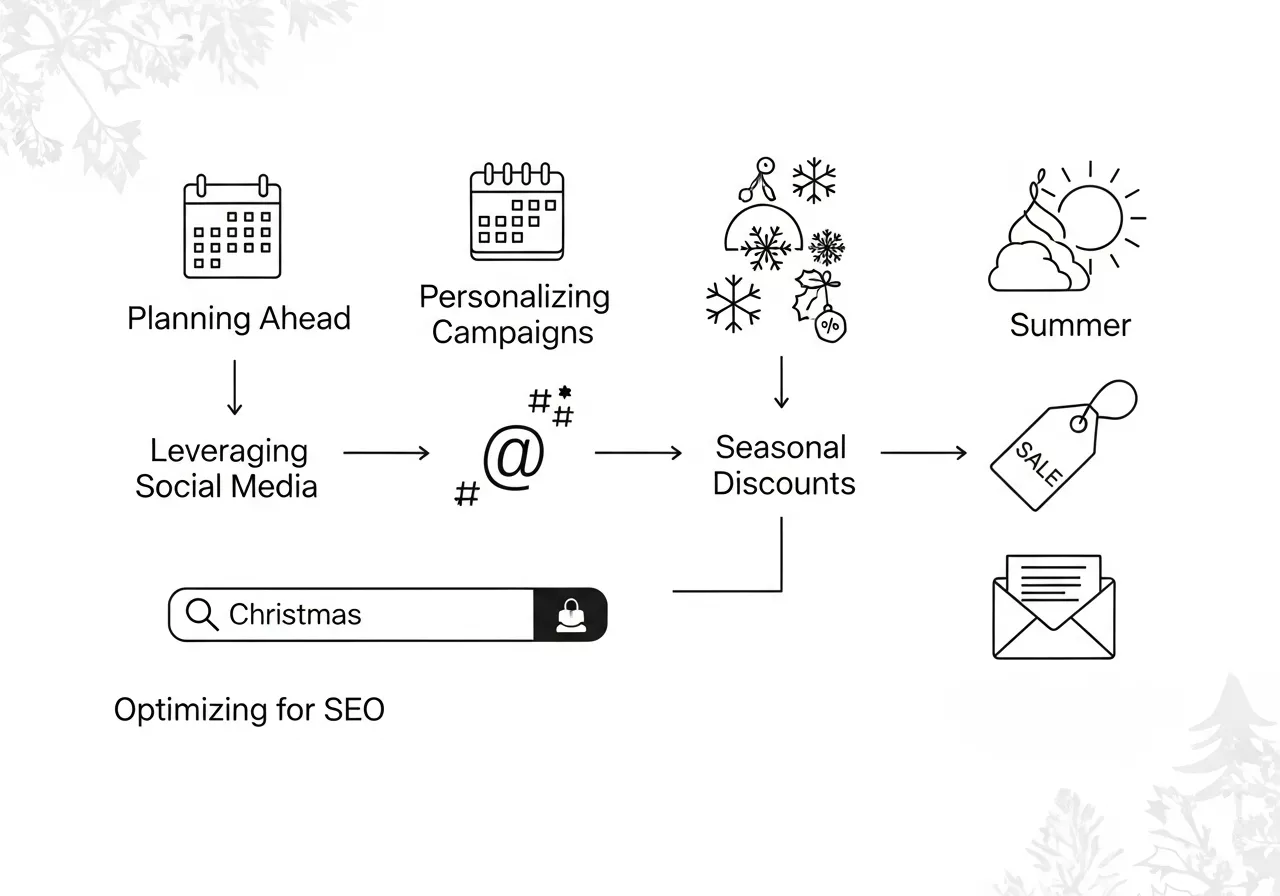
Seasonal marketing isn’t just about promotions; it’s about creating a connection with your audience when they’re most receptive. Understanding what is seasonality in marketing gives you a clear path to follow:
Step 1. Plan Ahead
Great seasonal campaigns take time to plan. Start preparing well before the season begins to ensure you have adequate time for brainstorming, execution, and distribution.
Step 2. Personalize Campaigns to the Season
Tailor your messaging, visuals, and offers to reflect the season. For instance:
- Use snowflakes or winter themes in your holiday campaigns.
- Incorporate bright, sunny colors for summer promotions.
Step 3. Leverage Social Media Buzz
Social channels are the perfect canvas for tapping into seasonal themes. Use trending hashtags like #HolidayShopping or #SummerSale to boost visibility and engagement.
Step 4. Offer Seasonal Discounts
Customers love a good deal, especially during shopping-heavy seasons. Limited-time offers create urgency, encouraging customers to act quickly.
Step 5. Optimize Your Content for Seasonality
SEO can play a major role in amplifying your seasonal marketing efforts. Incorporate seasonal keywords into blog posts, landing pages, and advertisements. For example:
- Instead of “best recipes,” write “best Christmas recipes” during the holiday season.
Step 6. Retarget and Reengage
Don’t forget to retarget customers who’ve interacted with your seasonal campaigns. Use remarketing ads and email campaigns to keep your brand top-of-mind.
Examples of Seasonal Marketing Done Right
1. Starbucks Pumpkin Spice Latte Campaign
Starbucks capitalized on fall vibes with their Pumpkin Spice Latte, making it a highly anticipated seasonal tradition. Their clever use of autumnal imagery and limited-time availability drives massive sales every year.
2. Black Friday Campaigns
Brands like Amazon and Target dominate Black Friday by offering steep discounts paired with robust email, social, and display ad campaigns.
3. Fitness Campaigns in New Year
Gyms and fitness brands like Peloton consistently promote “New Year, New You” messaging to cater to health-conscious resolutions after the holidays.
These examples illustrate what is seasonality in marketing when executed strategically.
Common Pitfalls to Avoid in Seasonal Marketing
- Waiting Too Long: Don’t wait until the season is in full swing to start your campaign. Plan months in advance.
- Overlooking Data: Guessing what’s seasonal for your brand instead of analyzing data can lead to missed opportunities.
- Ignoring Post-Season Opportunities: Follow-up campaigns can keep customers engaged after the season ends.
- Avoiding these mistakes is a key lesson in what is seasonality in marketing.
Putting Seasonality to Work for Your Brand
What is seasonality in marketing? It’s more than just a nice-to-have strategy; it’s essential. By aligning your campaigns with your customer’s natural buying rhythms and behaviors, you can enhance customer engagement, maximize ROI, and build stronger brand loyalty.
Whether you’re promoting holiday deals, launching a summer product line, or gearing up for back-to-school, the key is preparation and precision. Start with analyzing your data, create campaigns that resonate with your audience, and execute them at the right moment.
Now that you understand what is seasonality in marketing, it’s time to put it to work for your business!
FAQ: Seasonality in Marketing
1. What is seasonality in marketing?
Seasonality in marketing refers to fluctuations in demand or consumer behavior that occur at predictable times throughout the year. These fluctuations are often influenced by calendar events (e.g., holidays), weather changes, or cultural trends, and businesses use this knowledge to time their marketing campaigns to maximize effectiveness.
2. Why is seasonality important in marketing?
Seasonality is crucial because it allows businesses to align their marketing efforts with periods when demand for certain products or services peaks. By understanding seasonal trends, businesses can better allocate their marketing budget, create targeted promotions, and increase sales by reaching consumers at the right time with the right message.
3. How can I identify seasonal trends for my business?
You can identify seasonal trends by analyzing historical sales data, using tools like Google Trends, conducting customer surveys, and monitoring your competitors’ campaigns. This will help you identify recurring patterns and predict when certain products or services will be in high demand.
4. How do different industries use seasonality in marketing?
Different industries leverage seasonality in different ways. For example:
- Retail and E-commerce: Focus on holidays like Christmas and sales events like Black Friday.
- Travel and Hospitality: Promote vacations during school holidays or summer months.
- Health and Fitness: Cater to New Year’s resolutions and summer fitness trends.
- Food and Beverage: Highlight seasonal products like ice cream in summer or pumpkin-flavored items in the fall.
5. What are the psychological factors that influence seasonal shopping behavior?
Seasonal shopping is heavily influenced by psychological factors like:
- Emotional triggers (e.g., the joy of giving gifts during the holiday season).
- Fear of missing out (FOMO) due to time-limited offers.
- Nostalgia (e.g., marketing around familiar holiday traditions).
- Desire for self-improvement, such as fitness goals after New Year’s.
Understanding these psychological triggers helps marketers craft campaigns that resonate emotionally with their audience.
6. How can I incorporate seasonality into my marketing strategy?
To incorporate seasonality into your marketing strategy, you should:
- Plan ahead for key seasons.
- Personalize campaigns with seasonal visuals, messages, and offers.
- Leverage social media by using trending seasonal hashtags.
- Offer seasonal discounts to create urgency.
- Optimize content for SEO with seasonal keywords.
- Retarget customers who interacted with previous campaigns.
By aligning your marketing strategy with the seasons, you’ll connect more effectively with your audience and increase engagement.
7. What are some examples of successful seasonal marketing campaigns?
Some of the best examples of seasonal marketing include:
- Starbucks’ Pumpkin Spice Latte campaign, which capitalizes on fall and becomes a seasonal tradition.
- Black Friday deals from major brands like Amazon and Target, which attract shoppers looking for holiday discounts.
- New Year fitness promotions by gyms and fitness companies like Peloton, targeting those who want to get in shape for their New Year’s resolutions.
8. How can I avoid common mistakes in seasonal marketing?
To avoid mistakes, make sure you:
- Don’t wait too long to start planning your seasonal campaigns—timing is key.
- Use data-driven insights, rather than guessing what works for your business.
- Follow up after the season with post-seasonal campaigns to maintain customer engagement.
- Don’t overload your audience—be mindful of not overwhelming customers with too many promotions at once.
9. How do I track the success of my seasonal campaigns?
Answer:
To track the success of your seasonal campaigns, monitor key metrics like:
- Sales and revenue: Analyze any changes in sales volume during the peak season.
- Customer acquisition: Track how many new customers you gain during the season.
- Engagement metrics: Measure website traffic, email open rates, and social media engagement.
- Return on investment (ROI): Calculate how much revenue is generated compared to the amount spent on seasonal marketing efforts.
Tools like Google Analytics, email marketing platforms (e.g., Mailchimp), and e-commerce platforms (e.g., Shopify) can help you track these metrics effectively.
10. How far in advance should I start planning for seasonal campaigns?
Ideally, you should start planning your seasonal campaigns 3 to 6 months in advance. This gives you enough time to strategize, create content, test ads, and prepare promotions. For holidays like Christmas or Black Friday, it’s essential to plan well ahead to capitalize on early shoppers and competition.
11. Can seasonality in marketing work for small businesses?
Absolutely! Seasonality in marketing can benefit small businesses by helping them focus their limited resources on high-impact periods. For example, local shops can promote seasonal products like winter coats or holiday-themed gifts, while small e-commerce brands can target holiday shoppers with exclusive deals. By identifying key seasonal trends and using targeted, cost-effective marketing strategies (like social media ads or email campaigns), small businesses can effectively compete with larger brands.
You can Learn more: What is Seasonality in Marketing and How to Use It Effectively