
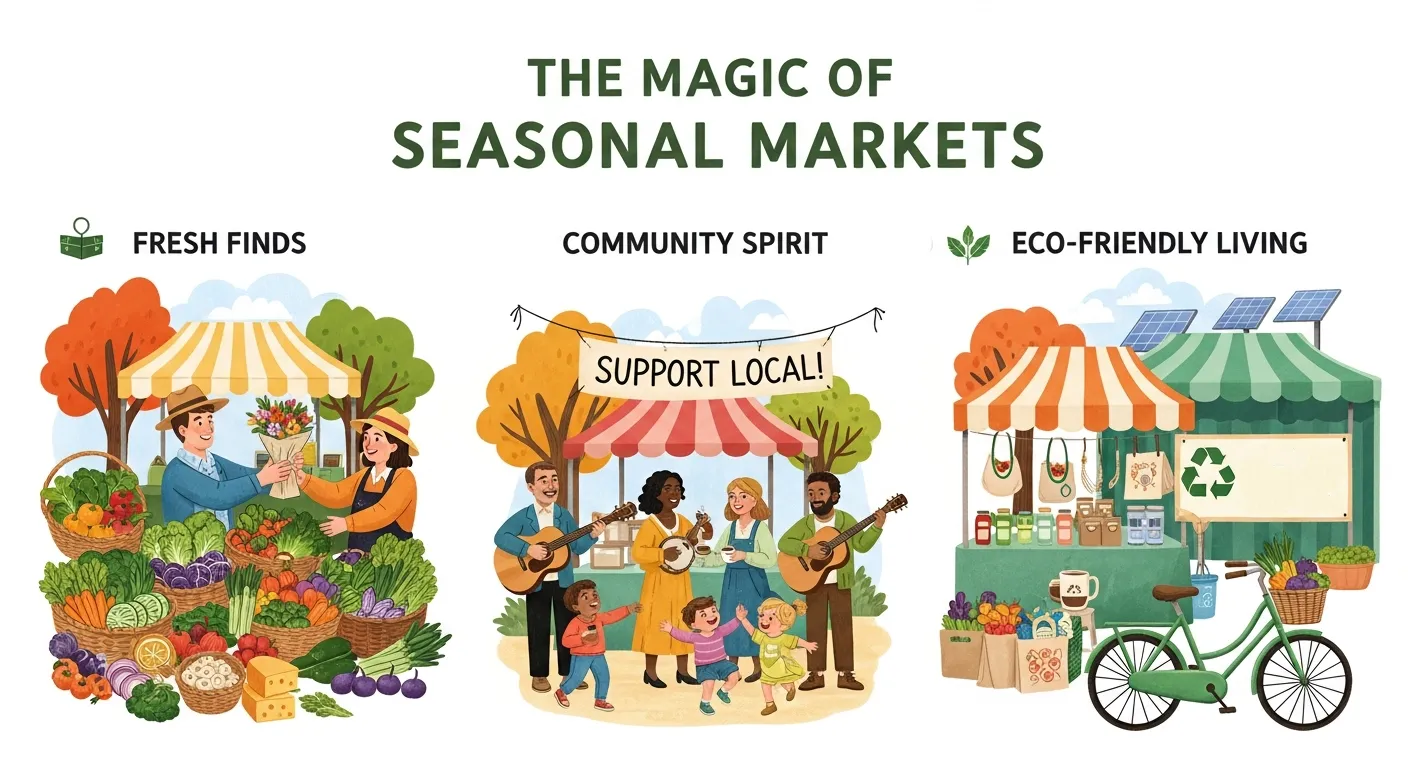
Step into a vibrant world where community thrives and flavors sing. The magic of seasonal markets offers a refreshing escape from ordinary shopping, connecting you deeply to local culture and sustainable living.
This comprehensive guide explores the multifaceted magic of seasonal markets, covering their profound economic impact, environmental benefits, and social value. We delve into practical shopping tips, the nutritional superiority of fresh produce, and how these events foster deep community connections. Additionally, we analyze the marketing strategies vendors use to create these bustling hubs, offering insights for shoppers and aspiring artisans alike.
Understanding the Magic of Seasonal Markets
When you step onto the pavement or grass of a local fair, you are witnessing the magic of seasonal market in action. A seasonal market is more than just a place to buy lettuce or handmade soap. It is a festival-type event where local farmers, food producers, and artisan crafters focus on bringing their products directly to the community. These gatherings, often held weekly or monthly, are vibrant social hubs that celebrate the rhythm of the year.
The magic of seasonal markets lies in their ability to transform a simple errand into an experience. Unlike the sterile, fluorescent-lit aisles of a supermarket, these markets offer a sensory feast. You see the vibrant reds of just-picked tomatoes, smell the earthy aroma of root vegetables, and hear the buzz of neighbors catching up. This atmosphere is the heart of the magic of seasonal market, drawing people out of their homes and into a shared space.
The Cycle of Freshness
At the core of the magic of seasonal market is the food itself. Supermarket produce often travels thousands of miles, ripening in the back of a truck. In contrast, market produce is harvested at peak ripeness. This ensures that when you experience the magic of seasonal market, you are tasting food as nature intended. The nutritional density of these fruits and vegetables is often higher because they haven’t degraded over weeks of shipping and storage.
Why the Magic of Seasonal Markets Matters for Your Health
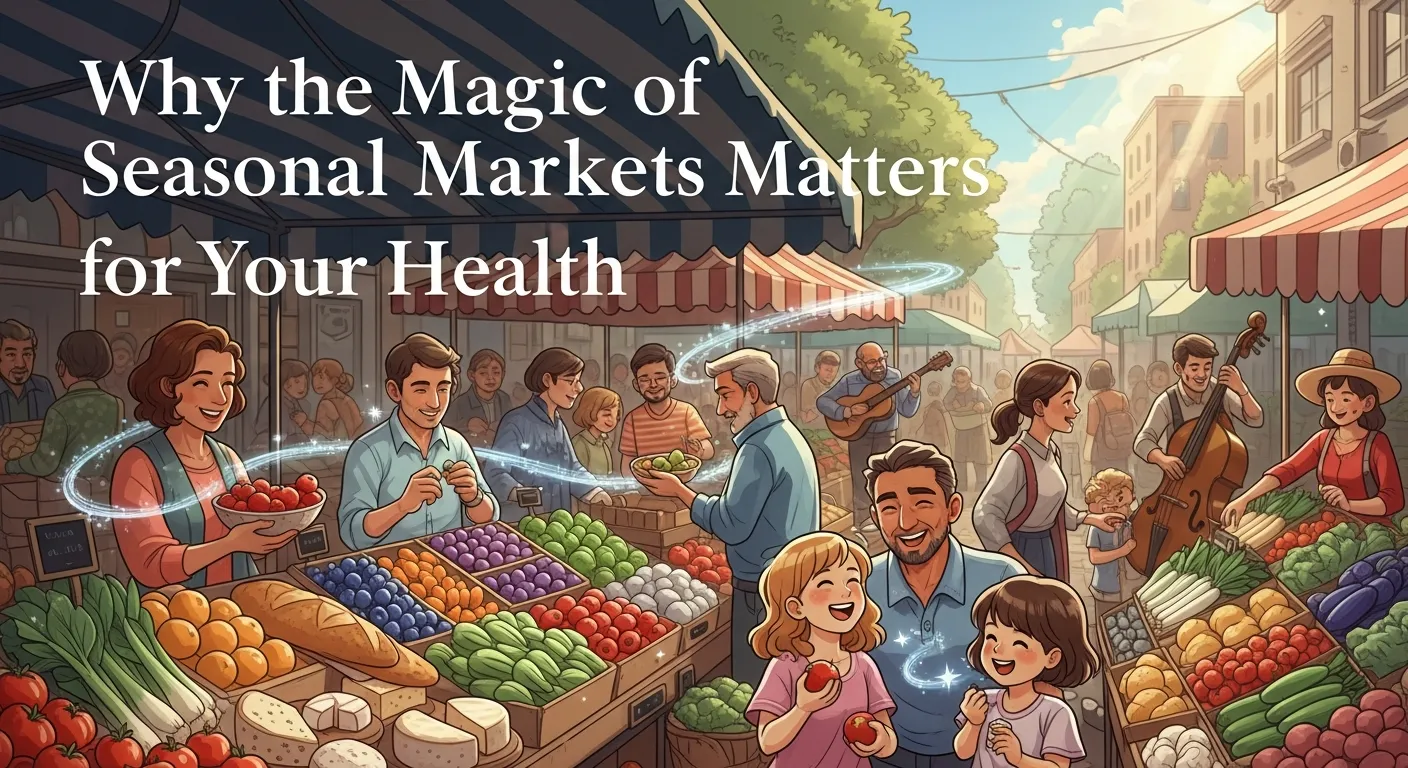
The magic of seasonal markets extends directly to your physical well-being. Eating seasonally is not just a trend; it is a biological synchronization with the environment.
Superior Flavor and Nutrition
When you buy from a grocery store, you often sacrifice flavor for shelf life. Tomatoes are bred to have tough skins to survive shipping. However, the magic of seasonal market allows farmers to grow varieties known for taste rather than durability. You get heirloom varieties that may look odd but taste incredible. This is the magic of seasonal market: discovering that a carrot can be sweet and that strawberries should be red all the way through.
Reduced Exposure to Chemicals
Many small-scale farmers who participate in these markets utilize organic or near-organic practices, even if they aren’t certified. The magic of seasonal markets gives you the chance to ask the grower directly about their pest management. This transparency is rare in the global food chain. Engaging in this dialogue is part of the magic of seasonal markets, allowing you to make informed decisions about what you put in your body.
Supporting the Local Economy Through the Magic of Seasonal Markets
Every dollar you spend contributes to the magic of seasonal markets and, by extension, your local economy. The economic multiplier effect of these markets is profound.
keeping Money in the Community
When you shop at a chain store, a significant portion of your money leaves the community to pay corporate headquarters. The magic of seasonal market ensures that your money stays local. It pays for the farmer’s tractor repairs at the local mechanic or the baker’s ingredients purchased from a local mill. This circulation of wealth is a key component of the magic of seasonal markets.
Incubation for Small Businesses
For many entrepreneurs, the magic of seasonal markets provides a low-risk entry point. A baker might start with a folding table and a few loaves of sourdough. If the community responds well, they might eventually open a brick-and-mortar storefront. This makes the magic of seasonal markets a powerful engine for small business growth. We see this in the rise of seasonal marketing ideas where vendors test new products on live audiences before a wider launch.
Eco-Friendly Shopping and the Magic of Seasonal Markets
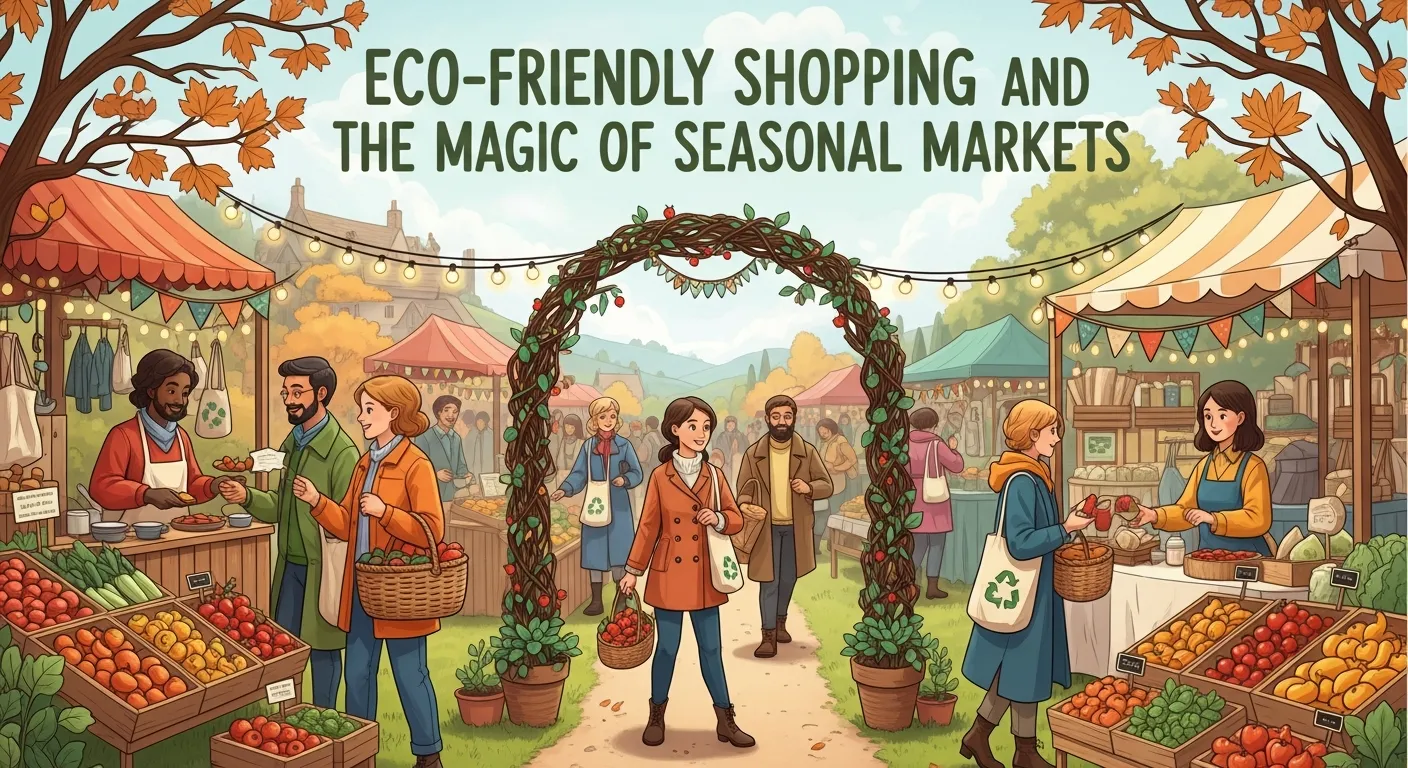
In an era where climate change is a pressing concern, the magic of seasonal markets offers a sustainable alternative to conventional consumption.
Reducing Food Miles
The average meal in the United States travels about 1,500 miles to get from farm to plate. The magic of seasonal markets drastically cuts this distance, often to under 50 miles. This reduction in transportation significantly lowers carbon emissions, making the magic of seasonal markets a green choice.
Minimizing Packaging Waste
Walk down a supermarket aisle, and you see plastic everywhere. Cucumbers wrapped in shrink wrap, apples in clamshells, and meat on Styrofoam trays. The magic of seasonal markets encourages a different approach. You put loose potatoes in your own tote bag. You buy berries in reusable baskets. This reduction in single-use plastic is a tangible benefit of the magic of seasonal markets.
Building Community Connection
The magic of seasonal markets is perhaps most visible in the social connections it fosters. In our digital age, face-to-face interaction is becoming rare.
The Third Place
Sociologists talk about the “third place”—a social surrounding separate from the two usual social environments of home and the workplace. The magic of seasonal markets creates this third place outdoors. It is a neutral ground where people from different walks of life intersect. You might chat with a chef looking for specific herbs or a parent teaching their child about where eggs come from. This social cohesion is the true magic of seasonal markets.
Meeting the Makers
There is a profound difference between buying a jar of jam and buying a jar of jam from the person who picked the berries. The magic of seasonal markets facilitates this connection. You learn the story behind the product. You hear about the weather challenges the farmer faced or the inspiration behind an artist’s jewelry. This brand storytelling is authentic and adds value to the purchase, amplifying the magic of seasonal markets.
Seasonal Marketing Ideas: How Vendors Create the Magic
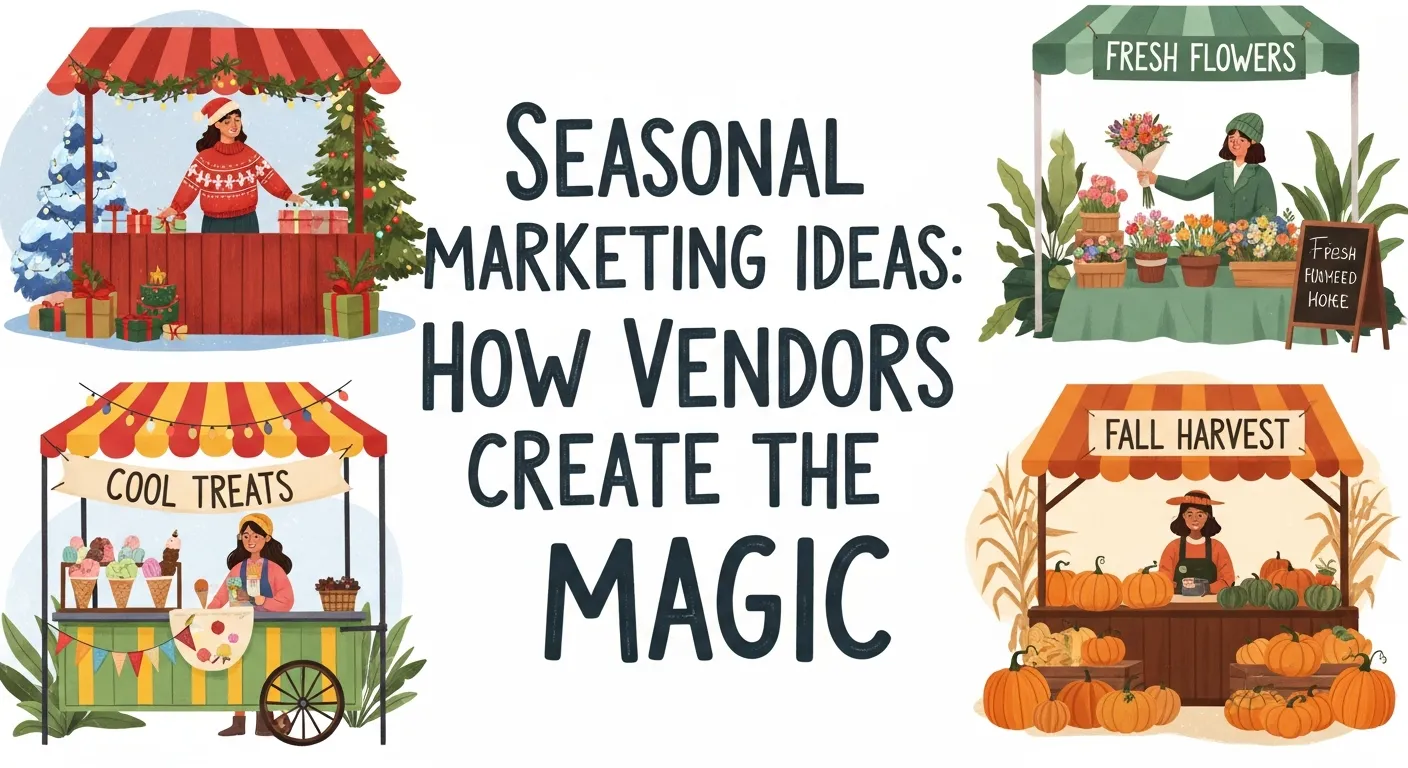
The magic of seasonal markets doesn’t just happen; it is curated by savvy vendors and organizers who understand seasonality in marketing. For those interested in the business side, the markets are a masterclass in product marketing strategy.
Visual Merchandising and Atmosphere
Vendors know that the magic of seasonal markets is visual. They use rustic crates, chalkboard signs, and abundant displays to create a feeling of plenty. This is brand positioning at its finest. They aren’t just selling corn; they are selling the concept of a harvest.
Digital Integration
Modern vendors amplify the magic of seasonal markets using digital tools. Many have learned how to become a social media influencer on a micro-scale within their community. They post photos of their harvest the morning of the market, creating marketing FOMO (Fear Of Missing Out). If you don’t get there early, the fresh peaches will be gone. This real-time urgency is a classic viral content marketing strategy.
Seasonal Promotions
The magic of seasonal markets relies heavily on the calendar. You will see holiday and festival marketing in full swing during December, while summer brings different seasonal marketing ideas like berry festivals. Smart vendors use cross-channel seasonal marketing, sending email newsletters to remind customers what will be at the booth that week. This represents a blend of traditional sales and modern brand marketing strategy.
Unique Finds: The Treasure Hunt
Part of the magic of seasonal markets is the element of surprise. You never quite know what you will find.
Artisanal Goods
Beyond food, the magic of seasonal markets encompasses local artisans. You might find hand-poured candles, knitted scarves, or pottery. These items are often one-of-a-kind, making them perfect gifts. The “shop local” ethos extends to these luxury brand marketing strategies on a micro-level, where scarcity and craftsmanship drive value.
Rare Ingredients
For the food snobs and culinary enthusiasts, the magic of seasonal markets is the only place to find specific ingredients. Think garlic scapes, fiddlehead ferns, or duck eggs. These items rarely make it to large grocery chains because they are too delicate or have too short a season. Finding them feels like a victory, reinforcing the magic of seasonal markets.
Practical Tips to Experience the Magic of Seasonal Markets
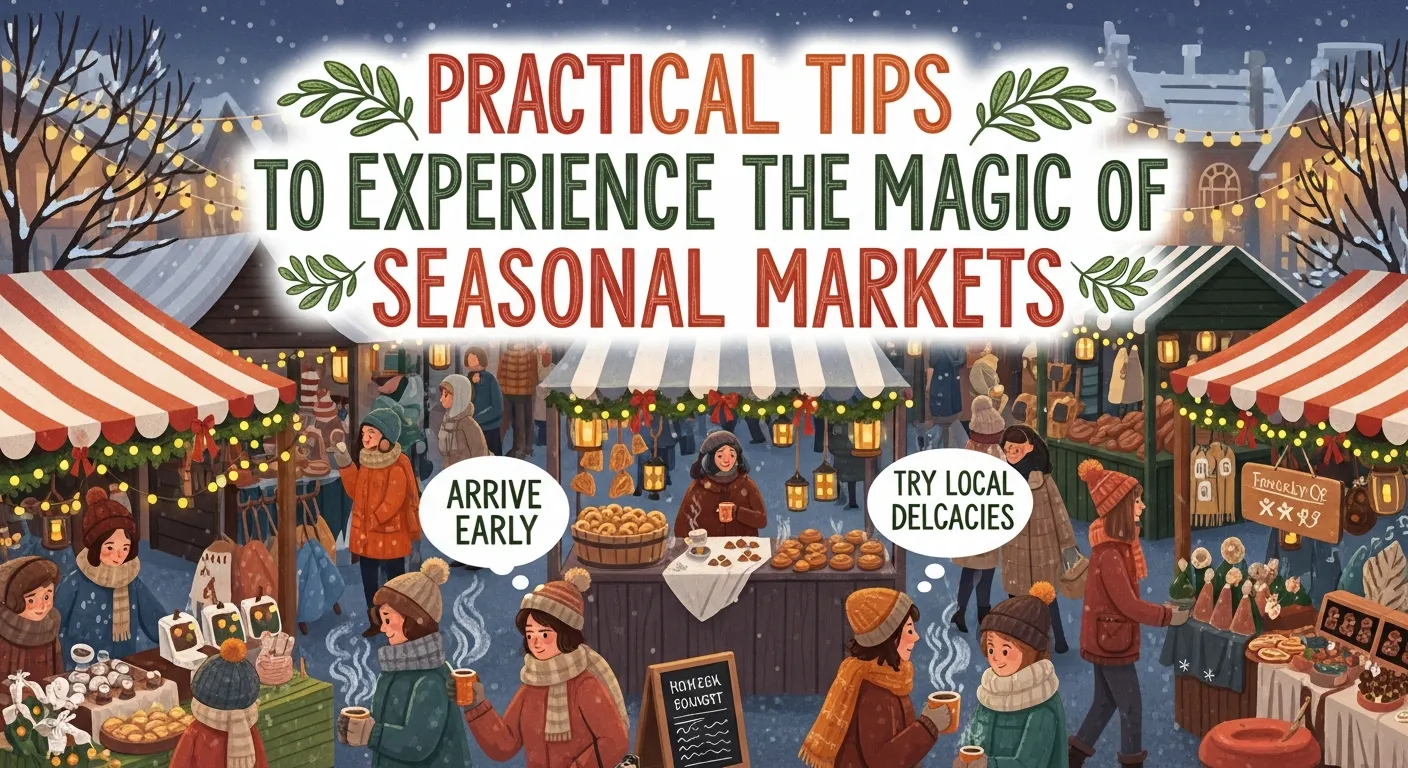
To truly enjoy the magic of seasonal markets, you need a strategy. Here is how to navigate like a pro.
1. Timing is Everything
If you want the best selection, arrive when the market opens. This ensures you get the first pick of the limited-quantity items. However, if you are looking for deals, the magic of seasonal markets often happens in the last hour. Vendors may discount produce they don’t want to haul back home.
2. Bring the Right Gear
The magic of seasonal markets is less magical if your bags break. Bring sturdy, reusable tote bags. If you plan to buy heavy items like winter squash or melons, a rolling cart can be a lifesaver. Also, bring small bills. While many vendors use digital payment solutions, cash is still king for speed and helps vendors avoid transaction fees.
3. Talk to the Vendors
Don’t be shy. Asking questions unlocks the deeper magic of seasonal markets. Ask “What is the best way to cook this?” or “What is sweet right now?” Vendors love brand storytelling and sharing their knowledge. This interaction transforms a transaction into a relationship.
4. Be Flexible with Your Menu
Go without a rigid plan. The magic of seasonal markets is about inspiration. You might plan for broccoli but find the cauliflower looks amazing. Let the market dictate your menu. This is the essence of seasonal living.
The Role of Seasonal Markets in Culinary Tourism
The magic of seasonal markets has become a draw for travelers. Culinary tourism is on the rise, and markets are often the first stop for visitors wanting to taste the local flavor.
A Window into Culture
In Santa Fe, the market smells of roasting chiles. In Seattle, it smells of fish and flowers. In Paris, it smells of cheese and roasting chicken. The magic of seasonal markets provides an instant snapshot of a region’s agricultural and culinary identity. For a traveler, this is an authentic experience that no museum can replicate.
Event-Based Marketing
Many markets are now destinations in themselves, employing holiday promotions and music festivals to attract crowds. This brand awareness strategy turns a simple shopping trip into a day-out event, further enhancing the magic of seasonal markets.
Challenges and The Future of Seasonal Markets
While the magic of seasonal markets is strong, these hubs face challenges. Weather is a constant variable. Brand resilience strategies are necessary for farmers who might lose a crop to frost.
Furthermore, markets must compete with the convenience of online grocery delivery. To survive, they must lean into what digital cannot provide: the sensory experience and the human connection. This is where brand perception in marketing becomes crucial. Markets must position themselves not just as places to buy food, but as essential community pillars.
The future of the magic of seasonal markets looks bright as more people seek ethical branding and transparency in their food systems. We are seeing a rise in new seasons market catering concepts and creative content services promoting these venues, ensuring the next generation understands the value of local food.
Conclusion
The magic of seasonal markets is a powerful force that transcends simple commerce. It represents a return to a more deliberate, connected way of living. By choosing to shop at these vibrant hubs, you are not just filling your pantry; you are fueling a local ecosystem, reducing your environmental footprint, and nourishing your community spirit. From the crisp snap of a fresh apple to the smile of the farmer who grew it, the magic of seasonal markets offers a richness that money can’t buy in a traditional store. Embrace the season, meet your neighbors, and let the market inspire your next meal.
FAQs
1. What creates the “magic of seasonal markets” compared to grocery stores?
The magic of seasonal markets stems from the direct connection between producer and consumer. Unlike grocery stores, markets offer produce harvested at peak ripeness, resulting in superior flavor. The atmosphere is social and vibrant, fostering community interaction and offering a transparency in food sourcing that supermarkets cannot match.
2. Are items at seasonal markets more expensive?
Prices can vary. While some artisanal items or organic produce may have a higher price tag due to labor-intensive farming practices, the magic of seasonal markets is that you are paying for quality and nutrient density. Additionally, buying in bulk or purchasing “seconds” (produce with cosmetic imperfections) can often be cheaper than supermarket prices.
3. How do seasonal markets support the local economy?
The magic of seasonal markets includes a strong economic multiplier effect. Money spent at a local market stays in the community, supporting farm families and local artisans. This income is often reinvested locally, supporting other small businesses and services, unlike money spent at national chains which often leaves the region.
4. Can I find non-food items at seasonal markets?
Absolutely. The magic of seasonal markets often extends to local craftspeople. You can find handmade jewelry, pottery, soaps, textiles, and art. These items make unique gifts and support the creative economy alongside the agricultural one.
5. Why is produce from seasonal markets considered more eco-friendly?
The magic of seasonal markets is deeply tied to sustainability. Local food travels shorter distances (low “food miles”), reducing carbon emissions from transport. Furthermore, markets use significantly less plastic packaging than supermarkets, and many vendors practice sustainable or regenerative farming methods that protect the soil.
6. Do vendors at seasonal markets accept credit cards?
While many vendors have adopted digital payment solutions like Square or Venmo, cash is still highly recommended. It is faster, helps vendors avoid fees, and ensures you can purchase from smaller stalls that may not have reliable internet connections for card processing.
7. What is the best time to visit a seasonal market?
To experience the full magic of seasonal markets regarding selection, arrive as soon as it opens. This is when the produce is freshest and most abundant. However, if you are looking for discounts, arriving just before closing time can yield deals as farmers prefer to sell their stock rather than load it back onto the truck.
8. How can I find a seasonal market near me?
You can search online directories, check local community boards, or use social media. Searching for seasonal marketing ideas or local food hashtags on platforms like Instagram often reveals local market schedules. Websites like SeasonalPromotion.com are also excellent resources.
9. Are pets allowed at seasonal markets?
This depends on local health codes and market rules. While the magic of seasonal markets feels like an open park event, the presence of food often means pets are restricted. Always check the market’s specific website or signage before bringing your furry friend.
10. How do seasonal markets handle the winter months?
The magic of seasonal markets doesn’t always end in autumn. Many regions have winter markets, often moved indoors to community centers or greenhouses. These markets feature storage crops like root vegetables, greenhouse greens, baked goods, meats, and preserved items like jams and pickles.