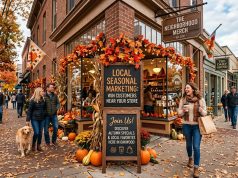

Seasonal shopping isn’t just a habit; it’s a lifestyle. The Four Seasons Market is the ultimate destination for anyone passionate about local food and sustainability.
This guide explores the Four Seasons Market, a beloved community hub committed to local producers and ethical practices. We will delve into the benefits of seasonal shopping, highlight unique vendors, showcase the market’s sustainability efforts, and provide insider tips to enhance your experience and support local living.
The Core Philosophy: Why Seasonal Shopping at Four Seasons Market Matters
Before we tour the vibrant stalls and meet the artisans, it’s essential to understand the movement that powers the Four Seasons Market. The choice to shop seasonally is more than a preference; it’s a conscious decision that creates ripples of positive change for your health, the local economy, and the planet. The Four Seasons Market isn’t just a place to buy groceries; it’s an active participant in a more sustainable food system.
The Overlooked Benefits of Seasonal Eating
In an era of year-round availability, we’ve lost touch with the natural rhythms of agriculture. The Four Seasons Market aims to reconnect us with these cycles.
- Peak Flavor and Nutrition: Produce that is picked at its natural peak and travels a short distance is fundamentally better. A sun-ripened summer tomato from a local farm at the Four Seasons Market has a depth of flavor and a nutrient profile that a tomato shipped across the continent in winter simply cannot match. Seasonal foods are fresher, more vibrant, and packed with the vitamins our bodies need at that specific time of year.
- Environmental Responsibility: The modern food supply chain has a massive carbon footprint. Choosing local and seasonal items from the Four Seasons Market drastically reduces “food miles”—the distance your food travels from farm to plate. This means less fuel consumption, lower CO2 emissions, and a reduced need for energy-intensive storage and artificial ripening processes.
- Strengthening the Local Economy: When you purchase from a vendor at the Four Seasons Market, your money stays within the community. It supports local farmers, bakers, cheesemakers, and artisans, allowing them to thrive and continue their craft. This creates a resilient local economy that is less dependent on fragile global supply chains. It’s a direct investment in your neighbors and the place you call home.
- Fostering a Sense of Community: The Four Seasons Market is more than a transactional space. It’s a gathering place where producers and consumers can connect. Learning the story behind your food—from the farmer who grew it to the baker who kneaded the dough—builds a powerful sense of community and appreciation. This direct connection is a cornerstone of the Four Seasons Market experience.
A Feast for the Senses: Exploring the Four Seasons Market
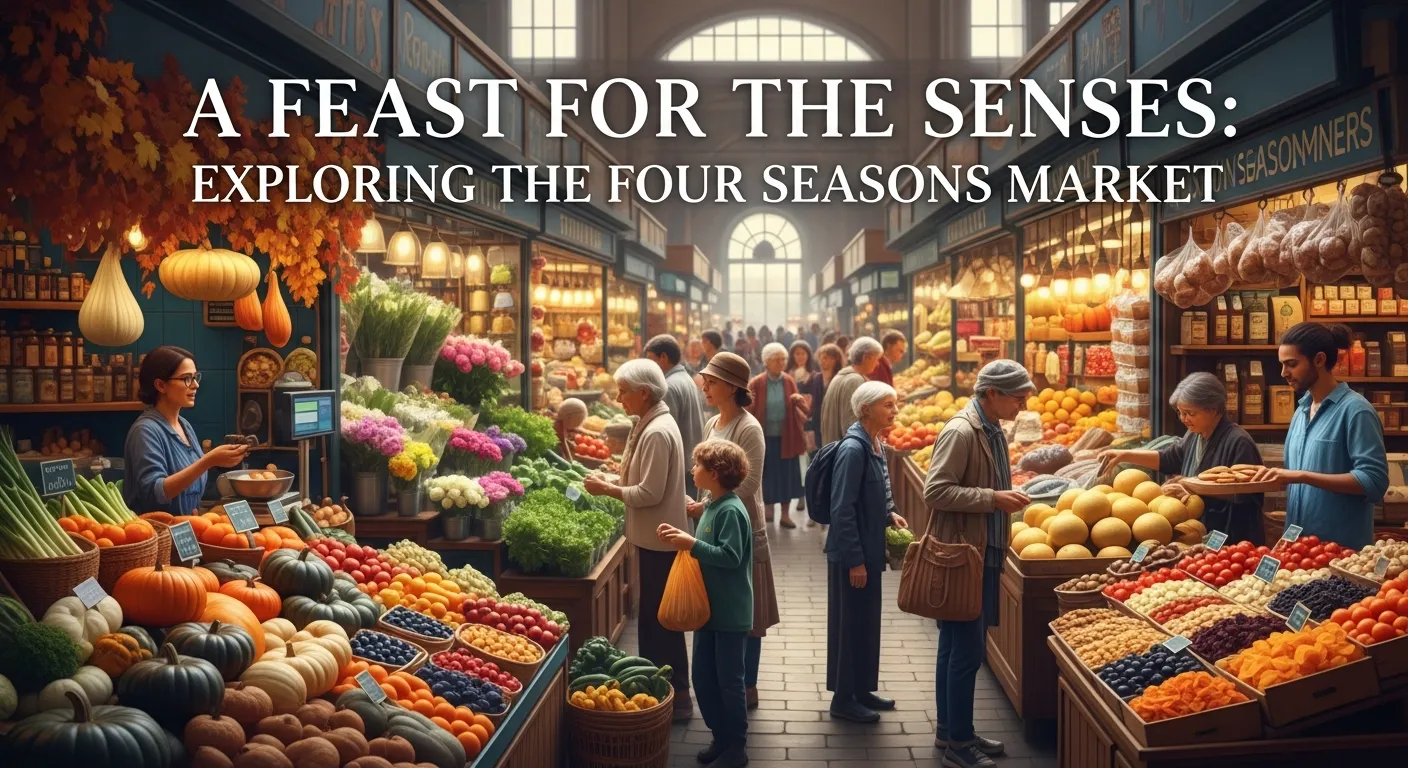
Walking into the Four Seasons Market is an immersive experience. It’s a symphony of sights, sounds, smells, and tastes that invigorates the spirit. From the kaleidoscope of colorful produce to the warm aroma of freshly baked bread and the cheerful chatter of vendors and shoppers, the market is a celebration of life. The very atmosphere contributes to its Brand Positioning as a community hub, not just a retail space.
A Diverse Tapestry of Unique Vendors
The true heart of the Four Seasons Market is its carefully curated collection of vendors. Each stall is a testament to passion, craftsmanship, and a commitment to quality. Here’s a glimpse of what you might discover on any given visit.
The Produce Stands: Farm-to-Table Freshness
This is where the seasonal journey begins. The produce vendors at the Four Seasons Market are local farmers who bring the fruits of their labor directly to you.
- Oakwood Farms: Known for their heirloom tomatoes in the summer and a stunning variety of squash in the fall. They practice regenerative agriculture, ensuring their soil gets healthier each year.
- Green Sprout Organics: A certified organic farm specializing in leafy greens, microgreens, and edible flowers. Their salad mixes are a local legend.
- Berry Patch Fields: A family-run farm that offers the juiciest strawberries, blueberries, and raspberries in the warmer months. Their stall is a magnet for children and adults alike.
The Artisan Aisle: Handcrafted Delights
Beyond fresh produce, the Four Seasons Market is a treasure trove of artisanal goods.
- The Village Bakery: The scent of their sourdough bread and flaky croissants often greets you at the entrance. They use locally milled flour and traditional baking techniques.
- Valley Creamery: Offers a rotating selection of artisanal cheeses, from sharp cheddar to creamy goat cheese infused with local herbs. Their cheesemakers are always happy to offer pairing suggestions.
- Sweet Bee Honey: A local apiary that sells raw, unfiltered honey. They offer different varieties based on the seasonal nectar flow, from light and floral spring honey to dark and rich buckwheat honey.
The Protein Providers: Ethical and Sustainable Choices
For those seeking high-quality meat and seafood, the Four Seasons Market provides options that prioritize animal welfare and environmental stewardship.
- Pasture Perfect Meats: This vendor, which could be considered an All Season Meat Market within the larger market, offers grass-fed beef, pasture-raised chicken, and free-range eggs. They are transparent about their farming practices and are happy to answer any questions. They are a great example of a high-quality Four Season Meat Market.
- Harbor Catch Seafood: Sourcing directly from local, sustainable fisheries, they provide the freshest catch of the day. Their selection varies based on what is seasonally and responsibly available.
Beyond Shopping: Expertly Curated Experiences
The Four Seasons Market understands that a market should be about more than just commerce. It’s about education, connection, and entertainment. This is a key part of their Content Marketing and community engagement strategy.
- Cooking Demonstrations: Local chefs and vendors frequently host live demos, showing shoppers how to make the most of seasonal ingredients. You might learn how to make the perfect pesto in the summer or a hearty root vegetable stew in the winter. These sessions are fantastic for gathering Unique Marketing Ideas for your own kitchen.
- Educational Workshops: The market often hosts workshops on topics like composting, beekeeping, canning and preserving, and sustainable living. These events empower the community with practical skills to live a more eco-conscious life. Some of these are so good they could be developed into Creative Webinar Ideas for a broader audience.
- Live Entertainment: The vibrant atmosphere is often enhanced by local musicians, from solo acoustic guitarists to lively folk bands. This adds to the festive, community-centric feeling that defines the Four Seasons Market.
- Kids’ Corner: Many weekend markets feature a designated area for children with activities like face painting or craft stations, making the Four Seasons Market a family-friendly destination.
Sustainability at Its Core: How the Four Seasons Market Stays Green

A deep commitment to sustainability is woven into the very fabric of the Four Seasons Market. This isn’t just a marketing tactic; it’s a core value that informs every operational decision and helps with its long-term Reputation Management. For eco-conscious consumers, shopping here is an affirmation of their values.
Zero-Waste Initiatives
The market actively works to minimize its environmental impact.
- Packaging: Vendors are strongly encouraged to use compostable or recyclable packaging. You’ll see far less single-use plastic here than at a conventional supermarket.
- BYO Culture: The Four Seasons Market promotes a “bring your own” culture, urging shoppers to bring reusable bags, containers for bulk items, and coffee cups.
- Waste Diversion: On-site composting and recycling stations are clearly marked and readily available, making it easy for shoppers and vendors to dispose of waste responsibly.
Local Sourcing and Reduced Food Miles
The market’s primary sustainability feature is its hyper-local focus. By prioritizing vendors within a specific radius (often 100-150 miles), the Four Seasons Market dramatically reduces the carbon footprint associated with food transportation. This commitment to local sourcing is a powerful form of Ethical Branding.
Eco-Conscious Vendor Practices
The market’s sustainability ethos extends to its vendors. Many of the farmers at the Four Seasons Market utilize practices that go beyond simply growing food.
- Regenerative Agriculture: Some farmers focus on soil health, using cover crops and no-till methods to sequester carbon in the ground.
- Water Conservation: Many employ drip irrigation and other water-wise techniques to conserve this precious resource.
- Integrated Pest Management: Rather than relying on harsh chemical pesticides, vendors often use natural methods, such as attracting beneficial insects, to manage pests.
An Insider’s Guide: Tips for Making the Most of Your Visit
To truly master the Four Seasons Market experience, a little insider knowledge goes a long way. Follow these tips to shop like a seasoned regular.
|
Tip |
Why It’s Important |
|---|---|
|
Go Early for the Best Picks |
The most sought-after items—like fresh berries, artisan bread, and specialty cuts of meat—often sell out by mid-morning. Arriving early ensures you get the best selection. |
|
Bring Reusable Bags & Containers |
This helps reduce waste and aligns with the market’s sustainability goals. Bring containers for berries, bulk grains, or delicate items to protect them on the way home. |
|
Walk a Lap First |
Before you start buying, take a full lap of the market. See what’s available at each stall. This helps you compare quality and prices and plan your purchases. |
|
Chat with the Vendors |
This is the best part! Ask farmers what’s tasting best this week, get a recipe tip from the cheesemonger, or learn about a new vegetable. This enhances the experience. |
|
Bring Cash, But Have a Card |
While most vendors now accept cards, some smaller stalls may be cash-only. Having a mix of payment options is always a good idea. |
|
Sample Before You Buy |
Don’t be shy. Most vendors offer samples, especially for items like cheese, honey, and fruit. It’s the best way to discover a new favorite. |
|
Follow the Market on Social Media |
The Four Seasons Market often uses its social channels to announce special events, highlight new vendors, or share Holiday Promotions. This is part of their Digital Marketing strategy. |
The Market Through the Seasons: What to Expect Year-Round
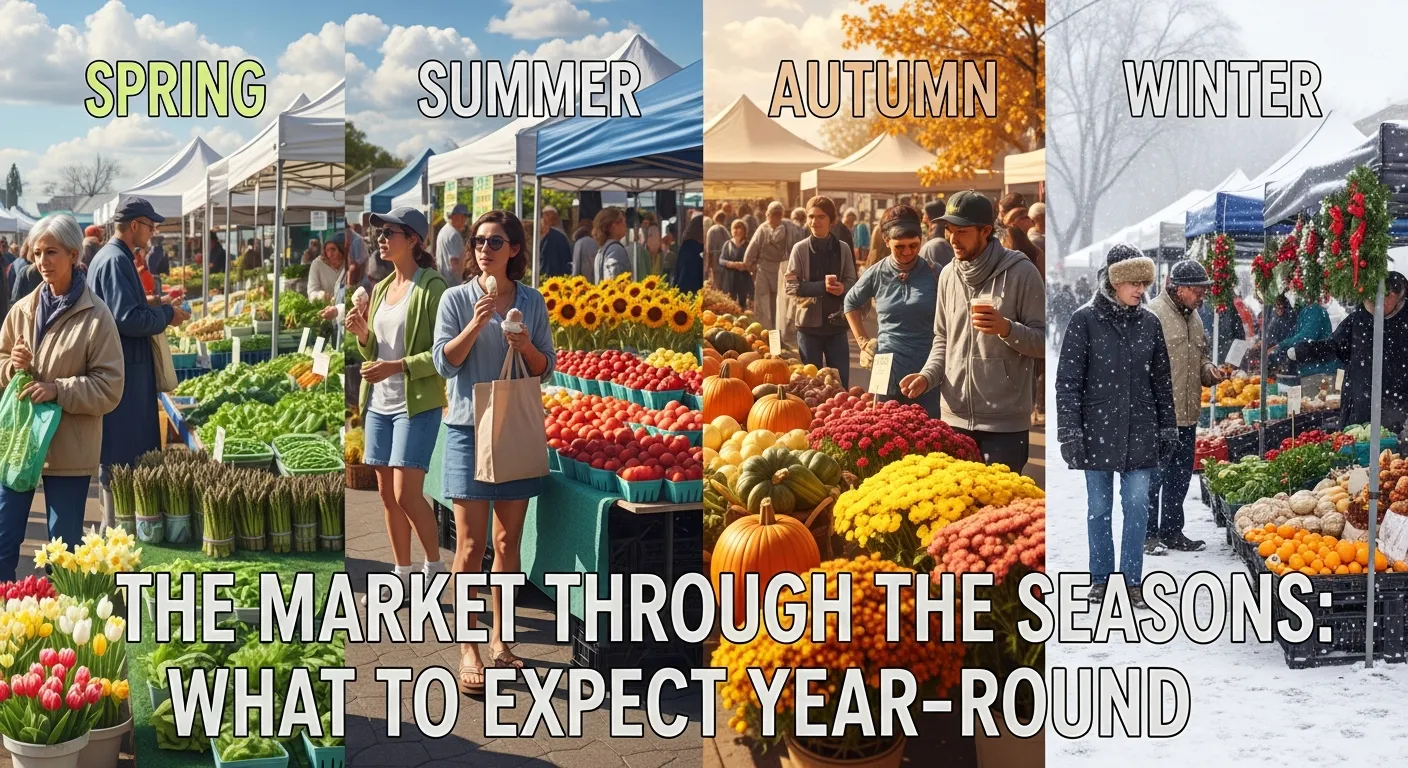
The beauty of the Four Seasons Market is that it is ever-changing, mirroring the natural world. Each season brings a new palette of colors, flavors, and experiences.
Spring: A Time of Renewal
After a long winter, the market bursts back to life.
- What You’ll Find: Asparagus, radishes, spring onions, tender lettuces, rhubarb, and early strawberries.
- The Vibe: Hopeful and fresh. Shoppers are eager for the first taste of spring, and the market is vibrant with green.
Summer: The Peak of Abundance
Summer is when the Four Seasons Market is at its most bountiful.
- What You’ll Find: Tomatoes of every shape and color, sweet corn, zucchini, cucumbers, peaches, plums, and a huge variety of berries.
- The Vibe: Lively and energetic. The market is bustling with activity, and the stalls are overflowing with produce. This is a great time for the market to run a promotion on how to create a summer discount.
Autumn: The Cozy Harvest
As the air turns crisp, the market shifts to heartier fare.
- What You’ll Find: A vast array of pumpkins and squash, apples, pears, potatoes, carrots, and Brussels sprouts.
- The Vibe: Warm and comforting. The focus turns to roasting, baking, and preserving the harvest.
Winter: The Hearty Roots
While the selection may be smaller, the winter market is no less special.
- What You’ll Find: Root vegetables like parsnips and turnips, hardy greens like kale and chard, artisan goods, preserved foods, and greenhouse-grown items.
- The Vibe: Intimate and resilient. The winter Four Seasons Market is a testament to the dedication of its year-round vendors and loyal customers. This is the perfect time for a Holiday and Festival Marketing push.
Voices from the Community
The true measure of the Four Seasons Market is the impact it has on the people who frequent it.
- “I plan my entire week’s meals around what I find at the Four Seasons Market. It has completely changed the way I cook and eat. Knowing the farmer who grew my vegetables makes every meal feel more meaningful.” – Sarah K., Local Foodie
- “As someone who cares deeply about the environment, the Four Seasons Market is a sanctuary. I know that my purchasing decisions here are supporting sustainable agriculture and reducing my carbon footprint. Plus, the quality is unbeatable.” – Jordan M., Eco-Conscious Shopper
- “The cooking demos are my favorite part! I’ve learned so many new techniques and recipes. It’s not just shopping; it’s an education. It’s a core part of my Personal Brand Strategy as a home chef to use local ingredients.” – Alisha R., Aspiring Chef
Conclusion
The Four Seasons Market is far more than a place to buy food. It is a vibrant ecosystem that celebrates local producers, fosters community connections, and champions a sustainable way of living. By choosing to shop here, you are not just getting fresher, healthier food; you are casting a vote for a better, more resilient food system. Take the next step in your sustainable living journey and experience the magic for yourself. Your community and your palate will thank you.
FAQs
1. What are the typical hours for the Four Seasons Market?
The Four Seasons Market usually operates on weekends, often on Saturday mornings from around 8 AM to 1 PM. However, hours can change seasonally. It’s always best to check the market’s official website or social media pages before your visit.
2. Is the Four Seasons Market open year-round?
Yes, the market is designed to be an All Season Meat Market and produce hub, operating through all four seasons. The number of vendors and the types of products available will change dramatically with the seasons, with a more limited but still valuable selection in the winter.
3. Are dogs allowed at the Four Seasons Market?
Policies can vary. While many outdoor markets are dog-friendly, it’s best to check the specific rules for the Four Seasons Market you plan to visit. If dogs are allowed, they are almost always required to be on a leash.
4. Do vendors at the Four Seasons Market accept credit cards?
Most vendors now accept credit cards and other forms of Digital Payment Solution, but it’s a good practice to bring some cash, especially for smaller purchases or in case a vendor’s card reader is down.
5. Are all the products at the Four Seasons Market organic?
Not necessarily. While many vendors are certified organic or follow organic practices, the primary focus is on being local and sustainable. Always chat with the farmers; they are happy to share details about their growing methods.
6. Is there parking available at the Four Seasons Market?
Most market locations have designated parking areas, but they can fill up quickly. Arriving early or considering public transportation or biking can be a good alternative.
7. Does the Four Seasons Market offer prepared foods?
Yes! In addition to raw ingredients, you can typically find a wonderful selection of ready-to-eat foods from vendors like food trucks, bakers, and coffee brewers. It’s a great place to grab breakfast or lunch. Some even offer New Seasons Market Catering-style options for events.
8. Are there career opportunities at the market?
Yes, there may be opportunities. For a career at New Seasons Market or a similar local market, you can check their website for openings in market management, or you can speak directly with individual vendors who may be looking for help at their stalls.
9. Can I become a vendor at the Four Seasons Market?
The Four Seasons Market typically has an application process for new vendors. They look for local producers and artisans whose products align with the market’s mission of quality and sustainability. Check their website for application details and deadlines.
10. How does the market handle bad weather?
Most outdoor markets operate “rain or shine.” However, in cases of severe weather like thunderstorms or high winds, the market may close for safety reasons. Again, their social media pages are the best source for real-time updates.