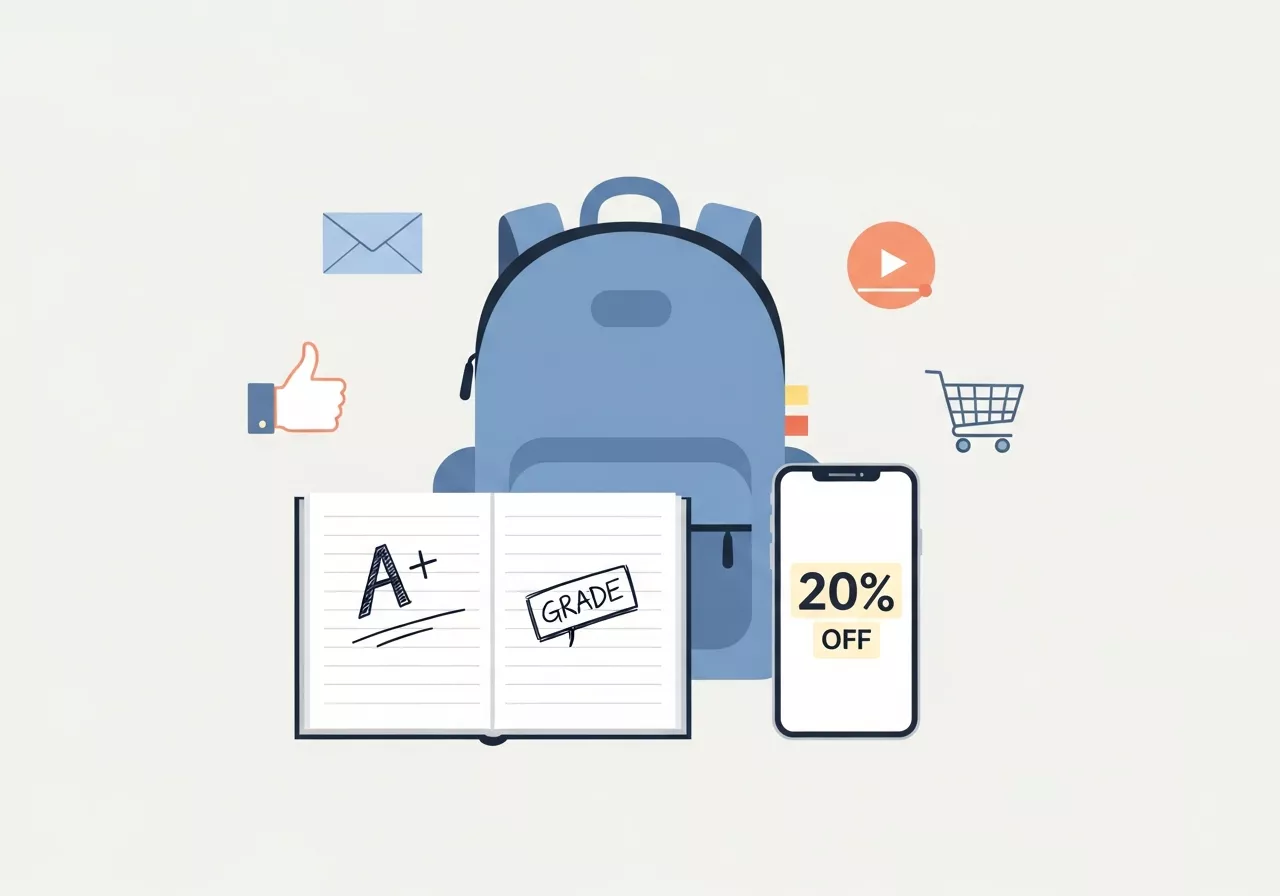
This blog explores simple but powerful back-to-school marketing strategies—from audience targeting and themed promotions to social media engagement and personalized offers—to help brands boost sales and connect with students, parents, and teachers during the busy school season.
Every year, the back-to-school season presents a golden opportunity for brands to connect with students, parents, and educators. With millions of households preparing for the new academic year, a well-crafted seasonal marketing campaign can drive awareness, engagement, and revenue. In this comprehensive guide, we’ll explore 12 proven strategies—from audience research to paid ads—that will help you plan, execute, and optimize a back-to-school campaign that stands out.
What Is Back-to-School Seasonal Marketing?
Back-to-school seasonal marketing focuses on tailored promotions and messaging around the period when students return to classes. It spans late summer through early fall and touches multiple demographics: primary and secondary school students, college students, parents, and educators. The goal is to engage these audiences with relevant products, services, and content exactly when they’re most receptive.
Why it works:
- Timing is critical—audiences are actively shopping for school supplies, clothing, and tech.
- Messaging tailored to needs (e.g., dorm essentials for college students, backpacks for kids) increases engagement.
Example blog snippet:
“Back-to-school season isn’t just about sales; it’s about helping families prepare for success. Brands that offer solutions, convenience, and inspiration see higher conversion rates and long-term loyalty.”
1. Research and Segment Your Audience
Effective campaigns start with data. Gather insights on your customers’ age, location, buying behavior, and preferred channels. Use tools like Google Analytics, Facebook Audience Insights, or your CRM to segment into groups such as “college freshmen,” “elementary parents,” and “teachers.” Tailor offers and messages to each segment’s unique needs—whether it’s dorm essentials, backpacks, lesson-plan materials, or after-school snacks.
Steps for segmentation:
- Age & Education Level: Elementary, middle school, high school, college students.
- Buyer Role: Parents, students, educators.
- Geography: Urban vs. suburban trends.
- Channel Preference: Email, social media, SMS, in-store.
Actionable tips:
- Use Google Analytics, Facebook Audience Insights, or your CRM to segment customers.
- Create buyer personas like “College Freshman on a Budget” or “Elementary Parent Seeking Quality Supplies.”
- Tailor messaging to each persona, such as highlighting dorm essentials for college students or eco-friendly backpacks for parents.
Blog-style example:
“By segmenting your audience, you ensure the right products are promoted to the right people at the right time—boosting both engagement and conversions.”
2. Plan Your Marketing Timeline and Themes
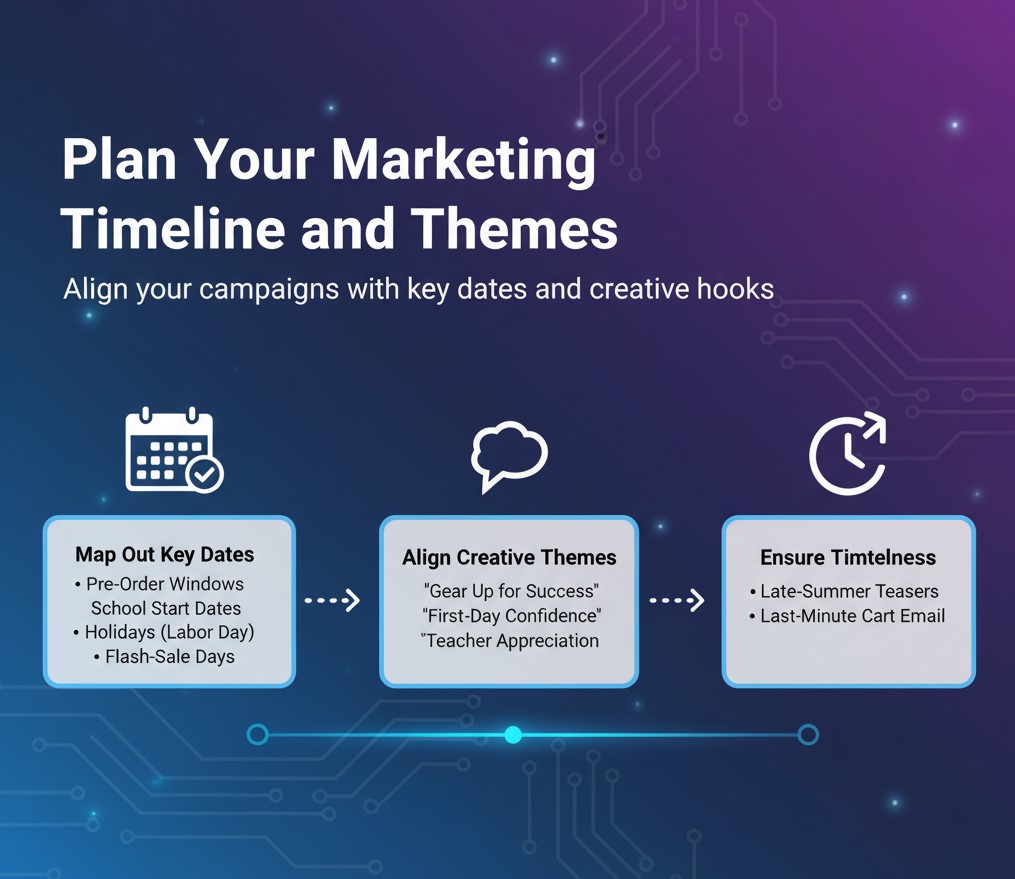
Map out key dates: pre-order windows, school start dates in major regions, holidays like Labor Day, and flash-sale days. Align your creative themes—such as “Gear Up for Success,” “First-Day Confidence,” or “Teacher Appreciation”—with each phase. A clear timeline ensures you’re top of mind at the right moment, whether it’s a late-summer teaser or a last-minute cart-abandonment email.
Mapping out your seasonal marketing calendar is essential. Key dates include:
- Pre-order windows.
- School start dates in major regions.
- Holidays like Labor Day or back-to-school shopping weekends.
Theme ideas:
- “Gear Up for Success” for product bundles.
- “First-Day Confidence” for apparel and accessories.
- “Teacher Appreciation Week” with classroom discount bundles.
Pro tips:
- Schedule email drip campaigns and social posts according to these milestones.
- Use countdown timers for flash sales to create urgency.
Blog-style snippet:
“A well-planned timeline ensures your brand stays top-of-mind—from early-bird shoppers to last-minute buyers.”
3. Create Compelling Offers and Bundles
Bundles and tiered discounts boost average order value. For instance, “Buy any backpack and get 20% off school supplies” or “Free shipping on orders over $50.” Limited-time offers (“Ends Sunday!”) tap into FOMO, while exclusive bundles for teachers or student organizations can widen your reach through referrals.
Examples:
- “Buy a backpack, get 20% off school supplies.”
- “Free shipping on orders over $50.”
- Teacher-exclusive kits for classroom essentials.
Tips for effectiveness:
- Make the offer time-sensitive to leverage FOMO (“Offer Ends Sunday!”).
- Highlight savings clearly on banners, emails, and social media posts.
- Cross-sell complementary products (e.g., backpacks + lunchboxes).
Blog snippet:
“Bundles not only simplify shopping for busy parents but also increase your average transaction size.”
4. Leverage Email and SMS Campaigns
Email remains one of the highest-ROI channels. Segment your list by customer type and send personalized series: a “Welcome back” drip for returning customers, a “Dorm essentials checklist” for college students, and “Classroom innovation” tips for teachers. SMS alerts—when used sparingly—can drive urgency for flash sales or cart reminders. Always include clear calls to action and mobile-friendly designs.
Email remains one of the highest ROI marketing channels for seasonal campaigns.
Email ideas:
- “Welcome back” series for returning customers.
- Dorm essentials checklist for college students.
- Classroom innovation tips for teachers.
SMS marketing:
- Flash sale notifications.
- Cart abandonment reminders.
Best practices:
- Keep messages short and mobile-friendly.
- Personalize content with names and product recommendations.
- Include clear calls-to-action (CTA).
Blog example snippet:
“A well-timed SMS or personalized email can convert hesitant shoppers into loyal customers within hours.”
5. Boost Engagement with Social Media and Influencers
Run interactive social campaigns: Instagram polls on favorite school colors, TikTok challenges for dorm room décor, or Pinterest boards showcasing study spaces. Partner with micro-influencers—students, educators, campus leaders—who can authentically showcase your products. Offer affiliate codes or giveaways to amplify reach and generate UGC (user-generated content).
Social media offers interactive ways to engage your audience:
Campaign ideas:
- Instagram polls: “Which backpack style do you prefer?”
- TikTok challenges: Dorm room DIY or lunch-packing hacks.
- Pinterest boards: Organization and study space ideas.
Influencer partnerships:
- Partner with micro-influencers who are students, teachers, or campus leaders.
- Provide affiliate codes or giveaways to expand reach.
Blog snippet:
“Micro-influencers provide authenticity that resonates more than traditional celebrity endorsements—perfect for back-to-school audiences.”
6. Optimize Content Marketing: Blogs, Videos, and Guides
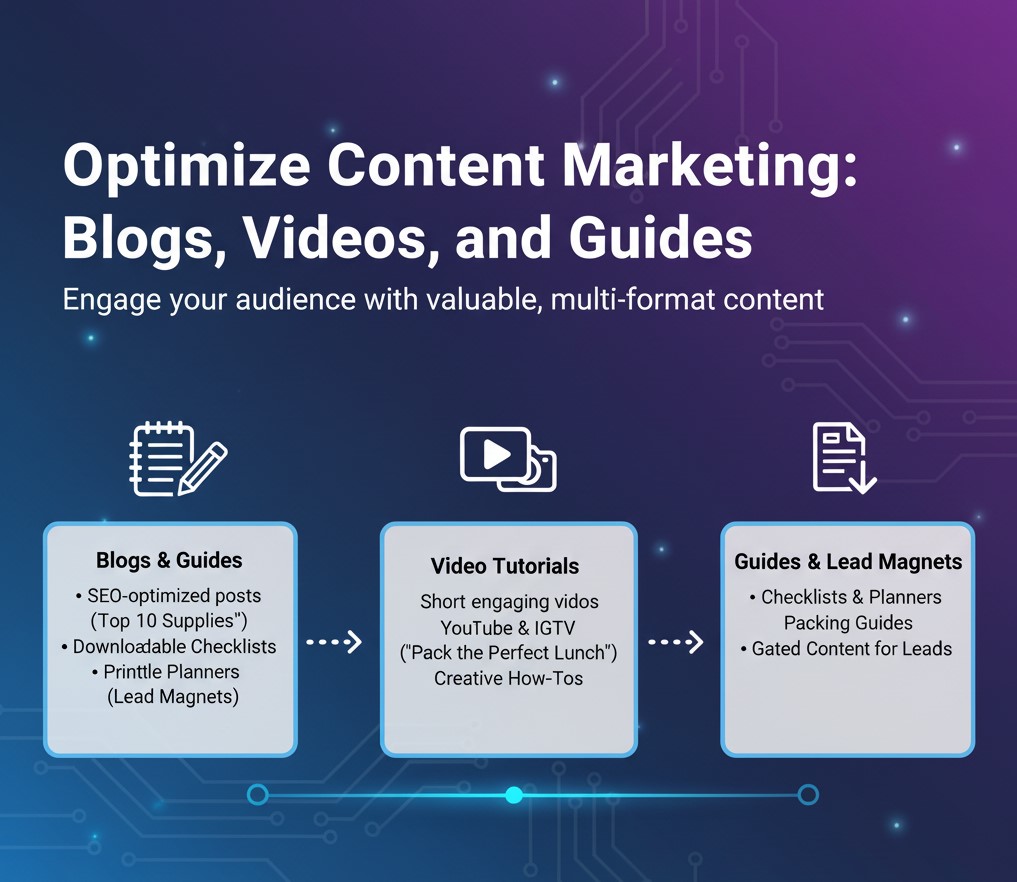
Produce SEO-optimized blog posts such as “Top 10 Budget-Friendly Back-to-School Supplies” or “How to Create a Productive Study Nook.” Create short video tutorials—like packing the perfect lunch or organizing a backpack—and host them on YouTube or IGTV. Downloadable checklists, packing guides, or printable planners add value and capture leads via gated content.
Content formats to consider:
- Blog posts: “Top 10 Budget-Friendly Back-to-School Supplies.”
- Video tutorials: Packing lunch, dorm organization, DIY decorations.
- Downloadable resources: Checklists, planners, study guides.
Benefits:
- Improves SEO visibility for back-to-school searches.
- Provides value while subtly promoting products.
- Captures leads via gated content.
Blog snippet:
“High-quality content educates and inspires your audience, building trust and positioning your brand as a back-to-school authority.”
7. Utilize Paid Ads and Retargeting Strategies
Invest in Google Search ads targeting keywords like “school backpacks sale” or “college dorm supplies.” On social platforms, run carousel ads to showcase your bundles. Use dynamic retargeting to remind visitors about abandoned carts or viewed products. Adjust bids for high-intent segments—such as lookalike audiences of past back-to-school buyers—to maximize ROI.
Paid ad tactics:
- Google Search Ads target phrases like “affordable backpacks” or “college dorm essentials.”
- Social media carousel ads showcasing bundles.
- Dynamic retargeting to remind visitors of abandoned carts.
Tips:
- Adjust bids for high-intent segments, like returning customers or lookalike audiences.
- Use A/B testing for visuals and copy to identify high-performing ads.
Blog snippet:
“Paid ads ensure visibility for shoppers actively searching for products, while retargeting nudges potential buyers to complete their purchase.”
8. Collaborations, Events, and In-Store Activations
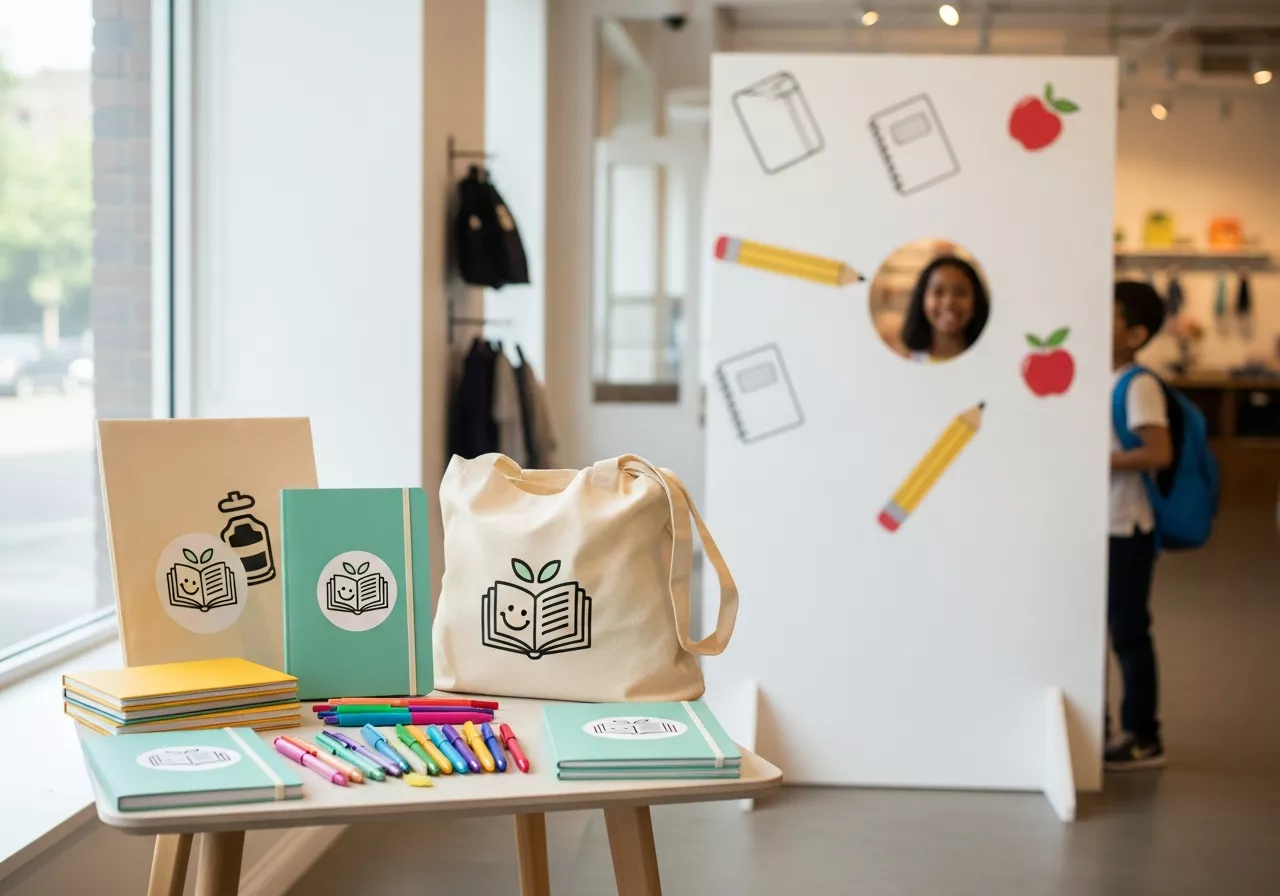
Partner with local schools, parent-teacher associations, or campus organizations for sponsored events: supply drives, welcome fairs, or pop-up shops. Offering branded freebies—like custom notebooks or pens—creates goodwill and extends your brand’s footprint. For brick-and-mortar stores, set up photo booths with school-themed backdrops to encourage social shares.
Ideas:
- Partner with schools or PTA groups for supply drives or fairs.
- Offer branded freebies (notebooks, pens, tote bags).
- Host photo booths, DIY stations, or pop-up events.
Benefits:
- Builds community goodwill.
- Encourages user-generated content on social media.
- Extends your brand footprint offline.
Blog snippet:
“Creating memorable, hands-on experiences boosts both engagement and sales, turning seasonal shoppers into long-term advocates.”
9. Analyze, Measure, and Refine Your Campaign
Track KPIs: email open and click-through rates, social engagement, website traffic spikes, conversion rates, and average order value. Use dashboards in Google Analytics, your email platform, and ad managers. Identify what’s working—be it a specific offer or creative—and reallocate budget mid-campaign to top performers. Post-season, conduct a thorough review to inform next year’s strategy.
10. Future-Proof Your Back-to-School Marketing
Stay agile by monitoring emerging trends: AR try-ons for backpacks, AI-powered personalization, and sustainability-focused supplies. Survey your audience post-campaign for feedback and helpline data to anticipate pain points. Building a year-round communications plan will keep your brand top-of-mind long after the first bell rings.
Sustainability in Back-to-School Marketing
Modern consumers, especially students and parents, are increasingly conscious of environmental impact. Highlighting sustainable products, eco-friendly packaging, and ethical sourcing can set your brand apart. Consider offering reusable lunchboxes, biodegradable school supplies, or backpacks made from recycled materials. Marketing campaigns can emphasize “Green Back-to-School” initiatives, encouraging customers to make environmentally responsible choices. Social media content featuring tips on reducing school-related waste or DIY eco-friendly crafts engages audiences while positioning your brand as socially responsible. Collaborations with sustainability-focused organizations or hosting recycling drives can further strengthen brand credibility and community connection.
Leveraging Loyalty Programs and Membership Perks
Back-to-school season is an ideal time to reward loyal customers and incentivize repeat purchases. Brands can offer special points, discounts, or exclusive access to members for purchasing school essentials. For example, loyalty members could receive early access to back-to-school bundles, birthday discounts for students, or bonus points for referring friends. Highlighting these perks in your marketing emails, social media posts, and website banners can drive membership sign-ups while boosting overall sales. Well-structured loyalty programs encourage customers to return throughout the school year, not just during the back-to-school rush.
Gamification and Interactive Campaigns
Gamification adds fun and engagement to seasonal marketing campaigns. Brands can create quizzes, challenges, or digital scavenger hunts related to school supplies, study tips, or classroom décor. For instance, a “Pack Your Dream Backpack” quiz on social media can recommend products and offer discount codes based on results. Reward participants with digital badges, coupons, or entries into sweepstakes. Interactive campaigns generate high engagement, encourage user-generated content, and make the shopping experience more memorable. When combined with social sharing, gamification increases brand visibility and drives organic traffic.
Personalization and AI-Powered Marketing
AI and personalization tools allow brands to deliver hyper-relevant messages during the back-to-school season. Personalized product recommendations based on past purchases or browsing behavior can increase conversion rates. Email campaigns with AI-driven subject lines and product suggestions feel more tailored and engaging. Chatbots and virtual shopping assistants on websites can guide students and parents to find exactly what they need quickly, enhancing the shopping experience. AI-powered segmentation also enables predictive marketing, allowing brands to anticipate trends and customer needs before they fully emerge.
Experiential Marketing and Pop-Ups
Experiential marketing creates memorable, hands-on experiences that leave lasting impressions. Hosting pop-up shops, interactive classrooms, or school-themed workshops allows customers to see, touch, and try products firsthand. Experiential events can include DIY craft sessions, lunchbox decorating contests, or “study space makeover” workshops. Social media photo opportunities at these events encourage attendees to share their experiences online, generating organic buzz. By combining education, entertainment, and product discovery, experiential marketing strengthens emotional connections with the brand and drives both online and in-store sales.
Conclusion
A successful back-to-school campaign blends meticulous planning with creativity and data-driven optimization. By researching your audience, crafting compelling offers, and leveraging multiple channels—from email and social to paid ads and events—you can drive engagement, increase sales, and build lasting customer loyalty. Implement these 12 strategies to make your next back-to-school season your strongest yet.
Frequently Asked Questions (FAQ)
Q1: What is back-to-school seasonal marketing?
A: Back-to-school seasonal marketing is a strategy that brands use to promote products, services, or content around the period when students return to school. It targets multiple audiences, including students, parents, and educators, and spans late summer through early fall. The goal is to offer timely solutions, increase engagement, and drive sales.
Q2: When should I start my back-to-school marketing campaign?
A: Ideally, campaigns should begin 6–8 weeks before the first day of school. This allows time for pre-orders, early-bird promotions, and awareness-building content. You can also create last-minute campaigns for shoppers who tend to buy closer to school start dates.
Q3: How can I segment my audience effectively?
A: Start by gathering data on customer demographics, buying behaviors, and preferred channels. Segment by age (elementary, high school, college), role (student, parent, teacher), and geography (urban vs. suburban trends). Tools like Google Analytics, Facebook Audience Insights, or your CRM are very effective for creating detailed buyer personas.
Q4: What types of offers perform best during the back-to-school season?
A: Bundles, tiered discounts, limited-time offers, and exclusive teacher or student kits are particularly effective. For example, “Buy a backpack, get 20% off school supplies” or free shipping on orders over $50 can drive both urgency and higher average order value.
Q5: Which marketing channels work best for back-to-school campaigns?
A: A multichannel approach is most effective. Email and SMS marketing drive direct conversions, social media boosts engagement, paid ads increase visibility, and content marketing (blogs, videos, downloadable guides) builds authority. Omnichannel strategies ensure your messaging is consistent across all touchpoints.
Q6: How can I make my back-to-school campaigns more engaging?
A: Use interactive tactics like polls, quizzes, social challenges, and gamified experiences. Partner with influencers or campus leaders to create authentic content, run contests, or encourage user-generated content. Experiential events like pop-ups, workshops, and DIY stations also enhance engagement.
Q7: Is personalization important for back-to-school marketing?
A: Yes. Personalized emails, product recommendations, and AI-powered targeting significantly increase engagement and conversion rates. Tailoring messages to specific segments—like dorm essentials for college freshmen or eco-friendly backpacks for parents—makes your campaigns more relevant and effective.
Q8: How can sustainability be integrated into back-to-school marketing?
A: Highlight eco-friendly products, recycled materials, and sustainable packaging. Run campaigns that educate customers on reducing school-related waste or offer initiatives like recycling drives. Sustainability messaging resonates with socially conscious families and strengthens brand loyalty.
Q9: How do I measure the success of a back-to-school campaign?
A: Track key performance indicators (KPIs) such as email open and click-through rates, social engagement, website traffic, conversion rates, and average order value. Post-season, analyze what worked and refine strategies for the following year.
Learn more about: Facebook & Google Ads Strategy for Seasonal Offers and Events