
Expanding your business into uncharted territory requires more than just ambition; it demands precision. A robust product marketing strategy is the compass that guides successful market entry and sustainable growth.
This comprehensive guide explores the essential steps to build a product marketing strategy for new markets. From conducting deep market research and defining your unique value proposition to aligning teams and executing a localized go-to-market plan, we cover everything you need to know to launch with confidence and impact.
Step 1: Conduct Market Research
Before you even think about tactics or marketing ideas, you need insight. Thorough market research helps you understand your new target audience, the competitive landscape, and local nuances. Without this foundation, even the most creative product marketing strategy is likely to fail.
a) Know the Market
Understanding your audience is the bedrock of any strategy. You need to dig deep into demographics, psychographics, and behavioral patterns.
- Demographics: Who are your customers? Consider age, income, job roles, and location. For example, if you are targeting Gen Z, you might need to understand how to become a social media influencer to leverage their preferred content creators.
- Psychographics: What motivates them? What are their pain points? Are they driven by luxury brand marketing appeals or practical value?
- Behavioral Patterns: Where do they shop? What devices do they use? How do they buy? Are they susceptible to viral content marketing or do they prefer detailed whitepapers?
b) Competitive Analysis
You cannot operate in a vacuum. A competitive brand analysis is crucial.
- Who are the major players in the market?
- What messaging and pricing do they use?
- What are their strengths and gaps?
- Where is there a white space for your product?
Utilizing tools like SEMrush can help you analyze competitor traffic and keywords, giving you a clearer picture of the landscape.
c) Regulatory Environment
Don’t forget legal considerations. If you’re entering a foreign market, compliance (GDPR, product certifications, import/export laws) matters. This is part of brand safety in digital marketing—ensuring you operate within legal and ethical boundaries.
Step 2: Define Your Positioning & Messaging
Once you know the market landscape, it’s time to position your product in a way that resonates with your new audience. This is where your brand positioning strategy comes to life.
a) Define Unique Value Proposition (UVP)
Your product marketing strategy should clearly communicate how your product solves a specific problem better than alternatives.
- What problem are you solving?
- Why is your solution better?
- How is your offering different or new?
This is often distilled into a brand positioning statement that aligns internal teams.
b) Tailor Messaging to Local Culture
Language, tone, and messaging should be adapted to local expectations. Cultural branding is essential here. For example, humor that works in one country may fall flat or offend in another. You might need to adjust your brand voice to fit local norms without losing your core identity.
c) Establish Core Messaging Pillars
Build a messaging framework that guides all content across sales decks, ads, email campaigns, and product pages. Keep it consistent but flexible to ensure building brand consistency across all touchpoints.
Step 3: Align Product and Marketing Teams
An effective product marketing strategy is built on cross-functional alignment. Product marketing sits at the intersection of product, sales, customer success, and marketing.
a) Get Early Buy-In from Stakeholders
Ensure product managers, sales leaders, and regional marketers are all looped into the plan. Use workshops and collaborative tools to unify the vision. This internal alignment is a key component of brand architecture.
b) Share Market Research and Personas
Make sure everyone—especially product and sales teams—understands who the customer is and what messaging should be used. This avoids brand cannibalization where internal products compete against each other due to unclear positioning.
c) Build Feedback Loops
Set up regular syncs or feedback sessions to refine strategy based on what teams are seeing in the field. This agile approach is vital for brand resilience strategies.
Step 4: Create a Localized Go-To-Market (GTM) Plan
A go-to-market strategy is a crucial component of your broader product marketing strategy. For a new market entry, it should cover:
a) Channel Strategy
- Owned Channels: Website, blog, email. Consider email marketing tips for seasonal campaigns if you are launching during a specific time of year.
- Paid Channels: Google Ads, local ad networks, social ads. Media buying services can help optimize this spend.
- Earned Channels: PR, influencer outreach, word-of-mouth. Influencer marketing services are increasingly critical for credibility.
Tailor each channel to the market. Some regions may rely more on messaging apps (e.g., WhatsApp marketing services in LATAM), while others prefer email or LinkedIn.
b) Sales Enablement
Equip your sales team with the tools and content they need:
- Localized pitch decks and one-pagers.
- Objection handling scripts tailored to market concerns.
- Product demo walkthroughs in the local language.
This ensures your B2B digital marketing strategies translate effectively into closed deals.
c) Content & Campaign Planning
Your messaging should be rolled out across a variety of content types:
- Educational blog posts: Optimize these for SEO services to drive organic traffic.
- Customer testimonials: Use stories from similar regions or industries.
- Landing pages: Ensure they are optimized for local SEO services.
- Webinars: Explore trending webinar topics and create irresistible webinar offers to capture leads.
Step 5: Prepare for Product Launch
A new product launch in a new market is your big moment. Your product marketing strategy must support both awareness and conversion.
a) Launch Tiers
- Soft Launch: Roll out to a smaller audience to test messaging and offer.
- Full Launch: Push via all marketing channels and sales campaigns.
b) Launch Tactics
- Pre-Launch Teasers: Build anticipation with sneak peeks or countdowns. This creates marketing FOMO.
- Influencer Marketing & Outreach: Partner with local influencers to gain trust, visibility, and cultural credibility. Influencer marketing for product launches is especially effective in markets where peer recommendations carry more weight than traditional ads. Collaborating with micro or niche influencers can also help you reach highly targeted segments.
- Launch Event or Webinar: Great for B2B products to showcase features and educate. Use a solid webinar sales funnel to convert attendees.
- Referral or Discount Programs: Incentivize early adoption and advocacy using referral marketing tactics.
c) Customer Support Preparedness
Ensure your support team is ready to handle local language inquiries, time zones, and cultural expectations. This is part of brand perception in marketing; poor support can ruin a launch.
Step 6: Monitor, Measure & Optimize
A product marketing strategy is never static—especially in a new market. Track performance across both leading and lagging indicators using tools like Google Analytics.
a) Key Metrics to Track
- Website traffic from target region.
- Conversion rates from marketing campaigns.
- Cost-per-lead (CPL) and customer acquisition cost (CAC).
- Product engagement (DAU, MAU, feature usage).
- Net Promoter Score (NPS) and reviews. Review management services can help track sentiment.
b) Run Post-Mortems
What worked and what didn’t? Use customer interviews, sales feedback, and analytics tools to learn and refine your strategy. This helps in refining your brand strategy road map.
Step 7: Use Early Wins to Build Momentum
Success in a new market compounds quickly—but only if leveraged correctly.
a) Collect Testimonials
Even a few early advocates can serve as social proof. Capture their stories for digital marketing success stories.
b) Build a Community
Consider starting a Facebook Group, Discord server, or user forum specific to your new market. This increases brand stickiness and aids in brand loyalty.
c) Expand with Caution
Use learnings from your first region or segment to expand to similar markets. Don’t rush; make data-informed decisions based on your brand audit.
Leveraging Seasonality in Your Product Marketing Strategy
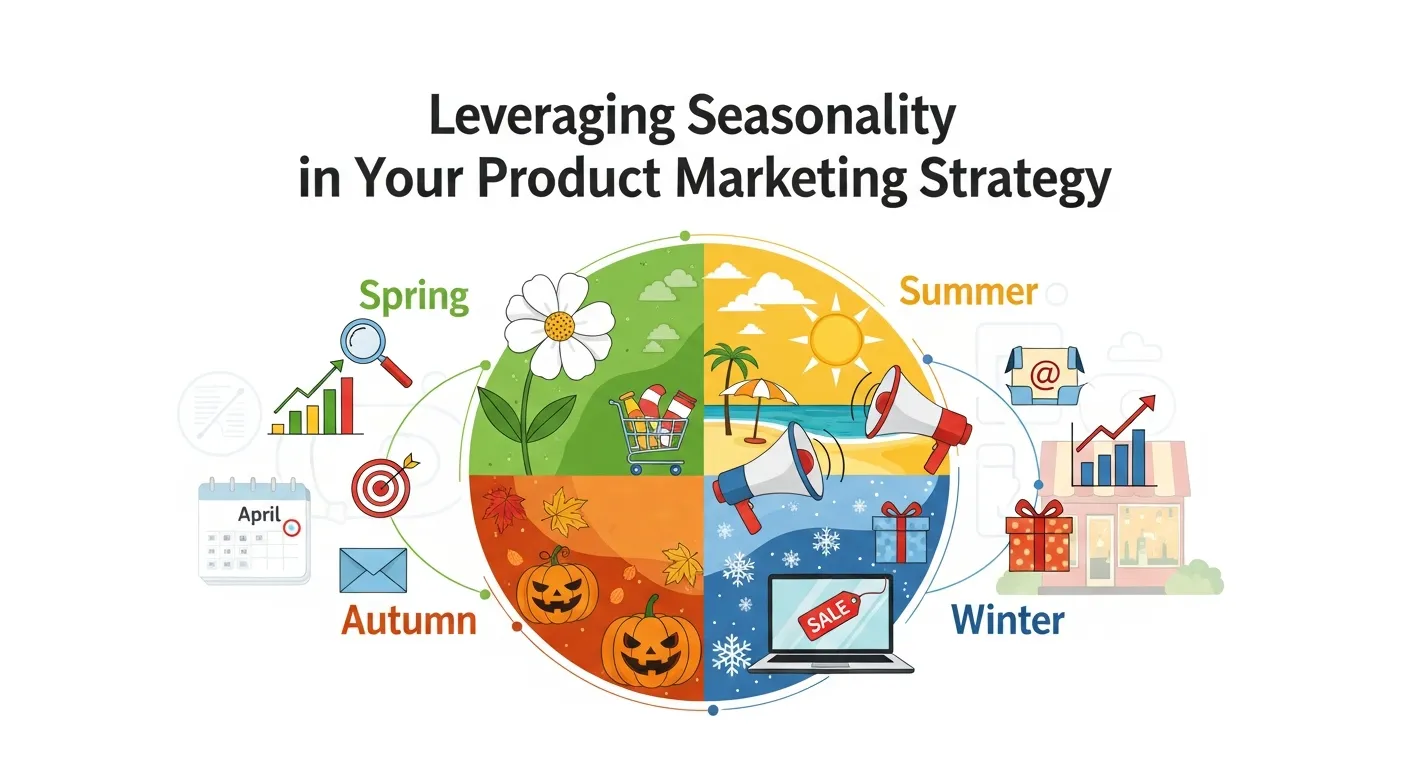
One often-overlooked aspect of a new market entry is seasonality in marketing. Understanding the local calendar is vital.
- Holiday and Festival Marketing: Does the new market celebrate different holidays? Planning holiday promotions or a specific winter campaign tailored to local festivities can significantly boost engagement.
- Cross Channel Seasonal Marketing: Ensure your seasonal marketing ideas are consistent across email, social, and web.
- Seasonal Trends in Marketing: Use tools like Google Trends to identify when interest in your product category peaks in the new region.
For example, EID marketing ideas might be crucial in the Middle East, while a summer discount strategy might need to be timed differently in the Southern Hemisphere. Even niche businesses, like a Four Season Meat Market or a New Seasons Market catering service, rely heavily on understanding these cycles.
The Role of Digital Branding and Reputation
Entering a new market means building a reputation from scratch. Your digital reputation management strategy is key.
- Brand Monitoring Services: Keep an ear to the ground for what locals are saying about you.
- Crisis Management Services: Have a plan in place for negative feedback or cultural misunderstandings. Brand crisis management protocols should be established before launch.
- Personal Reputation Management: If your founder is the face of the brand, their reputation matters too.
Additionally, consider how you handle transactions. Offering preferred digital payment solutions or robust payment gateway solutions builds trust and reduces friction for new customers.
Content Strategy and SEO for New Markets
Your content must work hard for you. A solid creative content services strategy includes:
- Video SEO: If you use YouTube, ensure your digital marketing on YouTube is optimized for local search terms.
- Wikipedia Page Management: Establishing a local presence on Wikipedia can boost authority.
- Guest Posting Services: Build backlinks from local high-authority sites through ethical link building.
Don’t forget the technical side. App development services and web design & development should prioritize user experience and branding localized for the new market.
Integrating Advanced Tactics: AI and Viral Marketing

To truly disrupt a new market, consider advanced tactics.
- Trend Marketing AI Data Strategy: Use AI to predict micro trend marketing opportunities. AI driven trend forecasting can give you a first-mover advantage.
- Viral Content Strategies: Understanding the psychology behind viral content allows you to craft messages that spread. Whether it’s viral marketing on TikTok or a clever meme marketing campaign, the goal is make your product go viral.
- Viral Marketing vs Sustainable Marketing: Balance the short-term burst of viral hits with long-term brand equity in marketing.
However, be aware of the dark side of viral marketing. Rapid growth can sometimes lead to operational failure if you aren’t prepared, or negative sentiment if the content is polarizing.
Why a Career in Product Marketing Matters
Executing a strategy this complex requires skilled professionals. A career at New Seasons Market or a similar dynamic company often starts with understanding these fundamentals. Whether you want to start a social media marketing company or become a digital marketing expert role, mastering product marketing strategy is the foundation.
Real-World Example: Slack’s International Growth
When Slack expanded internationally, it didn’t just translate the app—it localized entire workflows and documentation, hired local customer success teams, and adapted onboarding messaging. They even studied how different cultures approach collaboration to tweak product positioning.
This is a perfect example of how a tailored product marketing strategy supports new product launches in unfamiliar markets.
Common Mistakes to Avoid
- Assuming Global Messaging Works Everywhere: Always localize your strategy. Brand adaptation strategies are non-negotiable.
- Neglecting Local Sales Alignment: Sales teams need region-specific tools and training.
- Underestimating Cultural Differences: Humor, urgency, and even color meanings vary by culture. Sensory branding elements must be reviewed.
- Rushing Launch Before Readiness: Validate with a small test market before a full launch.
- Measuring Wrong KPIs: Focus on quality metrics, not just vanity metrics like impressions.
|
Mistake |
Impact |
Solution |
|---|---|---|
|
Ignoring Local Culture |
Brand perception damage |
Invest in cultural branding research |
|
Poor SEO Localization |
Low organic traffic |
Use local SEO services |
|
One-Size-Fits-All Ads |
Low conversion rates |
Tailor media buying services |
|
Weak Customer Support |
High churn |
Localize support teams |
Conclusion
Entering a new market is high risk—but potentially high reward. With the right product marketing strategy, you’re setting your company up for long-term success. From research and positioning to launch execution and post-launch optimization, product marketers must orchestrate across functions, geographies, and cultures.
A thoughtful, flexible, data-driven strategy ensures your new product launch doesn’t just make a splash—it creates sustainable demand. Whether you are leveraging SMS marketing, outbound email marketing, or high-level brand strategy consulting guides, the core principles remain the same: know your customer, solve their problem, and tell your story well.
FAQs
1. What is the most important part of a product marketing strategy for a new market?
Research. Without understanding the local audience, competitors, and cultural nuances, your product marketing strategy is guessing. Deep insights into demographics and psychographics allow you to tailor your unique value proposition effectively.
2. How does a go-to-market (GTM) strategy differ from a product marketing strategy?
A GTM strategy is a subset of your overall product marketing strategy. While product marketing covers the entire lifecycle (positioning, messaging, adoption), GTM focuses specifically on the logistics and tactics of the launch itself—channels, sales enablement, and launch timing.
3. Why is localization important in product marketing?
Localization goes beyond translation. It involves adapting your brand voice, pricing, imagery, and even product features to fit local expectations. This ensures brand relevance and avoids cultural missteps that could harm your reputation.
4. How can I use influencer marketing for a new product launch?
Influencer marketing for product launches builds immediate trust. Local influencers act as cultural bridges. By partnering with them, you leverage their established audience and credibility. This is often more effective than cold advertising in a new region.
5. What role does SEO play in entering a new market?
SEO is critical for discoverability. You must optimize your content for local keywords and search behaviors. Local SEO services ensure that when potential customers in the new market search for solutions, your product appears.
6. How do I define my Unique Value Proposition (UVP) for a new market?
Your UVP might change depending on the market. Analyze local competitors to find gaps. Your UVP should highlight how your product solves a specific local pain point better than existing options. It ties directly into your brand positioning strategy.
7. What are the risks of viral marketing in a new market?
The dark side of viral marketing includes attracting the wrong audience or overwhelming your support team. If your operational infrastructure (like payment gateway solutions or customer service) isn’t ready for a sudden spike, it can damage your brand.
8. How often should I update my product marketing strategy?
It should be a living document. In a new market, you should review metrics weekly during the launch phase and adjust your content planning and spend based on real-time data from tools like Google Analytics.
9. Can I use the same brand voice in every market?
Not always. While your core values should remain consistent (building brand consistency), your tone might need adjustment. A playful brand voice might be seen as unprofessional in some business cultures, requiring a more formal approach.
10. How do I measure the success of my market entry?
Track a mix of adoption metrics (users, sales), financial metrics (CAC, LTV), and sentiment metrics (NPS, reviews). Success isn’t just revenue; it’s also about establishing a positive brand reputation and sustainable growth.