Are you ready to turn your online presence into a profitable career? This guide reveals the proven strategies you need to master how to become a social media influencer and build a lasting personal brand.
This comprehensive article outlines the essential steps for aspiring creators, covering niche selection, content strategy, and audience growth. We explore actionable monetization methods, from brand partnerships to affiliate marketing. You will learn how to navigate the digital landscape, optimize your profiles for SEO, and transform your passion into a sustainable income stream.
What Is a Social Media Influencer?
Before diving into the mechanics of how to become a social media influencer, it is crucial to understand the landscape. An influencer is not just someone with a smartphone and a selfie ring light; they are modern-day opinion leaders. They possess the power to affect the purchasing decisions of others because of their authority, knowledge, position, or relationship with their audience.
In the current digital marketing ecosystem, influencers are the bridge between brands and consumers. Traditional advertising often fails to connect because it lacks a human touch. Influencers fill this gap by providing Authenticity and Trust. When you learn how to become a social media influencer, you are essentially learning how to build a community based on shared values and interests.
The Hierarchy of Influence
Understanding where you fit is the first step in your journey on how to become a social media influencer.
- Nano-Influencers (1K–10K followers): High engagement rates; often focused on a very specific local or topic niche.
- Micro-Influencers (10K–50K followers): The sweet spot for engagement and growth. Brands love them for their loyal communities.
- Mid-Tier Influencers (50K–500K followers): Professional creators who likely do this full-time.
- Macro-Influencers (500K–1M followers): Internet celebrities with massive reach but potentially lower engagement rates.
- Mega-Influencers (1M+ followers): Famous icons and celebrities.
Step 1: Develop Your Niche and Personal Brand Strategy
The most common mistake people make when figuring out how to become a social media influencer is trying to be everything to everyone. To succeed, you must specialize. Your niche is the intersection of what you are passionate about, what you are knowledgeable in, and what people are searching for.
Identifying Your Passion and Expertise
Ask yourself: What could I talk about for 30 minutes without preparation? Is it Sustainable Fashion Marketing Strategies? Is it Digital Payment Solutions for freelancers? Or perhaps Gaming and Tech?
If you choose a broad category like “Fitness,” you will drown in competition. Instead, narrow it down. “Post-partum fitness for working moms” or “Yoga for men over 40” are specific, targeted niches. This specificity helps in Brand Positioning. By defining a clear Brand Personality In Marketing, you attract a dedicated audience rather than a passive one.
Validating Your Niche
Once you have an idea, use tools like SEMrush or Google Trends to validate it. Are people searching for this? Is there a community? Look for gaps in the market. Maybe there is a demand for EID Marketing Ideas or Seasonal Marketing Ideas that aren’t being covered by current creators.
Step 2: Develop A Comprehensive Content Plan
Consistency is the heartbeat of influence. You cannot figure out how to become a social media influencer without a roadmap. A content plan ensures you aren’t waking up every day wondering what to post.
Choosing Your Platforms
Don’t try to conquer every platform at once. Pick one or two that align with your niche.
- Instagram/TikTok: Best for Fashion and Beauty, Food and Recipes, and visual storytelling.
- YouTube: Ideal for long-form education, Tech Reviews, and vlogs.
- LinkedIn: The go-to for B2B Digital Marketing Strategies, SaaS Development Services, and professional thought leadership.
- Blogs/Websites: Essential for SEO and ownership of your content.
The Content Mix
Your content should be a mix of education, entertainment, and inspiration.
- Viral Content: Trends, challenges, and high-energy videos designed for reach (e.g., Viral Marketing on TikTok).
- Value Content: Tutorials, How-to guides, and tips that solve problems.
- Personal Content: Behind-the-scenes, failures, and stories that humanize you.
Pro Tip: Use a content calendar. Plan for Seasonal Trends In Marketing. If you know the holidays are coming, plan your Holiday and Festival Marketing posts months in advance. This allows you to leverage Seasonal Promotions for e-commerce if you are selling products.
Step 3: Invest in Quality and Aesthetic Coherence
Learning how to become a social media influencer involves viewing yourself as a media company. The production value matters. While you don’t need cinema-grade gear, you do need clear audio and good lighting.
Essential Equipment
- Smartphone: A high-quality camera phone is usually sufficient for starters.
- Lighting: Natural light is free, but a ring light or softbox helps during dark hours.
- Audio: A simple lapel mic can drastically improve retention. Bad audio kills engagement faster than bad video.
- Editing Apps: Tools like CapCut, Canva, or Adobe Rush are essential for creating polished Social Media Management assets.
Visual Branding
Your feed should look cohesive. Choose a color palette and font style that reflects your Personal Brand Strategy. If you are in the Luxury Brand Marketing space, your visuals should be sleek, minimalist, and high-resolution. If you are in the gaming space, neon colors and bold fonts might work better. This Brand Consistency helps followers instantly recognize your content in their feed.
Step 4: Grow Your Audience Organically
This is the hardest part of learning how to become a social media influencer. Growth takes time, patience, and engagement.
The Engagement Strategy
Social media is a two-way street. Don’t just post and ghost.
- Reply to comments: especially in the first hour after posting.
- Engage with similar accounts: Comment on other influencers’ posts in your niche.
- Use Interactive Stickers: Polls, Q&As, and quizzes on Instagram Stories boost algorithmic visibility.
SEO for Social Media
Social platforms are search engines. Optimize your bio and captions with keywords. If you are a consultant, use terms like Digital Marketing Expert Role or Brand Strategy Consulting Guide in your profile. Use Seasonal Hashtag Strategies relevant to current events to capture trending traffic.
Collaboration
Partner With Other Authors In Your Genre And Cross-Post. Collaboration exposes you to a new audience. If you are a food blogger, collaborate with a fitness influencer for a “Healthy Eating” series. This creates a Cross Channel Seasonal Marketing effect where both parties benefit.
Step 5: Partner With Brands and Monetize
Once you have an audience, you can shift your focus to how to become a social media influencer who gets paid. Monetization is the result of the trust you have built.
1. Sponsored Posts
This is the bread and butter of influencer marketing. Brands pay you to create content featuring their product.
- Pitching: Don’t wait for brands to come to you. Create a media kit that highlights your demographics, engagement rates, and past successes. Pitch to brands that align with your values.
- Pricing: Rates vary wildly, but a general rule of thumb for micro-influencers is $100 per 10,000 followers per post.
2. Affiliate Marketing
You earn a commission for every sale made through your unique link. This works well for Product Marketing Strategy. If you recommend a specific camera or software (like Payment Gateway Solutions or App Development Services), use an affiliate link. Programs like Amazon Associates or specific software affiliate programs are great starting points.
3. Brand Ambassadorships
Unlike one-off posts, these are long-term partnerships. You become the face of the brand for a season or a year. This requires a high level of Brand Alignment and trust. You might represent a New Seasons Market or a clothing line, creating content consistently over months.
4. Selling Digital Products
Pack your knowledge into an eBook, course, or webinar. If you have mastered how to become a social media influencer, sell a guide on it. If you are an expert in Email Marketing Tips for Seasonal Campaign, create a checklist or template pack. Digital products have high profit margins and establish your authority.
Step 6: Be Real and Grow (Authenticity is Key)
In an age of AI and filters, authenticity is your currency. The audience can smell a fake recommendation from a mile away.
Ethical Branding and Transparency
Always disclose sponsored content. It is not just about FTC guidelines; it is about respecting your audience. If you are promoting SaaS Development Services, make sure you have actually used them. If you promote a Four Season Meat Market but you are a known vegetarian, you will face a Brand Crisis Management situation. Your reputation is fragile. Digital Reputation Management is crucial—once trust is broken, it is hard to regain.
Adapting to Trends
The digital landscape changes fast. Viral Marketing on TikTok looks different today than it did last year. Stay updated on Business Trends and platform updates. Keep testing new formats. If Short-form video is trending, pivot. If Live Audio is the new thing, try it.
Networking
Attend industry events. Networking with other creators provides support and insider knowledge. You might learn about Unique Marketing Ideas or Creative Webinar Ideas just by talking to peers.
Advanced Strategies for Aspiring Influencers
To truly master how to become a social media influencer, you need to go beyond the basics. Here are advanced tactics to scale your career.
Leveraging Data and Analytics
Stop guessing. Use tools like Google Analytics, Instagram Insights, or YouTube Studio to track your performance. Look at your ROI (Return on Investment) for different content types.
- Which posts got the most saves?
- What time of day does your audience engage?
- Which hashtags drove the most traffic?
Using data allows you to refine your Brand Marketing Strategy and produce more of what works.
Crisis Management
What happens if you say the wrong thing? Negative Content Management is a skill you hope never to use but must possess. If you face backlash, address it head-on with honesty. Hiding often makes it worse. Understanding Brand Resilience Strategies ensures your career can survive a stumble.
Diversification
Do not build your house on rented land. If Instagram shuts down tomorrow, do you lose your business?
- Build an Email List: This is an asset you own. Use Email Marketing Services to keep in touch with your top fans.
- Create a Blog: A website adds legitimacy and opens up SEO Services and ad revenue opportunities.
- Podcasting: Audio content builds deep connections.
The Role of Personal Branding
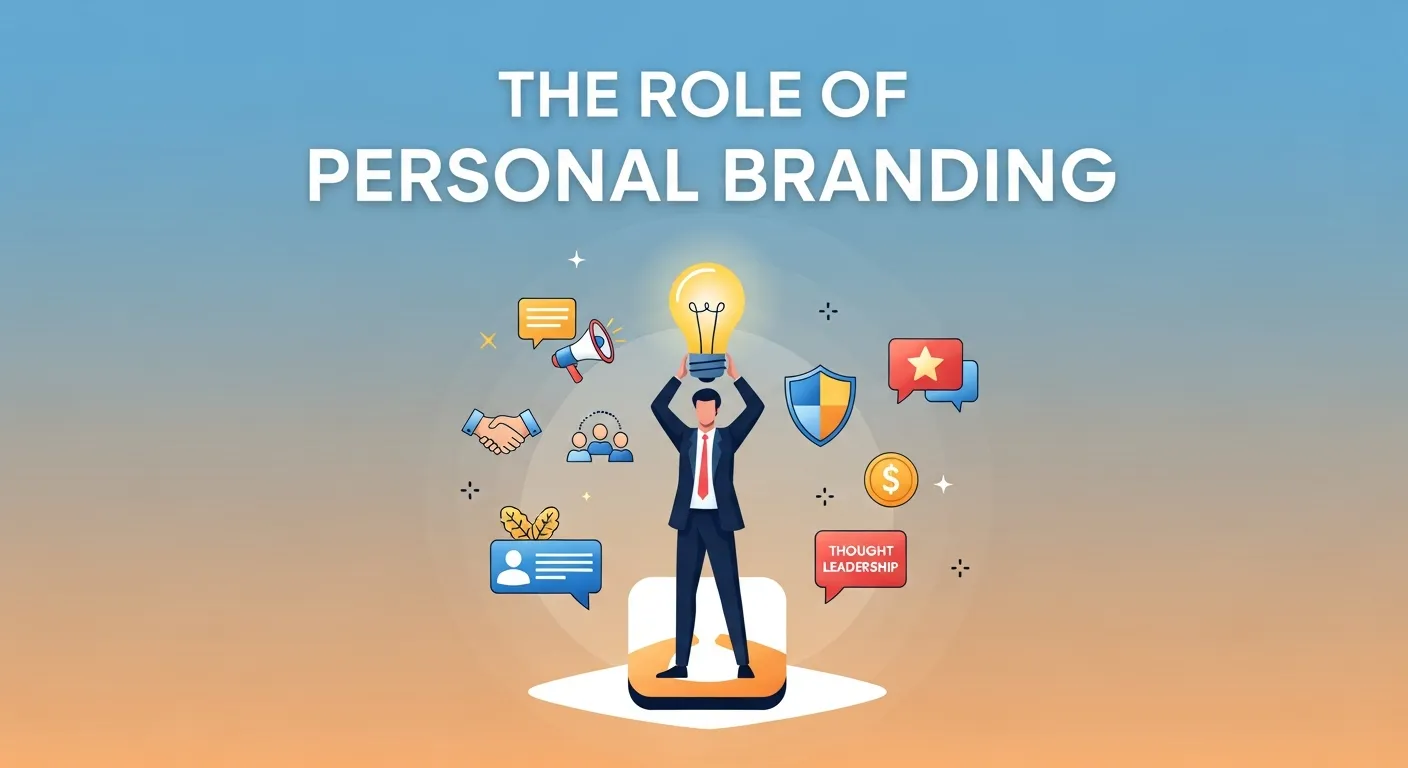
Your personal brand is what people say about you when you are not in the room. Personal Brand Strategy is intentional. It involves curating how you present yourself online to achieve specific goals.
Developing Brand Voice
Are you the funny, sarcastic friend? The stern, wise mentor? The quirky experimenter? Your Brand Voice should be consistent across all platforms, whether you are writing a tweet or filming a YouTube video.
Brand Archetypes
Consider using Brand Archetypes Framework Case Studies to define your persona. Are you the “Hero,” the “Sage,” or the “Jester”? Aligning with an archetype helps in Building Brand Consistency and makes your content more relatable subconsciously.
Seasonal and Viral Marketing Opportunities
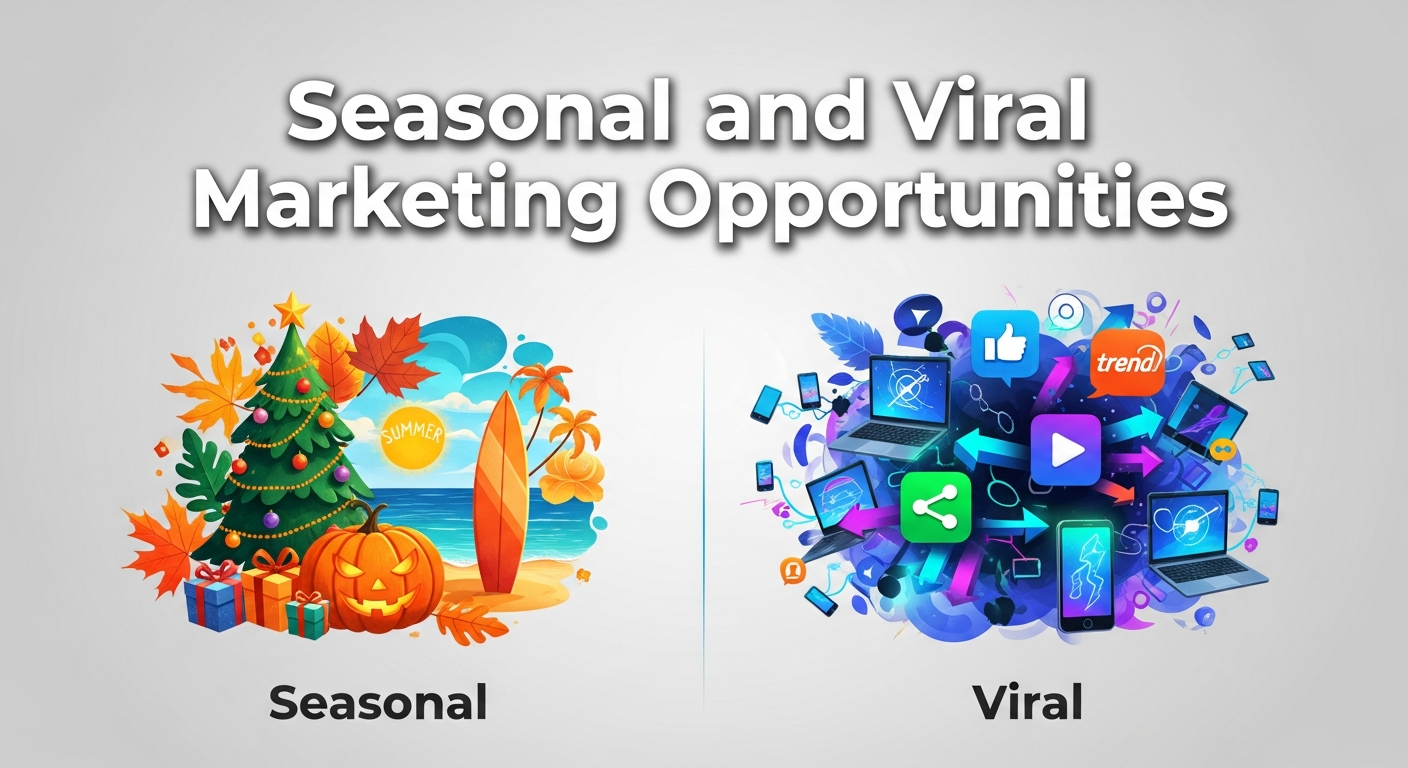
Understanding timing can fast-track your journey on how to become a social media influencer.
Leveraging Seasonality
Seasonality in Marketing offers predictable peaks in interest.
- Summer: Focus on Summer Discount codes, travel, and outdoor activities.
- Winter: Shift to How to plan a winter campaign, holiday gifts, and cozy aesthetics.
- EID/Christmas/Hanukkah: tailor content to specific cultural moments like EID Marketing Ideas.
Creating Viral Moments
While you cannot guarantee virality, you can engineer the conditions for it. Viral Content Marketing often relies on:
- Relatability: “Don’t you hate it when…”
- Surprise: Subverting expectations.
- Utility: Hacks that seem too good to be true.
Study the Psychology Behind Viral Content to improve your chances.
Common Pitfalls to Avoid
As you learn how to become a social media influencer, avoid these career-killers:
- Buying Followers: This destroys your engagement rate and credibility. Brands can see right through it using audit tools.
- Inconsistency: Disappearing for weeks kills your algorithmic momentum.
- Ignoring Contracts: Always read the fine print in brand deals. Ensure you understand usage rights and exclusivity clauses.
- Burnout: Content creation is demanding. Schedule breaks to maintain your mental health.
Conclusion
Learning how to become a social media influencer is a journey of self-discovery, creativity, and strategic business planning. It is not an overnight success story, but a career path built on consistency, value, and genuine connection.
By defining your niche, producing high-quality content, and engaging deeply with your community, you can build a platform that not only influences others but also generates a significant income. Whether you are sharing Fashion Marketing Strategies or Gaming tips, the principles remain the same: Be authentic, be helpful, and be persistent.
Start today. Draft that content plan, film that first video, and step into your potential. The digital world is waiting for your unique voice.
Frequently Asked Questions (FAQs)
1. How long does it take to become a social media influencer?
There is no set timeline for how to become a social media influencer. Some creators see viral growth in a few months, while for others, it takes years of consistent posting. Generally, expect to work consistently for at least 12–18 months to build a substantial, monetizable following.
2. Do I need expensive equipment to start?
No. Content quality is about value, not just resolution. Many top influencers started with just a smartphone. As you earn money, you can upgrade to better cameras and lighting, but your initial focus should be on storytelling and audio quality.
3. How many followers do I need to get paid?
You can start earning with as few as 1,000 followers as a nano-influencer. Brands value high engagement over sheer numbers. A creator with 2,000 highly engaged fans can often convert better than someone with 100,000 passive followers.
4. What is the best platform for beginners?
TikTok and Instagram Reels currently offer the highest organic reach for new accounts due to their interest-based algorithms. However, if you prefer writing or long-form video, a blog or YouTube channel might be better suited to your strengths.
5. How do I approach brands for collaboration?
Create a professional media kit that outlines your niche, audience demographics, and engagement stats. Research the brand’s contact person (usually in PR or marketing) and send a personalized email explaining specifically how you can add value to their marketing goals.
6. Can I be an influencer if I am shy?
Yes! You don’t have to be loud or show your face constantly. Faceless channels (like motivation pages, cooking hands-only videos, or tech unboxings) are very popular. You can also focus on blogging or photography where your work speaks for itself.
7. How do I handle negative comments?
Negative comments are part of the game. If they are constructive, learn from them. If they are hateful, ignore, delete, or block. Do not let trolls derail your Personal Reputation Management. Focus on the positive community you are building.
8. Is it necessary to pick a niche?
Yes, especially in the beginning. “Lifestyle” is too broad for a new creator. Niche down to “Sustainable Vegan Lifestyle for Students” to attract a core audience. You can broaden your topics once you have an established loyal following.
9. What are the legal requirements for influencers?
You must comply with advertising laws, such as the FTC guidelines in the US. This means clearly disclosing paid partnerships with hashtags like #ad or #sponsored. Failure to do so can result in fines and loss of trust.
10. How can I stay motivated when growth is slow?
Focus on the “why.” Why did you start? Focus on the community you are helping rather than the vanity metrics. Connect with other creators for support, and remember that every major influencer started with zero followers. Consistency is the only hack that works.