


Tapping into the rhythm of the year with timely promotions is essential. Integrating referral programs into your seasonal marketing strategies can transform occasional shoppers into a powerful, year-round growth engine for your brand.
This article explores how to merge referral marketing with your seasonal campaigns. You’ll learn to plan, execute, and measure these integrated strategies, turning holiday rushes into sustained customer loyalty and exponential growth. Discover actionable tips, real-world examples, and expert insights to maximize your results.
The Untapped Power of Combining Seasonal Marketing with Referral Programs
Businesses religiously follow the calendar, aligning their efforts with holidays, seasons, and cultural events. From Black Friday frenzies to summer sales, these campaigns create predictable spikes in interest and revenue. However, many businesses miss a crucial opportunity: converting that seasonal traffic into a sustainable source of new customers. This is where combining seasonal marketing strategies with a powerful referral program becomes a game-changer.
Seasonal marketing capitalizes on existing consumer behavior—people are already primed to shop for Christmas, Valentine’s Day, or back-to-school season. The energy and urgency are built-in. By integrating a referral component, you’re not just making a sale; you’re empowering your new, happy customers to become brand advocates. They can share their positive experience and exclusive seasonal offers with their network, creating a ripple effect that extends far beyond the holiday period.
This approach fundamentally shifts your marketing from a series of expensive, high-effort sprints to a self-perpetuating growth cycle. You leverage the trust inherent in peer-to-peer recommendations—often cited as the most effective form of marketing—and apply it to moments when purchasing intent is at its peak. This guide will walk you through exactly how to build and execute these powerful, integrated campaigns.
Understanding the Foundation: What is Seasonality in Marketing?
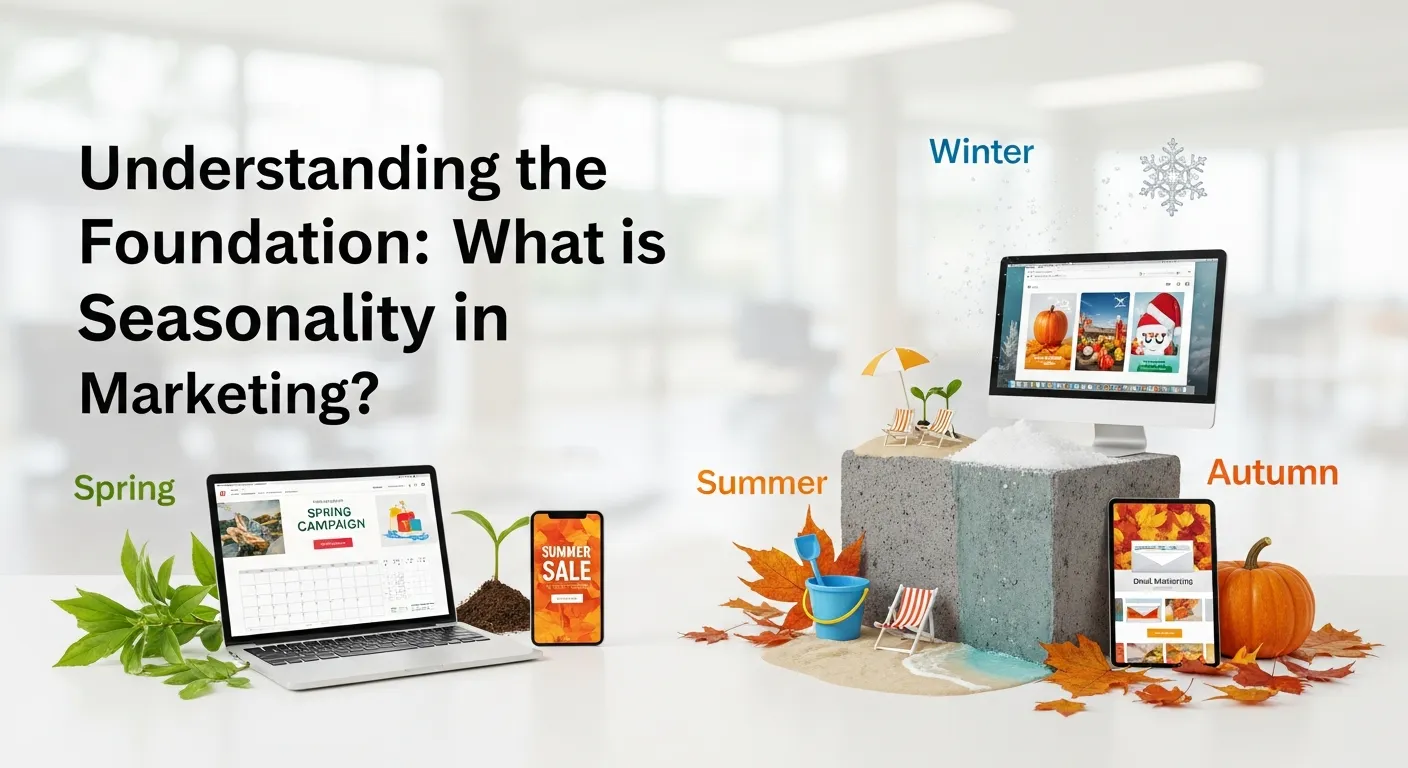

Before diving into complex strategies, it’s crucial to understand the core concept. What is seasonality in marketing? It refers to the tendency for sales and consumer interest in certain products or services to fluctuate in a predictable way at specific times of the year. These fluctuations can be driven by:
- Holidays: Major events like Christmas, Eid, Diwali, and New Year’s.
- Seasons: The four distinct seasons—spring, summer, autumn, and winter—each bringing unique needs and activities.
- Cultural Events: Back-to-school periods, sporting events like the Super Bowl, or awareness months.
- Industry-Specific Cycles: For example, the wedding industry peaks in late spring and summer, while the fitness industry often sees a surge in January.
Effective seasonal marketing strategies involve aligning your products, messaging, and promotions with these peaks. A well-designed how to plan a winter campaign for a clothing brand, for instance, would focus on coats and warm accessories, while a summer campaign would highlight swimwear and outdoor gear. The goal is to be present and relevant when your target audience is most likely to be looking for what you offer. This requires a deep understanding of seasonal trends in marketing and the ability to anticipate consumer needs.
Why Referral Programs Are the Perfect Amplifier for Seasonal Campaigns

A referral program, at its core, is a system that incentivizes existing customers to recommend your brand to their friends and family. When you layer this onto your seasonal promotions, the results can be explosive. Here’s why this combination is so effective:
Leveraging Heightened Emotion and Urgency
Seasonal campaigns are often built on powerful emotions—joy, generosity, nostalgia, or the excitement of a fresh start. This emotional branding creates a strong connection between the customer and the brand. A customer who has a wonderful experience buying holiday gifts is more likely to share that positive feeling. A referral program gives them a simple, rewarding way to do so. The urgency of a limited-time seasonal offer (e.g., “Get 20% off before Christmas!”) also motivates immediate sharing.
Building Trust Through Word-of-Mouth
A recommendation from a friend is far more trustworthy than a traditional advertisement. When a customer refers someone during a seasonal campaign, they are not just sharing a discount; they are vouching for the quality of your products and the value of your offer. This trust significantly lowers the barrier to entry for new customers, who might otherwise be skeptical of a promotional message. This is a key principle in understanding how to build a good reputation and strengthen your personal brand.
Cost-Effective Customer Acquisition
Acquiring customers during peak seasons can be expensive. The cost of advertising on platforms like Google and Facebook skyrockets as competition intensifies. Referral marketing offers a more affordable alternative. You only pay (in the form of a reward) when a successful conversion occurs. This performance-based model, often tracked with tools like Google Analytics, makes your marketing spend more efficient and predictable, a crucial part of any solid what is promotion in a business plan?.
Extending the Lifetime Value of Seasonal Shoppers
A common problem with seasonal marketing Strategies is acquiring “one-and-done” shoppers who buy during a sale and never return. A referral program helps combat this. When a customer successfully refers a friend, both parties are rewarded, strengthening their connection to your brand. This initial positive loop can be the first step in converting a seasonal bargain hunter into a loyal, year-round customer. It’s a core component of sustainable brand building and performance marketing.
Step-by-Step Guide: Integrating Referrals into Your Seasonal Marketing Strategies
Now, let’s get practical. Here is a step-by-step framework for merging a referral program with your seasonal campaigns.
Step 1: Plan Your Seasonal Calendar
First, map out the key seasons and holidays relevant to your business for the entire year. Don’t just think about the major ones; consider smaller, niche events that align with your audience. For a local business, this might include community events, making your brand the vibrant heart of your community. Create a calendar that details:
- Campaign Theme: (e.g., “Summer Getaway,” “Back to School Essentials”)
- Target Audience: Who are you trying to reach?
- Key Products/Services: What will you be promoting?
- Campaign Duration: Start and end dates.
- Core Messaging: The main message that will resonate with your audience.
This high-level plan will serve as the foundation for all your seasonal marketing ideas.
Step 2: Design Your Seasonal Referral Offer
Your referral offer needs to be compelling and relevant to the season. The standard “Give $10, Get $10” can work, but a themed offer is much more powerful.
- Double-Sided Incentives: Always reward both the referrer and the new customer. This creates a win-win scenario.
- Tiered Rewards: Encourage more referrals by increasing the reward value. For example, “Refer 1 friend, get 10% off. Refer 3 friends, get 30% off.”
- Themed Rewards: Align the reward with the season. For a summer campaign, the reward could be a free beach towel. For a winter campaign, it might be a gift-wrapping service.
- Experiential Rewards: Offer exclusive access to a new product or entry into a seasonal giveaway. These holiday promotions that go viral with referral marketing tricks can generate significant buzz.
Consider your what is a brand positioning statement when designing the offer. If you are a luxury brand, a simple discount may devalue your image, whereas exclusive access might be more appropriate.
Step 3: Promote Your Referral Program Across All Seasonal Channels
Your referral program should not be hidden on a forgotten landing page. It needs to be an integral part of your cross-channel seasonal marketing.
- Email Marketing: This is your most powerful tool. Include a clear call-to-action (CTA) for the referral program in all your seasonal emails—order confirmations, shipping notifications, and dedicated promotional blasts. Follow best practices with your email marketing tips for a seasonal campaign.
- Social Media: Create visually appealing posts and stories that explain the referral program. Use seasonal hashtag strategies to increase visibility. Run a contest where the person with the most successful referrals wins a grand prize.
- Website Banners and Pop-ups: Use prominent banners on your homepage and targeted pop-ups on post-purchase pages to catch customers when they are most satisfied.
- In-Store Signage: If you have a physical location, like an All Seasons Market, use QR codes and signage to promote the program at checkout. This is also relevant for businesses with pop-ups at a seasonal market.
- Paid Ads: Your ad copy can mention the referral program to add another layer of value. For instance, “Shop our Spring Sale and get 25% off for you and a friend!”
Step 4: Make Sharing Effortless
The easier it is to refer someone, the more likely people are to do it. Your referral system should be seamless.
- Provide a Unique Referral Link: This is the standard and most effective method.
- Pre-written Sharing Messages: Offer ready-to-use templates for email and social media that customers can quickly share.
- Multiple Sharing Options: Allow sharing via email, WhatsApp, Facebook Messenger, and other popular platforms.
- Mobile Optimization: Ensure the entire process is smooth and intuitive on mobile devices, as many people will share on the go.
Step 5: Track, Analyze, and Optimize
You cannot improve what you don’t measure. Use analytics to track key metrics for your referral program:
- Participation Rate: How many customers are signing up to be advocates?
- Share Rate: How many advocates are actually sharing their links?
- Conversion Rate: How many referred friends are making a purchase?
- Top Referrers: Identify your most valuable advocates and consider offering them special VIP rewards.
Use this data to A/B test different offers, messaging, and channels to see what works best for each seasonal campaign. This data-driven approach is a cornerstone of mastering digital marketing.
Traditional vs. Referral-Enhanced Seasonal Marketing Strategies
|
Feature |
Traditional Seasonal Marketing Strategies |
Referral-Enhanced Seasonal Marketing Strategies |
|---|---|---|
|
Primary Goal |
Drive immediate sales during a specific period. |
Drive immediate sales and acquire new, long-term customers. |
|
Customer Acquisition |
Relies heavily on paid advertising (PPC, social ads). |
Uses a mix of paid ads and organic word-of-mouth marketing. |
|
Cost |
High ad spend due to increased competition. |
Lower customer acquisition cost (CAC) through performance-based rewards. |
|
Trust Factor |
Lower trust, as messages come directly from the brand. |
High trust, as recommendations come from friends and family. |
|
Customer LTV |
Often attracts one-time bargain hunters with low lifetime value. |
Increases lifetime value by fostering loyalty in both referrer and new customer. |
|
Growth Model |
Linear growth based on ad budget. |
Potential for exponential, viral growth as new customers become referrers. |
|
Brand Building |
Focuses on short-term promotional messaging. |
Builds a community of brand advocates and strengthens brand equity in marketing. |
Expert Insights and Common Mistakes
To help you succeed, here are some pro tips and common pitfalls to avoid.
Pro Tips for Maximizing Your Impact
- Launch Pre-Season: Start promoting your seasonal referral program before the peak season begins. This builds anticipation and gives your advocates a head start.
- Create a Sense of Exclusivity: Frame your referral offer as a special benefit for your best customers. This taps into the psychology of trend marketing and makes participants feel valued.
- Gamify the Experience: Use leaderboards to show who the top referrers are for the season. Award badges or titles to those who reach certain milestones. Gamified branding can significantly boost engagement.
- Combine with Influencer Marketing: Collaborate with influencers to promote your seasonal offer and referral program. This is an effective strategy for using influencer marketing for product launches.
Common Mistakes to Avoid
- A Complicated Process: If it takes more than a minute to figure out how to refer someone, your program will fail. Simplicity is key.
- Boring or Irrelevant Rewards: The incentive must be valuable enough to motivate action. A 5% discount is unlikely to generate much excitement.
- Hiding Your Program: The “if you build it, they will come” mentality does not work. You must actively and continuously promote your referral program.
- Poor Post-Purchase Communication: The moment a customer completes a purchase is the perfect time to ask for a referral. They are experiencing “purchase euphoria” and are most likely to advocate for you. Don’t miss this opportunity.
- Ignoring Mobile Users: A clunky mobile experience will kill your share rates. Test the entire referral flow on various devices to ensure it’s flawless.
Conclusion
Mastering seasonal marketing strategies is about more than just timing your promotions correctly. It’s about turning predictable peaks in consumer interest into lasting growth. By integrating a well-designed referral program, you empower your happiest customers to become your most effective marketing channel. This approach not only lowers acquisition costs and builds trust but also fosters a loyal community around your brand that lasts long after the season ends. Start planning your integrated campaign today and unlock the exponential growth that word-of-mouth marketing can deliver.
Frequently Asked Questions (FAQs)
1. What is the best time to launch a seasonal referral program?
The ideal time is 2-4 weeks before the peak season officially begins. This “pre-heating” phase allows you to build awareness, get your existing customers signed up as advocates, and generate initial buzz before the shopping rush starts.
2. What are some good referral reward ideas for seasonal campaigns?
Beyond standard discounts, consider tiered rewards (better rewards for more referrals), exclusive seasonal products as a gift, early access to the next season’s sale, or entry into a high-value giveaway (e.g., a vacation). The best rewards are memorable and align with the seasonal theme.
3. How do I measure the success of my referral-enhanced seasonal marketing Strategies?
Track key performance indicators (KPIs) like the referral conversion rate (referred friends who purchase), customer acquisition cost (CAC) from the referral channel, and the lifetime value (LTV) of customers acquired through referrals versus other channels. These metrics will prove the ROI of influencer marketing and referral strategies.
4. Can referral programs work for B2B seasonal marketing Strategies?
Yes, absolutely. For B2B, the “seasons” might be different (e.g., end-of-quarter budget spending, pre-conference networking). The rewards might also differ, such as an extended free trial, a free seat at a webinar, credits for future service, or a high-value gift card. The core principles of trust and incentivization remain the same.
5. How much should I spend on referral rewards?
Your reward cost should be less than your average customer acquisition cost (CAC). For example, if it typically costs you $50 in ads to acquire a new customer, a referral offer like “Give $20, Get $20” would be very profitable, as you’re acquiring two customers (the referrer is retained and the friend is new) for just $40.
6. How can I promote my seasonal referral program on a tight budget?
Leverage your “owned” channels. Focus heavily on email marketing tips for seasonal campaign integration, post regularly on your social media accounts, and use a free banner or pop-up tool on your website. Encouraging employees to share referral links can also be a powerful, low-cost tactic.
7. What’s the difference between an affiliate program and a referral program?
Referral programs are for customers to share your brand with their personal network (friends, family). Affiliate programs are typically for professional marketers, bloggers, or influencers who promote your brand to a wider audience in exchange for a commission. Seasonal campaigns can benefit from both.
8. How do I keep the momentum going after the season ends?
Segment the new customers acquired through referrals and place them in a dedicated onboarding email sequence. Thank your top referrers with a special, non-promotional gift to show your appreciation. This helps transition the relationship from a transactional one to a loyal, long-term one.
9. What are the most common technical mistakes when setting up a referral program?
The most common mistakes include broken referral links, rewards not being automatically applied at checkout, and a lack of a clear dashboard for customers to track their referral progress. It is essential to test the entire user flow thoroughly before launching. A poor technical experience erodes trust and kills participation.
10. Should the referral offer change with every season?
Yes, tailoring the offer to the season can significantly increase engagement. While the core mechanics can stay the same, changing the messaging and even the reward type (e.g., a how to create summer discount versus a winter gift) keeps the program fresh and relevant. This is a key part of effective seasonal marketing strategies.