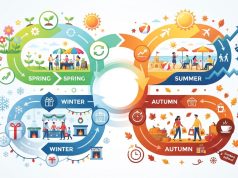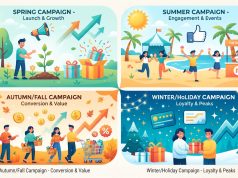

Are you ready to capitalize on shifting consumer behavior? Understanding Seasonal Marketing Trends is the ultimate key to unlocking explosive revenue growth. By aligning your campaigns with specific holidays, seasons, and cultural moments, you can capture attention and drive massive sales. This comprehensive guide explores actionable strategies to maximize your ROI throughout the year. We will dive deep into emerging consumer patterns, data-driven campaign planning, and essential optimization techniques. You will discover how to leverage specific times of the year to build brand loyalty, outpace competitors, and elevate your overall business performance.
The Evolution and Importance of Seasonal Marketing Trends

To truly dominate your industry, you must recognize how Seasonal Marketing Trends dictate the rhythm of global commerce. Decades ago, seasonal promotions were strictly confined to major religious holidays and the end-of-year shopping frenzy. Today, the landscape has fundamentally transformed. Marketers now celebrate micro-holidays, cultural moments, and shifting weather patterns to create constant, year-round engagement opportunities.
Modern brands utilize these trends to create an artificial sense of urgency and exclusivity. When a product is only available for a limited time, consumers experience the fear of missing out. This psychological trigger significantly accelerates the purchasing cycle. Implementing a robust Content Marketing Strategy around these moments allows your brand to stay top-of-mind when consumers are most eager to spend.
Furthermore, analyzing consumer behavior shifts reveals that shoppers now begin their seasonal research weeks, if not months, in advance. This extended research phase requires businesses to adopt a proactive rather than reactive approach. By integrating predictive analytics and historical data, you can anticipate exactly what your audience wants before they even realize they want it. Aligning your product launches and promotional messaging with these predictable ebbs and flows in consumer interest guarantees higher conversion rates and stronger brand affinity.
The Psychology Behind Seasonal Purchasing
Consumers do not buy products; they buy feelings, experiences, and solutions to temporary problems. Seasonal Marketing Trends tap directly into these emotional drivers. During the winter holidays, shoppers seek nostalgia, warmth, and the joy of giving. In the summer, they look for adventure, relaxation, and self-improvement. Understanding these underlying emotional currents allows you to craft messaging that resonates on a deeply personal level.
Brands that successfully leverage seasonal campaigns understand how to adapt their visual identity and brand voice to match the current emotional climate. A coffee shop introducing pumpkin spice flavors in autumn is not merely selling a beverage; they are selling the experience of fall. This emotional resonance builds trust and loyalty, encouraging repeat business long after the season has passed. You must train your marketing team to identify the emotional core of each season and reflect that core in every piece of content you produce.
The Impact of Mobile Commerce on Seasonal Shopping
The proliferation of smartphones has drastically altered how Seasonal Marketing Trends manifest in the real world. Consumers now hold a global marketplace in their pockets, allowing them to make split-second purchasing decisions triggered by a well-timed notification or social media post. Mobile commerce demands that your seasonal campaigns be highly visual, easily digestible, and frictionless.
If your website requires users to pinch and zoom to read your seasonal offers, you will lose them to a competitor with a mobile-optimized experience. Implementing strict Conversion Rate Optimization techniques on your mobile site is non-negotiable. Ensure that your checkout process is seamless, your load times are lightning-fast, and your seasonal graphics render perfectly on all devices. Mobile shoppers act on impulse, and your digital infrastructure must facilitate that impulse seamlessly.
Strategic Planning for Seasonal Marketing Trends

Failing to plan is planning to fail, especially when dealing with Seasonal Marketing Trends. The most successful brands do not improvise their holiday campaigns; they meticulously orchestrate them months in advance. A comprehensive planning framework ensures that your inventory, marketing channels, and customer support teams are fully aligned and prepared for sudden surges in demand.
Developing a robust calendar is the foundational step in capitalizing on Seasonal Marketing Trends. This calendar should highlight every major holiday, industry-specific event, and cultural moment relevant to your target demographic. However, identifying the dates is only the beginning. You must also map out the content production timeline, ad spend allocation, and performance tracking metrics for each specific event.
To streamline this process, you must break your planning into distinct, manageable phases. Executing these phases sequentially prevents team burnout and guarantees a cohesive, high-quality campaign launch.
Here are the critical phases for seasonal campaign preparation:
- Historical Data Review. Analyze previous years’ performance to identify top-selling products, most effective traffic sources, and unexpected bottlenecks.
- Asset Creation and Approvals. Design all graphics, write all copy, and shoot all video content at least two months prior to the campaign launch date.
- Infrastructure Stress Testing. Ensure your website servers can handle traffic spikes and verify that your inventory management software accurately reflects stock levels.
Leveraging Data Analytics for Trend Prediction
Data is the lifeblood of modern marketing. To anticipate Seasonal Marketing Trends accurately, you must rely on hard data rather than gut feelings. Start by utilizing platforms like Google Trends to monitor search volume fluctuations for your core products over the past five years. This historical perspective allows you to pinpoint the exact week when consumer interest begins to climb, signaling the perfect time to launch your awareness campaigns.
Beyond external tools, your internal data holds massive predictive power. Analyze your Customer Relationship Management software to segment your audience based on their past seasonal purchasing behavior. Identifying which customers consistently buy during Black Friday versus those who prefer spring sales allows you to tailor your outreach with hyper-specific messaging. Predictive analytics tools can even forecast inventory requirements, preventing costly stockouts during peak demand periods.
Building an Agile Marketing Framework
While meticulous planning is essential, Seasonal Marketing Trends are inherently volatile. Unexpected cultural moments, sudden weather changes, or viral social media trends can disrupt even the most carefully crafted strategies. Therefore, your marketing framework must remain agile. Agile marketing involves creating flexible campaign structures that you can pivot or adjust in real-time based on incoming performance data.
For example, if you notice that a specific product is unexpectedly going viral on social media during a seasonal push, an agile team can immediately reallocate ad spend to boost that product’s visibility further. This requires establishing clear communication channels between your creative, media buying, and analytics teams. Empower your team leaders to make data-driven decisions on the fly without waiting for days of bureaucratic approvals. Agility transforms unpredictable market shifts from threats into massive opportunities.
Spring and Summer Seasonal Marketing Trends

As the weather warms, consumer priorities shift dramatically. Spring and summer Seasonal Marketing Trends revolve around renewal, outdoor activities, travel, and self-improvement. Businesses must pivot their messaging from the cozy, inward-focused tone of winter to a vibrant, energetic, and outward-facing narrative.
During the spring, themes of cleaning, organizing, and refreshing dominate the consumer mindset. This presents a massive opportunity for home goods brands, software companies offering productivity tools, and apparel retailers launching new collections. As summer approaches, the focus transitions to vacations, festivals, and leisure. Your Social Media Advertising must reflect these sunny, optimistic themes through bright color palettes and lifestyle-focused imagery.
Understanding the specific micro-holidays within these seasons is crucial. Mother’s Day, Father’s Day, Memorial Day, and the Fourth of July all offer distinct marketing opportunities. Each requires a unique angle and a tailored promotional strategy to effectively capture the corresponding seasonal demand.
Capitalizing on the Spring Renewal Mindset
Spring represents a psychological fresh start for many consumers. Marketers should leverage this “spring cleaning” mentality across all industries. B2B software companies can promote campaigns focused on cleaning up data and streamlining workflows. Fitness brands can push “get ready for summer” challenges. The key is to frame your product or service as the ultimate tool for achieving this seasonal renewal.
When optimizing your website for these spring trends, incorporate seasonal SEO practices. Create dedicated landing pages targeting keywords like “spring wardrobe essentials” or “best spring software deals.” These pages should feature vibrant imagery and clear, compelling calls to action. By capturing this early-season search intent, you build a pipeline of interested prospects that you can retarget throughout the entire summer.
Dominating the Summer Travel and Leisure Market
Summer is synonymous with travel, relaxation, and outdoor gatherings. If your product fits naturally into these categories, this is your peak season. However, even if you sell seemingly unrelated products, you can still tap into summer Seasonal Marketing Trends. A financial services company, for example, could launch a campaign about saving money for the ultimate summer family vacation.
During the summer months, engagement on mobile devices skyrockets as people spend more time away from their desktop computers. Therefore, your campaigns must be heavily optimized for mobile consumption. Short-form video content on platforms like TikTok and Instagram Reels performs exceptionally well during this time. Showcase your products being used in real-world summer scenarios to help consumers visualize the value you provide. Focus heavily on building a community narrative around shared summer experiences.
Fall and Winter: Dominating the Holiday Rush
The fourth quarter represents the undisputed heavyweight champion of Seasonal Marketing Trends. For many retail businesses, Q4 generates the majority of their annual revenue. The convergence of Halloween, Thanksgiving, Black Friday, Cyber Monday, and the major winter holidays creates an unprecedented atmosphere of consumer spending.
Succeeding in Q4 requires aggressive strategy, flawless execution, and a massive marketing budget. You must begin your preparations in late summer to ensure you have the infrastructure and inventory to meet the staggering demand. Your holiday marketing strategies must cut through the deafening noise of competitor advertising to capture the consumer’s attention and wallet.
The core principle of Q4 marketing is creating irresistible value propositions paired with intense urgency. Consumers are actively looking for deals, and they expect significant discounts. However, competing solely on price is a race to the bottom. Instead, focus on creating high-value bundles, offering exclusive early access to loyal customers, and providing exceptional customer service to differentiate your brand from giant marketplaces.
Strategies for Black Friday and Cyber Monday
Black Friday and Cyber Monday (BFCM) represent the peak of Seasonal Marketing Trends. To win during this intense shopping weekend, you cannot simply launch a generic “20% off” sale on Friday morning. You must build anticipation weeks in advance. Utilize Email Marketing Best Practices to tease your upcoming deals, offering your email subscribers VIP early access to the discounts before the general public.
During the actual BFCM weekend, your website must perform flawlessly. A site crash during these crucial days can cost you millions in lost revenue and permanently damage your brand reputation. Implement countdown timers on your product pages to reinforce the scarcity and urgency of the deals. Additionally, employ aggressive cart abandonment email sequences to recapture shoppers who get distracted during the chaotic holiday weekend.
Creating Emotional Connections During the Winter Holidays
Once the transactional frenzy of BFCM concludes, Seasonal Marketing Trends shift toward emotional, heartfelt messaging for the winter holidays. Consumers are shopping for their loved ones, making their purchasing decisions highly emotional. Your marketing should focus on themes of connection, gratitude, and generosity.
Storytelling becomes your most powerful weapon during this phase. Instead of aggressively pushing product features, tell stories about how your products bring people together or solve meaningful problems. Video marketing is particularly effective for conveying this emotional depth. Showcase genuine customer testimonials and heartwarming narratives that align with your brand values. When consumers feel a genuine emotional connection to your brand, price becomes a secondary consideration.
Content Marketing and SEO for Seasonal Success
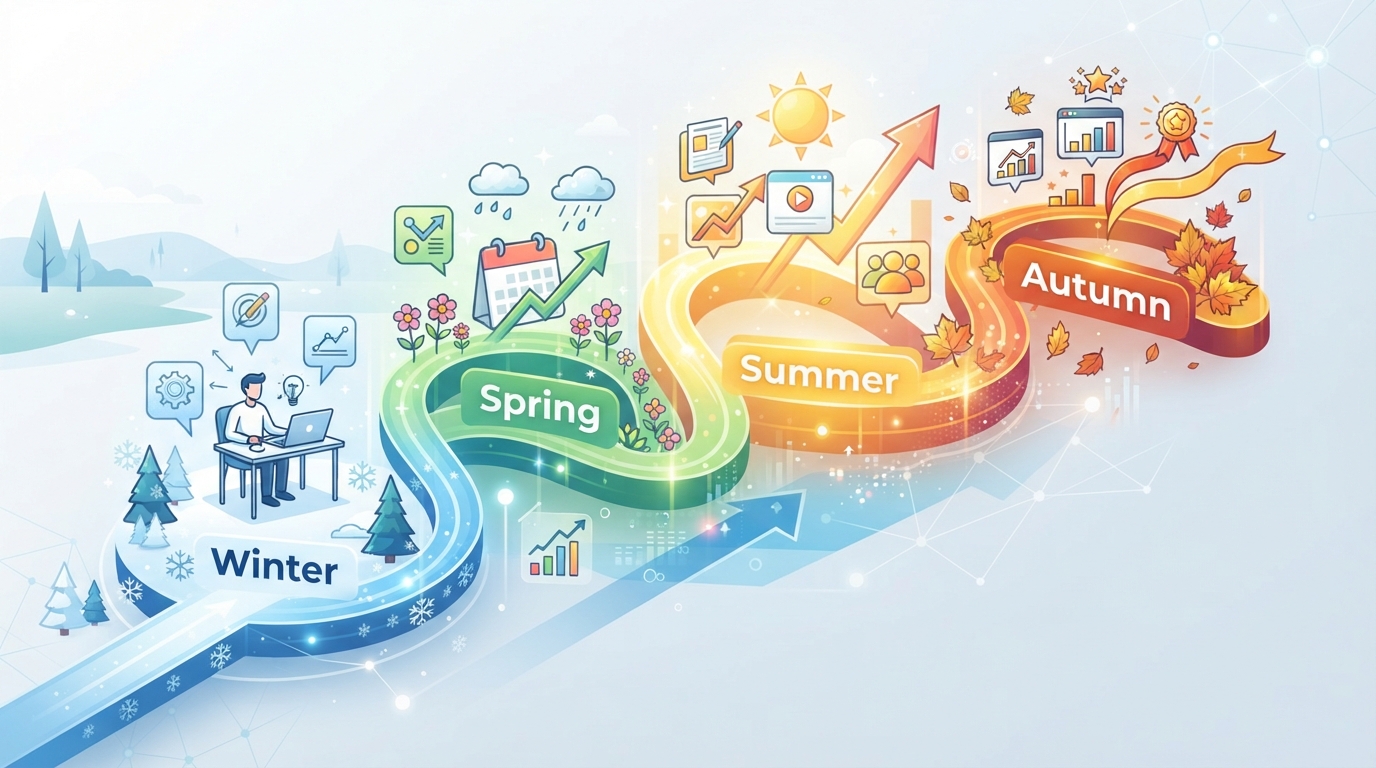
A brilliant seasonal campaign is useless if nobody sees it. Integrating robust search engine optimization techniques with your content marketing efforts guarantees that your seasonal offers achieve maximum visibility. Seasonal Marketing Trends heavily dictate what consumers are typing into search engines, and you must optimize your digital presence to capture that specific traffic.
The biggest mistake marketers make with seasonal SEO is creating new URLs for their holiday pages every single year (e.g., domain.com/black-friday-2025). This forces you to start from scratch with zero domain authority every season. Instead, create evergreen seasonal URLs (e.g., domain.com/black-friday) and update the content on that same page year after year. This allows the page to build compounding authority and backlinks over time, ensuring it ranks highly when the season approaches.
To maximize your organic reach, you must execute a coordinated strategy across all your content channels. This involves a carefully planned sequence of blog posts, videos, and social media updates that build momentum as the seasonal peak approaches.
Follow these steps to optimize your seasonal content architecture:
- Step 1: Conduct deep keyword research to identify long-tail seasonal phrases (e.g., “best eco-friendly Christmas gifts for mom”) rather than just broad terms.
- Step 2: Update your existing top-performing evergreen blog posts by injecting seasonal keywords and linking to your specific seasonal promotional pages.
- Step 3: Build internal topic clusters by interlinking all your seasonal articles, directing maximum link equity toward your main seasonal sales page.
Leveraging Long-Tail Keywords for Seasonal Campaigns
Broad seasonal keywords like “Christmas gifts” are incredibly competitive and dominated by massive retail giants. To drive highly targeted, high-converting traffic, you must target long-tail variations related to Seasonal Marketing Trends. Consumers searching for “affordable wireless headphones for teenage gamers” possess a much higher intent to purchase than those searching simply for “gifts.”
Create highly specific gift guides and comparison articles that target these long-tail queries. These guides provide immense value to the reader by solving their specific shopping dilemma, positioning your brand as a helpful authority. Ensure that you naturally weave your focus keywords throughout the headers and body text of these guides, signaling to search engines exactly what the page is about.
The Role of Social Proof in Seasonal SEO
Search engines prioritize content that demonstrates authority and trustworthiness. During peak seasons, consumers are actively looking for reviews and recommendations to validate their purchasing decisions. Integrating user-generated content and social proof into your seasonal landing pages not only increases conversion rates but also provides fresh, keyword-rich content that search engines love.
Encourage your customers to leave detailed reviews mentioning specific seasonal use cases. Feature these reviews prominently on your product pages. Additionally, partner with industry influencers to create authentic review content on platforms like YouTube and blogs. When these external authorities link back to your seasonal landing pages, it significantly boosts your organic search rankings, validating your brand’s prominence within the current Seasonal Marketing Trends.
Expert Insights and Common Mistakes to Avoid
Mastering Seasonal Marketing Trends requires learning from both the triumphs and the spectacular failures of the industry. Many brands hemorrhage money during the holidays because they fall victim to predictable, preventable errors. By studying these pitfalls and applying expert insights, you can protect your budget and maximize your return on investment.
One of the most profound expert insights is the concept of the “post-holiday lull.” Many brands completely halt their marketing efforts on December 26th, exhausted from the Q4 sprint. However, the week between Christmas and New Year’s Day is highly lucrative. Consumers are armed with gift cards and are actively hunting for clearance deals. Maintaining your marketing momentum through January allows you to capture this ignored market share and start the new year with a massive revenue injection.
Below is a detailed comparison of how successful brands approach seasonal marketing versus the traditional, outdated methods.
| Strategy Component | Traditional Marketing Approach | Modern Seasonal Marketing Trends Approach |
| Planning Horizon | 2-4 weeks before the holiday | 3-6 months before the holiday |
| Discount Strategy | Blanket discounts across the entire store | Targeted bundles, tiered discounts, VIP early access |
| SEO Tactics | Creating new URLs every year | Updating evergreen URLs to build compounding authority |
| Post-Holiday Action | Pausing all ads to save money | Launching gift card redemption and clearance campaigns |
| Data Utilization | Guessing based on gut feeling | Utilizing predictive AI and historical CRM data |
Common Mistakes to Avoid
The most catastrophic mistake you can make regarding Seasonal Marketing Trends is launching your campaigns too late. If you wait until November to start talking about Black Friday, you have already lost. The cost per click on advertising platforms skyrockets as the date approaches. Launching early allows you to build an audience of interested prospects when ad inventory is cheap, allowing you to simply retarget them with high-converting ads during the expensive peak days.
Another critical error is neglecting the customer experience in favor of aggressive acquisition. Driving millions of visitors to your site is useless if your customer service team is overwhelmed and your shipping logistics collapse. Late deliveries during the holidays destroy brand trust permanently. You must invest as heavily in your fulfillment infrastructure and Customer Retention Tactics as you do in your advertising campaigns. Retaining a customer acquired during the holidays is far more profitable than constantly paying to acquire new ones.
Pro Tips for Maximizing Campaign Profitability
To elevate your Seasonal Marketing Trends strategy, implement a VIP tier within your email list. Identify your top 10% of customers based on lifetime value and offer them exclusive, deeply discounted access to your seasonal sales 24 hours before everyone else. This makes your best customers feel incredibly valued and guarantees a massive influx of cash on day one of your campaign, funding your ad spend for the rest of the promotion.
Furthermore, utilize dynamic creative optimization in your advertising. Instead of running the same generic holiday ad to everyone, use technology that automatically adjusts the ad copy and imagery based on the user’s past browsing behavior on your site. If they looked at winter boots, show them the winter boots in the ad. This hyper-personalization significantly lowers your acquisition costs and dramatically increases your click-through rates during highly competitive seasonal windows.
Integrating AI and Automation into Seasonal Marketing
The future of Seasonal Marketing Trends is heavily intertwined with artificial intelligence and marketing automation. The sheer volume of data, customer interactions, and campaign adjustments required during peak seasons surpasses human capacity. Brands that leverage AI will operate with unprecedented efficiency, delivering hyper-personalized experiences at scale while their competitors struggle with manual processes.
AI-powered chatbots represent a massive leap forward in seasonal customer service. During the holidays, your support inbox will be flooded with repetitive questions regarding shipping deadlines, return policies, and sizing charts. Training an AI agent to handle these tier-one inquiries instantly frees up your human agents to resolve complex, high-value customer issues. This ensures that every customer receives immediate attention, preventing abandoned carts caused by lingering doubts.
Moreover, machine learning algorithms can dynamically adjust your product pricing based on real-time supply and demand, competitor pricing, and historical Seasonal Marketing Trends. This dynamic pricing strategy ensures that you are always maximizing profit margins on high-demand items while aggressively moving stagnant inventory, automatically optimizing your revenue without manual intervention.
Automated Email and SMS Workflows
Automation is the engine that drives modern seasonal promotions. You must build sophisticated, multi-channel automated workflows that trigger based on specific customer behaviors. When a user abandons their cart during a seasonal sale, an automated system should instantly trigger a sequence of emails and SMS messages reminding them of the expiring deal.
These automated workflows must be carefully segmented. Do not send the same aggressive discount emails to a customer who just purchased at full price yesterday. Use automation to exclude recent purchasers from promotional blasts, instead sending them automated post-purchase sequences that offer complementary products or request a review. This sophisticated level of automation protects your brand reputation and maximizes the lifetime value of every customer interacting with your seasonal campaigns.
Predictive AI for Inventory and Content Strategy
Predictive artificial intelligence takes the guesswork out of Seasonal Marketing Trends. By analyzing massive datasets encompassing global search trends, social media sentiment, and historical sales data, AI can accurately forecast which specific products will trend during the upcoming season. This allows your procurement team to order inventory with surgical precision, minimizing the risk of expensive dead stock.
Additionally, AI tools can analyze your competitors’ past seasonal content to identify content gaps. If the AI reveals that no one in your industry is writing about the intersection of artificial intelligence and holiday supply chains, that is your opportunity to publish a definitive, high-ranking guide. By allowing data and AI to guide your content and inventory strategies, you transform seasonal marketing from a high-stakes gamble into a predictable, mathematically optimized science.
Navigating Micro-Seasons and Niche Holidays
While Q4 and major summer holidays dominate the conversation surrounding Seasonal Marketing Trends, ignoring micro-seasons leaves money on the table. Micro-seasons are short, highly specific periods of consumer interest, such as “Back to School,” “Wedding Season,” or even “Tax Season.” These periods offer incredibly lucrative opportunities for brands that can align their products with these specific consumer needs.
To capitalize on micro-seasons, you must deeply understand your target audience’s lifestyle. If you sell organizational software, tax season (March/April in the US) is your personal Black Friday. Your messaging should focus entirely on stress reduction, financial organization, and avoiding penalties. By treating these niche events with the same strategic rigor as major holidays, you create continuous revenue spikes throughout the typically slow months of the year.
Furthermore, the rise of internet culture has birthed entirely new, unofficial holidays like “National Coffee Day” or “Star Wars Day (May the 4th).” While these may seem frivolous, they generate massive engagement on social media. Participating in these trends humanizes your brand and provides a low-stakes opportunity to launch flash sales, run social media contests, and engage with younger demographics who actively participate in these digital-first Seasonal Marketing Trends.
Localizing Seasonal Marketing Strategies
Seasonal Marketing Trends are not globally uniform. A massive mistake international brands make is pushing winter-themed holiday campaigns in the Southern Hemisphere during December, where it is the peak of summer. To truly resonate with a global audience, you must localize your seasonal marketing efforts.
Localization goes beyond simply translating your ad copy. It requires adapting the imagery, the promotional offers, and the core messaging to align with local cultural norms and weather patterns. Use geo-targeting in your advertising platforms to deliver region-specific seasonal campaigns. Highlight local events, regional holidays, and climate-appropriate products to prove to the consumer that you understand their specific context and reality.
The Rise of the Anti-Season Campaign
As consumers become fatigued by relentless, aggressive holiday marketing, a counter-trend has emerged: the anti-season campaign. Some brands have found massive success by actively rebelling against traditional Seasonal Marketing Trends. For example, outdoor retailer REI famously closes its doors on Black Friday and pays its employees to spend the day outside, launching the #OptOutside campaign.
This approach requires immense brand confidence and a deep understanding of your core demographic’s values. If your audience values sustainability, minimalism, and anti-consumerism, running a massive “Buy More” campaign during the holidays will alienate them. Instead, launch a campaign focused on recycling old products, donating to charity, or taking a break from the digital world. When executed authentically, anti-season campaigns generate massive organic PR and forge unbreakable loyalty among your core customers.
Crafting the Perfect Seasonal Omnichannel Experience
Consumers do not interact with your brand in a vacuum. They might discover your seasonal promotion on an Instagram reel, research the product on your mobile website, abandon their cart, receive a reminder via SMS, and finally complete the purchase on their desktop computer. To succeed with Seasonal Marketing Trends, you must provide a seamless, unified experience across every single touchpoint.
Omnichannel marketing ensures that your messaging, branding, and pricing remain perfectly consistent regardless of where the customer interacts with you. If you are promoting a “Summer Vibes” sale, your physical store displays, your website hero image, your email templates, and your social media avatars must all reflect that exact same theme. Disjointed branding creates friction and erodes consumer trust.
The key to omnichannel success is data integration. Your various marketing platforms must communicate with each other in real-time. If a customer buys a product in your physical retail store, your digital advertising platform must immediately recognize that purchase and stop showing them retargeting ads for that specific item. This level of sophistication maximizes your advertising efficiency and prevents the consumer from feeling harassed by redundant marketing messages.
Unifying Digital and Physical Retail
If you operate both e-commerce and brick-and-mortar locations, integrating the two during peak Seasonal Marketing Trends is a massive competitive advantage. Offer “Buy Online, Pick Up In-Store” (BOPIS) options, especially as shipping deadlines approach during the winter holidays. This provides instant gratification for the consumer and drives foot traffic into your physical locations, where you can upsell them on complementary seasonal items.
Ensure that your in-store staff is fully educated on your digital seasonal campaigns. If a customer walks in asking about the “Cyber Monday email bundle,” your staff must know exactly what they are talking about. Create unified inventory systems so that customers can check local store stock online before making the trip. Bridging the gap between digital convenience and physical experience is the hallmark of elite seasonal marketing.
Measuring and Analyzing Omnichannel Success
Measuring the success of an omnichannel seasonal campaign requires looking beyond simple last-click attribution. If you only credit the final email that drove the sale, you ignore the crucial role that your top-of-funnel social media ads played in introducing the customer to the seasonal offer. You must implement multi-touch attribution models to accurately understand the entire customer journey.
Track holistic metrics such as the overall lift in brand search volume during the campaign, the increase in customer lifetime value for users acquired during the season, and the overall return on ad spend across all merged channels. After the seasonal rush subsides, conduct a comprehensive post-mortem analysis with your entire team. Document what worked, what failed, and what unexpected Seasonal Marketing Trends emerged. This intense review process ensures that every season you become smarter, more efficient, and more profitable.
Conclusion
Adapting to Seasonal Marketing Trends ensures your brand remains relevant and highly profitable all year long. By anticipating consumer needs and executing data-backed strategies, you guarantee long-term growth. Start planning your next seasonal campaign today to outperform competitors and boost your bottom line. Take action now and transform your marketing!
FAQs
1. What are Seasonal Marketing Trends?
Seasonal Marketing Trends refer to the predictable shifts in consumer behavior, purchasing habits, and search intent that align with specific holidays, changing seasons, and major cultural events. Marketers use these trends to design highly targeted, time-sensitive campaigns that capitalize on temporary spikes in consumer demand and emotional purchasing drivers.
2. How early should I plan for Seasonal Marketing Trends?
You should begin planning major seasonal campaigns at least three to six months in advance. For massive events like Q4 holiday shopping, planning should start in the summer. This extended timeline allows for proper inventory procurement, creative asset generation, comprehensive SEO optimization, and infrastructure stress-testing to handle peak traffic.
3. Which metrics measure the success of seasonal campaigns?
Key metrics include Return on Ad Spend (ROAS), overall conversion rate, average order value (AOV), and customer acquisition cost (CAC). Additionally, you should track the percentage of inventory sold, cart abandonment rates, and post-holiday retention rates to measure the long-term impact of your seasonal customer acquisition efforts.
4. How can B2B companies leverage Seasonal Marketing Trends?
B2B companies can utilize seasonal trends by aligning their services with business cycles. For example, promoting accounting software during tax season, offering productivity tools during the back-to-school fall reset, or running end-of-year budget depletion campaigns. The key is addressing the specific seasonal pain points of corporate decision-makers.
5. What is the role of SEO in seasonal marketing?
SEO ensures your seasonal offers are discoverable when consumers search for them. By optimizing evergreen URLs (like /black-friday) year after year, building internal links, and targeting long-tail seasonal keywords, you can rank highly on search engines, driving massive, free organic traffic to your high-converting promotional pages.
6. How do I balance evergreen content with Seasonal Marketing Trends?
Evergreen content serves as the foundational authority of your website, driving consistent traffic year-round. Seasonal content creates massive, temporary spikes in revenue. Balance them by using your high-ranking evergreen articles to internally link to and boost your temporary seasonal landing pages during peak times, merging long-term stability with short-term gains.
7. What are the most common mistakes in Q4 marketing?
The most critical mistakes include starting advertising too late (resulting in high ad costs), neglecting mobile website optimization, failing to stress-test server capacity, underestimating inventory needs, and completely abandoning marketing efforts immediately after the holidays, missing out on the highly profitable post-holiday clearance shopping window.
8. How can small businesses compete during peak seasonal trends?
Small businesses cannot outspend retail giants on broad keywords. Instead, they must compete on agility, personalization, and niche targeting. Focus on hyper-local marketing, superior and personalized customer service, exclusive bundles, and targeting highly specific long-tail keywords where massive corporations lack the agility to compete effectively.
9. Does social media impact seasonal marketing success?
Absolutely. Social media is the primary driver of top-of-funnel awareness for seasonal campaigns. Platforms like Instagram and TikTok dictate visual trends and foster FOMO (Fear Of Missing Out). Leveraging user-generated content, influencer partnerships, and real-time agile advertising on these platforms is critical for modern seasonal marketing success.
10. How do consumer behavior shifts affect seasonal planning?
Modern consumers research earlier, demand faster shipping, and expect seamless mobile experiences. Shifts toward eco-conscious gifting or digital over physical goods fundamentally alter what products succeed. Tracking these shifts through data analytics allows brands to pivot their messaging and inventory to match exactly what the modern consumer desires.