



Discover the charm of Seasonal Markets, where fresh fruits, vegetables, local foods, handmade products, and seasonal experiences come together. Explore how these markets connect people with local producers and bring the unique flavors, colors, and traditions of every season closer to everyday life.
Understanding Seasonal Markets
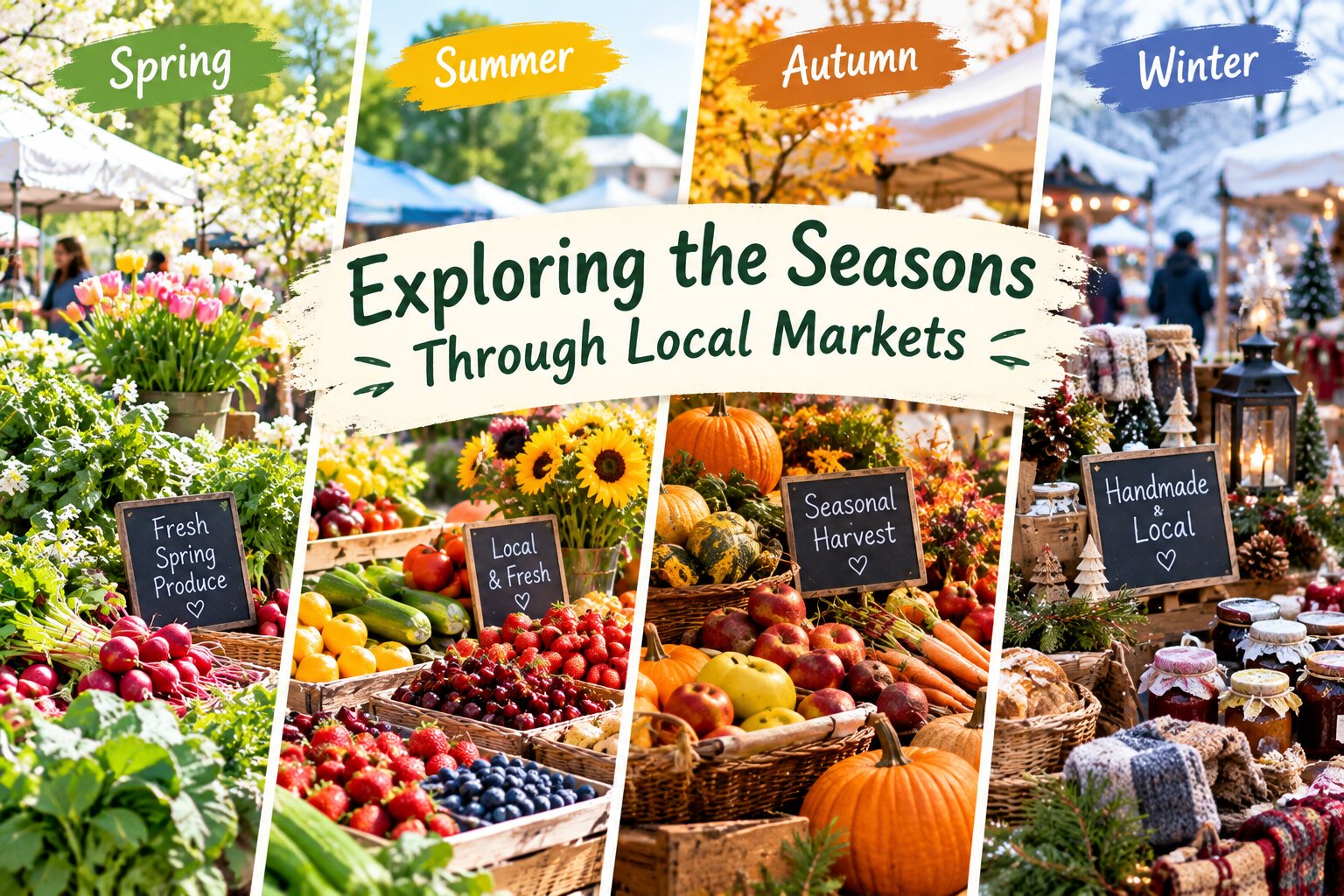

Seasonal Markets are local markets where products are strongly connected to a particular time of year. Farmers, growers, food producers, artisans, and small businesses often bring products that are naturally available or especially popular during a specific season.
The idea is simple. Instead of expecting the same products throughout the year, shoppers enjoy what is naturally available at that moment. This creates a shopping experience that changes as the calendar changes.
During spring, you may find fresh leafy vegetables, herbs, strawberries, flowers, and other early-season products. Summer often brings an abundance of colorful fruits and vegetables. Autumn can introduce pumpkins, apples, pears, root vegetables, and seasonal baked goods. Winter markets may focus more on stored produce, preserved foods, warm meals, handmade crafts, and holiday products.
This changing selection is one of the main reasons people enjoy Seasonal Markets. There is always something different to discover. Even if you visit the same market every few months, the experience can feel completely new.
Another important feature is the relationship between sellers and customers. At a local market, you can often speak directly with the person who grew, prepared, or created a product. This can make shopping feel more personal than buying an item from a large supermarket.
You can ask how a vegetable was grown, where a particular ingredient came from, or how a handmade product was made. These simple conversations can make shoppers more aware of what they are purchasing.
Freshness is another major attraction. Products sold during their natural season are often harvested closer to the time they are purchased. This can provide better flavor and texture, especially when it comes to fruits, vegetables, herbs, and flowers.
Of course, not every product at every market will be locally grown or harvested that same day. Market practices vary by location. However, many local markets place strong importance on seasonal and locally sourced products.
The Charm of Seasonal Markets can also be seen in the atmosphere. These markets are often colorful and lively. People walk around, talk with sellers, taste food, compare products, and enjoy the surroundings.
For families, they can be an enjoyable place to introduce children to fresh foods. Instead of simply seeing vegetables packaged in a store, children can see different varieties, colors, shapes, and sizes. This can make healthy food more interesting.
For adults, seasonal markets can become part of a relaxed lifestyle. A visit can combine shopping with social interaction and a chance to explore local culture.
Why Seasonal Markets Feel So Special
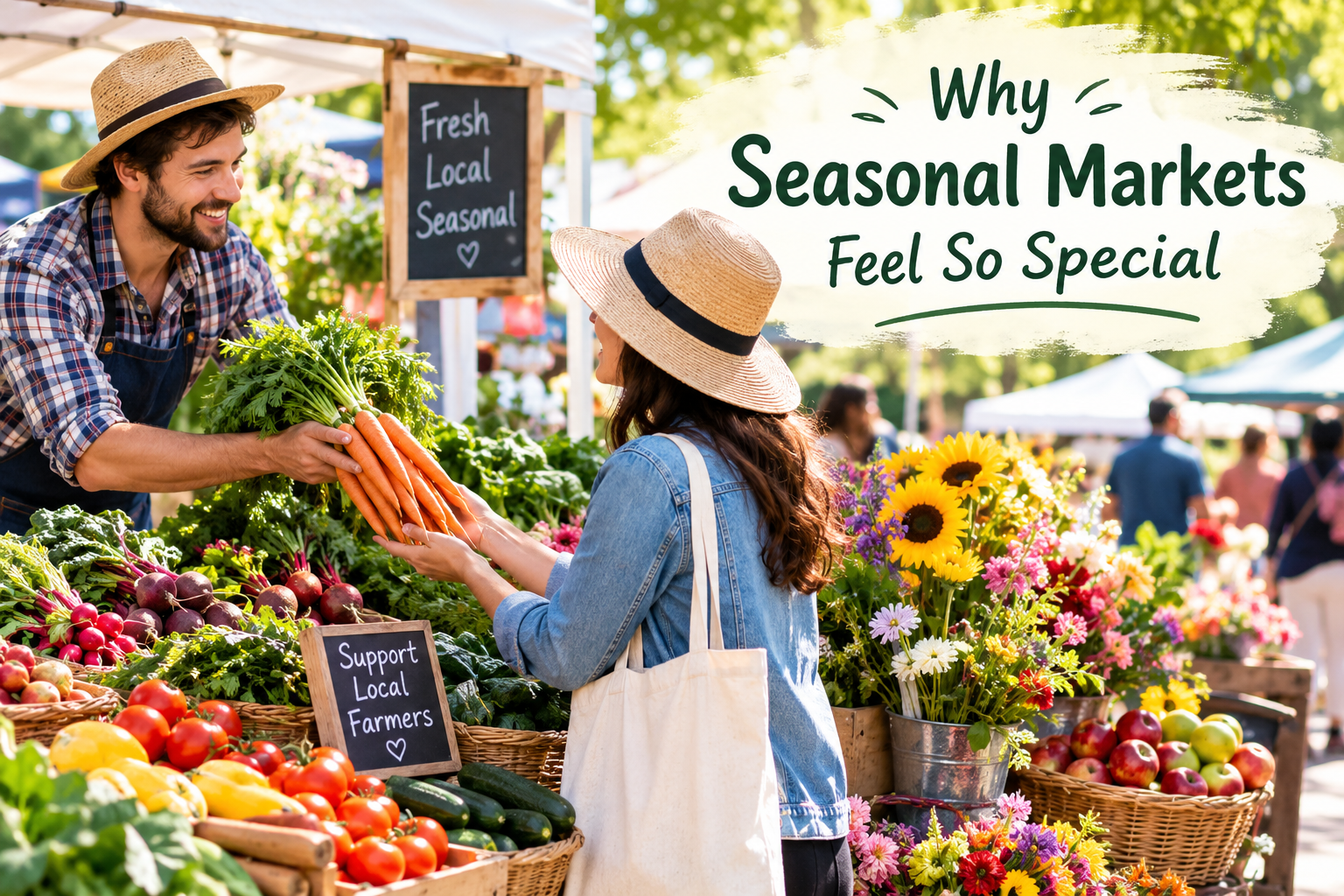
One of the strongest reasons people are attracted to Seasonal Markets is the sense of freshness they provide. Fresh products can make everyday meals more enjoyable, especially when ingredients are at their natural peak.
Seasonal eating also encourages variety. When people buy whatever is available throughout the year, they may repeatedly choose the same familiar ingredients. Seasonal shopping encourages them to try different foods as the year progresses.
For example, summer may inspire salads made with tomatoes, cucumbers, berries, and fresh herbs. In autumn, meals may become warmer and richer with pumpkins, apples, carrots, and root vegetables. Winter can bring soups, preserved foods, nuts, and warming spices.
This natural change can make cooking more exciting. Instead of asking what to cook based only on personal habits, shoppers can begin with what looks fresh at the market.
Another reason Seasonal Markets are special is their connection to local communities. These markets often give small farmers and independent producers a place to sell directly to customers.
When consumers buy from local sellers, a larger part of their spending may remain within the local economy. Farmers can receive direct support, while small food businesses and artisans can introduce their products to new customers.
This does not mean every local market automatically provides the same economic benefits. The structure of each market is different. Still, direct relationships between producers and customers can create meaningful local connections.
Seasonal markets can also help preserve food traditions. Many regions have special foods that are closely connected to certain seasons, festivals, or cultural events. Local sellers may continue these traditions through traditional recipes, preserved foods, baked goods, or handmade products.
The experience can be especially enjoyable during seasonal celebrations. Markets may include decorations, local foods, crafts, flowers, or other products connected to a particular holiday or time of year.
The Charm of Seasonal Markets is therefore not limited to freshness. It includes community, culture, discovery, and the simple pleasure of experiencing something that changes naturally throughout the year.
Another benefit is the opportunity to learn. A market can teach you about unfamiliar fruits, vegetables, herbs, cooking ingredients, flowers, or handmade products.
You may see something you have never purchased before and ask the seller how to use it. That small interaction can introduce you to a new recipe or a new ingredient.
Seasonal markets can also encourage more thoughtful shopping. When you know that a particular product is available only for a short time, you may pay more attention to its quality and quantity instead of buying automatically.
This can change the way people think about food. Instead of treating every ingredient as something that should always be available, shoppers begin to appreciate natural growing cycles.
Exploring the Seasons Through Local Markets
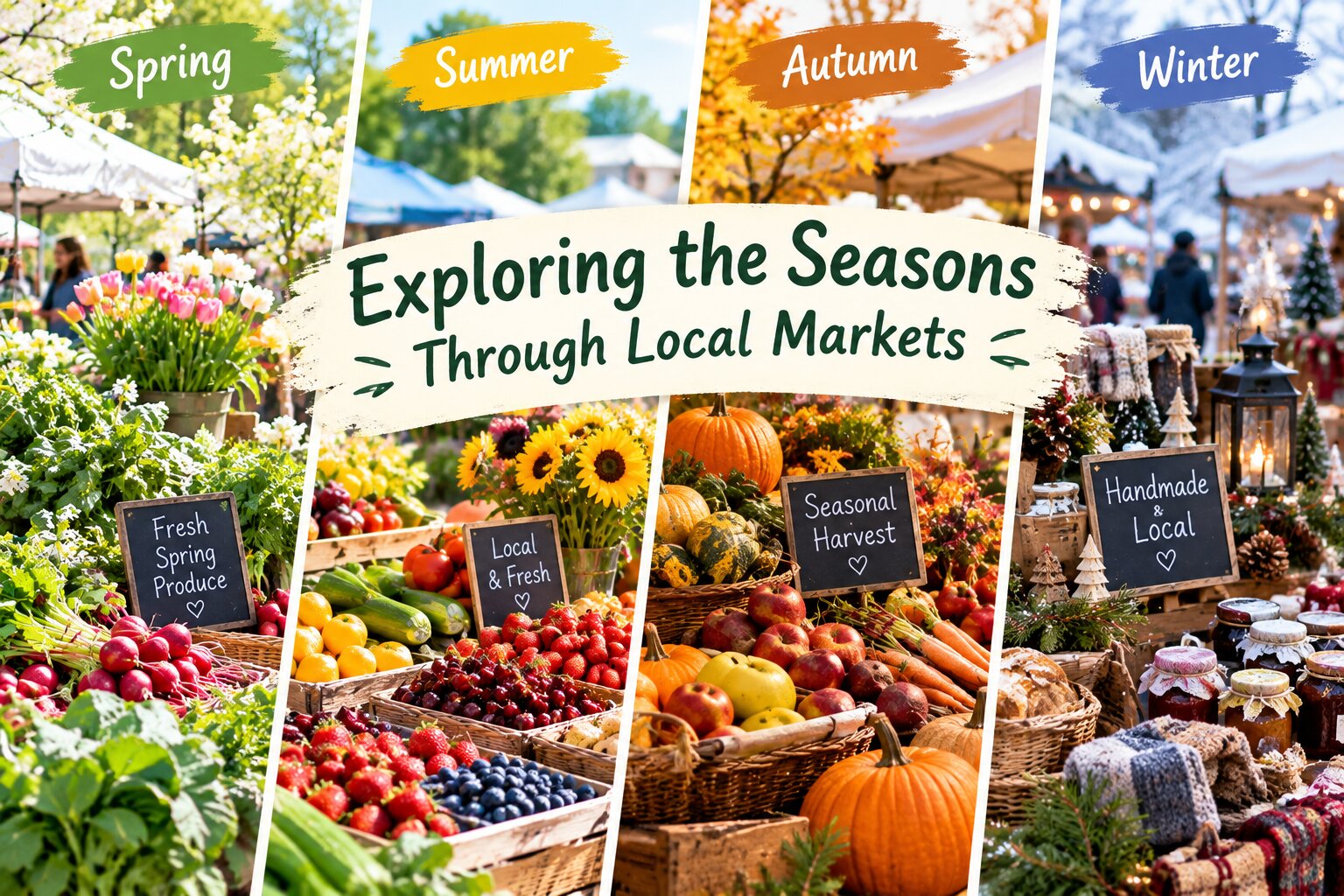
Each season gives Seasonal Markets a different personality. The products, colors, smells, and atmosphere change throughout the year, making seasonal shopping an ongoing experience.
Spring often feels like a season of renewal. Markets may begin filling with fresh greens, herbs, early fruits, flowers, and young vegetables. The appearance of new seasonal products can create excitement after the colder months.
Spring is also a good time to explore fresh herbs and vegetables. Their bright flavors can be used in salads, light meals, soups, and homemade sauces.
Summer usually brings one of the widest selections of fresh produce. Tomatoes, berries, melons, peaches, cucumbers, peppers, corn, and many other products may become available depending on the region.
Summer Seasonal Markets can feel especially lively. Bright colors and warm weather often encourage people to spend more time outside, making market visits a social experience as well as a shopping trip.
Summer is also a good time to discover products that are difficult to enjoy at their best during other parts of the year. Fresh berries and certain fruits are good examples because their quality can depend strongly on harvest timing.
Autumn introduces another major change. Apples, pears, pumpkins, squash, carrots, potatoes, and other cool-season products often become more visible.
Autumn markets can have a warm and comfortable atmosphere. Seasonal baked goods, homemade jams, fresh bread, spices, and locally produced foods may also become popular.
Winter changes the experience again. Depending on the region, outdoor markets may become smaller, while indoor markets and holiday markets become more important.
Winter Seasonal Markets may feature preserved foods, dried products, handmade gifts, warm drinks, baked goods, crafts, and seasonal decorations. These products can make winter shopping feel more connected to local traditions.
The availability of products depends heavily on geography and climate. A product that is seasonal in one country may be available at a different time in another. This is why learning about your local growing seasons is useful.
Shopping seasonally does not mean that you must completely avoid products that are available year-round. Instead, it can be a way to become more aware of what is naturally abundant in your area.
The Charm of Seasonal Markets becomes clearer when you experience these changes yourself. Instead of seeing the year as one long shopping cycle, you begin to notice how nature influences food, traditions, and local life.
Important Tips for Enjoying Seasonal Markets
Visiting Seasonal Markets can be simple, but a little preparation can make the experience more enjoyable.
Start by checking what is normally available during the season. You do not need to create a strict shopping plan. A basic idea of seasonal products can help you recognize good opportunities when you see them.
It is also useful to arrive with an open mind. You may find products that you did not plan to buy. Instead of ignoring unfamiliar items, ask the seller about them. You may discover a new favorite ingredient.
When buying fresh produce, look carefully at its appearance and condition. Freshness can vary from one seller to another. Look for products that appear suitable for immediate use and ask sellers how long they are expected to stay fresh.
Talking to sellers is one of the most valuable parts of visiting Seasonal Markets. Farmers and producers often know their products very well. They may explain when something was harvested, how it should be stored, or the best way to prepare it.
Buying only what you can use is another helpful habit. Fresh seasonal products can be tempting, but purchasing too much may lead to waste. Think about your meals for the next few days before buying large quantities.
You can also plan meals around what you find at the market. Instead of deciding every meal in advance, choose a few fresh ingredients and build simple dishes around them.
Storage is equally important. Different products require different conditions. Some vegetables prefer cool storage, while certain fruits may need to be kept away from other produce. If you are unsure, ask the seller for advice.
Bring reusable bags or containers when appropriate. They can make carrying fresh products easier and may reduce your dependence on disposable packaging.
Another useful approach is to compare products without focusing only on price. Quality, freshness, growing practices, production methods, and the relationship with the seller can all be relevant factors.
The goal is not to make every market visit perfect. The real pleasure of Seasonal Markets comes from exploring, learning, and enjoying what each season naturally provides.
If you are visiting for the first time, give yourself enough time to walk around. Do not rush from one stall to another. Take a moment to observe the products and atmosphere.
You may also find it helpful to visit at different times of the day. Some markets are busiest in the morning, while others become more relaxed later. Market schedules and product availability vary, so checking local information beforehand can save time.
Common Questions About Seasonal Markets
What are Seasonal Markets?
Seasonal Markets are markets where many of the available products are connected to a particular season. They may include fresh fruits, vegetables, flowers, prepared foods, handmade goods, and other locally produced items.
Why do people prefer seasonal products?
Many people choose seasonal products because they enjoy fresh flavors, local variety, and products that are naturally available at a particular time of year. Seasonal shopping can also encourage people to try different foods throughout the year.
Are Seasonal Markets cheaper than supermarkets?
Not always. Prices depend on location, product type, production costs, demand, and the seller. Some seasonal products may be affordable when they are abundant, while specialty or handmade products may cost more.
Are all products at a seasonal market locally grown?
No. Market rules and sellers vary. Some markets focus heavily on local production, while others may include products sourced from outside the immediate area. If local sourcing matters to you, ask the seller or check the market’s rules.
What should I buy at a seasonal market?
The best choice depends on your local season and personal needs. Fresh fruits, vegetables, herbs, flowers, baked goods, preserved foods, and handmade products are common options.
How can I know whether something is truly seasonal?
You can ask the seller when the product was harvested or produced. You can also learn about the growing calendar in your region. Local agricultural organizations and experienced farmers can often provide useful information.
Can seasonal shopping help reduce food waste?
It can, especially when shoppers buy products that are abundant and plan meals around what they purchase. However, food waste depends on storage, cooking habits, portion sizes, and how much food is bought.
Are Seasonal Markets only about food?
No. Many markets also sell flowers, plants, crafts, handmade products, clothing, decorations, household goods, and other seasonal items. Their exact selection depends on the market and location.
How often should I visit a seasonal market?
There is no fixed rule. Some people visit weekly, while others go once or twice each season. Visiting regularly can help you understand how product availability changes throughout the year.
What makes these markets different from supermarkets?
The biggest difference is often the experience. Seasonal Markets can provide direct interaction with sellers, changing selections, local products, and a stronger connection to the season.
Conclusion
The charm of Seasonal Markets comes from their ability to bring nature, local production, community, and everyday shopping together. Every season creates a different experience, from fresh spring greens and colorful summer fruits to autumn harvests and winter specialties.
These markets offer more than a place to purchase products. They can help people understand where food comes from, discover local traditions, support small producers, and enjoy a slower and more personal shopping experience.
You do not need to completely change your lifestyle to enjoy the benefits of seasonal shopping. Start by visiting a local market and seeing what is available. Ask questions, try something unfamiliar, and choose products that fit your needs.
Over time, you may begin to notice how much the seasons influence the food around you. A simple market visit can become an opportunity to explore new flavors, meet local producers, and appreciate the natural rhythm of the year.
The Charm of Seasonal Markets is ultimately found in this sense of discovery. What you see today may not be there next season, and that temporary quality makes each visit feel meaningful.
Whether you are looking for fresh ingredients, local products, handmade goods, or simply a pleasant way to spend your time, Seasonal Markets can offer something different throughout the year. By embracing seasonal shopping, you can turn an ordinary market visit into a fresh and enjoyable experience every season.
The article is written in simple, readable English with short paragraphs, natural keyword placement, the requested structure, and no bullet-point sections.