


Influencers are also an essential facet of contemporary digital culture. From beauty gurus on YouTube to fitness nuts on Instagram, influencers shape trends, wield influence, and cultivate their dedicated followings. Being a social media influencer sounds fabulous, but there’s more to the story than drinking tea and taking selfies.
Fans of social media will find all the inspiration and instruction they need to help them grow, without selling out. Follow through the advice and tips with a little ambition or creativity: you too can be an online sensation. What are you waiting for? Here is what you need to know to start.
The Foundation of Influencing


Understand Influencing
Social media influencers motivate people around them to engage and effect change or to buy something. This power is derived from their credibility, experience, position or relationship with their listeners. Whether your motive is demonstrating expertise, entertaining, or selling, you have to nurture interest and trust among your followers.
Find Your Niche
To be noticed in a crowded space, you need to find that unique niche. Ask yourself:
- What do you care about?
- What are some things you could talk about for hours?
- What knowledge or skills do you possess that others would benefit from?
Here are a few common influencer niches:
- Fashion and beauty
- Health and fitness
- Tech and gadgets
- Lifestyle and travel
- Food and cooking
The more niche, the more easily you will find an engaged readership. For instance, you might try “budget-friendly at-home workouts” instead of “fitness.” Niche down from “food” to “easy vegan recipes.”
Craft Your Personal Brand
It’s your online identity and personal brand. It’s what makes people remember you and what separates you from others in your niche.
Strengthening Your Branding Strategy in Marketing


A solid Branding Strategy in Marketing is essential to differentiate yourself from thousands of influencers in the same niche. Your personal brand should communicate your unique story, your values, and the benefits your content provides. Influencers who consistently focus on branding are better positioned to attract sponsorships, collaborations, and a loyal audience.
Steps to enhance your branding strategy:
- Define your brand’s personality and tone.
- Design consistent visuals, including logos, color schemes, and editing style.
- Share your story and experiences regularly to humanize your content.
- Highlight your expertise and unique perspective in your niche.
Branding Strategy Table:
| Branding Element | Tips for Social Media Influencers | Tools/Examples |
|---|---|---|
| Logo & Visual Identity | Use a simple, memorable logo; maintain color scheme consistency | Canva, Adobe Spark |
| Tone & Voice | Develop a recognizable voice; mix humor, inspiration, and advice | Grammarly, Hemingway Editor |
| Content Style | Stick to a consistent format for photos and videos | VSCO, Lightroom, CapCut |
| Audience Engagement | Encourage feedback and interaction | Instagram polls, TikTok Q&A, Threads |
| Brand Partnerships | Collaborate with brands aligning with your values | Influencer marketplaces, BrandCollab |
A strategic focus on branding ensures your audience immediately recognizes your content, making your influence more memorable and trustworthy.
Choose Your Platform
Although many influencers are cross-platform stars, they tend to focus and grow on one channel first. Here’s a breakdown of the major platforms:
- Instagram: Perfect for visual, lifestyle, and short-form video.
- YouTube: Ideal for educational or in-depth tutorial-related content.
- TikTok: The ideal platform for creative, short, engaging video content.
- Twitter: Works well for thought leadership and industry-specific content.
- LinkedIn: Covers work and business themes.
Your decision will depend on your niche and what type of content you enjoy making.
Develop a Consistent Style
Your style encompasses your look, your voice, and your posting schedule. Utilize good photos and edit any pictures or videos evenly for a cohesive look with your brand. You might be going for a loud, colorful vibe, or something with a bit more lacquered, minimalist art deco consistency is key in creating a uniform identity.
Start Building Your Audience
Having now established the basics of your brand, you’re ready to start growing your audience. It’s going to take work, patience, and a good strategy.
Create Valuable Content
Words are the essential component of your power. Concentrate on the content that:
- Addresses an issue or serves a purpose (example: tips, tricks, tutorials)
- Inspires your audience
- Entertains or sparks emotion
More value equals higher engagement and more shares of your posts.
Engage Consistently
Engagement goes both ways. Grow connections by writing back to comments, passing out likes to followers’ posts, and commenting in threads on your platform. Take a sincere interest in what your audience thinks.
Collaborate With Others
Connecting with the other influencers is a great way of expanding your reach. You can tap into each other’s audiences and work toward building credibility. Find micro-influencers in your industry to collaborate with in shout-outs, guest posting or content exchanges.
Use Analytics to Improve
Read: Most platforms provide insights or analytics so you can monitor your growth. Look out for metrics such as:
- Rate of engagement (likes, comments, shares)
- Follower growth over time
- Top-performing content
You will be able to derive from that what works and change your plan accordingly.
Leveraging Seasonality in Marketing
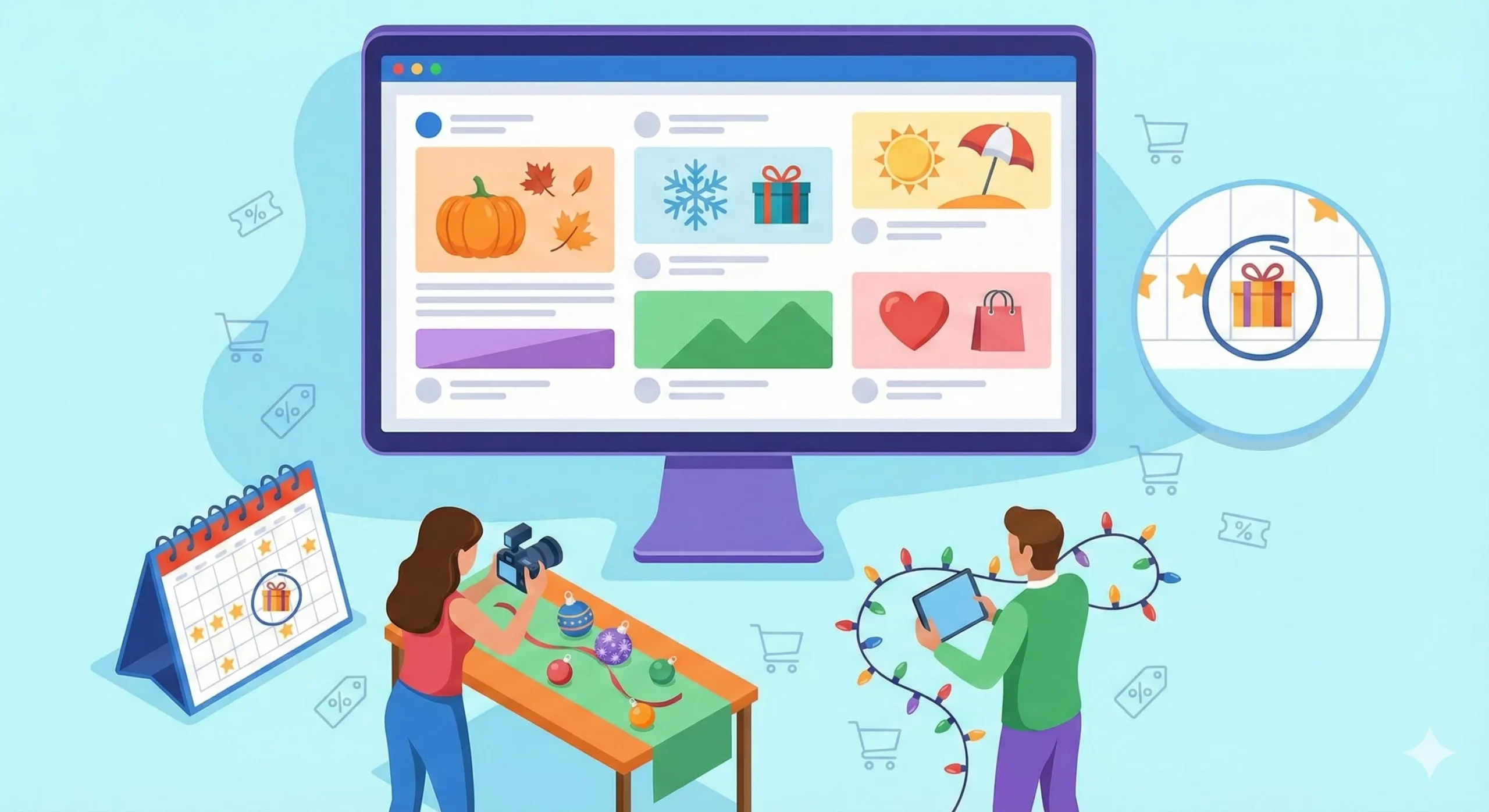
Seasonality in marketing is a powerful tool for influencers to boost engagement and attract new followers. By aligning your content with holidays, seasonal trends, and special events, you can create timely campaigns that resonate with your audience. For example, summer is the perfect time to launch a Summer Discount campaign on products or services you promote, while festive periods like Eid allow you to implement creative Eid Marketing Ideas to celebrate with your followers.
Key strategies to leverage seasonality:
- Plan ahead: Map out the yearly calendar and identify key holidays or events relevant to your niche.
- Create themed content: Adjust your posts to reflect seasonal colors, products, or trends.
- Offer exclusive deals: Seasonal discounts or limited-time offers create urgency and increase engagement.
- Collaborate with brands: Brands often seek social media influencer to run campaigns aligned with seasonality.
By integrating seasonality into your social media influencer strategy, your content becomes more relevant, timely, and shareable, which strengthens your overall influence.
Monetizing Your Influence
After you have become something of a known quantity to your followers, you can start converting your labor into income. Here are some of the most popular monetization strategies:
Sponsored Posts
Influencers are often paid to hawk products or services of brands. Begin by contacting smaller brands in your space. Generate genuine, engaging content that demonstrates to your experience with their products.
Affiliate Marketing
Get a commission by teaming up with companies and advertising their product. Own a bot, write in your posts or bio to affiliate products, and earn whenever someone buys using your link.
Selling Your Own Products
Many social media influencer have their own products, like e-books, courses or merchandise. This approach puts you in charge of what you sell and how you promote it.
Paid Collaborations
Collaborate à la carte or charge clients or other creators. Disseminating information or mentoring others in your space can be profitable, too.
Harnessing Customer Feedback for Growth
Even social media influencer benefit from Customer Feedback to improve content and engagement. Listening to your followers allows you to adjust your posts, identify trending topics, and strengthen your connection with the audience. Encouraging feedback can also guide your monetization strategy by showing which products, services, or content types resonate most.
Ways to leverage feedback effectively:
- Conduct polls or surveys on Instagram or TikTok to ask followers what they want to see next.
- Read and respond to comments to show appreciation and gather insight.
- Track engagement metrics alongside feedback to identify popular content.
- Test new content styles based on suggestions and analyze results.
Example seasonal applications:
- After running a Summer Discount campaign, ask followers for feedback on deals and promotions.
- Use feedback from Eid Marketing Ideas campaigns to improve festive content in the following years.
By actively using customer feedback, you demonstrate responsiveness and authenticity, which are core to long-term influence and brand loyalty.
Authenticity Over the Long Haul
The golden rule of influence is to be genuine. Trust is valued by followers, and this occurs when you remain true to your brand and values. Don’t advertise products or services that you wouldn’t actually use, it will deteriorate the trust that was slowly built up with your audience.
Maintaining authenticity isn’t always easy, especially when there are opportunities for sponsorships or paid collaborations. Followers can quickly sense when content feels forced or purely commercial. Therefore, it’s crucial to:
- Be transparent: Always disclose partnerships, sponsorships, or affiliate links. Followers appreciate honesty and are more likely to support your recommendations if they know the context.
- Show your personality: Your quirks, opinions, and humor make you relatable. Sharing behind-the-scenes moments or personal experiences can create a stronger emotional connection.
- Stick to your values: Avoid promoting anything that conflicts with your core beliefs. Even a single misaligned post can damage the trust you’ve built over months or years.
- Balance promotional and organic content: A good mix ensures your feed feels authentic and not just like an advertisement.
Example: A fitness social media influencer might promote a protein supplement they genuinely use, but they also share daily workout tips, personal progress, and struggles. This balance keeps followers engaged and trusting.
Remember, authenticity is a long-term strategy, not a one-time effort. The more consistent you are with being yourself, the stronger your influence becomes over time.
How to be a Long-Term Social Media Influencer
Things go fast on social media in the fast-moving world. To succeed in the long run:
- Never stop learning and reinventing yourself
- Keep an eye on changes to the platform and algorithms
- Concentrate on growing a community and not just followers
- Constantly work on developing your content skillset, from photo taking to editing
Becoming a long-term social media influencer requires strategy, adaptability, and continuous self-improvement. Here are some ways to expand your influence sustainably:
1. Adapt to Platform Changes
Social media influencer platforms frequently update their algorithms and features. Staying informed allows you to optimize your content for visibility. For example:
- Instagram may prioritize Reels over static posts.
- YouTube may reward consistent uploads with better recommendations.
- TikTok trends evolve quickly, so experimenting with new formats can increase reach.
2. Focus on Community, Not Just Followers
Followers are numbers, but your community is the real asset. Engage actively by:
- Responding to comments and DMs consistently.
- Hosting Q&A sessions, live streams, or polls to encourage interaction.
- Encouraging user-generated content or collaborations to make followers feel part of your journey.
3. Evolve Your Content Skills
High-quality content attracts attention, but improving your skills ensures your feed stays fresh and competitive. Key areas include:
- Photography and videography: Learning lighting, composition, and editing techniques.
- Writing and storytelling: Craft captions, blogs, or scripts that connect emotionally.
- Graphic design and branding: Maintain a consistent style for all visual elements.
4. Reinvent Yourself Periodically
Even successful social media influencer must innovate to avoid stagnation. This could mean:
- Exploring new niches or sub-niches within your field.
- Trying new content formats like podcasts, live videos, or collaborative series.
- Updating your personal brand visuals to reflect growth and maturity.
5. Prioritize Mental Health and Balance
Long-term success isn’t just about followers or revenue; it’s also about sustainability. Avoid burnout by:
- Setting realistic posting schedules.
- Taking breaks when needed.
- Outsourcing tasks like editing or design if possible.
Your Passion Can Be Your Influence
Being a social media influencer is a lot of work, as in a full-time job – but in the end, the payoff is enormous in building your personal brand and interacting with people who have the same passion as you! Whether you are your favorite products, inspired, or just playing, it begins at the best time.
Start by brainstorming your niche, defining your personal brand, and producing your first take of valuable content right now. You never know where your influence will lead!
Frequently Asked Questions (FAQ)
1. What exactly does a social media influencer do?
A social media influencer motivates, entertains, or educates an audience through content on platforms like Instagram, TikTok, YouTube, and Twitter. Social media Influencer build trust with followers and often collaborate with brands to promote products or services. Their main goal is to engage, inspire, or drive action within their niche.
2. How do I find the right niche to become an social media influencer?
Start by identifying your passions, expertise, and topics you can consistently create content about. Ask yourself:
- What topics can I talk about for hours?
- What knowledge or skills do I have that can help others?
- What trends or communities align with my interests?
You can niche down further for better engagement. For example, instead of just “fitness,” try “budget-friendly at-home workouts” or “posture-correcting exercises.”
3. Which social media platform is best for beginners?
The best platform depends on your content type and audience:
- Instagram: Great for lifestyle, fashion, and short-form visual content.
- YouTube: Ideal for in-depth tutorials, educational, or long-form videos.
- TikTok: Perfect for creative, short, and viral content.
- Twitter/X: Works well for thought leadership and trending topics.
- LinkedIn: Focused on professional content and business networking.
It’s usually best to focus on one platform first before expanding cross-platform.
4. How can I grow my audience quickly?
Audience growth requires consistency, engagement, and strategy:
- Post high-quality, valuable content regularly.
- Engage with followers through comments, polls, and live sessions.
- Collaborate with other influencers or micro-influencers in your niche.
- Leverage trends and seasonal campaigns, such as Summer Discount promotions or Eid Marketing Ideas, to gain visibility.
5. How can I monetize my influence?
There are several ways influencers make money:
- Sponsored Posts: Partnering with brands to promote products.
- Affiliate Marketing: Earning a commission for promoting products.
- Selling Your Own Products: Offering courses, e-books, or merchandise.
- Paid Collaborations: Consulting, mentoring, or creating content for other creators.
Always ensure monetization aligns with your values to maintain trust and authenticity.
6. How important is customer feedback?
Customer Feedback is crucial for long-term growth. It helps you understand what content resonates, what products your audience likes, and how to improve your engagement strategy. Use polls, surveys, and comments to gather feedback and adjust your content or campaigns accordingly.
7. How do I maintain authenticity as an social media influencer?
Followers value genuine content. Always be honest about sponsorships, promote only products you use or believe in, and share personal experiences alongside promotional content. Authenticity builds trust, which is the foundation of a strong personal brand.
8. Can seasonality in marketing really affect my influence?
Yes! Seasonality in Marketing can significantly boost engagement. Aligning posts with holidays, trends, or events makes your content more relevant and shareable. Examples include Summer Discount promotions or Eid Marketing Ideas, which attract attention and encourage followers to interact or purchase.
You can learn more about: How to Make a Social Media Marketing Plan That Works