
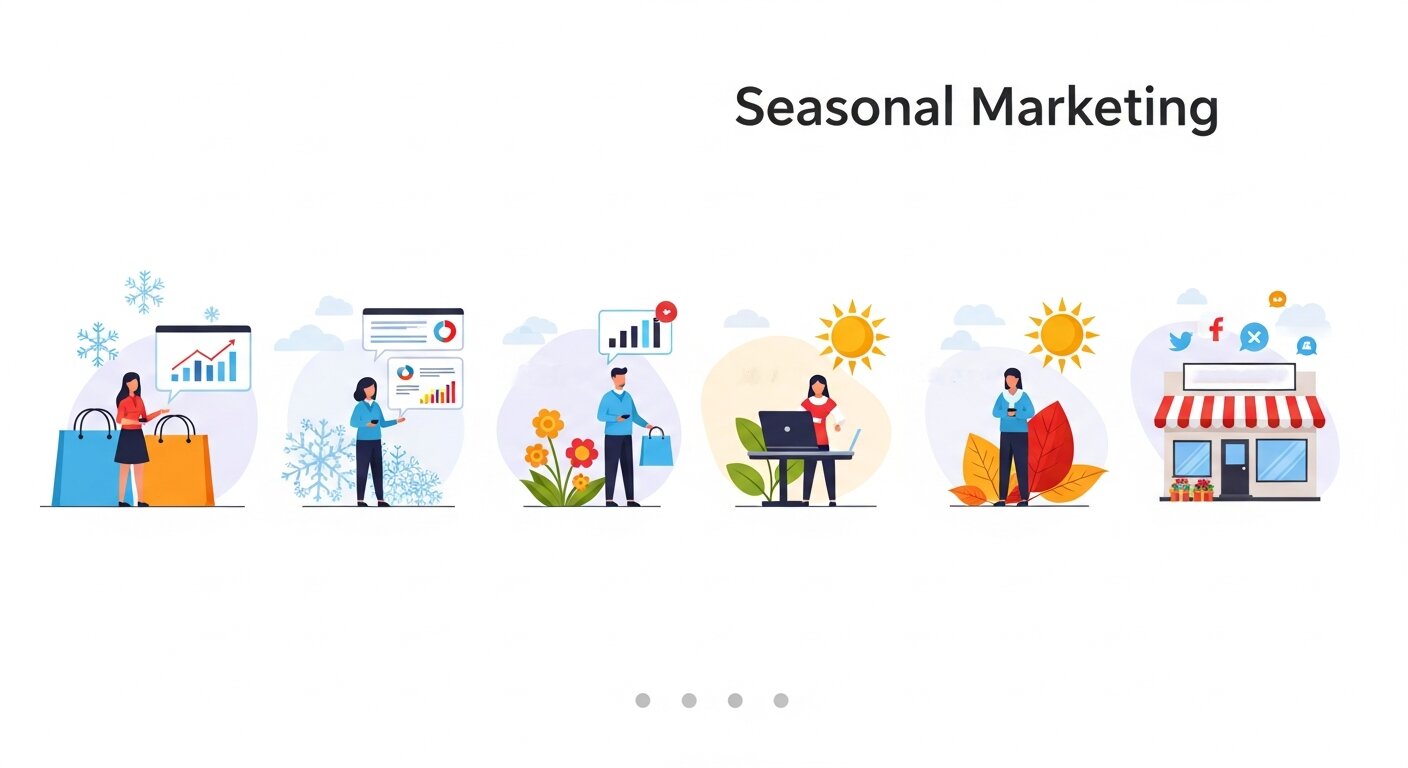
Every year, specific dates and events predictably alter consumer behavior. People buy heavy coats in winter, search for romantic gifts in February, and stock up on school supplies in August. Aligning your promotional efforts with these predictable shifts is the core of a powerful strategy. If you have ever wondered what is seasonal marketing, it is exactly this: adjusting your campaigns, products, and messaging to match specific times of the year, holidays, or events.
Understanding these cycles allows businesses to meet customers exactly where they are. Instead of pushing irrelevant products, you offer solutions that match your audience’s current mindset. This approach leverages the natural momentum of the calendar to drive engagement, build brand awareness, and increase revenue.
In this comprehensive guide, we will cover everything you need to know to build a successful calendar-based strategy. You will learn how seasonal marketing works in business, discover holiday marketing campaign ideas, and review best seasonal marketing practices. By the end, you will have a clear blueprint to maximize your promotional efforts all year round.
How Seasonal Marketing Works in Business
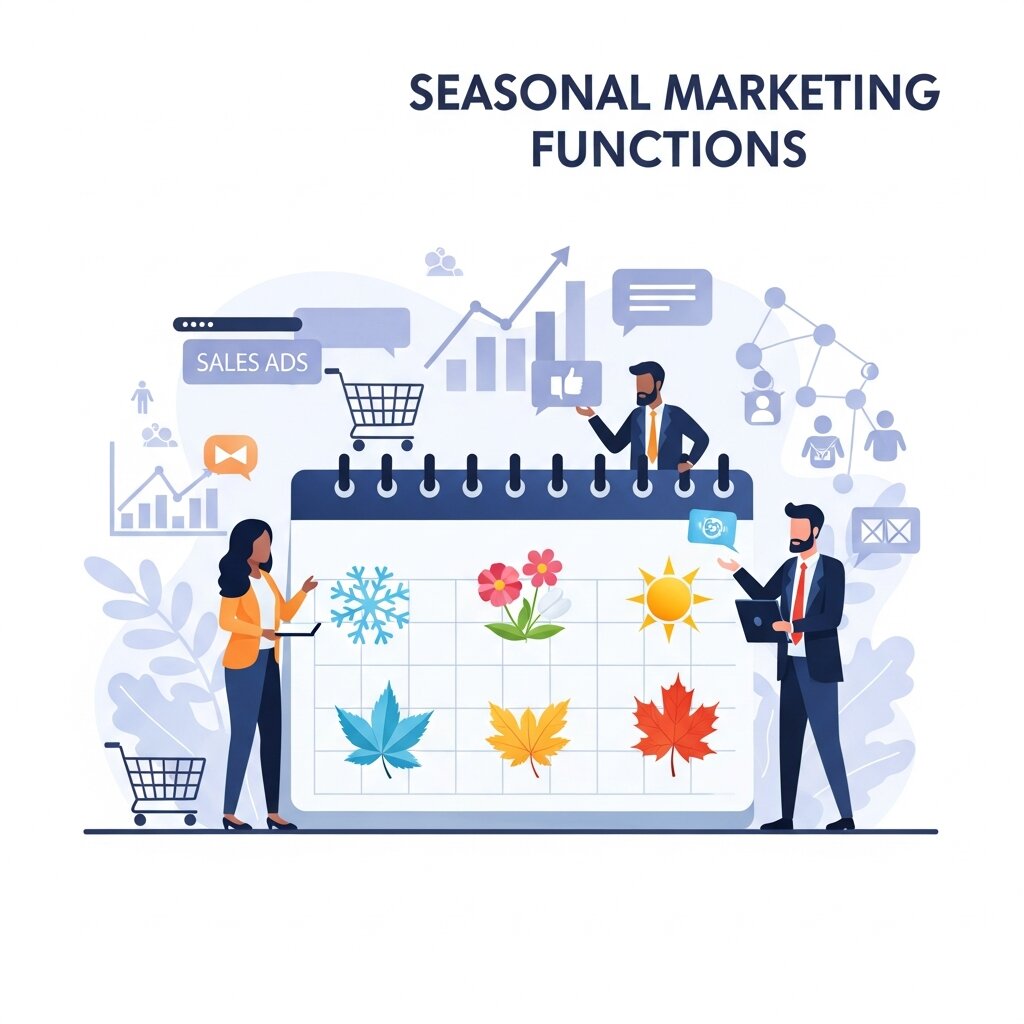
Seasonal marketing operates on the principle of timing and relevance. Instead of maintaining a static promotional message year-round, businesses adapt their messaging to reflect the changing environment. This means tracking major holidays, changes in weather, cultural events, and industry-specific seasons.
A successful strategy begins months in advance. Marketing teams map out the calendar year, identifying peak periods relevant to their specific industry. This planning process is closely aligned with broader what is promotion in a business plan frameworks. A tax preparation software company will heavily weight its marketing spend toward early spring. Conversely, a swimwear brand will focus its efforts on the months leading up to summer. By mapping these periods, businesses can coordinate their inventory, ad spend, and content creation to hit the market right when consumer interest peaks.
The Impact of Seasonal Marketing on Sales
The relationship between seasonality and revenue is profound. Businesses that implement creative campaigns often rely on 10 unique marketing ideas to grow your business to stand out during peak seasons. For many retail businesses, the final quarter of the year—encompassing Black Friday, Cyber Monday, and the December holidays—can account for a massive percentage of their annual revenue. Anticipating these spikes allows companies to optimize their pricing strategies and prepare their supply chains.
However, the impact of seasonal marketing on sales extends beyond the obvious winter holidays. Micro-seasons create mini revenue spikes throughout the year. Back-to-school season drives massive sales in electronics, apparel, and stationery. Valentine’s Day creates a surge for the jewelry, floral, and hospitality industries. By tapping into these moments, businesses can create artificial urgency, prompting consumers to make purchases they might otherwise delay.
Benefits of Seasonal Marketing Campaigns

Running campaigns tied to specific times of the year provides several distinct advantages for your brand.
- Increased Relevance: Consumers naturally tune out generic advertising. When your message aligns with an upcoming event they are already thinking about, your brand feels immediately relevant and helpful.
- Built-in Urgency: Holidays and seasons have hard deadlines. A customer knows they must buy a Mother’s Day gift before the actual day. This natural deadline reduces hesitation and shortens the sales cycle.
- Enhanced Customer Engagement: Seasonal campaigns often allow for more creativity. Interactive campaigns, festive contests, and themed content tend to generate higher engagement rates on social media compared to standard promotional posts.
- Better Budget Allocation: Knowing exactly when your target audience is most likely to buy allows you to concentrate your advertising budget during high-converting windows, improving your overall return on investment.
Retail Seasonal Marketing Strategies
Retailers rely heavily on the calendar to drive foot traffic and online conversions. Effective retail seasonal marketing strategies involve transforming the entire shopping experience to match the current season.
Visual merchandising plays a massive role. Physical stores update window displays, endcaps, and signage to reflect the current theme. E-commerce stores do the same digitally, updating their homepage banners, collection pages, and navigation menus to highlight seasonally appropriate merchandise.
Another highly effective strategy is product bundling. Retailers group relevant items together to create convenient, giftable packages. A cosmetics brand might bundle sunscreen, lip balm, and aloe vera into a “Summer Survival Kit.” This increases the average order value while providing genuine convenience to the shopper.
Seasonal Content Marketing Strategy Guide
A strong content strategy must include platform-specific optimization. One of the most effective tactics today includes seasonal hashtag strategies that actually drive Instagram engagement. Content takes time to produce and even longer to rank on search engines. If you wait until October to write a Halloween-themed blog post, you have already missed the window for organic search traffic.
Your content calendar should be finalized at least one quarter in advance. Create a mix of educational and promotional content. Gift guides are incredibly effective for product-based businesses. Service-based businesses can focus on “how-to” guides relevant to the season, such as a landscaping company publishing an article on “How to Winterize Your Lawn” in early autumn.
Ensure your content is optimized for the right keywords. Search volume for terms like “summer vacation tips” or “tax deadline preparation” spikes predictably. Capture this traffic by refreshing your seasonal content every year with updated information and dates.
Holiday Marketing Campaign Ideas & Seasonal Marketing Strategy Examples
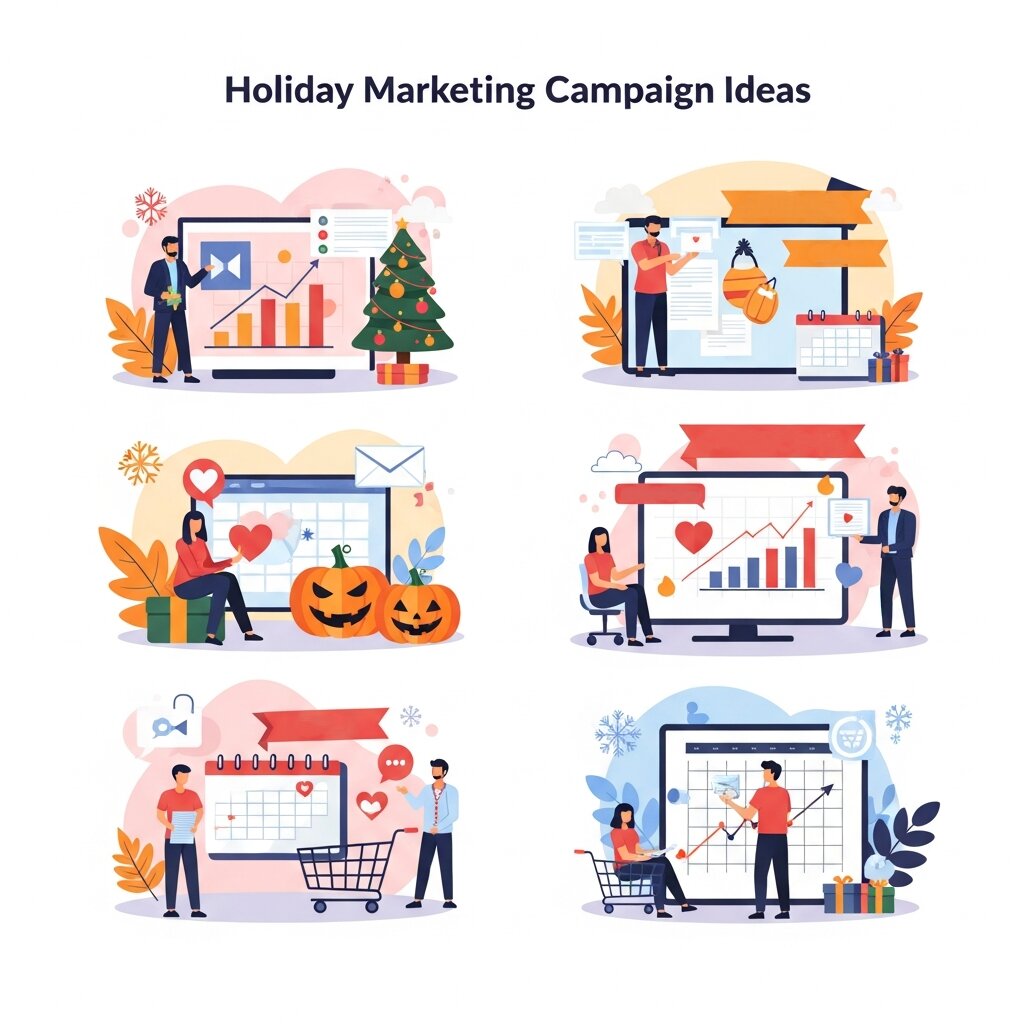
Looking for inspiration? Here are a few holiday marketing campaign ideas and examples of how top brands leverage the calendar:
- The Starbucks Red Cup: Perhaps one of the most famous seasonal marketing strategy examples, Starbucks shifts its packaging to festive red cups every November. This simple design change signals the start of the holiday season and drives massive user-generated content on social media.
- Spotify Wrapped: Released at the end of every year, Spotify provides users with a personalized breakdown of their listening habits. It capitalizes on the end-of-year reflective mood and creates a viral sharing loop across social platforms.
- Limited-Edition Flavors: Food and beverage companies frequently release seasonal flavors, such as pumpkin spice in the fall or peppermint in the winter. The limited availability drives immediate trial and purchase.
Seasonal Advertising Trends for Brands
To stay competitive, businesses must adapt to the latest seasonal advertising trends for brands.
Personalization is becoming increasingly important. Consumers expect holiday marketing to reflect their specific preferences. Using data to send segmented email campaigns—such as recommending gifts based on a customer’s past purchase history—yields significantly better results than generic blasts.
Mobile commerce also dictates seasonal trends. Shoppers are increasingly buying gifts directly from their phones. Ensuring that your seasonal landing pages load instantly and offer seamless mobile checkout options (like Apple Pay or Google Pay) is essential for capturing holiday traffic. Additionally, short-form video content on platforms like TikTok and Instagram Reels is currently the dominant format for showcasing seasonal products.
Best Seasonal Marketing Practices and Festive Season Marketing Tips
Before launching your next initiative, review these best seasonal marketing practices and festive season marketing tips for businesses:
- Start Early: Launch your campaigns before the peak season hits to capture early-bird shoppers and build awareness.
- Check Inventory: Ensure you have enough stock to meet the anticipated surge in demand. Running out of a heavily promoted seasonal item frustrates customers.
- Prepare Customer Support: High sales volume usually means high inquiry volume. Staff up your customer service team and update your FAQ pages with shipping deadlines and return policies.
- Create Clear Shipping Deadlines: For holiday shopping, clearly communicate the last day a customer can order to guarantee delivery before the holiday.
- Analyze and Adjust: After the season ends, review your analytics. Document what worked, what failed, and use those insights to improve next year’s campaign.
Frequently Asked Questions
What is seasonal marketing?
What Is Seasonal Marketing is the process of adapting your promotional campaigns, product offerings, and messaging to align with specific times of the year, holidays, or cultural events.
When should I start planning a seasonal marketing campaign?
To succeed with What Is Seasonal Marketing, you should begin planning at least three to four months in advance. This provides ample time for inventory management, content creation, and ad testing.
Does seasonal marketing only apply to major winter holidays?
No. What Is Seasonal Marketing includes much more than winter holidays. It also covers summer vacations, back-to-school campaigns, Valentine’s Day, weather changes, and industry-specific events.
How much of my budget should go toward seasonal advertising?
Your budget for What Is Seasonal Marketing depends entirely on your industry. Some businesses invest heavily during peak seasons, while others spread their budget throughout the year.
What are the best channels for seasonal campaigns?
Email marketing, social media advertising, and SEO are some of the best channels for executing a successful What Is Seasonal Marketing strategy.
How do I measure the success of a seasonal campaign?
To measure the effectiveness of What Is Seasonal Marketing, track metrics such as sales revenue, average order value, ROAS, and year-over-year growth.
Can B2B companies use seasonal marketing?
Absolutely. What Is Seasonal Marketing applies to B2B companies as well, especially during tax seasons, budgeting periods, and industry trade show events.
How does seasonality affect SEO?
What Is Seasonal Marketing strongly impacts SEO because search trends and customer intent naturally change throughout the year.
What is off-season marketing?
Off-season marketing is part of What Is Seasonal Marketing and involves running promotions during slower business periods to maintain customer engagement and revenue.
How do I handle leftover seasonal inventory?
Are there risks to seasonal marketing?
The main risk is over-investing in inventory that doesn’t sell, leaving you with stock that becomes irrelevant once the holiday or season passes.
How do I create urgency without sounding pushy?
Focus on clear deadlines. State clearly when shipping cutoff dates are or when a limited-edition product will leave the store, letting the calendar do the work for you.
Can seasonal marketing help with customer retention?
Yes. Sending a special discount code for a customer’s birthday or an exclusive early-access link for a holiday sale makes existing customers feel valued.
What tools are best for seasonal content planning?
Project management tools like Asana, Trello, or Monday.com are excellent for coordinating content calendars, asset creation, and launch timelines across your team.
How do I stand out during crowded festive seasons?
Focus on exceptional customer experience, highly targeted personalization, and creative ad formats (like interactive videos or augmented reality try-ons) rather than just slashing prices.