


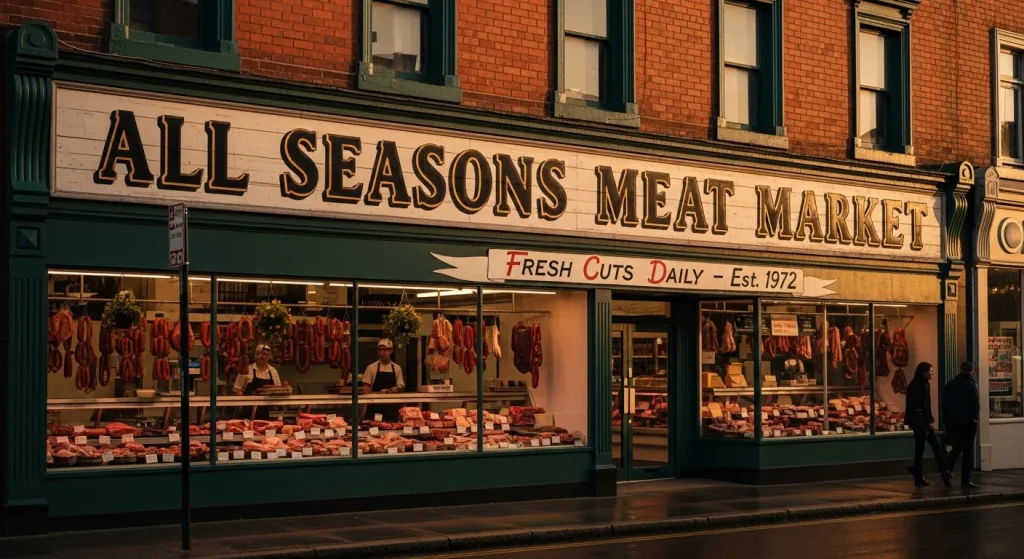
For home cooks and grill masters alike, the search for the perfect cut of steak or the freshest poultry often ends at a specialized local butcher. All Seasons Meat Market represents more than just a place to buy dinner; it stands as a testament to the enduring value of quality craftsmanship, personalized service, and farm-to-table integrity.
All Seasons Meat Market is a haven for quality-conscious cooks, offering premium cuts, ethical sourcing, and expert butchery. This article explores the unique advantages of shopping at a local meat market, from superior freshness and custom cuts to seasonal selections and personalized service. It provides actionable tips for choosing the best meats, storing them properly, and elevating your cooking. Additionally, it highlights the market’s role in supporting sustainable farming and the local food economy, making it a cornerstone of culinary excellence.
Unlocking the Secrets of the Local Meat Market
When you step into All Seasons Meat Market, you aren’t just buying a product; you are engaging in a tradition that prioritizes flavor, texture, and ethical sourcing. In an era dominated by pre-packaged, mass-produced food, the local meat market remains a beacon for those who care deeply about what they eat. But what exactly sets these establishments apart, and how can you navigate them to get the best value for your money?
This comprehensive guide dives deep into the world of artisanal butchery. We will explore the tangible benefits of choosing fresh, locally sourced proteins over their frozen counterparts. You will learn how to identify high-quality marbling, understand the importance of aging processes, and discover why personalized service from a knowledgeable butcher can transform your cooking. By the end of this article, you will have the confidence to select the perfect cuts for every season and occasion.
The All Seasons Advantage: Quality, Freshness, and Expertise
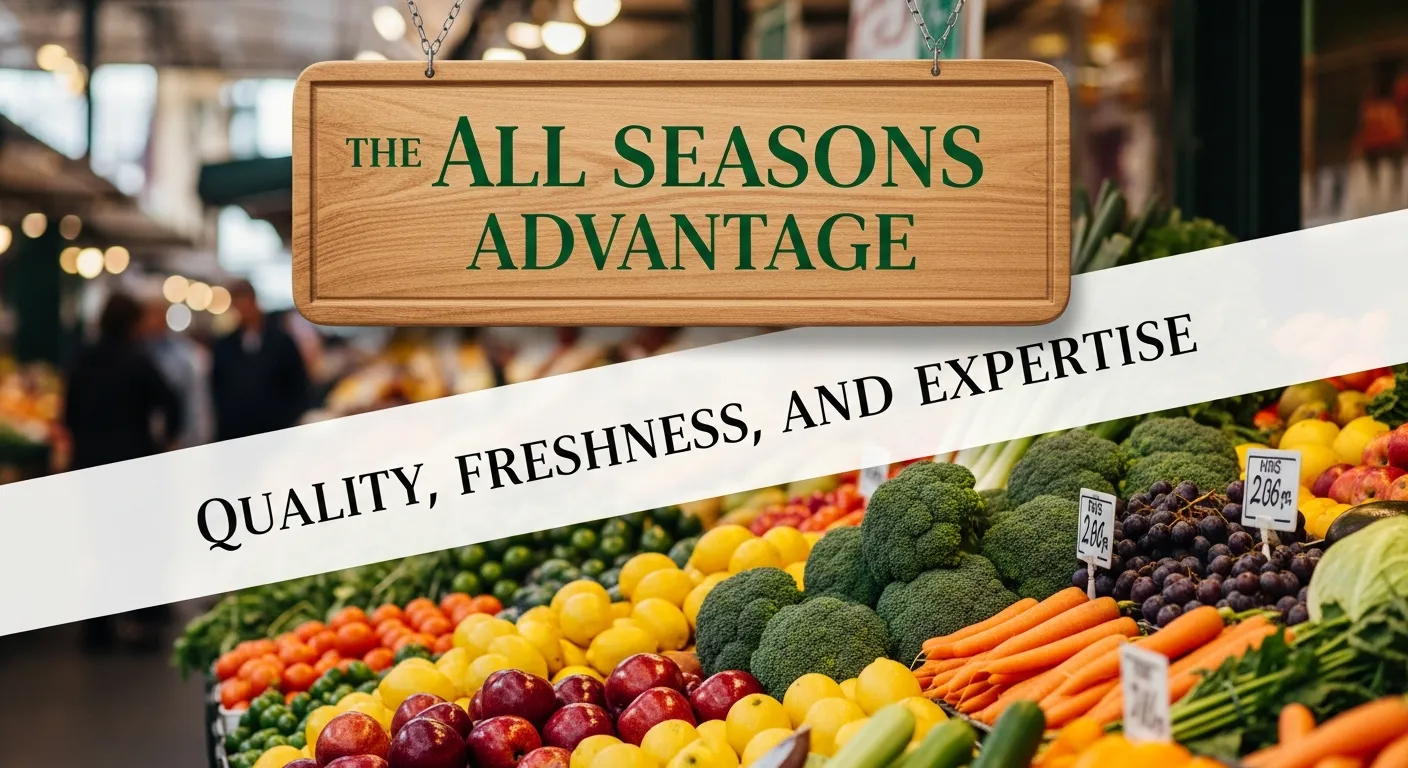

The primary allure of a place like All Seasons Meat Market is the undeniable superiority in product quality. Supermarkets often prioritize shelf life and uniformity, which can lead to meats that are processed with preservatives or injected with saline solutions to artificially enhance plumpness. In contrast, a dedicated meat market focuses on the integrity of the animal and the art of the cut.
Superior Sourcing and Ethical Standards
One of the most significant advantages is transparency. Local markets often have direct relationships with regional farms. This short supply chain means the meat is fresher and often raised with higher ethical standards—grass-fed, free-range, and antibiotic-free options are frequently the norm rather than the exception. This connection to the source mirrors the principles found in the Discover the Bounty of Four Seasons Farm Market, where knowing your producer is as important as the product itself.
The Art of Butchery
Unlike the automated processing plants that supply big-box stores, a local market relies on skilled butchers. These experts understand anatomy and muscle structure. They can provide custom cuts that you simply cannot find pre-wrapped in plastic. Need a specific thickness for a ribeye? Want a crown roast of pork tied perfectly? A skilled butcher at All Seasons Meat Market can accommodate these requests, ensuring your meal starts with the perfect foundation.
Seasonal Selection
Just as produce has seasons, meat consumption follows seasonal trends. A quality market adapts its offerings accordingly.
- Spring: Focus on tender lamb, veal, and lighter poultry cuts.
- Summer: The grill is king. Expect a wide variety of sausages, burger blends, and steaks.
- Autumn: As the weather cools, the focus shifts to game meats and heavier roasts.
- Winter: Hardy braising cuts like short ribs and shanks take center stage.
Understanding these cycles is part of mastering seasonal marketing strategies for any food business, but for the consumer, it means eating in harmony with the weather.
How to Choose the Perfect Cut of Meat: A Step-by-Step Guide
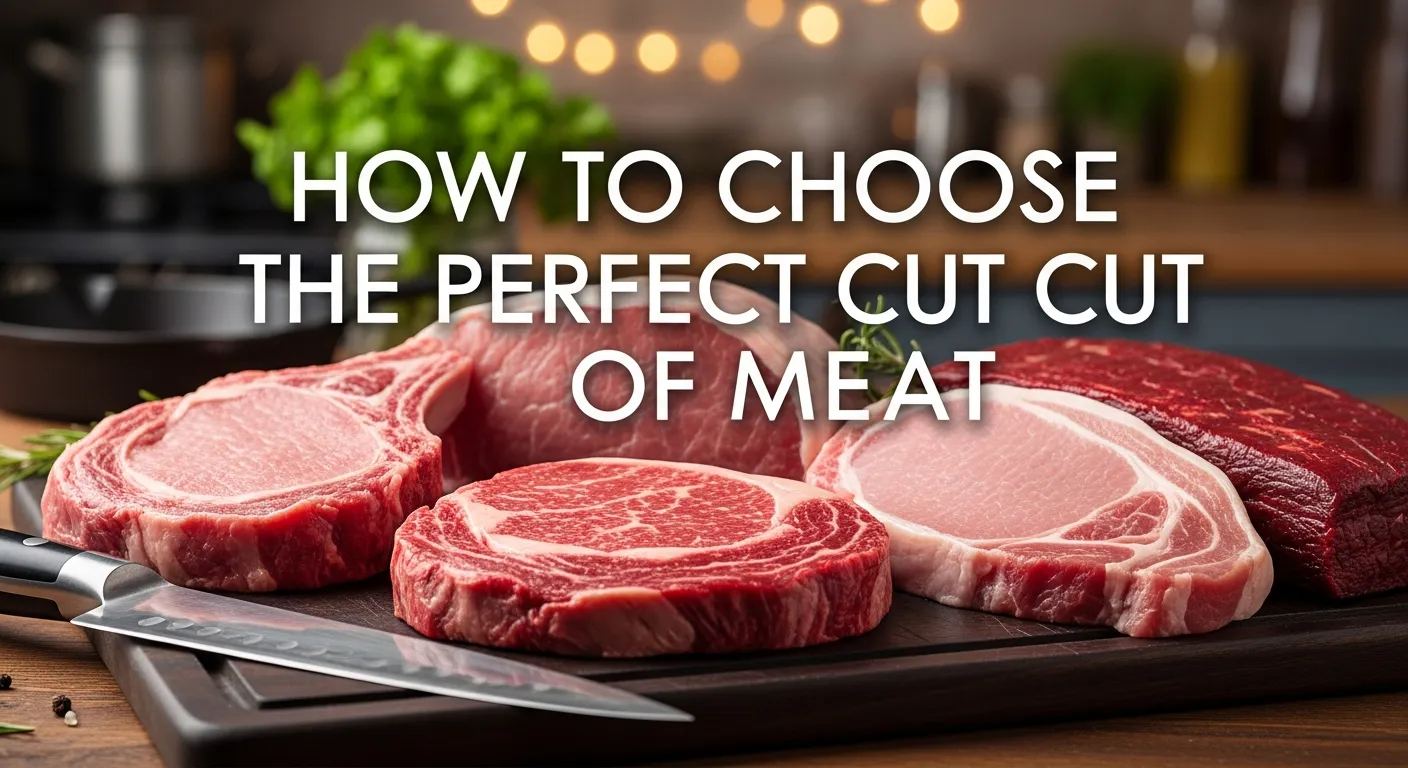
Walking up to a meat counter can be intimidating if you don’t know what you’re looking for. Here is a practical framework to ensure you leave with the best possible product.
1. Visual Inspection
Your eyes are your best tool. Fresh red meat should be vibrant in color—cherry red for beef, soft pink for pork. Avoid meat that looks brown or gray, as this indicates oxidation.
- Marbling is Key: For beef, look for fine flecks of white fat distributed throughout the muscle (intramuscular fat). This fat melts during cooking, providing flavor and tenderness.
- Texture Matters: The meat should look firm and dry, not wet or slimy. Excess moisture in the package is a sign of poor handling or added water.
2. Talk to the Butcher
Don’t be afraid to ask questions. A good butcher loves to talk about their trade. Ask:
- “What came in fresh today?”
- “What would you recommend for a slow cooker versus a grill?”
- “Can you trim the fat cap on this roast for me?”
- “Do you have any cooking tips for this specific cut?”
3. Understanding Grades
While the USDA grading system (Prime, Choice, Select) is a good baseline, local markets often carry cuts that exceed these standards. Some markets may offer “Prime Plus” or specific breed certifications like Angus or Wagyu. Understanding these distinctions is crucial, much like understanding brand positioning in marketing—premium labels signify a specific promise of quality.
4. Special Requests
If you are planning a special event, like a holiday feast, order ahead. All Seasons Meat Market likely accepts custom orders for large cuts like whole turkeys, standing rib roasts, or suckling pigs. Planning ahead ensures you get exactly what you need without the stress of last-minute shopping.
Local Meat Market vs. Supermarket Chain
|
Feature |
Local Meat Market (e.g., All Seasons) |
Supermarket Chain |
|---|---|---|
|
Product Freshness |
High; often sourced regionally with rapid turnover. |
Variable; often shipped long distances and stored longer. |
|
Cut Customization |
Fully customizable on the spot. |
Limited to pre-packaged standard cuts. |
|
Sourcing Transparency |
High; butchers know the farms and feed types. |
Low; often generic “country of origin” labels. |
|
Expertise |
Staff are trained butchers with culinary knowledge. |
Staff are often general stockers with limited meat knowledge. |
|
Price |
Generally higher, reflecting quality and labor. |
Lower, due to economies of scale and industrial processing. |
|
Additives |
Rare; focus on natural products. |
Common; saline injections and preservatives often used. |
The Business of Meat: Marketing an Old-World Trade
Running a successful meat market in the digital age requires more than just sharp knives. It requires savvy business acumen. All Seasons Meat Market likely employs modern strategies to retain customers and attract new ones.
Building a Local Brand
For a local business, reputation is everything. Word of mouth is powerful, but digital presence is essential. A market must establish itself as the vibrant heart of your community. This involves participating in local events, sponsoring youth sports, and maintaining a friendly, welcoming atmosphere. This community-centric approach is a classic example of what is branding in marketing—it’s about the feeling a customer gets when they interact with your business.
Digital Marketing for Butchers
Even traditional businesses need a digital strategy.
- Social Media: Instagram is perfect for showcasing beautifully marbled steaks or perfectly prepared roasts. Sharing “behind the scenes” content of the butchering process builds trust and demonstrates expertise. This connects directly to how to do digital marketing on YouTube or Instagram effectively.
- Email Campaigns: Sending out a weekly newsletter with specials, recipes, and seasonal updates keeps the market top-of-mind. This utilizes email marketing tips for seasonal campaign planning to drive foot traffic during specific times of the year.
- Online Ordering: Many modern meat markets now offer click-and-collect or local delivery services, adapting to the convenience demanded by modern consumers.
Seasonal Promotions
A meat market lives and dies by the calendar. Seasonal marketing strategies are critical.
- Summer: “Grill Master” bundles featuring burgers, hot dogs, and ribs.
- Thanksgiving: Pre-orders for fresh, local turkeys.
- Winter Holidays: High-end roasts and gift baskets featuring cured meats and cheeses.
- Game Day: Wings, sausages, and party platters.
These promotions align perfectly with consumer demand, ensuring steady revenue throughout the year. It’s a practical application of what is seasonality in marketing.
Health Benefits of Quality Meat
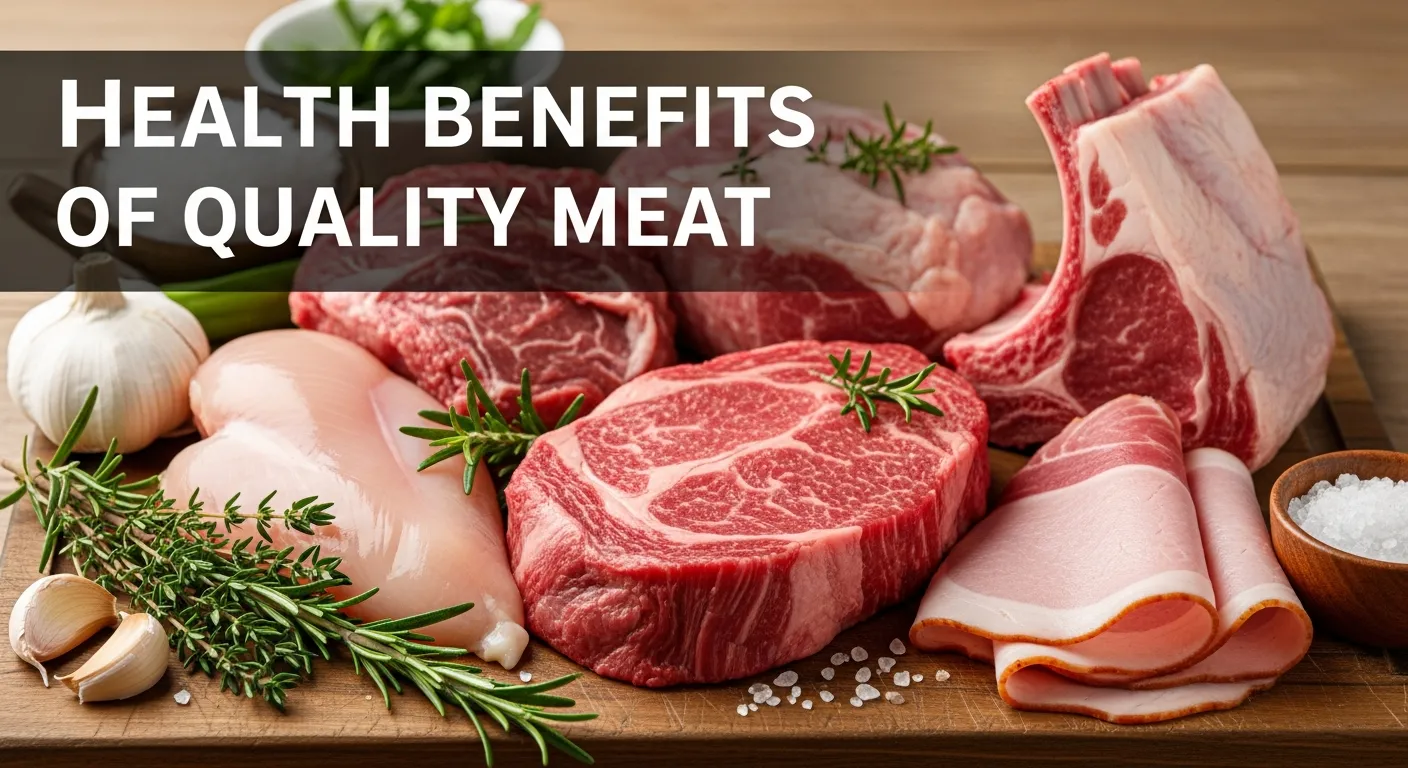
Beyond taste, there is a health argument for shopping at All Seasons Meat Market.
Nutrient Density
Pasture-raised meats are often higher in Omega-3 fatty acids and vitamins like E and B6 compared to grain-fed counterparts. Animals raised in healthy environments produce healthier meat.
Avoiding Additives
Many supermarket meats are treated with “pink slime” (lean finely textured beef) or carbon monoxide to maintain color. Buying fresh from a butcher eliminates these hidden ingredients from your diet.
Mental Well-being
There is a psychological benefit to cooking with high-quality ingredients. The process of selecting a fine cut of meat and preparing it with care can be a mindful, stress-relieving activity. It connects you to the food you eat, fostering a healthier relationship with consumption. This aspect touches on how marketing impact childrens emotional health and family dynamics—cooking together with quality ingredients promotes family bonding.
Expert Tips for Storing and Freezing Meat
Once you’ve purchased your premium cuts from All Seasons Meat Market, proper storage is essential to maintain that quality.
- Refrigeration: Store raw meat on the bottom shelf of your fridge to prevent juices from dripping onto other foods. Ideally, cook ground meat and poultry within 1-2 days, and steaks or roasts within 3-4 days.
- Freezing: If you aren’t going to use it immediately, freeze it. However, don’t just throw the butcher paper in the freezer.
-
- Vacuum Sealing: This is the gold standard. It removes air, preventing freezer burn and extending shelf life significantly.
- Double Wrapping: If you don’t have a vacuum sealer, wrap the meat tightly in plastic wrap, then wrap it again in heavy-duty aluminum foil or place it in a freezer bag with the air squeezed out.
- Thawing: Never thaw meat on the counter. The safest method is in the refrigerator overnight. For a quicker method, seal the meat in a leak-proof bag and submerge it in cold water, changing the water every 30 minutes.
Common Mistakes to Avoid
- Overcooking High-Quality Meat: Lean, grass-fed beef cooks faster than grain-fed beef. Use a meat thermometer to ensure you don’t turn an expensive steak into leather.
- Freezing Too Late: Don’t wait until the meat is about to expire before freezing it. Freeze it while it is fresh to preserve the best quality.
- Ignoring the “Rest” Period: After cooking, let your meat rest for 5-10 minutes. This allows the juices to redistribute throughout the muscle, resulting in a juicier bite.
Integrating Meat Markets into a Broader Lifestyle
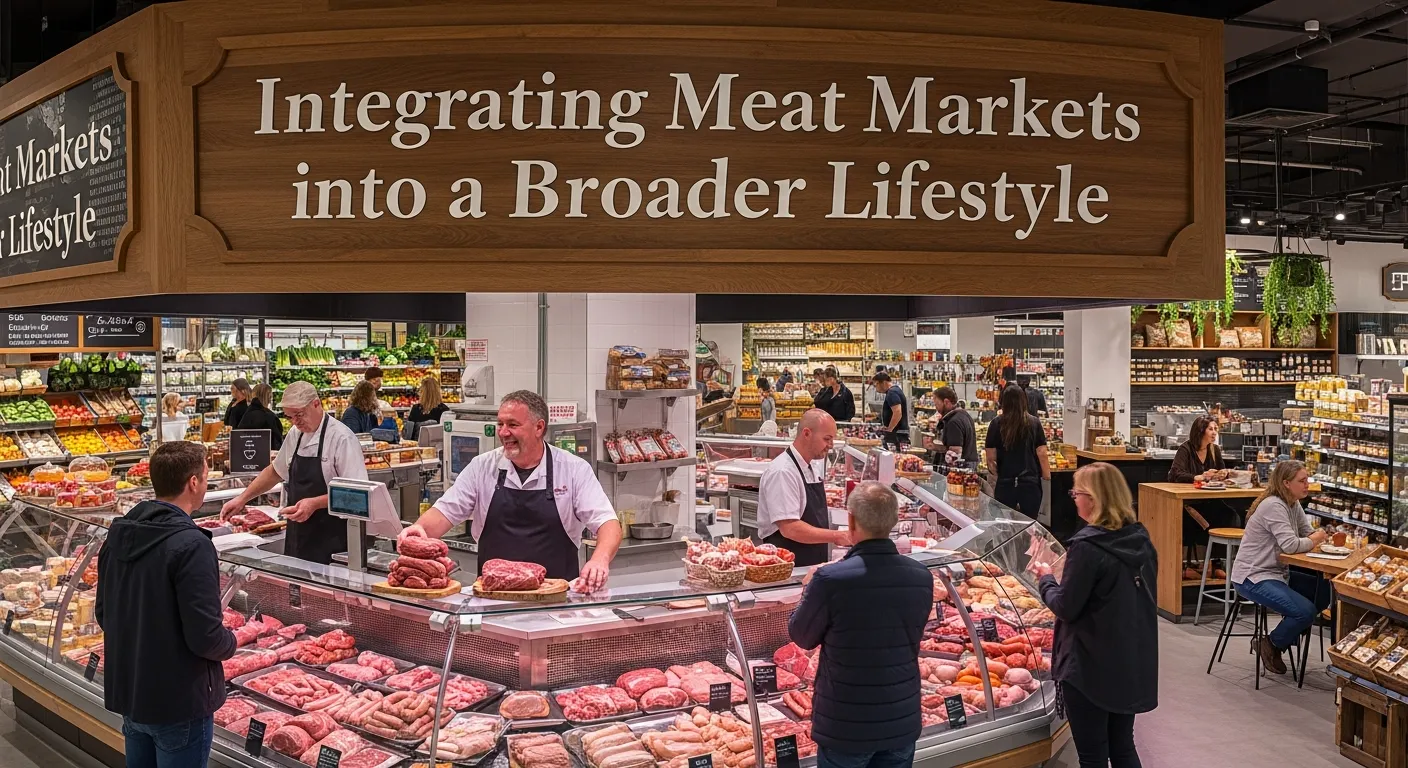
For the avid foodie, the meat market is just one stop on a larger culinary journey. It often pairs perfectly with a visit to a Four Seasons Local Market for fresh vegetables and artisanal breads.
The Farm-to-Table Ecosystem
By shopping at dedicated markets, consumers help build a resilient local food system. This supports small farmers and reduces the carbon footprint associated with shipping food across the country. It is a conscious choice to participate in a sustainable food economy.
Career Opportunities
The revival of artisanal butchery has also created new career paths. For those passionate about food, New Seasons Market careers or apprenticeships at local butcher shops offer a hands-on way to enter the culinary world. Learning the trade of butchery is a skill that will always be in demand.
Social Media Influence
Food influencers play a huge role in driving traffic to these markets. A well-placed post about a perfectly cooked ribeye from All Seasons Meat Market can go viral. Aspiring creators looking at how to become a social media influencer often find that niche food content—like reviewing local meat markets or sharing BBQ tips—is a highly effective way to build an audience.
Conclusion
All Seasons Meat Market is more than a retailer; it is a cornerstone of a culinary lifestyle that values quality, tradition, and community. By choosing to shop at a dedicated butcher, you elevate your cooking, support ethical farming, and treat yourself to the best flavors nature has to offer. Whether you are a seasoned chef or a home cook looking to impress, the expertise and selection found here are unmatched. Next time you plan a meal, skip the pre-packaged aisle and experience the difference of a true meat market.
Frequently Asked Questions (FAQs)
1. What makes All Seasons Meat Market different from a grocery store?
The primary differences are quality, sourcing, and service. All Seasons Meat Market typically sources meat from local or regional farms with higher ethical standards. Their staff are trained butchers who can provide custom cuts and expert cooking advice, unlike the general staff found in most supermarket meat departments.
2. Is the meat at a local market more expensive?
Generally, yes. The price reflects the higher cost of raising animals ethically, the labor of skilled butchery, and the lack of industrial fillers (like water or saline). However, the value lies in the superior taste, texture, and nutritional profile. You are paying for meat, not water weight.
3. Can I request specific cuts that aren’t in the display case?
Absolutely. One of the biggest benefits of a dedicated meat market is the ability to request custom cuts. Whether you need a specific thickness for a steak, a butterflied leg of lamb, or a crown roast, the butcher can prepare it for you on the spot.
4. Does All Seasons Meat Market offer organic or grass-fed options?
Most reputable local meat markets prioritize high-quality sourcing, which often includes grass-fed, organic, and antibiotic-free options. It is always best to ask the butcher directly about the specific farms they work with and the raising practices of the animals.
5. How long can I keep fresh meat in the refrigerator?
Fresh poultry, ground meat, and sausages should be cooked or frozen within 1-2 days of purchase. Whole cuts of beef, pork, and lamb can typically stay fresh for 3-5 days. Always store meat on the bottom shelf to prevent cross-contamination.
6. Do they offer seasonal items?
Yes, seasonality is a hallmark of a good meat market. You can expect turkeys and hams around the holidays, extensive grilling options like marinated meats and kebabs in the summer, and specialized game meats or braising cuts in the autumn and winter.
7. Can I order meat in bulk?
Many meat markets offer “freezer filler” packages or bulk discounts. Buying a quarter or half cow, or a bulk pack of chicken breasts, can be a great way to get high-quality meat at a lower price per pound.
8. What is the best way to transport meat home?
If you have a long drive, bring a cooler with ice packs. Maintaining the “cold chain” is vital for food safety and quality. The meat should not be left at room temperature for more than two hours (or one hour if it’s over 90°F outside).
9. Do they sell anything besides raw meat?
Often, yes. Many markets, like All Seasons Meat Market, also sell complementary items such as house-made marinades, spice rubs, artisanal cheeses, local eggs, and sometimes even prepared foods like deli sandwiches or pre-cooked sides.
10. How can I find out about their weekly specials?
The best way is to follow them on social media or sign up for their email newsletter. This is where they typically announce fresh arrivals, seasonal promotions, and limited-time discounts. Engaging with their digital content is a great way to stay informed.