
Seasoned events are expertly planned, recurring seasonal marketing activations that drive consistent customer engagement and revenue. By aligning your business strategy with a well-structured seasonal events calendar, organizations can capitalize on holiday trends, streamline annual promotions, and build trust with their target audience throughout the year.
A well-executed marketing schedule does much more than simply acknowledge changing seasons or major holidays. It creates a rhythm for your business operations and gives your audience something to anticipate. Consumers naturally align their purchasing habits with the changing calendar, making it essential for brands to establish a predictable, high-quality event cadence.
These recurring, highly polished activations are known as seasoned events. Rather than scrambling to launch a last-minute sale for a major holiday, organizations that rely on seasoned events follow a proven blueprint. They understand exactly when to start their promotions, how to engage their specific demographics, and what resources are required to execute seamlessly.
Implementing this approach requires careful attention to historical performance data and consumer behavior. Companies must evaluate which seasonal marketing campaigns generated the highest return on investment in previous years. By refining these successful formulas over time, businesses turn scattered promotions into reliable revenue drivers.
Transitioning to a mature event strategy requires discipline, alignment across marketing and sales departments, and a deep understanding of your audience’s annual pain points. This comprehensive guide details how to transform ad-hoc holiday tactics into a powerful, year-round marketing engine.
How do you build a robust seasonal events calendar?
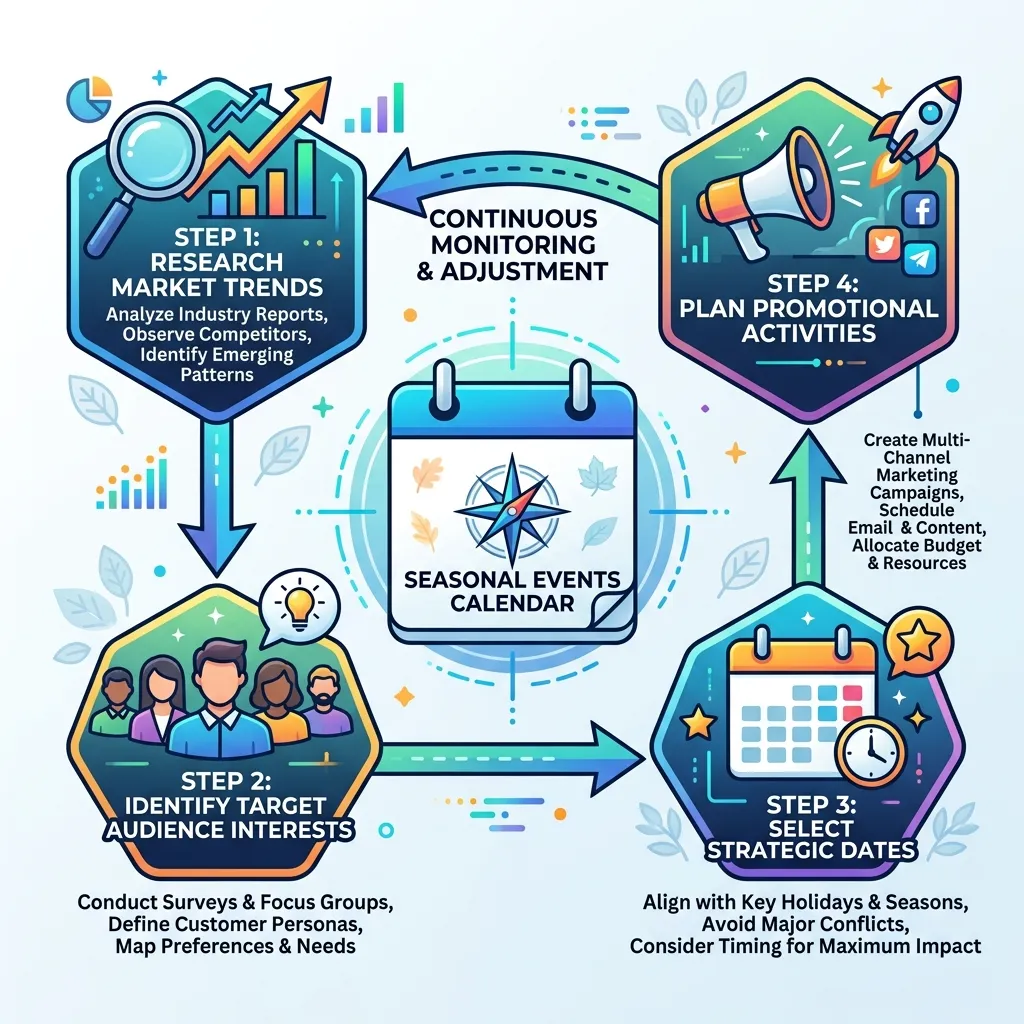
A seasonal events calendar acts as the foundation for your entire yearly marketing strategy. Without a centralized schedule, marketing teams risk missing critical launch windows or overlapping different promotional messages. Building this calendar involves mapping out all major holidays, industry-specific busy periods, and company milestones.
Start by identifying the primary revenue-driving periods for your specific industry. Retailers focus heavily on the final quarter of the year, while B2B software companies might see their highest engagement during spring and fall conference seasons. Mark these critical periods on your calendar first.
Next, layer in secondary opportunities. These include minor holidays, cultural moments, and local events relevant to your target demographic. By planning these dates six to twelve months in advance, marketing departments secure adequate time for creative development, media buying, and inventory management.
To better understand evolving market timing patterns, you can explore seasonal trends in marketing and how they influence campaign planning.
What makes seasonal marketing campaigns successful?
Successful seasonal marketing campaigns rely on deep relevance and timely execution. Consumers are bombarded with generic holiday messaging, so standing out requires a tailored approach. A highly effective campaign speaks directly to the immediate needs of the buyer during that specific time of year.
To achieve this, marketers must segment their audience and adjust their messaging accordingly. For example, a back-to-school campaign should speak differently to college students than it does to parents of elementary schoolers. Personalization increases engagement rates and drives higher conversions.
Consistency across all marketing channels also dictates campaign success. Your social media posts, email newsletters, website banners, and physical store displays must present a unified aesthetic and offer. This omnichannel alignment reinforces the message and builds credibility with the consumer.
This is where strong execution practices, like cross-channel seasonal marketing strategies, become essential for maintaining brand coherence.
How should you plan holiday marketing events?
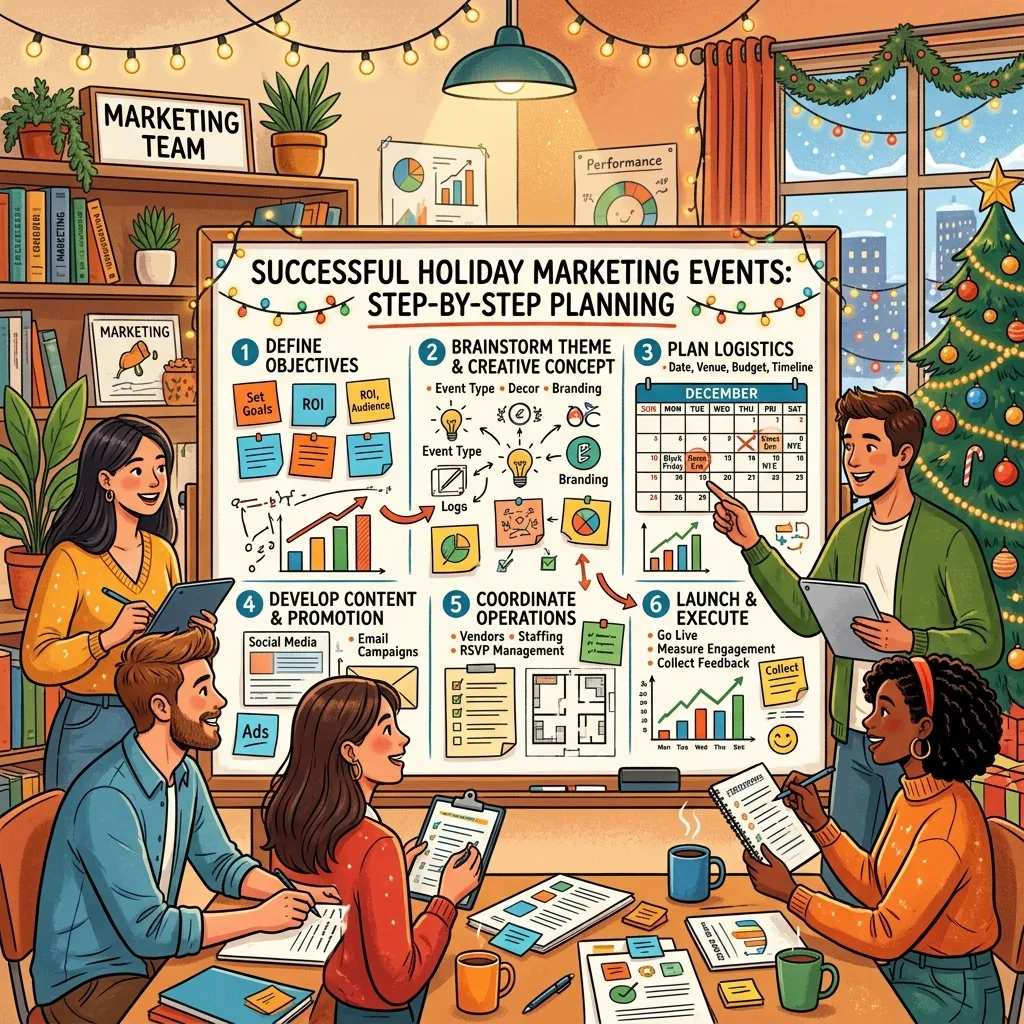
Holiday marketing events require long lead times and meticulous coordination. Because the market is exceptionally noisy during major holidays, businesses must deliver exceptional experiences to capture consumer attention. Planning should commence months before the actual holiday arrives.
First, define the specific objective of the holiday marketing event. Determine if the goal is brand awareness, lead generation, or immediate sales. Clear objectives dictate the budget allocation and the metrics used to measure success.
Second, secure partnerships and vendors early. Venues, caterers, and digital advertising spaces book up rapidly ahead of major holidays. Finalizing these logistical elements well in advance protects your budget from premium rush pricing and ensures you have the necessary resources to execute your vision.
For inspiration on executing high-impact seasonal promotions, reviewing creative seasonal campaign ideas can help spark innovative approaches.
When should businesses launch annual seasonal promotions?
Timing dictates the effectiveness of annual seasonal promotions. Launching too early risks consumer fatigue, while launching too late results in missed revenue. Businesses must analyze historical sales data to identify the exact window when their target audience begins researching seasonal purchases.
For high-ticket items, consumers require a longer consideration phase. B2B companies or luxury retailers should introduce their seasoned events and promotional messaging several weeks before the desired conversion date. This allows buyers to evaluate their options and secure necessary approvals or financing.
Conversely, fast-moving consumer goods and low-cost retail items benefit from shorter, high-urgency promotional windows. Launching these promotions just days before a holiday or seasonal shift capitalizes on impulse buying behaviors and immediate consumer needs.
What is the best event marketing strategy for seasoned events?
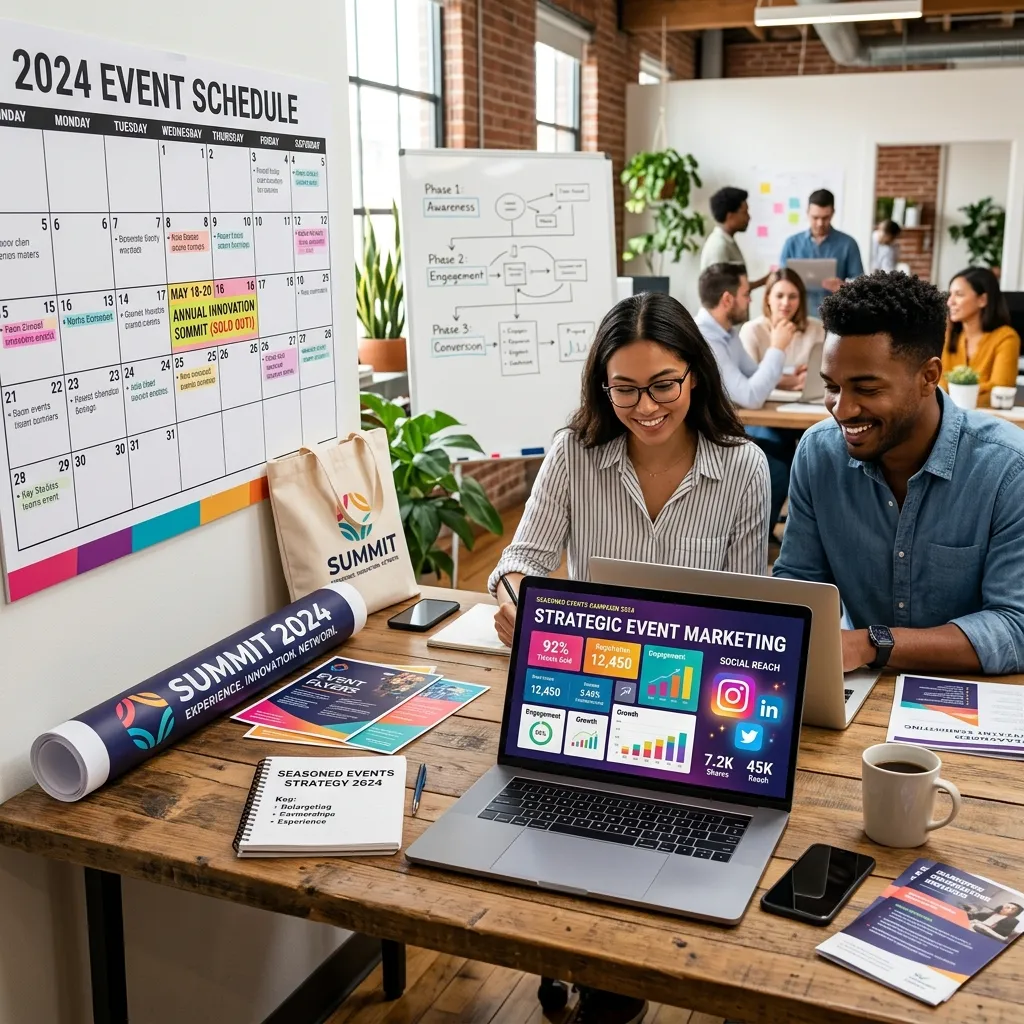
A strong event marketing strategy for seasoned events relies on the principle of continuous improvement. Because these events repeat annually, organizations possess a wealth of data to inform future iterations. The best strategy involves analyzing this past performance to refine the current year’s execution.
Begin with a thorough post-event analysis of the previous year. Identify which promotional channels drove the highest registration or sales volume. Reallocate budget away from underperforming channels and double down on the strategies that yielded the best results.
Additionally, incorporate a multi-touchpoint communication plan. Do not rely on a single email or social media post to drive attendance or engagement. Build a sequence that includes “save the date” announcements, early-bird pricing incentives, detailed event previews, and urgent “last chance” reminders.
How do you master seasonal event planning?
Mastering seasonal event planning requires a dedicated project management framework. Complex events involve numerous moving parts across different departments. Establishing clear roles, responsibilities, and deadlines prevents last-minute crises.
Create a comprehensive run-of-show document for physical and virtual events alike. This document should outline every minute of the event, detailing who is responsible for specific actions. Share this document with all stakeholders to ensure complete alignment.
Contingency planning is another critical component of seasonal event planning. Weather disruptions, technology failures, or supply chain delays can derail an event. Developing backup plans for high-risk elements ensures the team can pivot smoothly without compromising the customer experience.
How can you manage year-round marketing events?
Managing year-round marketing events demands a sustainable pace and a scalable operating model. Teams that treat every event as a unique, from-scratch endeavor will quickly burn out. The key to sustainability is creating repeatable templates and standardized workflows.
Develop brand guidelines specifically for your seasoned events. Create standard templates for landing pages, promotional emails, and social media graphics. While the specific seasonal imagery will change, the underlying structure should remain consistent, saving design and development time.
Implement an event management software platform to centralize your operations. A unified system allows teams to track registrations, manage speaker communications, and monitor budgets in one place. This infrastructure supports a high volume of year-round marketing events without requiring a massive increase in headcount.
What are the latest holiday and seasonal trends?
Consumer expectations shift constantly, making it vital to monitor emerging holiday and seasonal trends. Currently, consumers prioritize authenticity and sustainability over massive, generic consumption. Brands that highlight ethical sourcing and community impact during their seasonal events see strong engagement.
Hybrid event models continue to dominate the landscape. Audiences expect the option to engage with holiday marketing events both in person and online. Providing a high-quality livestream or digital counterpart to physical events expands your reach and accommodates varying consumer preferences.
Interactive digital experiences are also replacing static holiday promotions. Gamified discounts, virtual advent calendars, and augmented reality product demonstrations capture consumer attention longer than standard promotional emails.
How do seasonal business events drive corporate growth?
Seasonal business events act as powerful catalysts for corporate growth by accelerating the sales cycle. Industry conferences, seasonal product launches, and annual client summits bring high-value prospects and existing customers into a concentrated environment.
These events facilitate deep relationship building. Face-to-face interactions, whether virtual or physical, build a level of trust that asynchronous digital marketing cannot match. Sales teams can address specific client concerns, demonstrate product value in real time, and negotiate terms directly.
Furthermore, seasonal business events generate highly qualified leads. Attendees willingly exchange their contact information to access the event’s content or networking opportunities. This provides the marketing team with a robust pipeline of interested prospects to nurture in the following months.
What are some unique special event marketing ideas?
Differentiating your brand requires unique special event marketing ideas that break the mold of traditional seasonal promotions. Moving away from standard discount codes and webinars helps capture a saturated market’s attention.
Consider hosting an exclusive, VIP preview event for your most loyal customers ahead of a major seasonal launch. Offering early access to new products or services rewards loyalty and generates word-of-mouth anticipation before the public release.
Collaborative events also provide strong differentiation. Partner with a complementary, non-competing brand to co-host a seasonal activation. This strategy allows both companies to tap into each other’s audience base, reducing marketing costs while expanding overall reach.
Next Steps for Elevating Your Seasonal Strategy
Transitioning your marketing approach to focus on high-quality seasoned events takes time, data analysis, and cross-functional dedication. Start by reviewing your previous year’s performance and identifying the one or two major seasonal moments that drive the most value for your business. Focus your resources on optimizing those specific periods before expanding your calendar. By prioritizing consistency, early planning, and audience relevance, your organization will build a year-round marketing engine that delivers predictable, profitable results.
Frequently Asked Questions
What is the difference between an ad-hoc promotion and seasoned events?
Ad-hoc promotions are created quickly in response to short-term market conditions or inventory needs. Seasoned events are well-established, recurring marketing activations planned months in advance based on historical performance data and established annual trends.
How much budget should be allocated to seasonal marketing campaigns?
Budget allocation depends entirely on your industry’s peak revenue periods. Retail businesses often allocate over 50% of their annual marketing budget to Q4 holiday marketing events, while B2B companies distribute their budgets more evenly around major spring and fall industry conferences.
What metrics indicate a successful holiday marketing event?
Key performance indicators for holiday events include total registrations, attendee engagement rates, cost per acquisition, and total generated pipeline or revenue. You should also measure brand sentiment and post-event customer retention to gauge long-term success.
How far in advance should seasonal event planning begin?
For major annual seasoned events, planning should begin a minimum of six months in advance. This timeline ensures adequate availability for premium vendors, allows for thorough campaign creative development, and provides a comfortable window for promotional activities.
Can small businesses execute year-round marketing events effectively?
Yes, small businesses can manage year-round events by focusing on scalability and partnerships. Utilizing digital event platforms, creating repeatable marketing templates, and co-hosting seasonal business events with local partners allows small teams to maintain a consistent event presence without overextending resources.