

Every retailer knows the immense power of peak shopping periods. Executing successful Seasonal Sales can drastically transform your annual profitability. By capitalizing on built-in consumer urgency, businesses can skyrocket their revenue metrics while simultaneously drawing in a massive influx of eager, high-intent shoppers. This comprehensive guide explores everything you need to master your next promotional period. We break down consumer psychology, inventory forecasting, and high-converting marketing tactics that make Seasonal Sales incredibly profitable. You will also discover common pitfalls to avoid and expert strategies designed to turn one-time holiday buyers into lifelong brand advocates.
Understanding the Psychology Behind Seasonal Sales
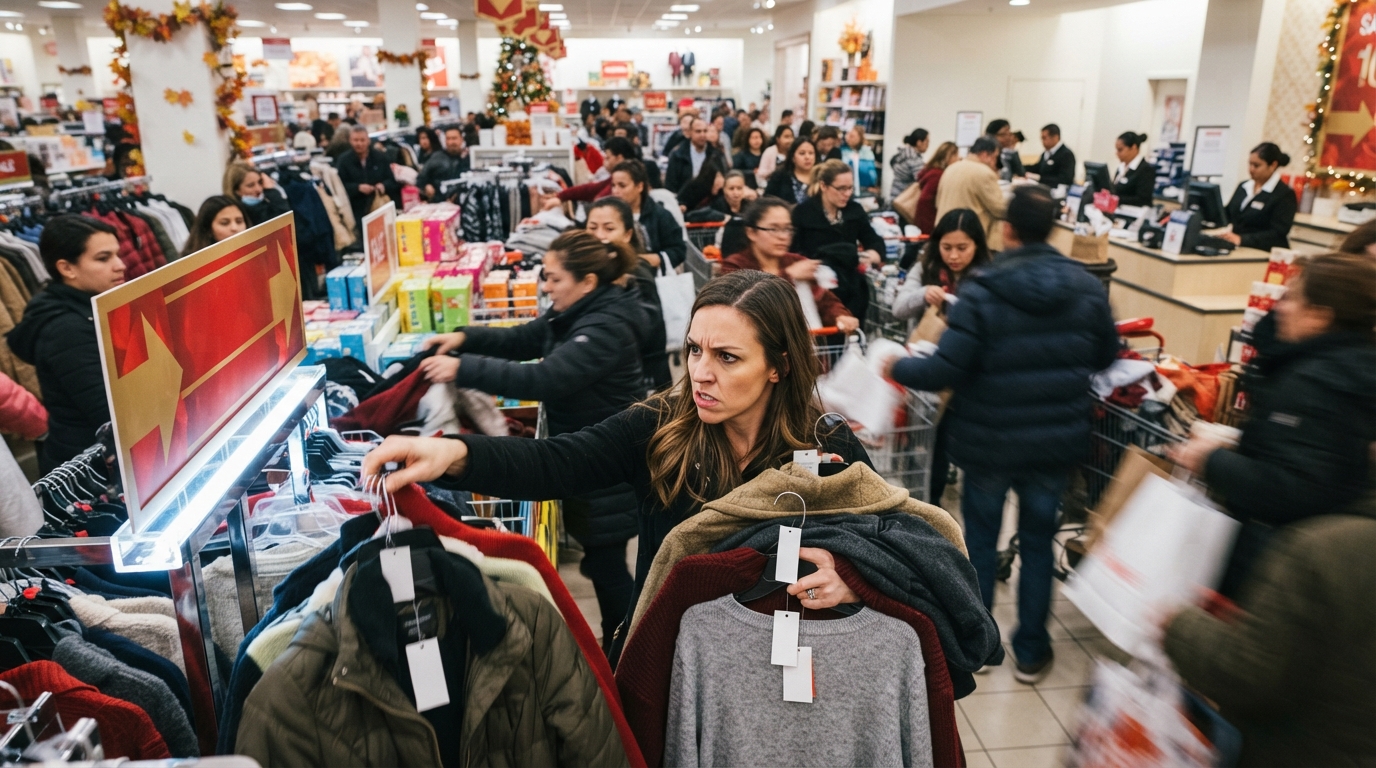
To maximize your revenue during peak shopping periods, you must first understand why consumers behave differently when Seasonal Sales begin. Human psychology plays a massive role in purchasing decisions, especially when deadlines and limited-time offers enter the equation. Shoppers experience a natural cognitive shift during these events. They transition from casual browsing to active buying, driven by emotional triggers like the fear of missing out, anticipation, and the desire for social belonging.
When you launch your Seasonal Sales, you tap directly into the scarcity principle. Consumers know that massive discounts will not last forever. This built-in urgency forces them to make faster decisions, bypassing the typical lengthy consideration phase of the buyer’s journey. Retailers who effectively frame their offers around scarcity see explosive e-commerce revenue growth because they remove the friction of hesitation. Furthermore, shoppers associate these periods with tradition and reward. Whether they buy gifts for family members during the winter holidays or upgrade their wardrobes during summer clearances, they justify their spending through the lens of seasonal necessity.
By analyzing these psychological triggers, brands can craft highly persuasive messaging. Instead of merely listing product features, your marketing teams should emphasize the time-sensitive nature of the offer. You must convince the shopper that delaying the purchase means losing the opportunity entirely. When you align your messaging with the shopper’s internal urgency, your Seasonal Sales transition from simple discount events into highly anticipated shopping experiences. Understanding this mental shift remains the foundational step before you dive into inventory planning or digital marketing execution.
How to Prepare Your Inventory for Seasonal Sales
Running successful Seasonal Sales requires meticulous backend preparation, long before your first advertisement goes live. One of the most critical aspects of this preparation involves inventory management. Running out of stock during a major promotional event creates terrible customer experiences and leaves thousands of dollars in potential revenue on the table. Conversely, overstocking ties up your cash flow in unsold goods that you must eventually liquidate at a loss. Striking the perfect balance requires sophisticated inventory forecasting and a deep understanding of your historical data.
To optimize your stock levels for Seasonal Sales, your operations team must conduct a thorough analysis of previous years’ performance. Look at which product categories experienced the highest demand spikes and which items underperformed. You should also factor in current market trends, supply chain lead times, and overall economic conditions. By leveraging robust Inventory Management Systems, you can automate much of this predictive analysis. These tools track real-time stock levels, monitor sales velocity, and generate automated purchase orders when inventory dips below optimal thresholds.
Effective inventory preparation also involves negotiating with your suppliers well in advance. During peak periods, manufacturers and logistics companies face overwhelming demand. If you wait until the last minute to place your bulk orders, you risk severe delays. Establish clear communication channels with your vendors months before your Seasonal Sales begin. Secure priority shipping agreements and build contingency plans for potential supply chain disruptions. By fortifying your backend operations, you ensure that your business can seamlessly handle the massive influx of orders without compromising on fulfillment speed or order accuracy.
Crafting High-Converting Marketing Campaigns for Seasonal Sales

Marketing serves as the engine that drives traffic and revenue during any promotional period. However, marketing your Seasonal Sales requires a fundamentally different approach than your evergreen advertising efforts. Because competition reaches its absolute peak during these times, your campaigns must cut through the noise with striking creative assets, compelling offers, and highly targeted audience segmentation. You cannot simply launch a generic discount code and expect record-breaking numbers.
To dominate the market during your Seasonal Sales, start by developing cohesive holiday marketing campaigns that span across all your digital touchpoints. Your organic social media, paid advertising, email newsletters, and website banners must convey a unified message. Consistency builds trust and reinforces brand recall when consumers compare multiple offers. Focus heavily on crafting irresistible offers. Sometimes, a flat percentage discount works best, but often, tiered discounts, buy-one-get-one structures, or free gift with purchase promotions drive higher average order values. You must test these variations leading up to the event to identify what resonates most deeply with your specific audience.
Furthermore, allocating your advertising budget strategically plays a pivotal role in your overall success. Do not spend your entire budget on the first day of your Seasonal Sales. Instead, utilize a phased approach. Dedicate a portion of your budget to pre-launch awareness campaigns, building anticipation and capturing leads. As the event kicks off, shift your budget toward direct-response conversion campaigns. Finally, reserve capital for aggressive retargeting during the final days of the sale. Retargeting past website visitors and cart abandoners drastically reduces your customer acquisition cost and maximizes your return on ad spend during the most critical hours of the promotion.
Audience Segmentation and Targeting
Segmenting your audience ensures that you deliver the right message to the right person. Broad, untargeted campaigns waste ad spend and yield low conversion rates. Break your audience down into VIP customers, recent buyers, inactive subscribers, and completely cold prospects. Tailor your ad copy and creative specific to each group’s relationship with your brand.
Utilizing Video Creative
Static images often fail to capture attention during highly competitive Seasonal Sales. Video marketing allows you to tell a dynamic story, showcase your products in action, and explain complex value propositions in seconds. Prioritize short-form video content for platforms like TikTok, Instagram Reels, and YouTube Shorts to maximize engagement and drive high-intent traffic to your product pages.
Optimizing Your Website for Seasonal Sales Traffic

Driving thousands of shoppers to your website means nothing if your digital storefront collapses under the pressure or provides a frustrating user experience. Website optimization stands as a critical pillar for executing profitable Seasonal Sales. High traffic volumes expose every hidden flaw in your site architecture, from slow page loading speeds to confusing navigation menus. Preparing your website requires rigorous technical testing and strategic layout adjustments.
First and foremost, your development team must stress-test your server capacity. During major Seasonal Sales, concurrent user counts can spike exponentially. If your server cannot handle the load, your site will crash, resulting in immediate revenue loss and severe brand damage. Upgrade your hosting plan, utilize a robust Content Delivery Network (CDN) to distribute traffic, and implement aggressive caching protocols. Beyond stability, speed dictates success. According to data from Google, a simple one-second delay in mobile load times can drop conversion rates by up to 20%. Compress all large image files, minify your code, and eliminate unnecessary third-party scripts that bog down performance.
User experience also heavily dictates your final revenue numbers. When customers arrive for your Seasonal Sales, they want a frictionless path from product discovery to final checkout. Simplify your navigation menus, clearly highlight the discounted items, and display promotional banners prominently above the fold. Ensure your internal search functionality works flawlessly, handling typos and delivering accurate product suggestions. By prioritizing strict Conversion Rate Optimization principles, you eliminate roadblocks that cause shoppers to bounce.
Evaluating Standard vs. Seasonal Optimization Requirements
| Optimization Feature | Standard E-commerce Operations | Seasonal Sales Requirements |
| Server Capacity | Standard baseline traffic handling | Auto-scaling infrastructure for massive spikes |
| Hero Banner | Evergreen brand messaging | Urgent, countdown-driven promotional offers |
| Checkout Flow | Standard multi-step process | Accelerated, express checkout (Apple Pay, Shop Pay) |
| Customer Support | Standard business hours | 24/7 live chat and automated AI ticketing |
| Inventory Display | Standard “In Stock” text | Urgency triggers like “Only 3 left in stock!” |
Mobile Checkout Experience
Over half of all e-commerce transactions now occur on mobile devices. Your mobile checkout experience must be absolutely flawless during Seasonal Sales. Remove mandatory account creation, implement large, tap-friendly buttons, and integrate digital wallets like Google Pay and PayPal to allow shoppers to complete their purchases in a single click.
Leveraging Email and SMS Marketing During Peak Seasons
While paid advertising brings new prospects to your digital storefront, your owned marketing channels generate the highest profit margins during Seasonal Sales. Email and SMS marketing allow you to communicate directly with an audience that already knows, likes, and trusts your brand. Because you do not pay per click for these channels, every conversion directly boosts your bottom line. However, maximizing these platforms requires strategic pacing and deeply personalized messaging.
To dominate your Seasonal Sales, you must implement advanced Email Marketing Automations. Do not rely solely on manual broadcast emails. Instead, build dynamic workflows that trigger based on user behavior. Develop a robust cart abandonment sequence that fires automatically when a shopper leaves items behind. Enhance this flow by dynamically injecting the exact products they abandoned into the email body, paired with a time-sensitive reminder about the active Seasonal Sales discount. Furthermore, create browse abandonment flows to target shoppers who looked at specific categories but never added anything to their carts. These automated systems work silently in the background, recapturing lost revenue 24 hours a day.
- Implement VIP Early Access: Reward your most loyal customers by giving them a 24-hour head start on the sale. This builds exclusivity and secures guaranteed early revenue.
- Utilize Countdown Timers: Embed live countdown timers inside your promotional emails to visually reinforce urgency and drive immediate click-throughs.
- Segment by Purchase History: Send tailored product recommendations based on what the subscriber bought during previous Seasonal Sales, increasing relevance and conversion probability.
- Deploy SMS Flash Alerts: Use SMS marketing sparingly, reserving it for urgent notifications like “Sale Ends in 4 Hours” to cut through crowded email inboxes instantly.
- A/B Test Subject Lines: Continuously test different emotional triggers in your subject lines, comparing discount percentages against dollar-off amounts to see what generates higher open rates.
The Role of Social Media in Driving Seasonal Sales Revenue
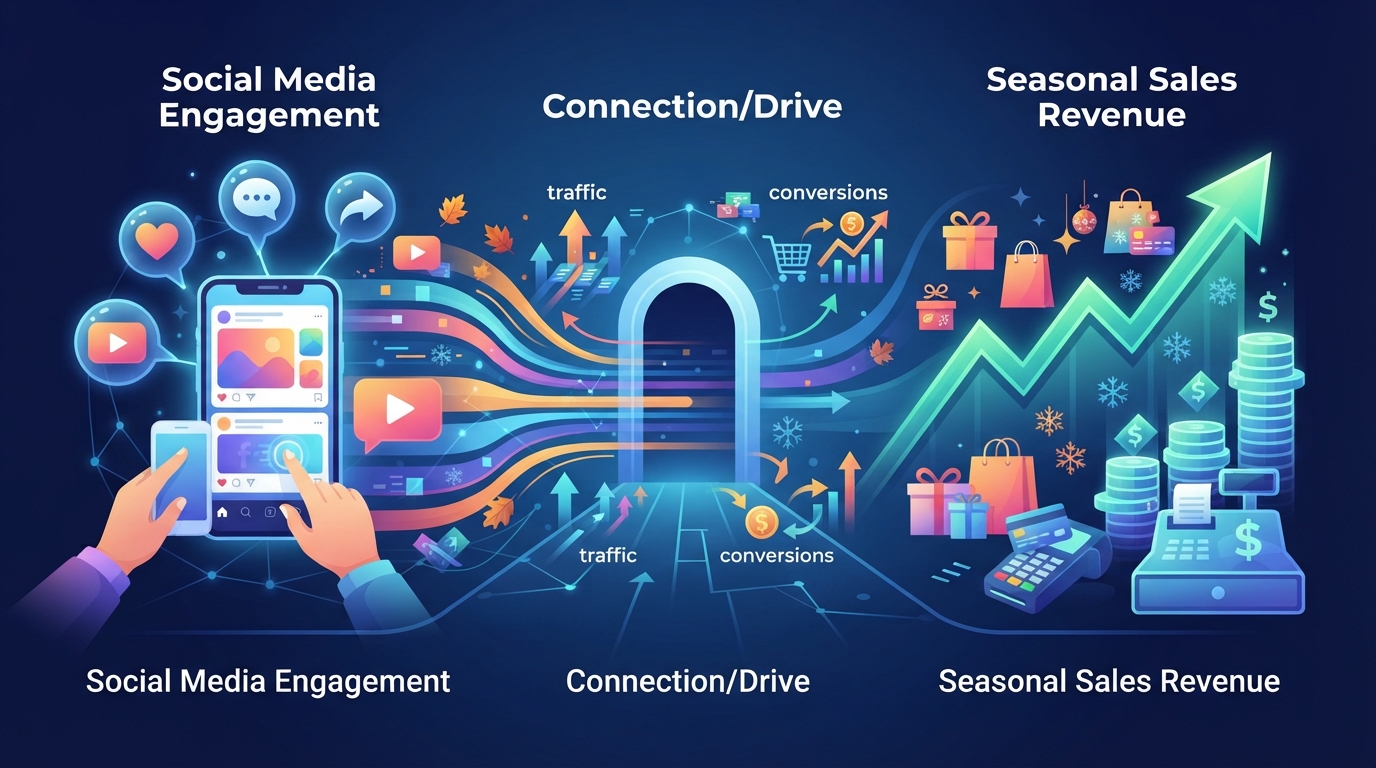
Social media platforms serve as powerful catalysts for expanding brand awareness and driving direct conversions during Seasonal Sales. However, standard organic posting rarely generates significant momentum due to restrictive algorithms. To truly leverage social media, brands must execute comprehensive strategies that combine influencer partnerships, user-generated content, and highly targeted paid social campaigns. Social commerce has fundamentally shifted how consumers discover and purchase promotional products.
When preparing your Seasonal Sales strategy, identify and partner with micro-influencers within your niche. Unlike massive celebrities, micro-influencers boast highly engaged, trusting communities. Provide these creators with exclusive discount codes and early access to your products. When they authentically review and promote your Seasonal Sales to their audience, you benefit from their established credibility. Consumers trust peer recommendations significantly more than traditional corporate advertising. Encourage these partners to create unboxing videos, styling tutorials, or product demonstrations that highlight the immense value of your current offer.
Additionally, incentivize your existing customer base to generate content on your behalf. Launch interactive social media contests encouraging followers to share photos of their past purchases using a branded hashtag. Feature this user-generated content directly on your product pages and within your social feeds. This strategy acts as powerful social proof, reassuring hesitant buyers that your brand delivers high-quality products. By transforming your audience into vocal brand advocates, you amplify the reach of your Seasonal Sales organically, driving high-quality referral traffic that converts at exceptional rates.
Harnessing Social Commerce Features
Major platforms now offer native shopping experiences. Integrate your product catalog directly into Instagram, TikTok, and Pinterest. This allows users to browse your Seasonal Sales and complete their purchases without ever leaving the social media application, drastically reducing friction and drop-off rates.
Real-Time Engagement and Community Management
During peak promotional events, your social media comment sections will flood with inquiries regarding shipping times, sizing, and product details. Dedicate resources to monitor these channels actively. Responding swiftly to comments and direct messages not only saves individual sales but also demonstrates exceptional customer service to everyone observing the interaction.
Common Mistakes to Avoid During Peak Shopping Seasons
Even the most established brands stumble when executing massive promotional events. Overlooking minor details in the planning phase inevitably leads to catastrophic revenue losses once the traffic spikes hit. Understanding these pitfalls allows your team to proactively build safety nets. If you want your Seasonal Sales to break company records, you must actively avoid the following critical errors.
- Failing to Stress-Test Site Speed: Assuming your website can handle 10x normal traffic without proper load testing always results in site crashes during the most critical buying windows.
- Implementing Overly Complex Discount Rules: Forcing customers to add specific items, reach exact thresholds, and manually type lengthy promo codes causes immense frustration and high cart abandonment.
- Neglecting Mobile Optimization: Launching beautiful desktop campaigns while ignoring the mobile user experience destroys conversions, as the majority of holiday traffic originates from smartphones.
- Ignoring Post-Purchase Communication: Going silent after capturing the sale leaves customers anxious about shipping times and drastically increases chargebacks and customer support tickets.
- Running Out of Packaging Supplies: Accurately forecasting product inventory while forgetting to order enough shipping boxes, tape, and internal packaging brings your fulfillment center to a grinding halt.
Expert Insights and Pro Tips for Seasonal Sales
Achieving exceptional results requires moving beyond basic marketing advice. Top-tier e-commerce brands utilize advanced psychological tactics and data-driven methodologies to squeeze every ounce of profit from their promotional windows. Implementing these expert-level strategies will separate your brand from competitors who rely entirely on basic percentage-off discounts to drive their Seasonal Sales.
- Leverage the Decoy Effect: Introduce a slightly inferior product at a similar price point to make your primary Seasonal Sales offer look like an undeniably spectacular deal.
- Implement Tiered Thresholds: Encourage shoppers to spend more by offering escalating rewards (e.g., “Spend $50 get 10% off, Spend $100 get 20% off, Spend $150 get a free gift”).
- Optimize for Local SEO: If you operate physical retail locations, aggressively update your Google Business profiles with specific Seasonal Sales hours and in-store exclusive promotions.
Utilize Heatmapping Software: Deploy tools like Hotjar or Crazy Egg weeks before the sale to identify exactly where users click, scroll, and drop off on your landing pages, allowing you to fix UX friction early.
Bundle Slow-Moving Inventory: Package your highly desired best-sellers together with stagnant, slow-moving products to clear out warehouse space while maintaining a high perceived value for the customer.
Post-Sale Strategies: Capitalizing on Seasonal Sales Momentum
The conclusion of your Seasonal Sales does not mark the end of your marketing efforts; rather, it signals the beginning of your customer retention phase. Most retailers focus entirely on acquiring new customers during peak periods, completely ignoring the massive potential for repeat business. If you fail to nurture the thousands of new shoppers you just acquired, you waste the incredible momentum generated by your promotional event. Developing robust Customer Retention Strategies ensures that your seasonal buyers evolve into profitable, year-round brand advocates.
Immediately following a purchase, your automated post-purchase email sequence must trigger. Do not simply send a generic receipt. Use this touchpoint to build excitement about the incoming product. Send educational content demonstrating how to use or care for the item. Provide clear, transparent updates regarding shipping and tracking information to preemptively reduce support tickets. By delivering an exceptional post-purchase experience, you eliminate buyer’s remorse and solidify a positive brand perception.
Once the customer receives their order, shift your focus toward generating reviews and encouraging a second purchase. Offer a smaller, evergreen discount specifically tailored to first-time buyers who convert during Seasonal Sales. Invite them to join your loyalty program, highlighting the exclusive perks and points they can earn on future orders. Retarget them with ads featuring complementary products that match their initial purchase. By continuously delivering value long after the initial discount expires, you maximize the lifetime value of every customer acquired during your peak promotional periods, ensuring sustainable, long-term business growth.
Implementing Win-Back Campaigns
Not every seasonal buyer will return immediately. Set up automated win-back campaigns designed to trigger 60, 90, and 120 days after their initial purchase. Use dynamic product recommendations and highly personalized messaging to remind them why they loved your brand in the first place, gently nudging them back into your purchasing ecosystem.
Analyzing and Debriefing
Once the dust settles, gather your entire team for a comprehensive debriefing session. Analyze which traffic sources generated the highest ROI, which products sold out fastest, and where your operational bottlenecks occurred. Documenting these insights provides an invaluable blueprint that guarantees your next Seasonal Sales perform even better.
Success in modern retail requires much more than simply slashing prices. It demands strategic foresight, flawless execution, and an unwavering commitment to the customer experience. By thoroughly preparing your inventory, launching hyper-targeted omnichannel campaigns, and prioritizing long-term retention, you transform standard promotional windows into massive growth catalysts for your brand.
Executing highly profitable Seasonal Sales requires a harmonious blend of technical website optimization, persuasive consumer psychology, and meticulous inventory planning. By implementing these advanced marketing strategies and avoiding common fulfillment pitfalls, retailers can consistently break revenue records. Ultimately, utilizing these peak periods effectively allows businesses to acquire massive new audiences and build lasting, profitable customer relationships.
1. What are Seasonal Sales?
Seasonal Sales represent specific, time-bound promotional periods where retailers offer discounts and special deals aligned with holidays, cultural events, or seasonal transitions. Businesses utilize these events to clear out older inventory, rapidly boost short-term revenue, and aggressively acquire new customers who are actively looking for limited-time bargains.
2. How far in advance should I plan my promotional campaigns?
Brands should begin planning major Seasonal Sales at least three to four months in advance. This extensive lead time allows supply chain managers to secure necessary inventory, gives marketing teams time to develop and test creative assets, and ensures web developers can properly load-test server infrastructure before traffic spikes occur.
3. Which marketing channel delivers the highest return during peak sales?
While results vary by industry, email marketing consistently delivers the highest return on investment during Seasonal Sales. Because brands own their email lists, they do not pay per impression or click. Sending highly segmented, personalized offers to an engaged subscriber base drives massive conversions with minimal overhead costs.
4. How do I prevent my website from crashing during traffic spikes?
Preventing crashes requires proactive technical optimization. Developers must upgrade server capacities, implement robust Content Delivery Networks (CDNs) to distribute load, and compress all media files. Additionally, running simulated load tests weeks before the Seasonal Sales begin identifies hidden bottlenecks in the site architecture.
5. Should I offer flat discounts or tiered promotions?
Tiered promotions generally yield better results for maximizing revenue. While a flat 20% discount attracts buyers, a tiered structure (e.g., “Spend $100 get 15% off, Spend $200 get 25% off”) mathematically incentivizes shoppers to add more items to their carts, drastically increasing your Average Order Value during Seasonal Sales.
6. What is the best way to handle abandoned carts during a sale?
Address abandoned carts by deploying automated email and SMS sequences. Trigger the first message within one hour of abandonment, emphasizing the urgency of the active Seasonal Sales discount. Follow up 12 to 24 hours later with a final reminder. Including images of the exact abandoned products significantly increases the recovery rate.
7. How can small businesses compete with massive retailers during peak times?
Small businesses must compete on agility, customer service, and community rather than purely on price. Highlighting unique product quality, offering personalized shopping experiences, leveraging local SEO, and running targeted micro-influencer campaigns allow smaller brands to capture highly dedicated audiences during massive Seasonal Sales.
8. What metrics should I track to measure promotional success?
Beyond gross revenue, marketers must closely track Conversion Rate, Average Order Value (AOV), and Customer Acquisition Cost (CAC). Additionally, monitoring the Return on Ad Spend (ROAS) and email click-through rates helps businesses determine exactly which campaigns drove the most profitable traffic during the Seasonal Sales.
9. How do I retain customers acquired during a massive discount event?
Retention requires an exceptional post-purchase experience. Send automated tracking updates, provide valuable product education, and follow up with a personalized invitation to join your brand’s loyalty program. Offering a small, exclusive discount for their next purchase encourages seasonal buyers to return at full price later.
10. Can Seasonal Sales damage my brand’s perceived value?
Yes, running discounts too frequently trains consumers to wait for sales, ultimately degrading brand equity. To protect your brand’s prestige, limit massive Seasonal Sales to a few specific times per year. Frame the discounts as exclusive rewards for loyal customers rather than desperate attempts to move cheap inventory.
Conclusion
Executing highly profitable Seasonal Sales requires a harmonious blend of technical website optimization, persuasive consumer psychology, and meticulous inventory planning. By implementing these advanced marketing strategies, retailers can consistently break revenue records and build lasting customer relationships. Ready to scale your next big promotion? Start optimizing your store today and watch your conversions soar.
FAQ
1. What is the difference between flash sales and seasonal sales?
While flash sales are sudden, short-term promotions lasting only a few hours to create immediate panic-buying, Seasonal Sales are predictable, extended events tied to specific times of the year, such as Black Friday or summer clearances. These seasonal events require extensive inventory forecasting and prolonged marketing buildup to successfully attract more customers.
2. How much should I discount my products during a seasonal sale?
Your discount percentages must carefully balance consumer appeal with your baseline profit margins, typically falling between 15% and 30%. Instead of relying on massive flat-rate discounts during your Seasonal Sales, consider utilizing tiered pricing, buy-one-get-one offers, or strategic product bundles to protect your profitability while simultaneously increasing the average order value.
3. Are seasonal sales effective for service-based businesses?
Yes, service-based businesses can generate massive revenue spikes using Seasonal Sales. By offering limited-time annual subscriptions, discounted retainer packages, or specialized holiday services, consultants and agencies can capitalize on peak spending periods to secure long-term contracts and improve immediate cash flow.
4. When should I start running ads for my seasonal sales?
You should launch your top-of-funnel awareness campaigns at least three to four weeks before your Seasonal Sales officially begin. This crucial pre-launch phase helps you capture email leads and build highly engaged retargeting audiences, ensuring you have a massive pool of warm prospects ready to buy the moment your discounts go live.
5. How do you forecast inventory demand for peak shopping periods?
To accurately forecast inventory for Seasonal Sales, thoroughly analyze your historical sales data from previous years, current market trends, and your baseline year-over-year growth rate. Leveraging automated inventory management software allows you to predict demand spikes accurately, ensuring you stock enough best-sellers to maximize revenue without tying up capital in dead stock.