
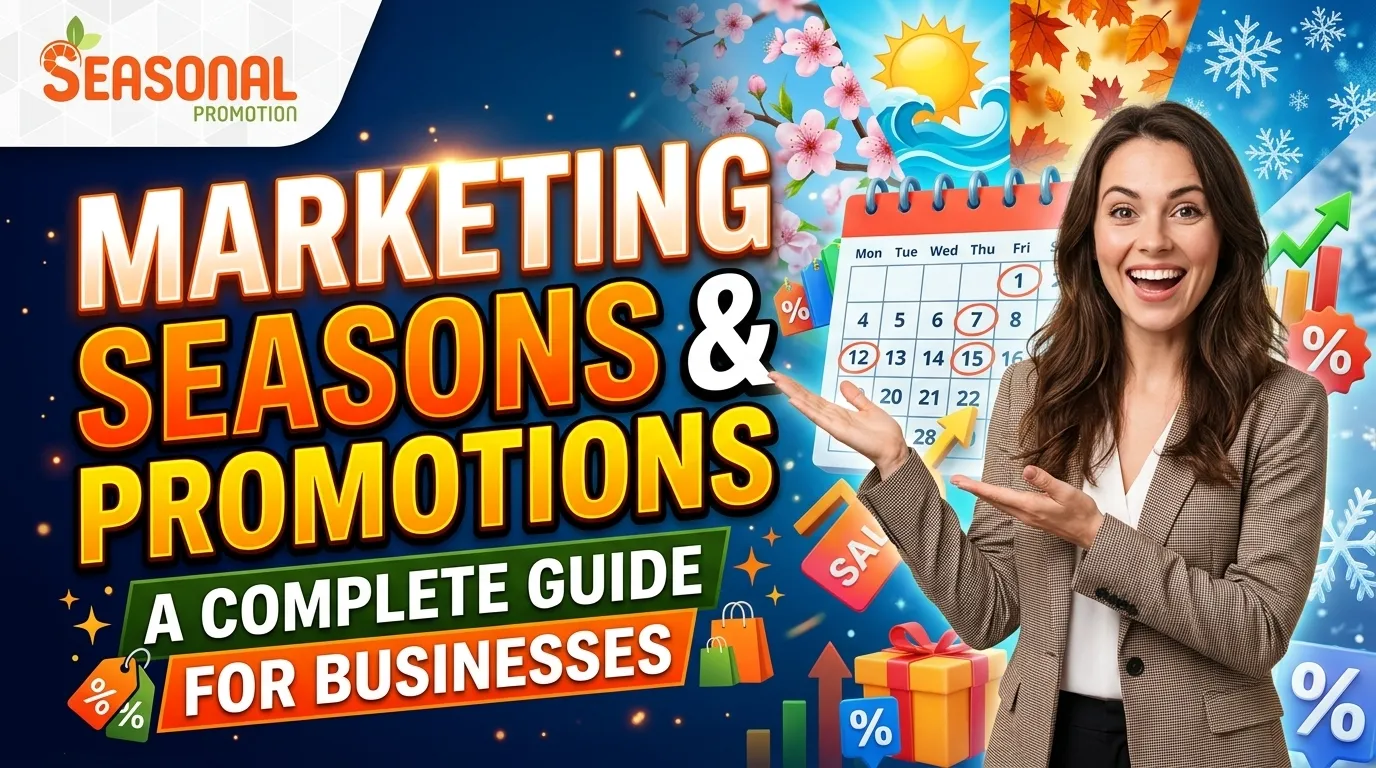
Marketing seasons and promotions give businesses valuable opportunities to connect with customers, increase sales, and strengthen brand awareness throughout the year. From holiday marketing ideas to seasonal discounts and festive campaigns, a well-planned marketing strategy helps businesses reach the right audience at the right time. By understanding seasonal trends, creating relevant promotional messages, and maintaining a consistent marketing calendar, companies can attract new customers, encourage repeat purchases, and achieve sustainable growth.
Seasonal Marketing Strategies
Seasonal marketing strategies help businesses align their promotional activities with changing customer needs, shopping habits, and important times of the year. These strategies may focus on spring sales, summer shopping, back-to-school periods, winter holidays, or local festivals. By understanding when customers are most likely to purchase specific products or services, businesses can develop campaigns that feel timely, relevant, and valuable.
An effective seasonal strategy begins with audience research and historical sales analysis. Businesses should identify their busiest periods, understand customer preferences, and determine which products or services are most suitable for each season. For example, a clothing retailer might promote lightweight outfits during summer, while a travel company could highlight vacation packages before major holiday periods. Combining email marketing, social media, paid advertising, and website promotions can help businesses reach customers across multiple channels. Companies can also explore the benefits of digital marketing to understand how digital channels support targeted campaigns, measurable results, and stronger customer engagement.
Seasonal Promotional Campaigns
Seasonal promotional campaigns are designed to generate interest and encourage customers to take action during specific periods. These campaigns can include limited-time offers, product launches, themed content, exclusive bundles, and special shopping events. When the campaign matches the audience’s needs and the season’s atmosphere, it becomes easier for businesses to capture attention and motivate purchasing decisions.
Successful campaigns require more than attractive discounts. Businesses should create a consistent message that communicates the offer, its benefits, and the deadline for participation. For example, a restaurant could introduce a seasonal menu, while an online store might offer a limited-time bundle featuring popular products. Campaign messaging should remain consistent across email newsletters, landing pages, advertisements, and social media posts. For more ideas on crafting compelling promotional messages, businesses can refer to this event marketing messaging guide, which is relevant when planning event-based promotions and engagement-focused campaigns.
Holiday Marketing Ideas
 Holiday marketing ideas help businesses take advantage of periods when customers are actively searching for gifts, experiences, decorations, food, clothing, and special offers. Depending on the audience and market, opportunities may include New Year celebrations, Valentine’s Day, Eid, Easter, Mother’s Day, Halloween, Black Friday, Christmas, and regional cultural festivals. Selecting holidays that genuinely matter to the target audience helps brands create more meaningful campaigns through effective Marketing Seasons & Promotions.
Businesses can make holiday promotions more engaging by developing gift guides, festive product collections, themed email campaigns, personalized recommendations, and interactive social media content. For example, a beauty brand might promote gift sets before Valentine’s Day, while a home décor retailer could feature festive decorations ahead of major celebrations. These holiday marketing ideas become more effective when supported by well-planned Marketing Seasons & Promotions that connect with customer interests and encourage engagement.
It is important to prepare these campaigns early because customers often research purchases before the holiday itself. Brands should also consider cultural preferences, local traditions, and inclusive messaging to ensure that their promotions feel authentic rather than purely sales-driven. By incorporating Marketing Seasons & Promotions into their annual planning, businesses can create relevant holiday campaigns, strengthen customer relationships, and improve promotional results.
Seasonal Sales and Discounts
Seasonal sales and discounts can attract new customers, increase order values, and help businesses manage inventory during changing demand periods. Common approaches include end-of-season clearance sales, holiday discounts, early-bird offers, flash sales, and special bundles. When implemented strategically, these promotions can encourage customers to purchase while supporting broader business objectives.
However, offering discounts too frequently may reduce profit margins and teach customers to wait for lower prices. Businesses should calculate product costs, expected sales volume, and promotional expenses before setting discount levels. Instead of reducing prices across an entire product range, companies can offer discounts on selected items, reward loyal customers, or create bundles that increase average order value. Clear terms and conditions are equally important because customers should understand the offer’s duration, eligibility, and limitations. A carefully planned promotional budget helps businesses balance customer incentives with profitability.
Marketing Calendar for Businesses
A marketing calendar for businesses provides a structured overview of campaigns, seasonal opportunities, content publication dates, and promotional deadlines throughout the year. It helps teams coordinate activities, allocate resources, and avoid last-minute planning. Without a calendar, businesses may miss important seasonal opportunities or launch campaigns before they are adequately prepared.
Creating a useful calendar begins with identifying major holidays, industry events, product launches, customer purchasing cycles, and local occasions. Businesses can then assign campaign themes, deadlines, budgets, and responsibilities to each activity. For example, a retailer might begin planning its year-end campaign several months in advance, prepare creative materials weeks before launch, and schedule advertisements and email reminders closer to the promotion date. A flexible calendar should also leave room for unexpected trends and emerging opportunities. Businesses looking to improve resource allocation can use this marketing budgeting, planning, and optimizing spend guide to support more organized campaign planning and spending decisions.
Festive Marketing Campaigns
 Festive marketing campaigns use the excitement and emotional significance of celebrations to build stronger relationships between brands and customers. These campaigns often focus on togetherness, generosity, gratitude, celebration, and memorable experiences. By connecting a product or service with the emotions associated with a festival, businesses can create campaigns that are more engaging than ordinary sales messages.
An effective festive campaign combines relevant visuals, meaningful storytelling, and a clear promotional offer. Businesses might create festive packaging, launch limited-edition products, share customer stories, or organize giveaways and community activities. Restaurants can introduce celebration menus, while e-commerce brands can offer curated gift collections. Social media challenges and user-generated content can also encourage customers to participate and share their experiences. For the best results, brands should maintain a consistent visual identity and adapt their messaging to the cultural context of each celebration. Authenticity is essential because customers are more likely to respond positively when campaigns demonstrate genuine understanding and respect.
Seasonal Advertising Strategies
Seasonal advertising strategies help businesses reach potential customers when interest in particular products or services increases. These strategies can include paid search advertising, social media ads, display campaigns, influencer partnerships, video advertising, and retargeting. The objective is to deliver relevant messages to the right audience while making efficient use of the advertising budget.
Timing plays an important role in seasonal advertising. Businesses should begin building awareness before peak demand, increase promotional activity as the buying period approaches, and adjust campaigns according to performance. For example, a travel agency could advertise holiday packages several weeks before the expected booking rush. Meanwhile, a retailer might use retargeting ads to reconnect with visitors who viewed products but did not complete a purchase. Businesses should monitor metrics such as click-through rates, conversion rates, customer acquisition costs, and return on advertising spend. A well-developed social media marketing strategy guide can also help businesses coordinate social campaigns with broader seasonal advertising objectives.
Special Occasion Promotions
Special occasion promotions allow businesses to connect with customers around birthdays, anniversaries, graduations, weddings, business milestones, and other meaningful events. Unlike broad seasonal campaigns, these promotions can be tailored to specific customer interests or life events, making them feel more personal and relevant.
Businesses can use loyalty programs, opt-in email campaigns, personalized product recommendations, and exclusive offers to recognize special occasions. For instance, a salon might provide a birthday discount to subscribed customers, while a retailer could offer customized gift suggestions for anniversaries. Personalization should always respect customer privacy and communication preferences. Businesses should also ensure that promotional terms are easy to understand and that customers have sufficient time to redeem their offers. By making special occasions easier to celebrate, brands can encourage repeat purchases and build stronger long-term relationships.
Year-Round Marketing Strategies
Although seasonal campaigns can produce significant short-term results, year-round marketing strategies are essential for maintaining consistent brand visibility and customer engagement. Businesses that rely exclusively on holidays and major sales periods may experience unpredictable revenue and struggle to maintain relationships with customers between campaigns.
A balanced marketing approach combines seasonal promotions with ongoing activities such as educational content, search engine optimization, email newsletters, community engagement, loyalty programs, and customer support. For example, a fitness business might promote New Year memberships while continuing to publish workout advice and wellness content throughout the year. Similarly, an online store can combine holiday discounts with product education, customer reviews, and personalized recommendations. Maintaining a consistent presence helps customers remember the brand even when they are not actively shopping. Businesses should regularly review campaign results and use customer feedback to improve future marketing activities.
Seasonal Marketing Trends
Seasonal marketing trends continue to evolve as customer expectations, digital platforms, and purchasing behaviors change. Personalization, short-form video, influencer collaborations, mobile shopping, interactive content, and AI-assisted marketing tools are increasingly useful ways to deliver timely messages and improve campaign efficiency. Businesses that understand these developments can use Marketing Seasons & Promotions to create campaigns that better match how their audiences discover and evaluate products.
Another important trend is the growing expectation for authentic, convenient, and relevant brand experiences. Customers may respond positively to personalized recommendations, useful seasonal guides, transparent offers, and campaigns that reflect their values. Businesses can also use analytics to identify popular products, predict demand, and determine which promotional channels perform best. By adapting Marketing Seasons & Promotions to customer preferences, companies can create more relevant and engaging brand experiences.
However, adopting every new trend is not necessary. Companies should evaluate whether a tactic suits their audience, budget, and business goals before investing in it. Testing different creative formats, monitoring performance, and refining campaigns based on reliable data can help businesses remain competitive without unnecessary spending. A well-planned Marketing Seasons & Promotions strategy allows businesses to embrace useful trends while maintaining consistent brand messaging and long-term marketing objectives.
Conclusion
Marketing seasons and promotions provide businesses with opportunities to connect with customers, improve visibility, and increase sales throughout the year. From seasonal marketing strategies and festive campaigns to targeted advertising and personalized special occasion offers, every activity benefits from careful planning and a clear understanding of customer needs. By building a reliable marketing calendar, managing budgets effectively, and measuring campaign performance, businesses can make seasonal promotions more profitable while maintaining consistent customer relationships. The strongest results come from combining timely campaigns with a year-round marketing strategy that supports long-term growth.
FAQ
1. What is seasonal marketing?
Seasonal marketing is a marketing approach that aligns campaigns, products, and promotions with particular seasons, holidays, festivals, or recurring customer purchasing patterns. Marketing Seasons & Promotions helps businesses reach customers when their interests and buying needs are especially relevant.
2. Why is seasonal marketing important for businesses?
Marketing Seasons & Promotions helps businesses increase brand awareness, attract potential customers, improve sales, and create timely promotional messages. It can also help companies respond to changing demand and make better use of important shopping periods.
3. What are some examples of seasonal marketing campaigns?
Examples include summer sales, back-to-school promotions, Valentine’s Day gift campaigns, Eid offers, Black Friday discounts, Christmas gift guides, and seasonal product launches. Marketing Seasons & Promotions can make these campaigns more effective when they reflect the audience’s interests and local buying habits.
4. How do I create a seasonal marketing strategy?
Start by researching your audience, reviewing previous sales data, identifying important seasonal dates, and setting measurable goals. Marketing Seasons & Promotions should include suitable marketing channels, well-prepared promotional content, an established budget, and regular campaign performance monitoring.
5. When should businesses start planning seasonal promotions?
Businesses should ideally begin planning several weeks or months before major promotional periods, depending on campaign complexity. Marketing Seasons & Promotions requires sufficient time for inventory planning, advertising, creative production, and logistics, especially during major holidays.
6. How can small businesses benefit from seasonal promotions?
Small businesses can use targeted social media campaigns, email offers, local partnerships, themed product bundles, and loyalty rewards to attract customers. Marketing Seasons & Promotions can be particularly effective for small businesses when they focus on a specific audience and maintain a manageable budget.
7. Which marketing channels work best for seasonal campaigns?
Email marketing, social media, search advertising, content marketing, influencer partnerships, and website promotions can all support seasonal campaigns. Marketing Seasons & Promotions works best when businesses select channels according to their target audience, product, campaign objectives, and available budget.
8. How can businesses measure the success of seasonal marketing?
Businesses can measure results using sales revenue, conversion rates, website traffic, engagement, customer acquisition costs, average order value, and return on advertising spend. Marketing Seasons & Promotions becomes more effective when businesses compare current results with previous campaigns and identify opportunities for improvement.
9. How can businesses avoid overspending on seasonal advertising?
Businesses should establish a budget, prioritize high-performing channels, define campaign goals, and monitor spending regularly. Marketing Seasons & Promotions can reduce unnecessary expenses when businesses test smaller campaigns before increasing their advertising investment.
10. What is the difference between seasonal marketing and year-round marketing?
Seasonal marketing focuses on specific periods, such as holidays, festivals, and seasonal shopping cycles. Year-round marketing maintains ongoing brand visibility and customer engagement through activities such as content creation, SEO, email marketing, and loyalty programs. Marketing Seasons & Promotions combines timely promotional opportunities with consistent marketing activities to help businesses achieve immediate sales opportunities and long-term growth.