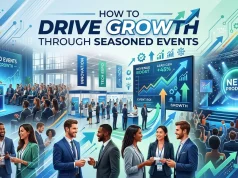

Event lead generation is the process of attracting potential customers through events and turning attendee interactions into qualified business opportunities. A well-planned strategy can help businesses capture valuable contact information, build relationships, and improve conversions through effective follow-up and lead nurturing.
Events provide businesses with a unique opportunity to meet potential customers, build relationships, demonstrate products, and create new sales opportunities. Whether it is a trade show, business conference, networking event, webinar, seminar, or corporate gathering, the people attending these events are often actively interested in a particular industry, service, or solution. This makes events an important channel for businesses that want to connect with relevant prospects.
However, simply participating in an event does not automatically generate valuable business leads. Companies need a structured approach to attract the right audience, engage attendees, collect their information, and continue the conversation after the event. This is where event lead generation becomes important.
A successful event lead generation strategy connects marketing, sales, networking, technology, and follow-up into one process. When these elements work together, businesses can turn event conversations into qualified prospects and, eventually, paying customers.
What Is Event Lead Generation?
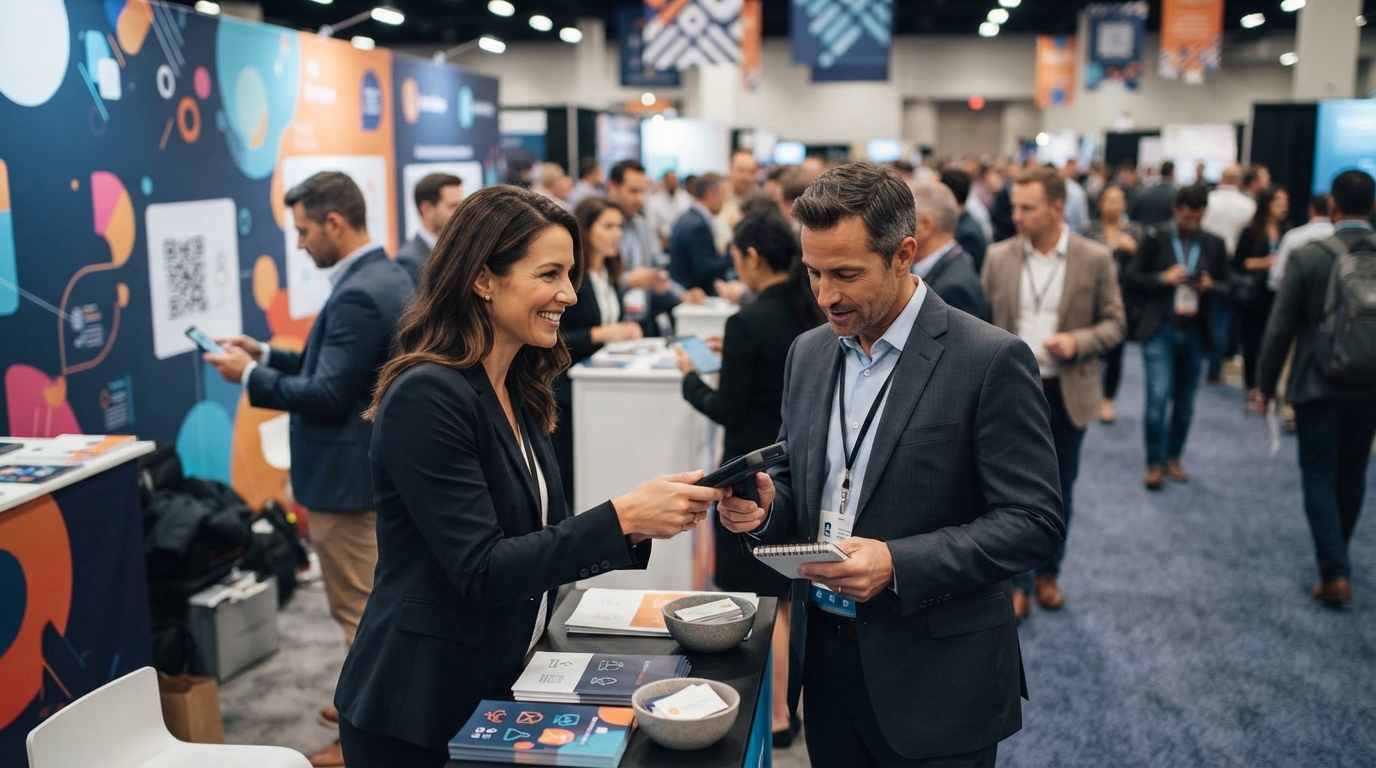
Event lead generation is the process of attracting potential customers and collecting their contact information and business details through an event. The process can begin before the event takes place and continue long after the event has ended.
For example, a company may promote an upcoming conference through social media and email marketing. Interested people register for the event through a landing page, providing information about themselves and their business. During the event, representatives can speak with attendees, understand their challenges, and determine whether they may be interested in the company’s products or services. After the event, the company can follow up with relevant information and continue building the relationship.
This makes event lead generation much more than simply collecting names and email addresses. The real objective is to identify people who have a genuine connection with the business and may eventually become customers.
Why Event Lead Generation Matters for Businesses
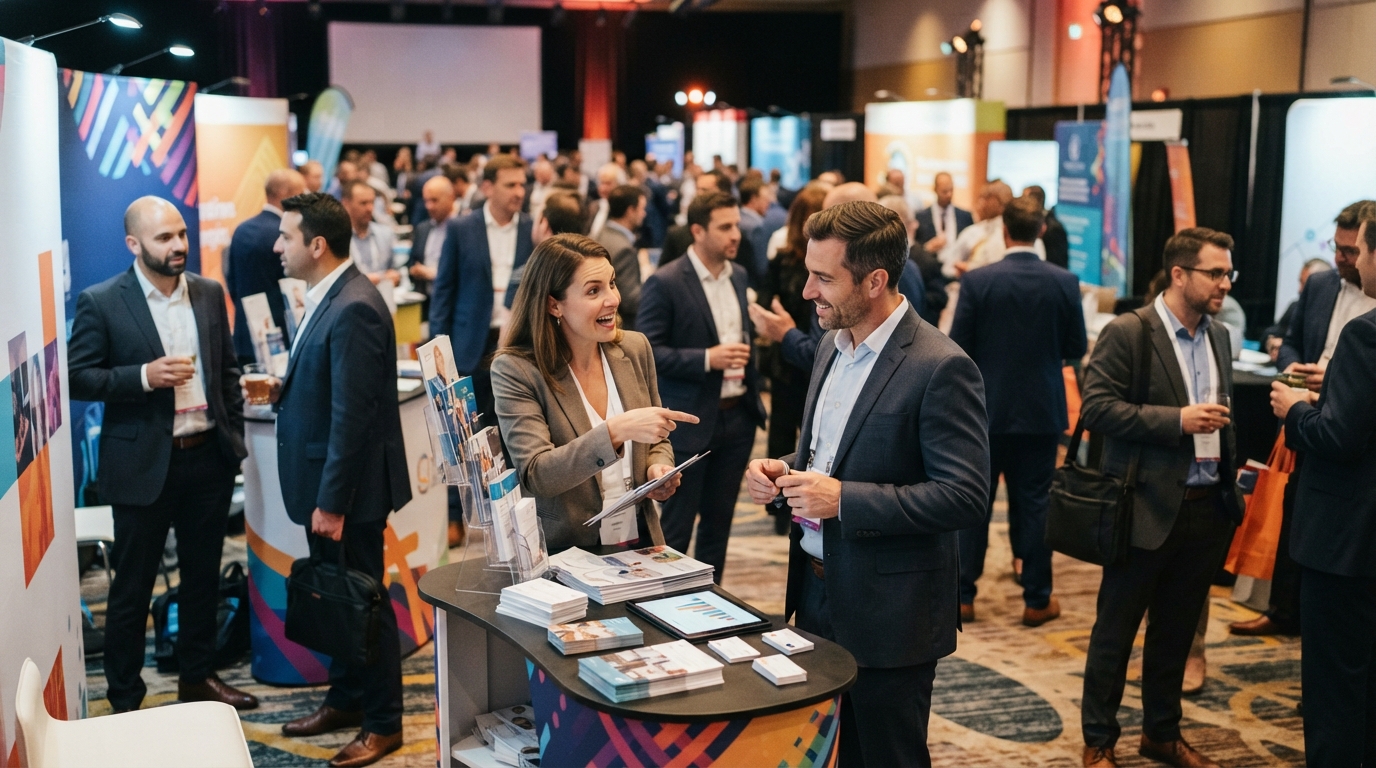
Events offer something that many other marketing channels cannot provide: direct human interaction. A website visitor may spend only a few seconds on a webpage, while an event attendee may spend several minutes speaking with a representative, watching a product demonstration, or attending a presentation.
These interactions can provide valuable insights into what potential customers need. Sales and marketing teams can ask questions, understand business challenges, explain solutions, and establish trust in a way that is difficult to replicate through a standard online advertisement.
Effective lead generation for events also allows businesses to create a more personalized customer journey. Instead of treating every attendee as the same, companies can understand individual interests and tailor their follow-up communication accordingly.
The quality of the leads is also important. An event may attract hundreds or thousands of people, but only a portion of them may fit the company’s target market. A good strategy focuses on identifying those relevant prospects and giving sales teams the information they need to continue the conversation.
Developing an Effective Event Lead Generation Strategy

A strong event lead generation strategy begins before the event itself. Businesses should first understand who they want to attract and what they want to achieve from the event. Without clear goals, it becomes difficult to determine whether an event has actually produced meaningful results.
For example, a software company attending a technology conference may want to generate product demo requests from decision-makers. A consulting company may instead want to arrange meetings with business owners who are experiencing specific operational challenges.
Once the target audience is clear, the company can create messaging and promotional campaigns specifically for those people. Event landing pages, email campaigns, social media content, advertisements, and industry partnerships can all be used to generate interest before the event begins.
Pre-event marketing is especially important because it gives businesses an opportunity to build awareness before attendees arrive. Instead of waiting for people to discover a company at the event, businesses can encourage prospects to visit their booth, attend their presentation, schedule a meeting, or participate in a demonstration.
Improving Event Lead Capture
At the event itself, businesses need an efficient approach to event lead capture. The goal is to collect useful information without making the process complicated for attendees.
Traditional methods such as collecting business cards can still work, but digital lead capture has made the process considerably easier. Attendees can scan a QR code, complete a digital form, register for a demonstration, or share their information through an event application.
The information collected should be relevant to the sales process. Basic contact information may be enough in some cases, while other businesses may need information about a prospect’s company, job position, interests, challenges, or purchasing requirements.
The most important consideration is to make the process convenient. If an attendee is required to complete a long and complicated form, they may decide not to provide their information. A simple experience can encourage more people to engage while still providing the business with useful information.
The Role of Event Marketing in Lead Generation
Event marketing lead generation should not stop when the event begins. It should cover the entire customer journey, starting with awareness and continuing through post-event communication.
Before the event, businesses can use content and promotional campaigns to attract relevant prospects. During the event, they can use presentations, demonstrations, networking sessions, and interactive experiences to encourage engagement.
After the event, marketing teams can continue communicating with attendees through email campaigns, educational content, case studies, webinars, or personalized offers. This creates a continuous marketing process rather than treating the event as a single isolated activity.
Businesses can also use information gathered during the event to segment their audience. Someone who requested a product demonstration may receive different communication from someone who simply downloaded an informational resource. This level of personalization can make post-event marketing more relevant.
Using Technology for Event Lead Capture
Technology plays an increasingly important role in modern event lead generation. Event lead capture tools can help businesses collect attendee information, organize leads, track interactions, and transfer data into customer relationship management systems.
Digital forms, QR codes, event applications, CRM integrations, marketing automation platforms, and scheduling tools can all help reduce manual work. Instead of collecting information on paper and entering it into a database later, teams can often send lead information directly into their marketing or sales system.
Technology can also make it easier to understand attendee behavior. For example, businesses may be able to identify which attendees visited a booth, attended a particular presentation, downloaded content, or requested additional information.
The value of these tools depends on how effectively the business uses the information. Technology should support the lead generation process rather than replace meaningful conversations with potential customers.
B2B Event Lead Generation
B2B event lead generation can be particularly valuable because business events often bring together decision-makers, industry professionals, buyers, and other people with influence over purchasing decisions.
B2B sales cycles can be longer than consumer purchases, which means the first interaction at an event may not immediately result in a sale. Instead, the event can become the starting point for a longer business relationship.
Sales representatives should focus on understanding a prospect’s business situation rather than immediately delivering a sales pitch. Asking relevant questions can reveal whether the prospect has a problem that the company’s product or service can solve.
The information collected during these conversations can then be used by the sales team to create more personalized follow-up communication. A prospect who discussed a specific business challenge is more likely to respond positively to a follow-up message that directly addresses that challenge.
Turning Event Registration Into Lead Generation
Event registration lead generation begins before attendees arrive. The registration process provides businesses with an early opportunity to understand who is interested in the event.
A well-designed registration page should clearly explain why someone should attend and what they can expect to gain from the event. The messaging should focus on the value provided to attendees rather than simply describing the event.
Registration forms can also help businesses gather information that can later be used for segmentation. For example, knowing an attendee’s industry or job role can help marketers provide more relevant content before and after the event.
The registration stage can therefore become the first step in a larger lead generation funnel. Someone who registers becomes an identifiable prospect, and their engagement with the event can provide additional information about their level of interest.
Event Networking and Lead Generation
Strong event networking and lead generation often go hand in hand. While digital tools are useful for collecting information, personal conversations remain one of the most valuable parts of an event.
Effective networking is not simply about speaking to as many people as possible. It is about having meaningful conversations with people who may have a genuine interest in the business.
Representatives can ask attendees about their current challenges, business goals, or reasons for attending the event. These conversations can help determine whether there is a potential business opportunity.
Networking can also build relationships that may not produce an immediate sale. Someone who is not ready to buy today may become a customer several months later. Maintaining a professional relationship after the event can keep the company connected with that potential customer.
Event Attendee Lead Generation and Qualification
Not every attendee should be treated as a sales-ready lead. Event attendee lead generation becomes more effective when businesses have a process for qualifying prospects.
A person who provides an email address may simply be interested in receiving information. Another attendee may actively request a product demonstration and discuss their purchasing timeline. These two people have different levels of buying intent and should receive different follow-up.
Lead qualification allows marketing and sales teams to prioritize their time. High-interest prospects can receive direct sales attention, while people who are still researching can enter an educational marketing campaign.
This approach helps prevent sales teams from spending too much time on contacts that are unlikely to become customers while ensuring that promising opportunities receive timely attention.
The Importance of Event Lead Nurturing
Generating a lead is only the beginning. Event lead nurturing is what helps businesses develop relationships with prospects after the event.
Many attendees are not ready to make a purchasing decision immediately. They may need more information, internal approval, additional research, or time to compare different solutions.
A strong nurturing strategy keeps the business connected without overwhelming the prospect. Follow-up emails can provide useful resources, answer questions, share case studies, introduce relevant products, or invite prospects to another useful event.
The communication should reflect the prospect’s previous interaction with the business. Someone who attended a product demonstration should not receive the same message as someone who only visited the event booth.
Personalized follow-up demonstrates that the company understands the prospect’s interests and can make future conversations more productive.
Measuring the Success of Event Lead Generation
Businesses should measure the performance of their event lead generation efforts to understand whether their investment is producing meaningful results.
The number of contacts collected is useful, but it should not be the only measurement. Businesses should also examine how many leads were qualified, how many sales meetings were created, how many opportunities entered the sales pipeline, and how many leads eventually became customers.
Comparing these results with event costs can provide a clearer understanding of the overall return on investment.
For example, an event that produces fewer leads but several high-value sales opportunities may have a very different business impact from an event that produces thousands of low-quality contacts.
Tracking the complete customer journey helps businesses identify which events, campaigns, and engagement methods are contributing to actual business growth.
Conclusion
Effective event lead generation is a combination of strategic planning, meaningful engagement, efficient lead capture, and consistent follow-up. Businesses should think about the entire process rather than focusing only on what happens at the event itself.
From promoting the event and optimizing registration to creating valuable conversations and using digital lead capture tools, every stage can contribute to generating better-quality prospects. After the event, personalized follow-up and lead nurturing can help turn those prospects into long-term customers.
The most successful approach is to treat an event as the beginning of a relationship rather than the end of a marketing campaign. When businesses understand their audience, create meaningful interactions, capture relevant information, and continue the conversation after the event, they can create a more effective and sustainable lead generation process.