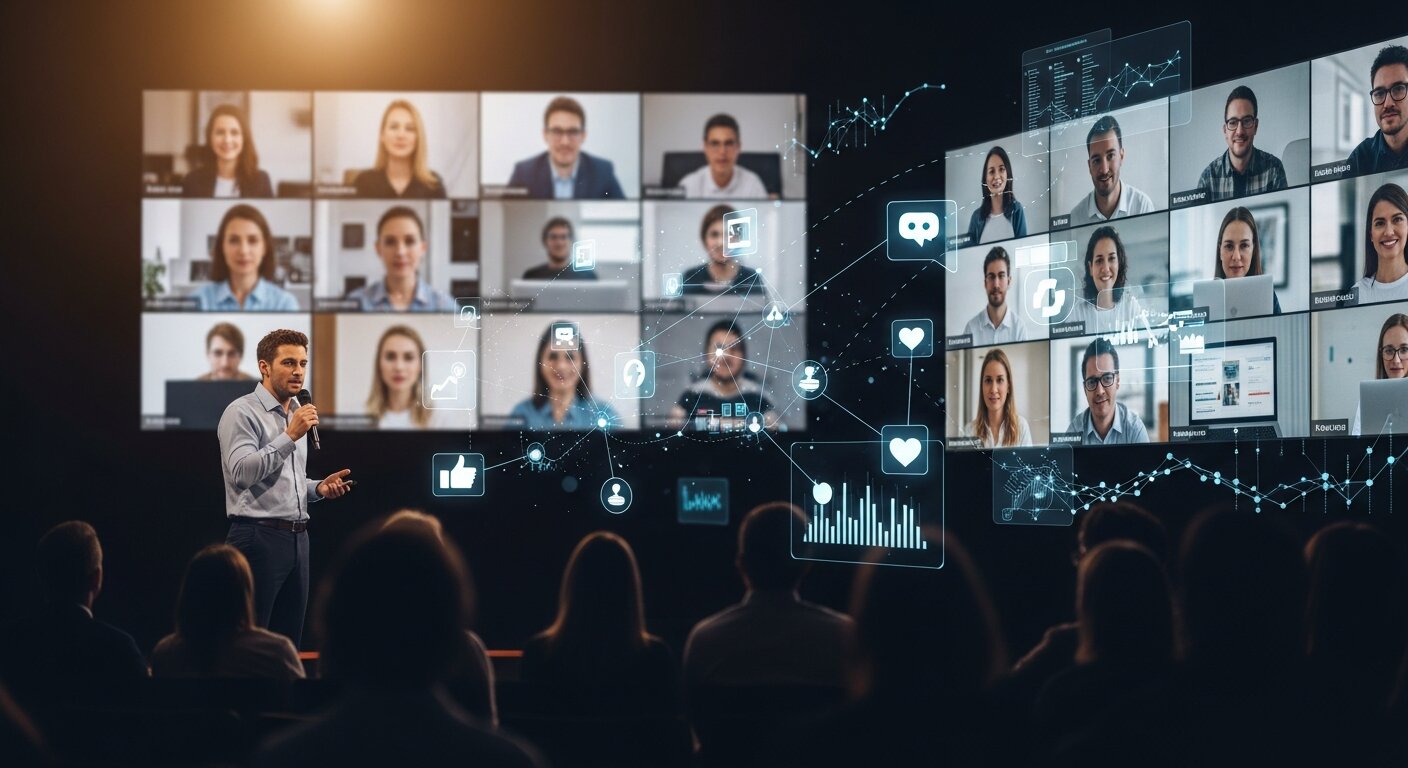
Organizing an event that caters to both a live audience and a remote audience requires a delicate balancing act. You are essentially running two different experiences simultaneously. Without a clear plan, you risk alienating one group while favoring the other. A well-crafted hybrid event strategy ensures that both physical and virtual attendees feel equally valued and engaged.
The shift toward hybrid formats has fundamentally changed how organizations share information and build communities. By combining the tangible energy of a physical gathering with the limitless reach of a digital broadcast, companies can expand their audience globally. This approach maximizes return on investment and provides valuable flexibility for attendees who cannot travel.
This guide explores everything you need to know to build a successful hybrid event strategy. We will cover comprehensive planning techniques, technology solutions, marketing tactics, and actionable engagement strategies. By the end of this post, you will have a clear roadmap for designing an unforgettable dual-audience experience that drives measurable results.
A Comprehensive Hybrid Event Planning Guide
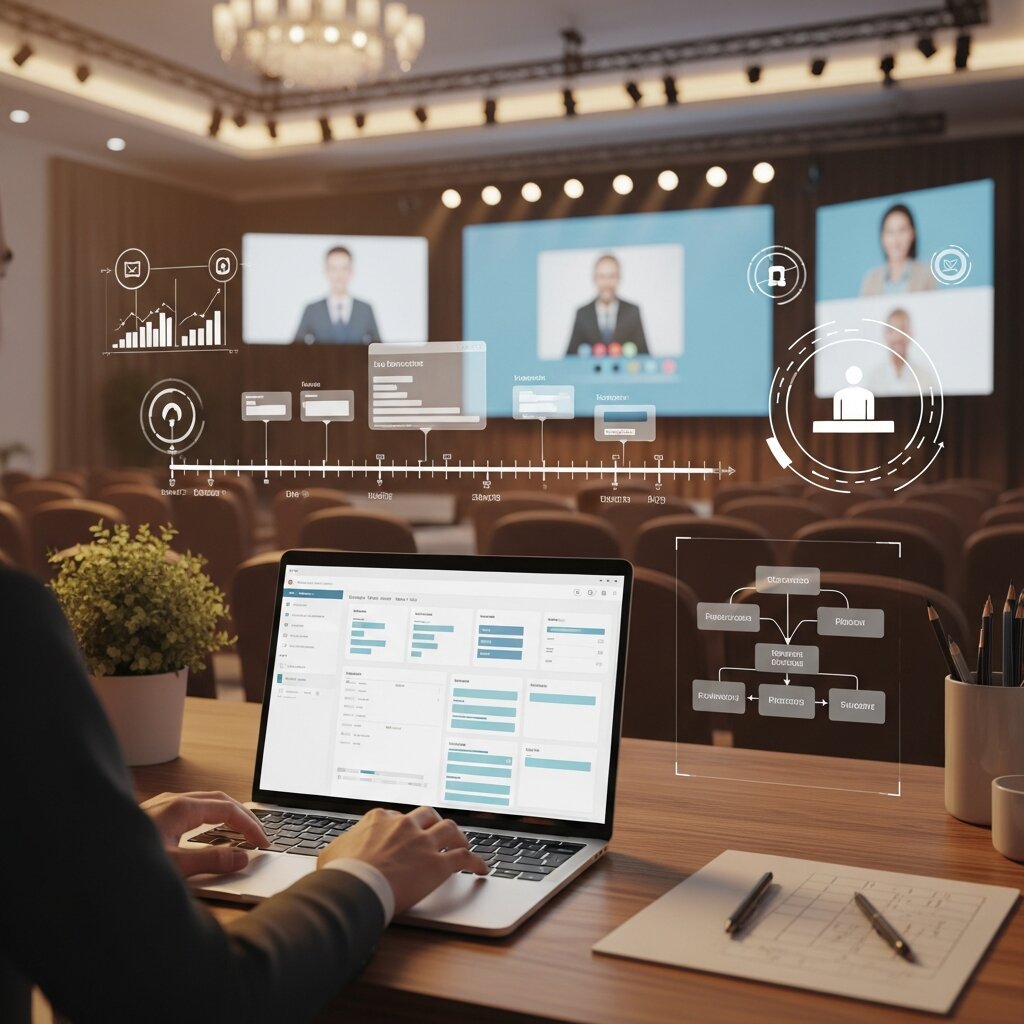
Creating a seamless experience for two distinct audiences starts long before the venue doors open or the live stream begins. A strong Hybrid Event Strategy requires careful planning, detailed coordination, and a clear understanding of the different needs of both in-person and virtual attendees. When executed properly, it ensures that both audiences receive equal value and engagement throughout the entire event.
Virtual and In-Person Event Strategy Alignment
The core philosophy of hybrid event planning is equity, which sits at the heart of any effective Hybrid Event Strategy. Virtual attendees should never feel like passive viewers of a live event, but rather active participants in a shared experience. To achieve this, your virtual and in-person event strategy must be fully integrated, ensuring both audiences interact and engage with the same content in meaningful ways.
Start by defining a unified goal for your Hybrid Event Strategy. Whether you are launching a product, educating your industry, or aligning internal teams, this objective will guide every decision you make. Strong alignment often goes hand-in-hand with solid branding principles, similar to those discussed in what is brand marketing and why does it matter. From there, map the entire attendee journey for both audiences and identify key interaction points such as live Q&A sessions, shared polls, and event apps. Aligning your content delivery—especially keeping presentations concise, visual, and interactive—ensures consistency and impact across both formats.
How to Organize Hybrid Events Successfully
Successful execution of a Hybrid Event Strategy depends heavily on organization and resource allocation. Since you are managing two environments simultaneously, it is essential to assign dedicated roles for each side of the event. Typically, this includes an in-person event manager handling venue logistics, catering, and on-site operations, while a virtual event manager oversees streaming platforms, digital engagement, and online technical support.
Clear communication between both teams is a critical part of any Hybrid Event Strategy. Regular coordination meetings and detailed run-throughs help ensure smooth integration between live production and virtual broadcasting systems. Conduct full technical rehearsals to test audio-visual feeds, internet stability, and platform performance. Once the infrastructure is fully tested, your team can focus on delivering a high-quality experience instead of dealing with last-minute technical issues.
Best Practices for Hybrid Events
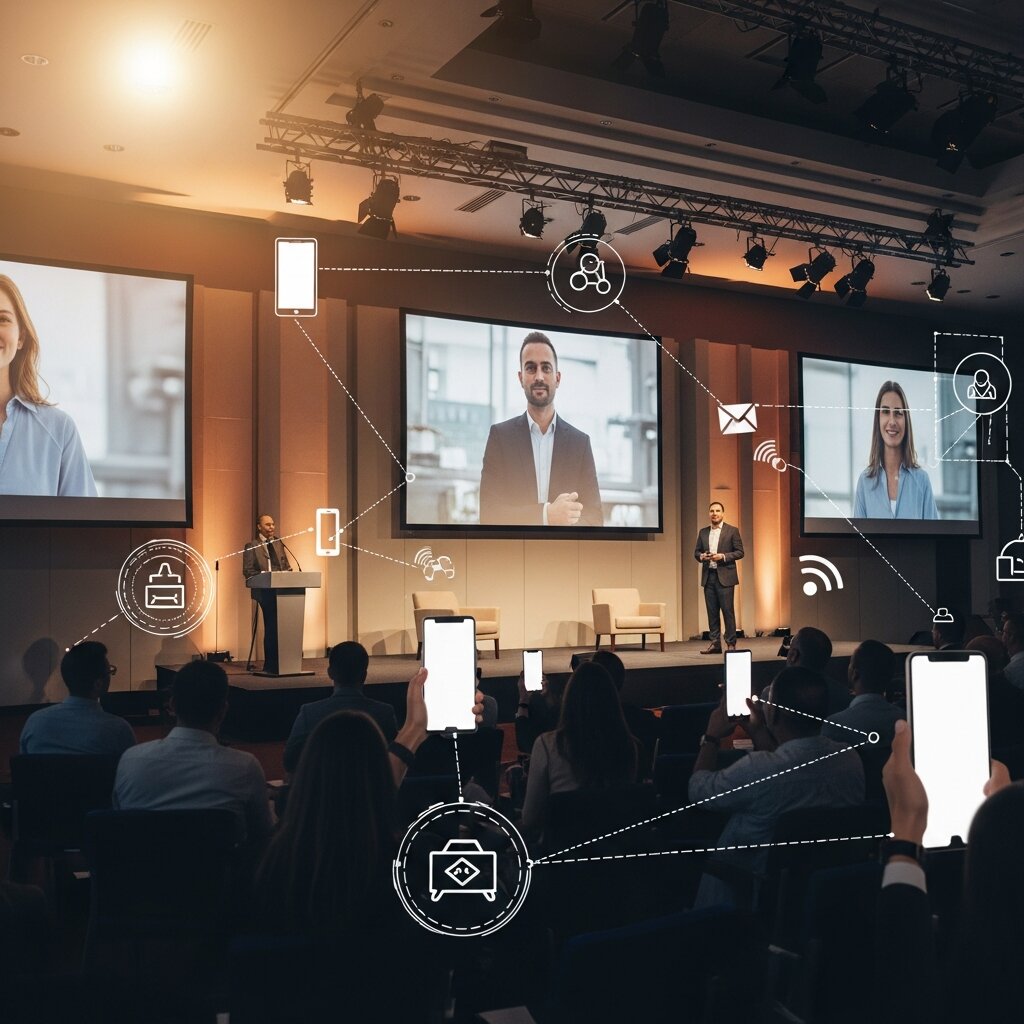
Delivering a flawless hybrid experience requires adherence to a few critical best practices. From the tools you choose to the ways you interact with your audience, these elements make or break your event.
Hybrid Event Technology Solutions
Technology is the bridge connecting your physical venue to the digital world. Selecting the right hybrid event technology solutions ensures high-quality broadcasting and seamless interaction. This becomes even more important when building long-term audience relationships similar to strategies used in how to increase brand awareness through digital marketing.
First, invest in a robust event management platform that offers both ticketing and virtual hosting capabilities. Platforms like Cvent, Hopin, or Bizzabo allow you to manage registrations for both audiences in one place. Second, prioritize professional audio and visual equipment. A laptop webcam will not suffice for a hybrid keynote. Use high-definition cameras, professional lighting, and most importantly, lapel microphones for speakers to ensure remote attendees can hear every word clearly. Finally, ensure your physical venue has a hardwired, dedicated internet connection to prevent broadcast interruptions.
Hybrid Event Engagement Techniques
Keeping a remote audience focused while managing the energy of a live crowd is challenging. Implementing specific hybrid event engagement techniques keeps everyone involved.
Use a unified mobile event app. Live attendees can use it to check the schedule, while remote attendees use the same app to participate in polls and ask questions. When a speaker takes the stage, have them address the camera directly as often as they make eye contact with the physical room. You can also implement gamification, awarding points to attendees who ask questions, visit sponsor booths, or network with peers. Displaying a live leaderboard in the physical venue and on the digital broadcast creates a shared sense of competition and community.
Hybrid Event Marketing Strategies
Promoting a dual-format event gives you unique opportunities to segment your audience and tailor your messaging. Effective hybrid event marketing strategies highlight the flexibility and inclusivity of your offering.
Create distinct marketing funnels based on location and past behavior. For local prospects, emphasize the networking opportunities, venue amenities, and the energy of a live crowd. For international or out-of-state prospects, highlight the convenience of the virtual pass, the lack of travel costs, and the ability to access on-demand content post-event.
Effective hybrid event marketing strategies highlight flexibility and inclusivity. You can also strengthen promotion by studying practical frameworks like how to make a social media marketing plan to build structured campaigns.
Increasing Attendance in Hybrid Events
To drive registration numbers, leverage the scarcity of physical tickets while promoting the unlimited nature of virtual access. Offer early-bird pricing for the physical event to secure your base capacity early. As the venue fills up, shift your marketing budget entirely toward promoting the virtual experience.
You can also use your speakers to drive attendance. Provide them with customized promotional graphics and affiliate links to share with their networks. Because remote attendance requires no travel commitment, people are much more likely to register spontaneously if they see a compelling topic shared by an industry leader they follow.
Corporate Hybrid Event Ideas
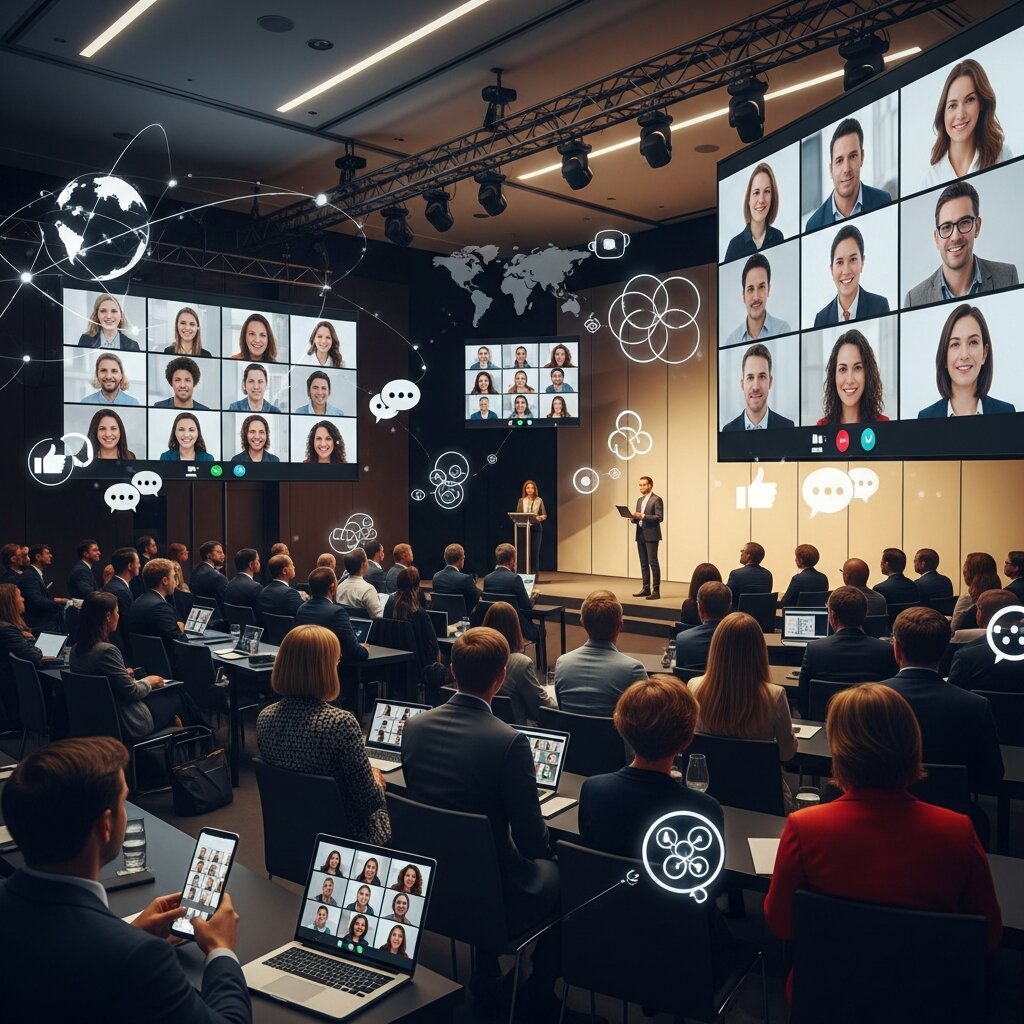
The corporate world benefits immensely from hybrid formats, especially for companies with a globally distributed workforce. Here are a few corporate hybrid event ideas to inspire your planning:
- Global Sales Kick-Offs: Bring leadership and top performers to a central hub while broadcasting the strategy sessions and awards ceremonies to regional offices.
- Town Hall Meetings: Host the executive team in a professional studio or main office, allowing remote employees to submit questions via an interactive Q&A tool.
- Product Launches: Invite media and VIP clients to a physical venue for hands-on demonstrations, while streaming a high-production video presentation to your global customer base.
- Training and Onboarding Workshops: Deliver the core curriculum through a live stream, and have local managers facilitate breakout discussions in regional offices.
Your Hybrid Conference Planning Checklist
Staying organized is the key to executing your hybrid event strategy. Use this checklist to keep your team on track:
Pre-Event:
- Define the core objectives and budget for both the live and virtual components.
- Select a venue with strong AV capabilities and dedicated high-speed internet.
- Choose a comprehensive hybrid event hosting platform.
- Develop separate but cohesive marketing campaigns for physical and virtual tickets.
- Appoint dedicated teams for in-person logistics and virtual broadcasting.
One Month Out:
- Finalize the run of show, ensuring session lengths accommodate virtual attention spans.
- Test all technology, including cameras, microphones, and streaming software.
- Send detailed briefing packets to all speakers outlining hybrid presentation best practices.
- Launch the mobile event app and encourage early networking.
During the Event:
- Assign a dedicated virtual emcee to interact with the remote audience between sessions.
- Monitor digital engagement metrics and live polls in real-time.
- Ensure physical attendees are using the digital app to interact with remote participants.
Post-Event:
- Send segmented thank-you emails and feedback surveys to both audiences.
- Edit and upload session recordings for on-demand access.
- Analyze engagement data and ROI to improve your next hybrid event strategy.
Frequently Asked Questions
What exactly is a hybrid event strategy?
It is a comprehensive plan designed to host an event that successfully integrates a live, physical audience with a remote, digital audience, ensuring equitable engagement and value for both groups.
How do you balance virtual and in-person experiences?
Balance is achieved by using shared technology like event apps, incorporating live Q&A that pulls questions from both audiences, and having a dedicated virtual host to guide remote attendees through the event.
What is the most important technology for a hybrid event?
A reliable, high-bandwidth, hardwired internet connection at your physical venue is the most critical piece of technology. Without it, your virtual experience cannot function.
How much does a hybrid event cost compared to a standard event?
They typically cost more than a standalone virtual or physical event because you are funding venue logistics alongside professional broadcasting and streaming platform fees.
Do I need two separate event planning teams?
While you do not need two entirely separate organizations, you should assign dedicated managers for the physical venue and the virtual broadcast to ensure neither audience is neglected.
How do you keep remote attendees engaged during long sessions?
Keep keynote presentations concise (under 45 minutes), use high-quality visual aids, conduct frequent live polls, and utilize a dedicated virtual emcee to chat with the online audience during breaks.
Can hybrid events be highly profitable?
Yes. By eliminating the capacity constraints of a physical venue, you can sell an unlimited number of virtual tickets, significantly increasing your overall revenue potential.
What are common mistakes to avoid in hybrid planning?
Common mistakes include treating the virtual audience as passive viewers, failing to test AV equipment thoroughly, and neglecting to provide networking opportunities for remote attendees.
How long should a hybrid event last?
Virtual attention spans are shorter. If your physical event spans three full days, consider condensing the virtual broadcast to the most impactful half-days, or offer sessions on-demand.
How do you handle significant time zone differences?
Schedule your most important keynote sessions during a time window that overlaps with the majority of your global audience’s waking hours, and make all content available on-demand immediately after the live stream.
Should virtual tickets be cheaper than physical tickets?
Generally, yes. Physical tickets include the cost of catering, venue space, and in-person networking. Virtual tickets should be priced lower to reflect the different cost structures and perceived value.
How do you measure the success of a hybrid event?
Look at total registration numbers, attendee retention rates (how long they stayed logged in), survey feedback from both audiences, and the number of leads or sales generated.
What happens if the live stream fails?
Always have a backup recording running locally on your cameras. If the stream drops, you can upload the high-quality recording immediately after the session and communicate transparently with your remote audience.
How do sponsors benefit from a hybrid format?
Sponsors get the best of both worlds: deep, face-to-face interactions with physical attendees and broad, trackable data and lead generation from the virtual platform.
How far in advance should I plan a hybrid event?
Depending on the scale, you should begin planning a hybrid conference at least six to nine months in advance to secure the venue, select the software, and coordinate the complex logistics.
Next Steps for Event Success
Developing a successful Hybrid Event Strategy is not about simply duplicating efforts for both in-person and online audiences—it’s about working smarter to seamlessly bridge the physical and digital experience. A strong hybrid approach ensures that both audiences feel equally included, engaged, and valued, no matter where they are joining from. To achieve this, you need to invest in reliable technology that supports live streaming, real-time interaction, and smooth content delivery across both formats.
Equally important is building a well-coordinated team that can manage both sides of the event simultaneously, from on-site logistics to virtual engagement and technical support. Keeping audience equity at the center of your Hybrid Event Strategy ensures that remote attendees don’t feel like secondary participants. Start by clearly defining your goals, reviewing your current tech stack, and identifying any gaps in your setup. With thoughtful planning and execution, you can create powerful, unified event experiences that connect audiences across the globe and deliver lasting impact.