Sustaining consistent revenue throughout the entire calendar year requires more than standard promotional efforts. Businesses must continuously innovate to captivate audiences as seasonal moods, holiday shopping habits, and purchasing behaviors shift. Implementing high-impact Seasonal Marketing Ideas enables companies to capture intent, boost engagement, and maximize profitability year-round. This comprehensive guide provides actionable Seasonal Marketing Ideas designed to drive revenue across every quarter. You will discover seasonal consumer behavior insights, channel-specific execution strategies, industry comparison frameworks, common pitfalls to avoid, and expert tips. By aligning your campaigns with key holidays, cultural events, and buying cycles, your business will achieve sustainable year-round growth and higher customer retention.
The Strategic Power of Seasonal Marketing Ideas in Modern Business
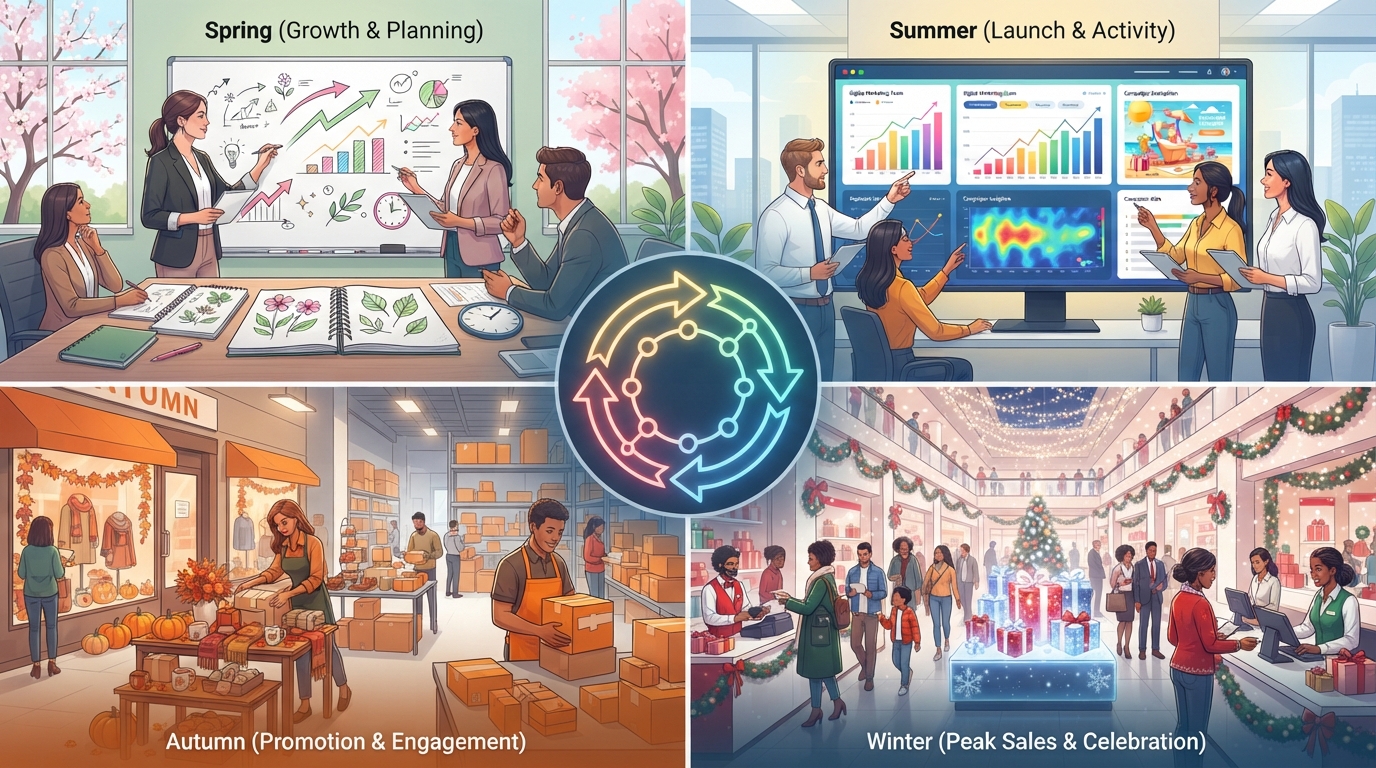
Seasonal marketing represents one of the most effective ways for businesses to connect with consumers on an emotional level while capitalizing on predictable shifts in demand. At its core, the implementation of strategic Seasonal Marketing Ideas relies on aligning your brand message with the dynamic mindset of your target audience throughout the year. When prospective buyers experience seasonal shifts, whether transitioning from winter hibernation to spring renewal, or preparing for back-to-school routines and winter holiday gifting, their purchasing priorities change dramatically. Brands that successfully anticipate these psychological and environmental shifts can craft timely offers that feel personal, relevant, and urgent.
According to research from Statista, seasonal shopping events generate hundreds of billions of dollars globally every single year, with holiday sales alone accounting for up to thirty percent of annual retail revenue for many consumer brands. However, relying solely on Q4 holiday sales creates dangerous cash-flow vulnerabilities. Expanding your strategic portfolio with diversified Seasonal Marketing Ideas ensures that your revenue remains balanced across Q1, Q2, Q3, and Q4. A robust digital marketing strategy must incorporate timely promotions across every quarter to maintain consistent brand awareness and maintain strong customer interaction during traditional industry lulls.
Developing well-crafted Seasonal Marketing Ideas offers significant benefits beyond immediate revenue spikes. It provides a natural narrative context for creative content creation, allowing marketing teams to refresh advertising copy, design vibrant social media assets, and create highly targeted promotional offers without causing promotion fatigue. Furthermore, seasonal initiatives allow brands to test new product bundles, clear out old inventory, and attract new customer cohorts who are actively seeking solutions tailored to specific times of the year. By leveraging advanced target audience segmentation, businesses can deliver personalized messages that resonate deeply with distinct buyer profiles, ensuring higher conversion rates and maximum return on ad spend.
Moreover, the integration of innovative Seasonal Marketing Ideas strengthens long-term customer relationships. When customers perceive that a brand consistently delivers value tailored to their evolving seasonal needs, brand affinity and loyalty rise significantly. Data from Think with Google highlights that search queries associated with seasonal moments begin weeks or even months prior to the actual holiday or event. This early search behavior gives proactive marketers a valuable opportunity to optimize their search engine optimization efforts, capture high-intent organic traffic early, and establish authority well before competitors launch their campaigns.
Ultimately, executing thoughtful Seasonal Marketing Ideas turns seasonal fluctuations into predictable growth levers. Rather than viewing slow seasons as unavoidable downturns, successful organizations use these periods to deploy targeted campaigns, introduce warm-weather or cold-weather product line extensions, and nurture prospects through personalized email marketing automation. By combining rigorous market analysis with creative storytelling, companies can turn seasonal momentum into a sustainable competitive advantage that drives sustainable business growth month after month.
Analyzing Consumer Psychology and Seasonal Buying Triggers
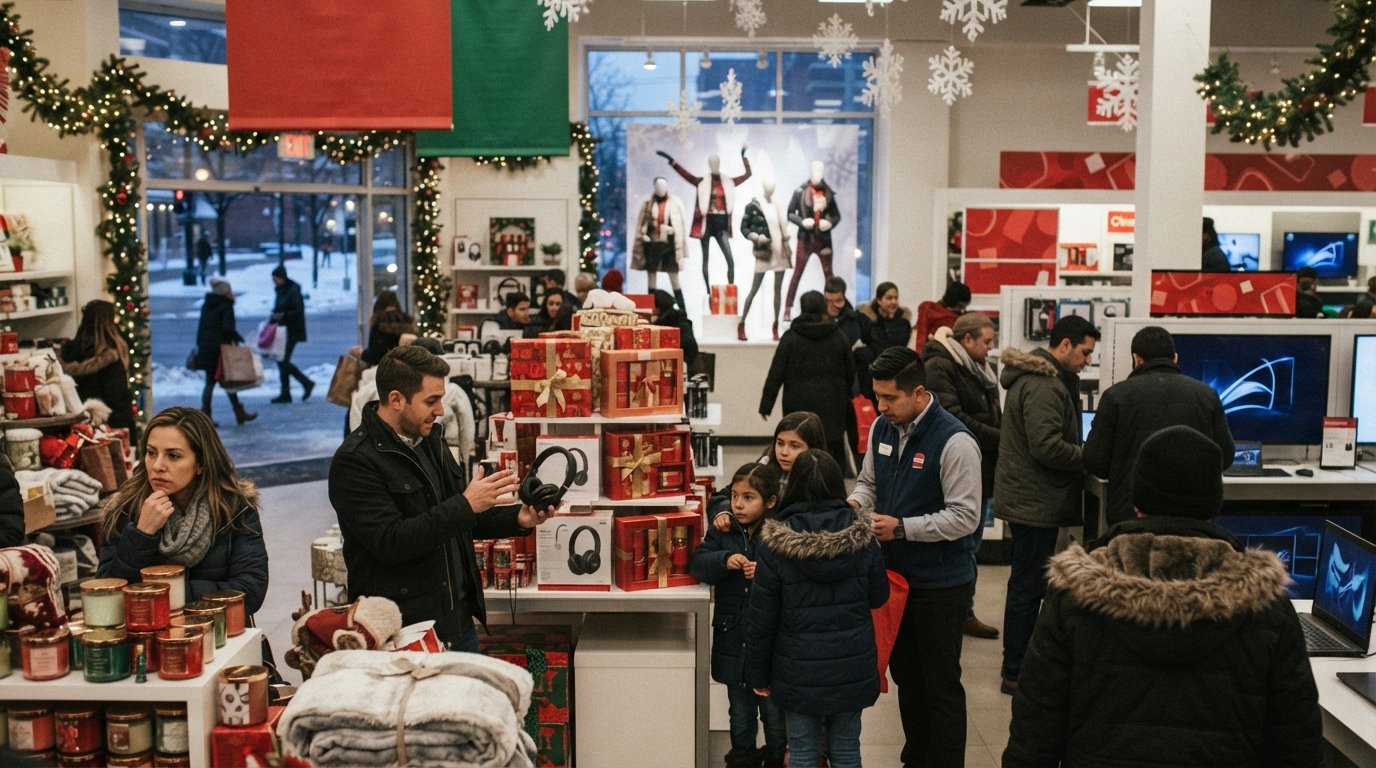
To maximize the impact of your Seasonal Marketing Ideas, you must first understand the psychological drivers that dictate customer behavior throughout the calendar year. Seasonal buying triggers are deeply rooted in cognitive psychology, societal rhythms, and environmental changes. Human emotions, energy levels, and daily routines fluctuate with weather changes, cultural holidays, and academic calendars. When businesses align their promotional strategies with these natural human cycles, their marketing messages feel significantly more authentic, compelling, and urgent.
One of the primary psychological catalysts behind successful Seasonal Marketing Ideas is the concept of fresh starts, often referred to in behavioral psychology as the “fresh start effect.” At the beginning of a new year, a new season, or even a new academic term, consumers naturally feel motivated to reset their habits, set ambitious goals, and make transformative purchases. For instance, Q1 presents an exceptional opportunity for wellness, financial, educational, and productivity brands to launch Seasonal Marketing Ideas centered around personal improvement and renewal. Marketers who frame their offerings as essential tools for achieving these new resolutions can achieve substantially higher conversion rate optimization results during these transitional windows.
Another critical psychological driver is urgency created by temporal scarcity. Seasonal offerings inherently carry a built-in deadline. Whether it is a limited-time autumn pumpkin spice offer, a summer flash sale, or an exclusive winter holiday bundle, the knowledge that an offer will vanish creates a powerful sense of FOMO (fear of missing out). Incorporating temporary scarcity into your Seasonal Marketing Ideas encourages hesitant prospects to make quick purchasing decisions rather than delaying them. By deploying precise retargeting campaigns alongside countdown timers and seasonal messaging, brands can effectively nudge shoppers through the sales funnel.
Furthermore, seasonal buying is heavily influenced by social proof, gift-giving traditions, and emotional celebrations. During major holidays like Valentine’s Day, Mother’s Day, Thanksgiving, and Christmas, consumers are socially conditioned to express appreciation through purchases. Research published by Harvard Business Review demonstrates that emotional resonance in advertising generates significantly higher customer lifetime value compared to purely functional product descriptions. Consequently, emotional Seasonal Marketing Ideas that emphasize connection, family, self-care, or celebration achieve far higher engagement levels across both
social and direct response channels.
| Psychological Trigger |
Primary Seasonal Moment |
Recommended Campaign Focus |
Business Impact |
| Fresh Start Effect |
Q1 (January / New Year) & Q3 (Late Summer / Back-to-School) |
Goal setting, lifestyle upgrades, habit building, skill development |
High acquisition of new customers and premium subscription upgrades |
| Temporal Scarcity (FOMO) |
Q2 Summer Sales & Q4 Holiday Flash Sales |
Limited-edition products, seasonal bundling, countdown timers |
Accelerated checkout speeds and reduced shopping cart abandonment |
| Emotional Connection & Gifting |
Valentine’s Day, Mother’s Day, Q4 Holidays |
Personalized gift guides, emotional storytelling, curated packages |
Increased average order value (AOV) and elevated brand sentiment |
| Urgency & Inventory Clearing |
End of Season Clearance (March, July, October) |
Deep discounts, VIP early access, buy-one-get-one offers |
Rapid inventory turnaround and steady cash flow during off-peak periods |
Understanding these psychological dynamics enables marketing strategists to design Seasonal Marketing Ideas that feel like helpful solutions rather than intrusive sales pitches. By mapping specific emotional triggers to key dates on the commercial calendar, organizations can build a coherent content marketing plan that guides prospective buyers seamlessly from awareness to purchase throughout every month of the year.
The Quarterly Breakdown: High-Converting Seasonal Marketing Ideas for Every Season

To execute a comprehensive annual promotion calendar, businesses must break down their campaign execution by calendar quarters. Each quarter brings unique cultural events, weather patterns, and consumer mindsets that require tailored approaches. Below is a detailed breakdown of highly effective Seasonal Marketing Ideas categorized by quarter, offering actionable tactical guidance for
B2B and B2C organizations alike.
1. Capturing New Beginnings and Early Spring Surges
The first quarter of the year is characterized by post-holiday recovery, New Year resolutions, and the anticipation of spring. While many retailers experience a slowdown in January following the intense shopping period of Q4, savvy marketers recognize Q1 as a golden window for introducing fresh Seasonal Marketing Ideas focused on self-improvement, health, financial wellness, and early spring preparation.
In January, consumer focus centers squarely on personal transformation. Health and fitness brands, online learning platforms, financial services, and organizational tools can launch Seasonal Marketing Ideas centered around the theme of “New Year, New You.” Rather than offering generic discount codes, brands should create interactive content such as habit trackers, goal-setting assessments, or personalized video masterclasses that build deep trust. Partnering with industry leaders to highlight authentic success stories enhances credibility and drives continuous customer engagement.
By February, romantic relationships, personal appreciation, and winter comfort take center stage. Valentine’s Day and Galentine’s Day provide fantastic opportunities for creative Seasonal Marketing Ideas. Ecommerce retailers can curate themed gift guides categorized by personality type, interest, or price point, making decision-making seamless for stressed shoppers. B2B businesses can also participate by running “Show Your Tools Some Love” retention campaigns, offering current clients surprise upgrades, extended features, or educational resources that reinforce customer appreciation and strengthen customer retention strategies.
March marks the onset of spring and the celebration of Saint Patrick’s Day and early Easter preparations. During this period, Seasonal Marketing Ideas should emphasize refreshment, outdoor activity, and cleaning out old clutter. Home improvement, apparel, gardening, and lifestyle brands can host “Spring Refresh” events, offering bundled promotions on spring essentials. By integrating targeted influencer partnerships, brands can showcase real-world transformations and aesthetic seasonal updates, driving substantial organic engagement across social media channels.
To ensure your Q1 efforts deliver maximum performance, align your promotional strategy with this structured quick-reference roadmap:
- January Focus: Launch resolution-driven campaigns, goal-oriented product bundles, and interactive self-assessment tools to capture enthusiastic early-year shoppers.
- February Focus: Roll out curated romantic and self-care gift guides, interactive social contests, and customer appreciation initiatives across digital touchpoints.
- March Focus: Drive early spring refresh sales, organize festive holiday-themed giveaways, and highlight product line renewals to welcome warmer weather.
By maintaining consistent marketing momentum across January, February, and March, businesses can effectively prevent post-holiday revenue slumps and establish strong financial momentum for the rest of the fiscal year.
2. Leveraging Celebrations, Warm Weather, and Summer Transitions
Quarter two brings warmer weather, longer daylight hours, outdoor activities, and major family celebrations including Easter, Mother’s Day, Father’s Day, and early graduation ceremonies. During Q2, consumer mindsets shift from indoor focus to outdoor leisure, travel, and festive gatherings. Developing high-energy Seasonal Marketing Ideas tailored to these lifestyle changes allows brands to capture valuable market share.
April opens with Easter and spring break vacations. Seasonal Marketing Ideas during April should focus heavily on family-centric activities, travel preparations, and outdoor recreation. B2C brands can implement gamified digital experiences, such as virtual Easter egg hunts on their websites, where visitors search for hidden discount codes or special product rewards. Gamification significantly increases dwell time, boosts page views, and improves overall e-commerce sales performance. B2B brands can leverage April to publish tax-season relief guides, financial efficiency tools, and Q2 planning toolkits.
May features one of the largest retail shopping moments of the second quarter: Mother’s Day. Successful Seasonal Marketing Ideas for Mother’s Day require empathy, personalization, and clear logistics. Brands should provide opt-out choices in their email marketing automation sequences for sensitive subscribers who prefer not to receive Mother’s Day communications, a practice that builds immense goodwill and respect. For active shoppers, offering express shipping guarantees, beautiful complimentary gift wrapping, and personalized greeting cards can dramatically elevate conversion rates and drive higher customer satisfaction.
June transitions the market into summer, bring Memorial Day sales, Father’s Day, and graduation milestones. Seasonal Marketing Ideas in June should celebrate summer kickoffs, outdoor entertaining, grilling, sports, and vacation travel. Hospitality, travel, fashion, and food and beverage brands can collaborate to launch co-branded summer getaway giveaways. By creating multi-channel campaigns that combine paid social media ads, search engine marketing, and user-generated content, companies can capture high-intent summer spending and build vibrant online communities around shared seasonal passions.
Executing Q2 campaigns effectively requires meticulous timing and strong cross-channel coordination. Ensuring that your promotional calendars align with warm-weather transitions guarantees sustained consumer interest across all customer touchpoints.
3. Mastering Back-to-School and End-of-Summer Momentum
Quarter three is dominated by mid-summer leisure, the massive back-to-school shopping season, Labor Day weekend, and early autumn transitions. Despite being traditionally viewed as a quiet period for certain industries, Q3 contains the second-largest shopping period of the entire year: Back-to-School and Back-to-College. Designing structured Seasonal Marketing Ideas around Q3 consumer shifts is crucial for capturing both late-summer spending and early fall demand.
July represents the peak of summer, making it an ideal time for high-impact Seasonal Marketing Ideas such as “Christmas in July” flash sales or mid-summer clearance events. These mid-year promotions help retailers clear remaining spring and summer stock to make shelf space for autumn merchandise while re-engaging bargain-hunting consumers. By utilizing countdown timers, exclusive SMS alerts, and targeted social media ads, brands can generate excitement and drive rapid sales spikes during an otherwise quiet retail month.
August is anchored almost entirely by the Back-to-School and Back-to-College surge. According to data from the National Retail Federation, back-to-school spending reaches tens of billions annually, impacting electronics, apparel, stationery, furniture, food, and software categories. Seasonal Marketing Ideas for August should focus on convenience, value packages, and checklist-style content marketing. Creating downloadable “Back-to-School Master Checklists” or offering student and teacher discounts helps simplify purchasing decisions for busy parents and students, positioning your brand as a helpful partner during a stressful seasonal transition.
September serves as the bridge between summer and autumn, marked by Labor Day sales and the official arrival of fall. Seasonal Marketing Ideas in September should leverage autumn themes—cozy apparel, warm beverages, home comfort updates, and routine restoration. B2B software and consulting companies can run “Q4 Preparation” webinars, helping enterprise clients optimize their tech stacks and operational strategies before the busy holiday period arrives. This positions your brand as a strategic advisor while seeding opportunities for late-year contract expansions.
By thoroughly capitalizing on mid-summer clearance opportunities, back-to-school surges, and fall preparations, businesses can generate strong Q3 cash flow while laying the structural foundation for massive Q4 success.
4. Dominating the Holiday Shopping Frenzy and Year-End Sales
Quarter four is the undisputed heavy-weight champion of commercial retail and corporate purchasing. Containing Halloween, Thanksgiving, Black Friday, Cyber Monday (BFCM), Green Monday, Hanukkah, Christmas, and New Year’s Eve, Q4 offers unparalleled sales volume. However, because competition for consumer attention reaches peak intensity, your Seasonal Marketing Ideas must be exceptionally creative, highly targeted, and flawlessly executed.
October kicks off Q4 with Halloween and early holiday shopping preparations. Research from
McKinsey & Company confirms that consumers are starting their holiday shopping earlier every year to spread out expenses and avoid shipping delays. Seasonal Marketing Ideas for October should blend playful Halloween-themed promotions—such as “Spooktacular Savings” or mystery discount codes—with gentle early-bird holiday gift previews. Encouraging early shopping through VIP preview lists allows brands to capture demand before ad costs spike in November.
November is dominated by the monumental Black Friday and Cyber Monday shopping weekend. To stand out amidst the sea of promotional emails, your Seasonal Marketing Ideas must offer clear, compelling value propositions. Instead of relying solely on deep margin-eroding discounts, consider strategic value-add bundling, tier-based spend thresholds (e.g., “Spend $100, Save $20; Spend $200, Save $50”), or exclusive gift-with-purchase incentives. Furthermore, optimizing your website infrastructure for mobile responsiveness and fast page loading speeds is vital, as technical glitches during BFCM can result in massive lost revenue.
December brings final holiday gifting, last-minute shopping rushes, and year-end inventory clearing. Seasonal Marketing Ideas in December should address urgent delivery deadlines by clearly displaying holiday shipping cutoff dates across your website header, product pages, and checkout screens. Promoting digital gift cards, instant e-vouchers, and local curb-side pickup options caters perfectly to last-minute shoppers. In the B2B sector, December is prime time for “Use It or Lose It” budget campaigns, reminding corporate clients to invest remaining annual budget funds into software, equipment, or service retainers before the fiscal year closes.
To successfully navigate the high-stakes Q4 holiday shopping environment, brands should execute their strategy according to these essential operational checkpoints:
- October Focus: Launch playful Halloween activations, roll out VIP holiday sneak peeks, and build early holiday subscriber lists to bypass peak ad costs.
- November Focus: Flawlessly execute Black Friday Cyber Monday campaigns with tiered value bundles, optimized mobile checkouts, and high-converting retargeting ads.
- December Focus: Maximize last-minute gift card sales, prominently highlight guaranteed shipping deadlines, and launch B2B year-end budget utilization drives.
Integrating these high-converting Q4 strategies ensures your business maximizes holiday sales volume, converts seasonal visitors into loyal brand advocates, and finishes the fiscal year on a high note.
Omnichannel Execution: Distributing Seasonal Marketing Ideas Across Channels
Having brilliant Seasonal Marketing Ideas is only half the battle; successfully distributing them across multiple digital and physical channels is what turns creative concepts into bottom-line results. An omnichannel marketing approach ensures that your brand delivers a consistent, frictionless, and unified message regardless of how or where prospective buyers interact with your company.
Email Marketing Automation and Strategic Segmentation
Email marketing remains one of the highest ROI channels for executing Seasonal Marketing Ideas. However, sending generic mass blasts to your entire database will quickly lead to high unsubscribe rates and poor deliverability. To maximize engagement, businesses must implement advanced email marketing automation paired with strict list segmentation.
Divide your subscriber base into distinct cohorts based on past purchase history, seasonal interest tags, engagement levels, and demographic data. For instance, build automated welcome series specifically tailored to seasonal landing page signups, deliver automated abandoned cart reminders infused with seasonal urgency, and send re-engagement campaigns to inactive subscribers offering special seasonal incentives. Personalizing subject lines and email copy to reflect the reader’s current weather or regional holiday increases open rates and click-through metrics dramatically.
Social Media Marketing and User-Generated Content Campaigns
Social platforms like Instagram, TikTok, Pinterest, YouTube, and LinkedIn provide ideal creative environments for broadcasting visual Seasonal Marketing Ideas. Each platform attracts unique demographics and content consumption behaviors, requiring tailored visual assets and messaging styles.
Capitalize on social media marketing by running festive video series, live streaming product demonstrations, and hosting interactive polls or Q&A sessions. Furthermore, integrating user-generated content into your seasonal campaigns builds unmatched social proof and authenticity. Encourage your community to share photos or videos using your products during seasonal moments using custom branded hashtags. Featuring authentic customer content in your ad creative and product pages establishes peer trust, reduces purchase anxiety, and significantly improves overall campaign conversion performance.
Search Engine Optimization and Paid Advertising Alignment
To capture searchers who are actively seeking seasonal products, your organic and paid search teams must work in perfect harmony. Organic search engine optimization requires long-term planning, as search engine crawlers need weeks to index and rank new landing pages. Create evergreen seasonal landing pages (e.g., [example.com/black-friday](https://example.com/black-friday) or [example.com/summer-sale](https://example.com/summer-sale)) that remain active year-round. Outside of the promotional window, keep these pages live with signup forms for upcoming sales; during the promotional window, update them with live inventory and rich promotional offers.
Complement your organic search efforts with high-intent paid advertising on Google Ads, Meta Ads, and Pinterest. Adjust bidding strategies during peak seasonal windows to capture lucrative high-intent search queries. Utilize dynamic ad creative that automatically updates prices, stock levels, and promotional messaging based on real-time inventory data. By synchronizing organic visibility with target search ads, your brand maintains dominant real estate across search engine results pages throughout every peak shopping event.
Comprehensive Framework: Comparing Seasonal Marketing Ideas Across Industries
While the core principles of seasonal promotions apply across all markets, the execution of Seasonal Marketing Ideas differs significantly depending on whether a company operates in retail e-commerce, B2B software and professional services, local service businesses, or digital content and education. Understanding these industry-specific nuances enables business leaders to deploy resources effectively and achieve optimal returns.
The following comparison table outlines how distinct industry sectors adapt seasonal campaign frameworks to align with their unique sales cycles, target audiences, and operational constraints:
| Industry Sector |
Primary Seasonal Peak |
Core Objective |
Recommended Campaign Format |
Key Metric to Track |
| E-Commerce & Retail |
Q4 (BFCM & Christmas) & Q3 (Back-to-School) |
Maximize inventory turnover and order value |
Limited-edition product bundles, flash sales, gift guides |
Average Order Value (AOV) & Conversion Rate |
| B2B Software & SaaS |
Q1 (Resolution / Upgrades) & Q4 (Budget Spend) |
Accelerate contract closures and ARR growth |
“Use It or Lose It” budget drives, annual plan discounts, ROI calculators |
Annual Contract Value (ACV) & Demo Conversions |
| Local Service Businesses |
Q2 (Spring Cleaning) & Q3 (Summer Home Repair) |
Fill booking calendars ahead of peak demand |
Early-bird booking discounts, service packages, neighbor referral deals |
Lead-to-Booking Ratio & Customer Acquisition Cost |
| Digital Content & EdTech |
Q1 (Personal Development) & Q3 (Back-to-Learn) |
Boost course enrollments and membership signups |
Goal-setting masterclasses, bundled course passes, free trial extensions |
Subscription Retention & Lifetime Value (LTV) |
As shown in the matrix above, e-commerce brands excel by creating visual product urgency and gift-oriented messaging, whereas B2B organizations thrive by aligning their Seasonal Marketing Ideas with corporate fiscal calendars, budget cycles, and tax planning dead-lines. Local service providers must leverage seasonal weather changes to drive pre-season booking commitments, while educational platforms succeed by capitalizing on personal growth mindsets. Customizing your marketing strategy to match your specific industry framework prevents wasted ad spend and guarantees that your messaging resonates with high-intent prospects.
Common Mistakes to Avoid in Seasonal Campaign Execution
Even well-conceived Seasonal Marketing Ideas can fail to deliver expected results if marketing teams fall into common execution traps. Recognizing these operational and strategic pitfalls in advance helps safeguard your ad budget, protect brand reputation, and ensure seamless customer experiences.
To keep your seasonal campaigns running efficiently, avoid these critical mistakes during planning and execution:
- Starting Campaign Planning Too Late: Launching marketing initiatives without adequate lead time is a leading cause of campaign underperformance. Successful seasonal campaigns require creative asset production, website load testing, inventory stocking, and ad campaign approval time. Begin strategy formulation at least six to eight weeks before your target launch date.
- Ignoring Technical Website Optimization: Driving massive surges of traffic to a slow, unoptimized, or non-responsive website creates severe user friction and leads to high bounce rates. Ensure your website servers can handle traffic spikes, streamline your mobile checkout process, and test all promotional discount codes rigorously across multiple devices.
- Relying Exclusively on Margin-Eroding Discounts: Constant heavy discounting trains your customer base to wait for sales and significantly erodes brand equity over time. Instead of relying purely on percentage discounts, structure your Seasonal Marketing Ideas around value-added offers, exclusive gift items, product bundling, free shipping thresholds, or loyalty reward points.
- Failing to Segment Your Audience: Blasting identical promotional messaging to every subscriber on your email list damages deliverability and increases unsubscribe rates. Use tailored buyer personas and behavioural segmentation to deliver personalized content that aligns with specific customer interests and previous buying behavior.
- Neglecting Post-Campaign Customer Nurturing: Acquiring a surge of new seasonal customers is only beneficial if you retain them. Many businesses fail to establish automated post-purchase follow-up sequences. Create dedicated onboarding emails, request reviews, and share relevant product care content to turn one-time seasonal buyers into loyal brand advocates.
By systematically addressing these common pitfalls, your company can execute high-performing seasonal initiatives that protect profitability, maintain high technical standards, and build lasting customer relationships.
Pro Tips and Expert Insights for Year-Round Promotional Success
To elevate your Seasonal Marketing Ideas from standard promotional efforts to industry-leading growth drivers, you must adopt advanced marketing methodologies and leverage cutting-edge tools. Industry experts agree that the difference between average and exceptional campaign performance lies in data depth, personalization, and creative testing.
Consider these expert-backed recommendations to maximize the long-term impact of your seasonal marketing campaigns:
Build Evergreen Seasonal URL Infrastructures: Rather than creating temporary landing pages with specific year tags (e.g., /black-friday-2025), build evergreen URLs (e.g., /black-friday). This strategy preserves organic domain authority, maintains backlinks year after year, and eliminates the need to rebuild organic search visibility from scratch every season.
- Leverage Predictive Analytics and Historical Data: Audit historical analytics data from previous seasons to identify peak traffic hours, highest-converting ad formats, and top-selling product categories. Use these empirical insights to refine inventory forecasting, optimize ad spend allocation, and set realistic revenue benchmarks.
- Implement Gamified and Interactive Content Experiences: Static promotional banners no longer command consumer attention in crowded digital spaces. Incorporate interactive content such as seasonal quizzes, spin-to-win discount wheels, or interactive gift-finder tools to double engagement rates and make shopping enjoyable.
- Test Creative Variations Early in Off-Peak Windows: Do not wait until peak holiday shopping days to test ad copy, headline variations, or landing page layouts. Conduct continuous A/B testing during low-stakes off-peak periods to identify winning messaging frameworks that can be scaled confidently during prime promotional events.
- Create Co-Branded Strategic Alliances: Multiply your campaign reach by collaborating with non-competing complementary brands that share your target audience. Joint seasonal giveaways, co-authored gift guides, or cross-promotional discount codes allow both businesses to acquire qualified leads at a fraction of standard acquisition costs.
By applying these expert insights, your marketing team can continuously refine its promotional execution, outperform industry benchmarks, and turn every seasonal moment into a predictable engine for business expansion.
Mastering seasonal campaigns is an ongoing process that requires agility, data analysis, and creative planning. By executing these strategic Seasonal Marketing Ideas throughout every quarter, your business can turn temporary surges into lasting brand loyalty and steady growth. Ready to elevate your revenue? Start auditing your promotional calendar today and build your next campaign.
1. What are Seasonal Marketing Ideas and why are they important for businesses?
Seasonal Marketing Ideas are strategic promotional campaigns, content initiatives, and sales offers designed to align with specific seasons, holidays, cultural events, or climate shifts throughout the year. They are critically important because they allow businesses to tap into pre-existing consumer mindsets, leverage emotional buying triggers, and capture high-intent search traffic. Executing seasonal campaigns helps businesses diversify revenue across all four quarters, clear aging inventory, attract new customer cohorts, and maintain strong brand engagement year-round.
2. How far in advance should a business plan its Seasonal Marketing Ideas?
Ideally, businesses should begin planning their seasonal marketing campaigns at least six to eight weeks prior to the launch date. Complex, high-stakes shopping events like Black Friday, Cyber Monday, or major Christmas activations often require three to six months of advance preparation. Advanced planning gives teams sufficient time to develop creative assets, conduct website performance testing, coordinate inventory logistics, establish strategic influencer partnerships, and set up automated multi-channel marketing workflows without last-minute execution errors.
3. How can B2B companies successfully use Seasonal Marketing Ideas?
While B2B companies may not experience the same consumer gifting surges as retail brands, they can achieve incredible results by aligning Seasonal Marketing Ideas with corporate fiscal calendars, operational cycles, and business planning moments. For instance, B2B firms can run “New Year, New Workflow” campaigns in Q1, offer tax-season efficiency resources in early Q2, host mid-year technology audits in Q3, and execute “Use It or Lose It” fiscal budget utilization drives in late Q4. Framing service offerings around business planning milestones makes B2B outreach timely and valuable.
4. What is the best way to prevent discount fatigue during seasonal sales?
To prevent discount fatigue and protect brand equity, businesses should avoid relying exclusively on sitewide percentage markdowns. Instead, diversify your Seasonal Marketing Ideas by offering strategic value-added incentives. These include multi-product bundling, spend-threshold rewards (e.g., free gift with purchases over a certain dollar amount), exclusive access to limited-edition items, complimentary express shipping, or double loyalty reward points. Value-add promotions preserve profit margins while still delivering an attractive proposition to price-sensitive shoppers.
5. How can small businesses compete with massive brands during peak holiday seasons?
Small businesses can successfully compete against retail giants during peak seasonal moments by emphasizing agility, authenticity, personal connection, and niche specialization. Rather than trying to match big-box ad budgets, small businesses should leverage personalized email marketing automation, highlight unique origin stories, offer customized product options, and deliver superior customer service. Participating in targeted community events, like Small Business Saturday, and leveraging localized search engine optimization allows independent brands to build loyal customer bases that prefer supporting authentic local businesses.
6. What role does social media play in executing Seasonal Marketing Ideas?
Social media plays a vital role in amplifying Seasonal Marketing Ideas by serving as a visual storytelling showcase and dynamic engagement hub. Platforms like Instagram, TikTok, and Pinterest allow brands to launch interactive video content, showcase seasonal lifestyle aesthetic trends, collaborate with creators, and leverage user-generated content. Furthermore, social platforms offer powerful shoppable media features and highly targeted demographic advertising options, enabling brands to move prospective buyers from discovery to checkout seamlessly within their preferred apps.
7. How do I measure the success and ROI of my seasonal marketing campaigns?
Measuring the success of your Seasonal Marketing Ideas requires tracking specific Key Performance Indicators (KPIs) aligned with your campaign goals. Essential metrics include Conversion Rate, Return on Ad Spend (ROAS), Average Order Value (AOV), Customer Acquisition Cost (CAC), Email Open and Click-Through Rates, and total net revenue generated compared to previous non-promotional periods. Analyzing these metrics post-campaign highlights which channels and creative offers yielded the highest profitability, providing invaluable benchmark data to refine future seasonal strategies.
8. How can a business keep marketing momentum going during traditional slow seasons?
To maintain revenue momentum during traditional industry lulls, businesses must create artificial demand drivers and tap into lesser-known seasonal moments. Utilize “Christmas in July” flash sales, end-of-season clearance events, VIP exclusive appreciation days, or educational content challenges to reactivate dormant customer lists. Additionally, slow seasons provide an ideal opportunity to audit your marketing stack, refine underlying SEO infrastructure, run A/B split tests on core landing pages, and launch targeted re-engagement campaigns aimed at increasing customer lifetime value.
9. Should seasonal marketing landing pages be removed after a holiday ends?
No, seasonal landing pages should never be deleted. Deleting seasonal pages destroys accumulated organic search authority, breaks incoming backlinks, and requires your SEO team to start from scratch the following year. Instead, maintain evergreen landing page URLs (e.g., [yourwebsite.com/holiday-sale](https://yourwebsite.com/holiday-sale)). When a seasonal event concludes, update the page content to thank shoppers and present an email capture form where visitors can sign up for early notifications for the next sale. This strategy builds high-value subscriber lists while preserving valuable organic search rankings year-round.
10. How can email segmentation improve the performance of seasonal promotions?
Email segmentation improves seasonal campaign performance by ensuring that subscribers receive messaging tailored strictly to their interests, buying stage, and past purchase behavior. Rather than blasting generic offers to an entire list, segmented campaigns allow you to deliver tailored gift guides to high-spending customers, re-engagement incentives to inactive subscribers, and localized weather-appropriate promotions based on subscriber geography. Delivering relevant, targeted emails results in significantly higher open rates, superior click-through metrics, fewer spam complaints, and overall higher sales conversions.