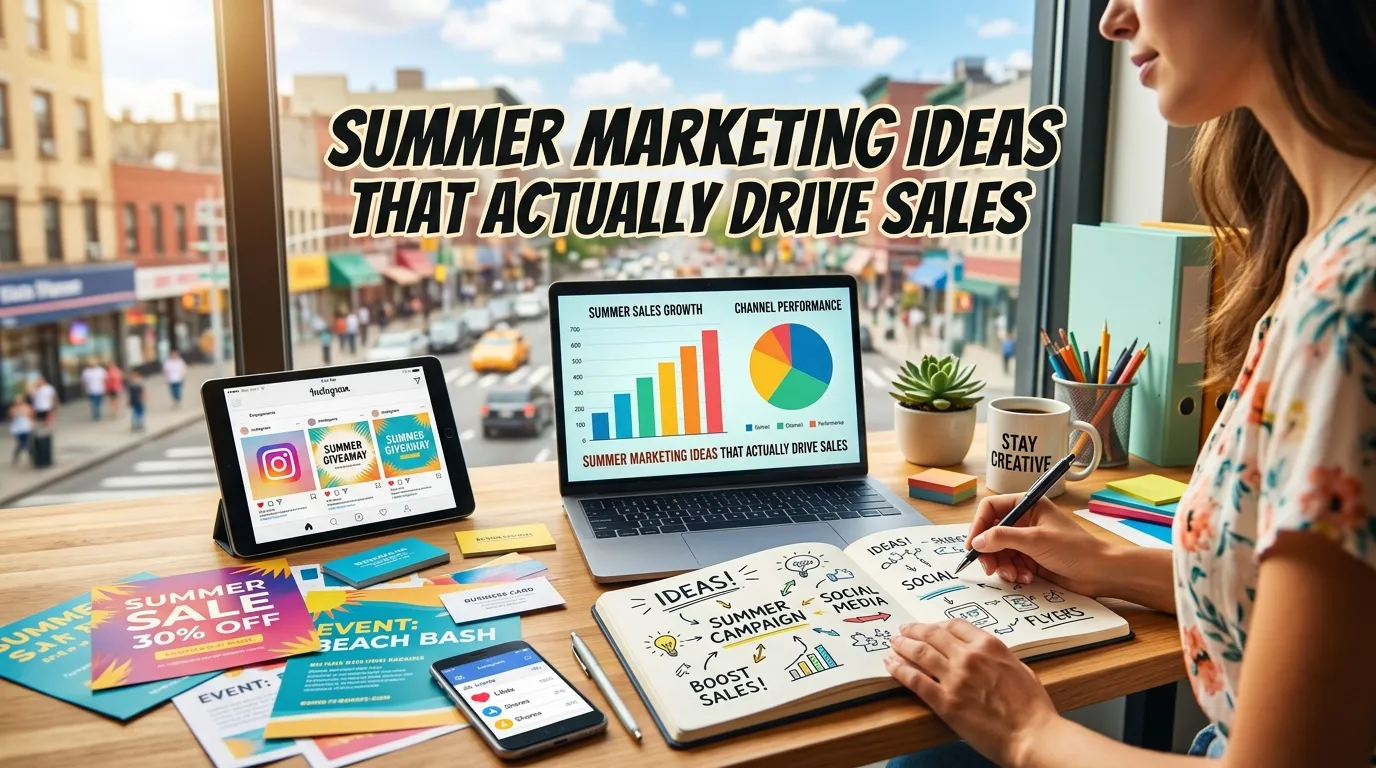
Summer marketing helps businesses increase sales by combining seasonal promotions, engaging content, and the right digital channels. By planning early, creating time-sensitive campaigns, and using strategies like email marketing, social media, and local partnerships, businesses can attract more customers and maximize revenue throughout the summer season.
Summer marketing works best when it combines seasonal urgency with genuinely useful promotions. From limited-time offers and influencer partnerships to email campaigns and social media contests, the most effective summer marketing strategies tap into the energy of the season—and align tightly with what customers actually want during warmer months.
Summer is one of the most commercially active periods of the year. Consumer spending spikes, attention shifts, and brands that plan ahead capture a disproportionate share of both traffic and revenue. Those that don’t? They watch competitors steal the spotlight.
But summer marketing isn’t just about slapping a sun emoji on your next email blast. The season brings real behavioral shifts—people travel more, spend more time outdoors, shop more impulsively, and engage differently with content. A well-executed summer marketing strategy accounts for all of that.
This guide covers everything from campaign ideas and promotional strategies to digital tactics and small business-specific tips. Whether you’re planning a full seasonal push or just looking for a few fresh ideas to bolt onto an existing strategy, you’ll find practical, actionable guidance here.
What Makes Summer Marketing Different From Other Seasons?
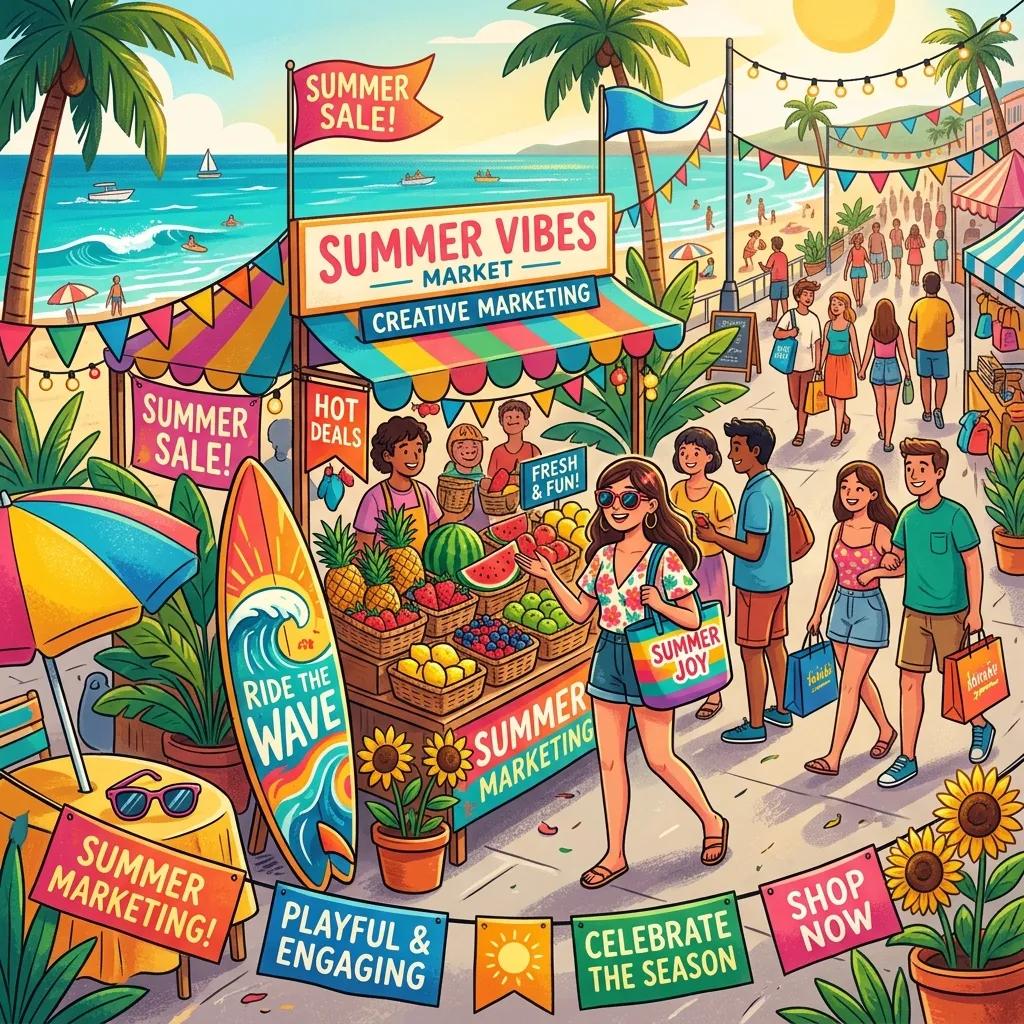
Summer creates a distinct consumer mindset. Spending tends to peak across several key categories—travel, food and beverage, fashion, outdoor recreation, and home improvement—while categories like formal wear or back-to-school supplies follow a more predictable cycle tied to specific summer milestones.
There’s also a psychological dimension. The longer daylight hours, relaxed social atmosphere, and sense of possibility that come with summer make consumers more receptive to discovery and impulse purchases. According to the National Retail Federation, summer holidays like Memorial Day, the Fourth of July, and Labor Day collectively generate billions in retail spending each year.
For marketers, this creates both an opportunity and a challenge: how do you stand out in a season where everyone is running a promotion?
The answer lies in specificity, creativity, and timing.
Summer Marketing Ideas to Kick Off Your Campaign
Before diving into specific tactics, it helps to start with a bank of ideas you can draw from. The best summer marketing campaigns tend to anchor around one or more of the following concepts:
- Limited-time seasonal products: A summer-only menu item, a limited-edition colorway, or a seasonal bundle creates urgency without requiring a full product overhaul.
- Outdoor activations: Pop-up events, beach sponsorships, or park-based sampling campaigns bring your brand into the spaces where customers are already spending their time.
- Summer challenges: User-generated content challenges tied to summer activities (think hiking photos, recipe contests, or travel snaps) drive engagement at low cost.
- Back-to-summer messaging: Position your product as the upgrade customers have been saving for—framing summer as a fresh start rather than just a season.
- Cause-related campaigns: Summer aligns naturally with environmental causes. Brands that tie promotions to sustainability or community initiatives often see stronger engagement from younger demographics.
These aren’t templates—they’re starting points. The goal is to take one of these concepts and build a campaign around it that feels native to your brand.
How to Build a Seasonal Summer Marketing Campaign
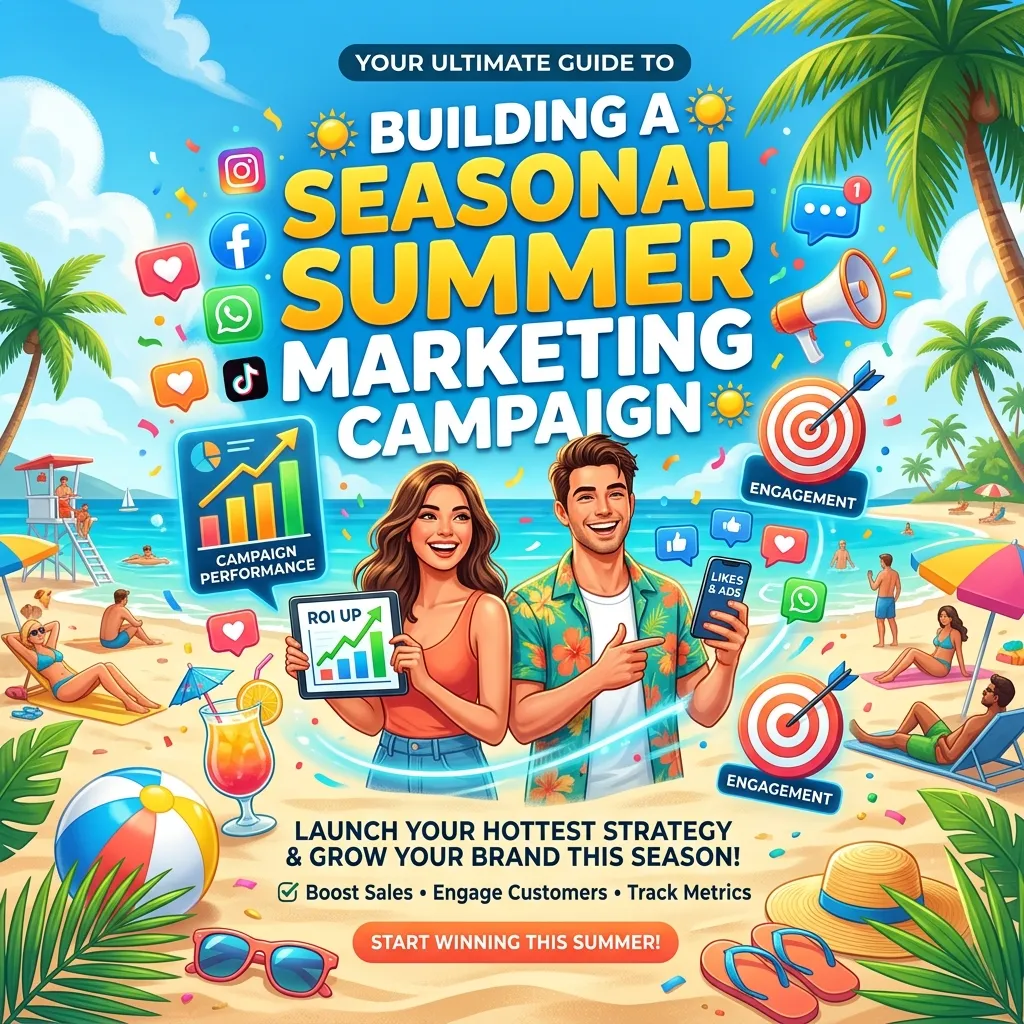
A seasonal campaign differs from an evergreen one in a few key ways: it has a defined start and end date, a clear thematic hook, and a sense of urgency that drives action.
Define your campaign window and key dates
Summer spans roughly Memorial Day weekend through Labor Day in the US, but that doesn’t mean you need to run one long campaign across all three months. Many brands find success by anchoring campaigns to specific moments: a Fourth of July flash sale, a mid-summer referral push, or a Labor Day clearance event.
Map out your key dates first. Then work backward to set deadlines for creative, copy, and channel scheduling.
Build around a single, clear idea
The most memorable summer campaigns are built around one central idea, not a laundry list of features. Target’s “Deal of the Day” summer campaigns, for example, keep it simple: one product, one price, one day. That clarity drives action.
Ask yourself: what’s the one thing we want customers to think or do as a result of this campaign? Build everything else around that answer.
Create campaign-specific assets
Generic content doesn’t perform well in summer—the season is too visually competitive. Invest in photography, video, or design that feels distinctly summery: warm tones, outdoor settings, or lifestyle imagery that matches your customer’s aspirations for the season.
Summer Promotional Strategies That Generate Real Results
Promotions are the engine of most summer campaigns. Before launching discounts, it’s worth understanding what promotion means in a business plan so your offers support long-term business goals instead of simply reducing margins.
Time-limited offers and flash sales
Urgency is a powerful motivator. A 48-hour summer sale or a weekend-only bundle creates the kind of FOMO that drives purchases that might otherwise have been delayed. Amazon’s Prime Day—essentially a manufactured summer shopping holiday—generates billions in sales annually, largely on the back of countdown timers and limited-time deals.
Bundle promotions
Summer naturally lends itself to bundling. A skincare brand might bundle sunscreen with aftersun lotion; an outdoor retailer might pair a tent with a sleeping bag at a reduced rate. Bundles increase average order value while giving customers a sense of savings.
Loyalty rewards and exclusive subscriber offers
Your existing customers are your most valuable asset. Use summer as an occasion to reward them. Offer early access to sales, exclusive summer products, or bonus loyalty points for purchases made during a set window. This deepens retention while encouraging additional spend.
Referral campaigns
Summer’s social nature makes it an ideal time to run referral programs. People are sharing experiences, recommending products to friends, and generally more open to discovery. A well-structured referral incentive—where both the referrer and new customer benefit—can drive significant acquisition at relatively low cost.
Summer Digital Marketing Strategies to Reach More Customers
Digital channels are where most summer campaigns live or die. Here’s how to make each one count.
Email marketing: timing and subject lines matter most
Open rates shift in summer as people check email less frequently during vacations and long weekends. To compensate, focus on making every email impossible to ignore. Use subject lines that create curiosity or urgency (“This weekend only: summer’s best deal”), keep body copy short, and ensure your CTA is immediately visible on mobile.
Segment your list by behavior, not just demographics. Customers who bought from you last summer deserve different messaging than first-time subscribers. Applying proven email marketing tips for seasonal campaign success can significantly improve open rates and conversions.
Social media: lean into video and UGC
Short-form video—Reels, TikTok, YouTube Shorts—performs exceptionally well during summer. The content style that tends to resonate is informal, visually bright, and tied to relatable summer moments. Stiff, polished corporate content tends to underperform relative to content that feels like it was made for the platform.
User-generated content (UGC) is a summer marketing powerhouse. Pairing customer photos with effective seasonal hashtag strategies helps expand your organic reach and encourages more engagement throughout the campaign.
Paid advertising: capitalize on seasonal search trends
Search volume for summer-related terms spikes predictably each year. Use Google Trends to identify when queries in your category start rising, and ensure your paid search campaigns are live before the peak—not during it. Cost-per-click tends to rise as more advertisers compete for the same keywords mid-season.
On social platforms, summer is a strong time for awareness and consideration campaigns. Video ads that capture the season’s mood tend to outperform static image ads in both reach and engagement.
Content marketing: create evergreen seasonal assets
A well-optimized summer guide, gift list, or how-to article can drive organic traffic year after year. Publishing seasonally relevant blog content before peak season—ideally 6–8 weeks ahead—gives it time to index and rank before the traffic surge arrives.
Summer Marketing for Small Businesses: Low-Budget, High-Impact Ideas
Big brands can outspend most small businesses on media. But small businesses have something major brands often lack: genuine community connection. Here’s how to leverage it.
Partner with other local businesses. A café and a bookstore running a joint summer promotion, or a fitness studio and a healthy meal prep service offering a combined discount, creates mutual value at zero media cost.
Run a social media contest. Ask followers to share a summer photo featuring your product for a chance to win a prize. This drives engagement, builds UGC, and expands reach to new audiences through shares.
Host a local event. A small summer pop-up, outdoor sale, or community gathering builds brand affinity in ways that no digital ad can fully replicate. It also generates content you can share across channels.
Optimize your Google Business Profile. During summer, people search for local businesses on mobile constantly. Make sure your hours, photos, and offers are up to date, and actively encourage reviews from satisfied customers.
Use SMS marketing. SMS open rates consistently outperform email, especially during busy summer periods when people are away from their desktops. A well-timed text promoting a weekend offer can drive foot traffic or online purchases quickly and cost-effectively.
Summer Marketing Trends Worth Paying Attention To
A few broader trends are shaping how brands approach summer marketing right now.
AI-powered personalization is allowing even mid-size brands to deliver individualized email and ad experiences at scale—matching product recommendations, timing, and messaging to individual behavior patterns rather than broad segments.
Sustainability messaging continues to grow in importance, particularly among younger consumers. Summer’s connection to the outdoors makes this especially relevant. Brands that can authentically align their summer campaigns with environmental values tend to see stronger engagement and brand preference.
Shoppable content is becoming standard across social platforms. Instagram, TikTok, and Pinterest all offer native shopping features that reduce friction between discovery and purchase. Integrating your summer promotions directly into social content—rather than directing users off-platform—can meaningfully improve conversion rates.
Make This Your Best Summer Marketing Season Yet
Summer rewards preparation. The brands that hit the season with a clear strategy, well-timed promotions, and content built for the platforms their customers actually use tend to outperform those who improvise.
Start by picking one or two ideas from this guide that align closely with your business and your audience. Build a campaign around a specific summer moment—a holiday, a milestone, or a culturally relevant trigger. Create assets that feel native to the season. And measure what works, so next summer, you can do it better.
The window is shorter than it looks. Start planning early.